







In the oil and gas sector, the stakes for pipe integrity are extremely high—failures are costly in money, safety and reputation. That’s why a dedicated hydrostatic testing machine for steel pipes becomes more than just an option—it’s an essential part of the workflow. As someone supplying such machines to pipe-mills and exporters, it’s vital to understand where and how these machines are used in the oil & gas pipeline industry, and to communicate that value clearly to your customers.
Why oil & gas pipelines demand rigorous testing
Pipelines transporting crude oil, natural gas, injection water or chemicals operate under high pressure, varying temperatures and harsh environmental conditions. A weak section or weld-defect can lead to leaks, ruptures or catastrophic failure. According to one industry source: pipelines are often tested to at least 125% of their Maximum Allowable Operating Pressure (MAOP) to validate their integrity.
For steel-pipe manufacturers, the message is clear: when your pipe is destined for an oil & gas job, you must prove it. A hydrostatic test machine helps you produce that proof.
Key applications of hydrostatic testing machines in oil & gas pipelines
Below are several major use-cases where steel‐pipe hydrostatic test machines deliver value in oil & gas pipeline projects:
-
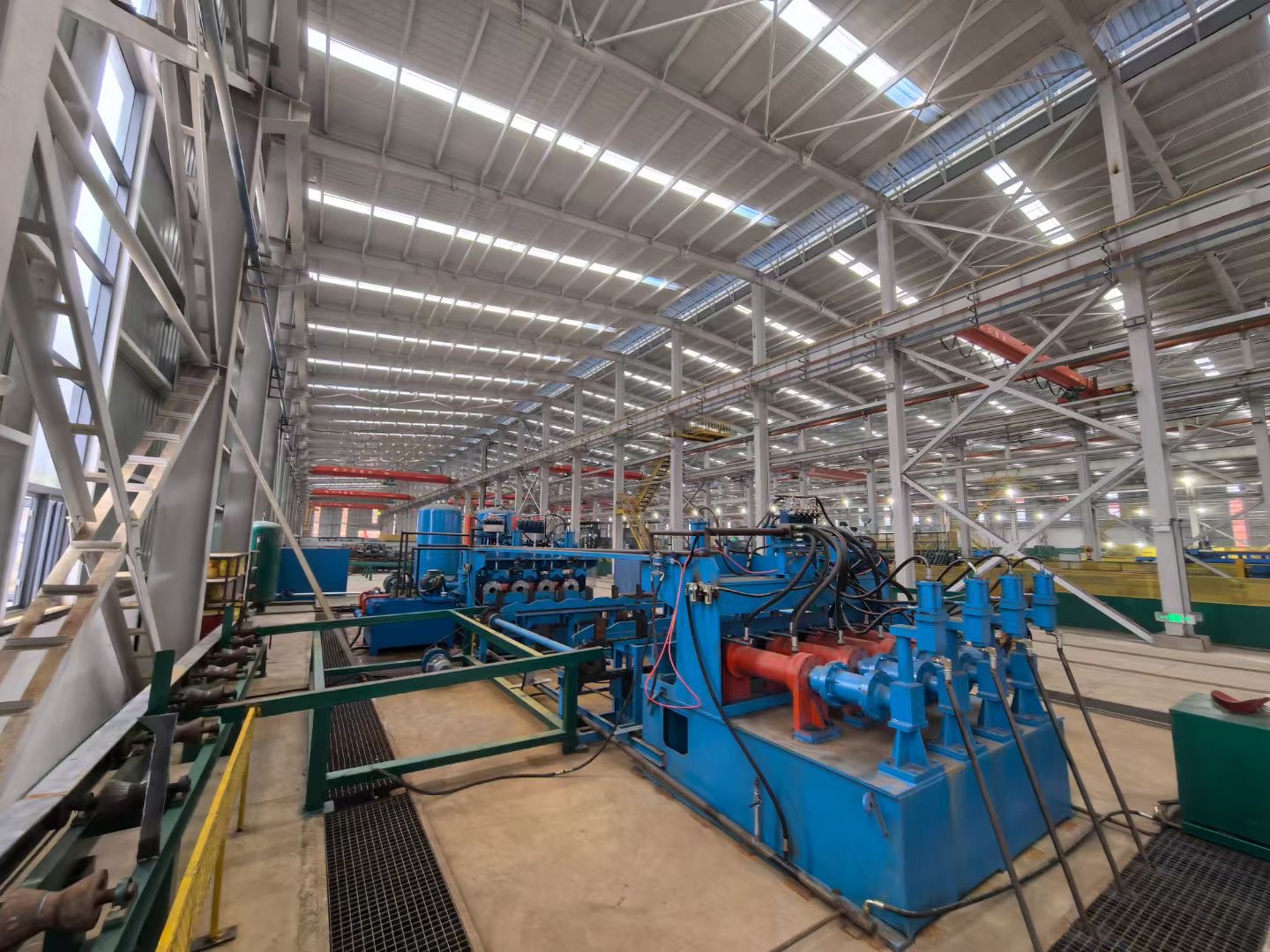
Manufacturing-stage pipe testing: At pipe mills producing casing, tubing or line pipe for oil & gas use, hydrostatic machines test each pipe or representative samples before delivery. Example: casing pipes must be hydro-tested along full length after final heat treatment, to ensure no leakage under full pressure.
-
Pre-commissioning pipeline segments: Before a pipeline is placed into service, pressure tests are conducted on sections to catch defects in welds, pipe joints or installation errors. One description highlights that hydrostatic tests simulate service conditions and detect remaining flaws.
-
Corrosion/maintenance validation: For pipelines already in service, hydrostatic testing machines or pressure testing setups help confirm structural integrity after a repair or before re-commissioning, reducing risk of failure in operation.
-
High-pressure, large-diameter pipe verification: In oil & gas, pipe diameters and wall thicknesses can be substantial. Machines designed for large size ranges and high pressures (for example up to 70 MPa or more) are needed.
Table: Applications vs Benefits
|
Application |
Benefit of Using a Hydrostatic Testing Machine |
|
Manufacturing stage (pipe mill output) |
Detects defects early, ensures each pipe meets pressure rating before shipping. |
|
Pre-commissioning of pipeline segments |
Confirms welds, joints and pipe installations hold under pressure—avoids field failure. |
|
Maintenance & re-validation |
Provides documented proof of integrity after repairs or modifications. |
|
Large diameter, high-pressure lines |
Enables testing of demanding specs typical in oil & gas transmission pipelines. |
What features matter for oil & gas pipeline use
When you’re exporting hydrostatic testing machines targeted at oil & gas pipeline applications, you’ll want to emphasise certain features that align with the use-cases above:
-
Pressure capacity well above the design operating pressure of the pipeline, to provide margin. Standards like ASME B31.3 require test pressures not less than 1.5× design pressure.
-
Ability to test large diameter pipes and long lengths. As one manufacturer note says, machines for oil & gas may support diameters up to 1420 mm and pressures up to 70 MPa.
-
Reliable data logging and traceability: The machine must record test pressure, hold time, pipe ID and produce documentation—critical for oil & gas contracts and audits.
-
Safety and robustness: Because a failure in test or subsequent field service can be catastrophic, the machine must include strong safety design, sealed fixtures, reliable instrumentation and compliance with applicable standards.
-
Workflow integration: For a pipe mill working on oil & gas orders, testing must fit into the production line without becoming a bottleneck—fast cycle, easy fixture change-over, minimal idle time.
Communicating value to your export customers
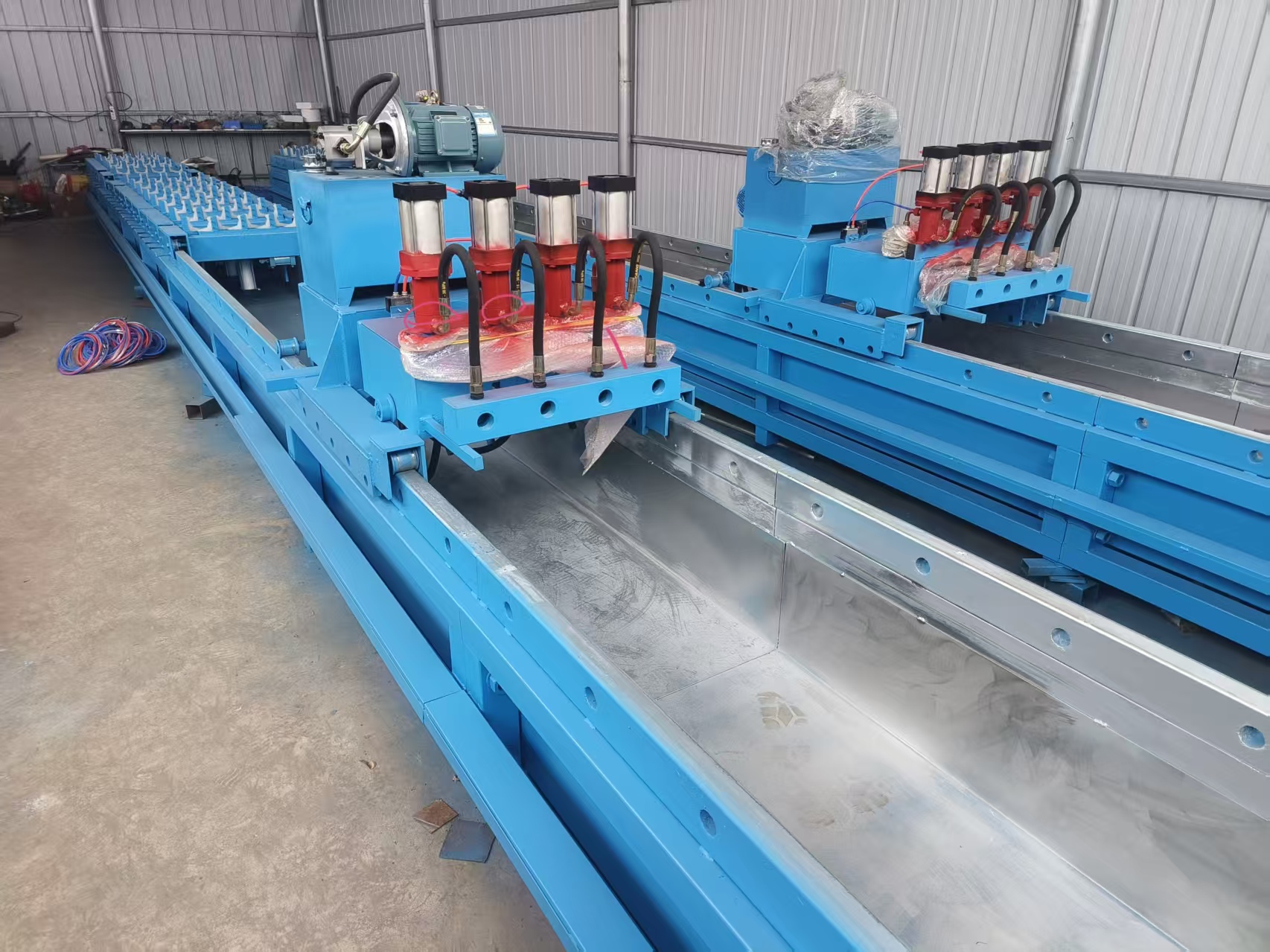
Since you’re selling these machines and optimising your website, you’ll want to frame your messaging around how your machine helps customers meet oil & gas demands:
-
Emphasise industry compliance: “Our machine lets you test to 1.5× design pressure and holds for required duration, so your pipes meet pipeline codes like API 5L.”
-
Highlight risk reduction: “By testing in-house before shipping, you reduce returns, field failures, and protect your reputation in the oil & gas market.”
-
Stress capacity and scale: “Large-diameter pipe? Thick walls? We have machines that support up to X mm OD and Y MPa pressure—ideal for pipelines destined for major projects.”
-
Showcase traceability and documentation: “Every test cycle is captured, report generated – your customer sees your QA process and gains confidence.”
-
Note export-readiness: Since you export to India, Middle East, Southeast Asia, highlight that your machines are designed for global use, remote support, adaptable voltage/standards, and capable for oil & gas demanding environments.
In the global oil & gas pipeline business, pipes aren’t just commodity—they’re critical assets. Steel pipe hydrostatic testing machines give manufacturers and pipeline operators the power to back up claims of strength, integrity and safety. As a supplier and SEO-specialist, when you connect your machine’s capabilities to the real needs of oil & gas applications—compliance, large scale, documentation, reliability—you’ll not only sell machines, you’ll sell confidence. And your website content will attract the serious buyers who search with those specific concerns.