







Hydrostatic testing is one of the most crucial processes in steel pipe manufacturing. As global standards for pipeline safety continue to rise—particularly in oil & gas, petrochemical, boiler, and structural applications—manufacturers rely on steel pipe hydro testers to verify a pipe’s pressure integrity before it leaves the factory. This article provides a clear explanation of how hydrostatic testing works, why it is essential, and how modern hydro testers improve reliability and production efficiency.
1. What Is Hydrostatic Testing?
Hydrostatic testing is a method used to evaluate the strength, tightness, and durability of steel pipes by filling them with water and pressurizing them to a specified level.
The goal is simple: ensure the pipe can safely withstand real-world internal pressure without leaking or deforming.
Compared to air pressure testing, hydrostatic testing is safer because water is nearly incompressible, minimizing the risk of explosion in case of failure.
2. Working Principle of a Steel Pipe Hydro Tester
A steel pipe hydro tester operates based on the principle of fluid pressure transmission. The steps typically include:
2.1 Pipe Positioning and Sealing
The pipe is fed into the testing station, where both ends are sealed by hydraulic sealing heads. These heads are designed to prevent leakage even under high pressure.
2.2 Filling With Water
The pipe is completely filled with clean water using a high-flow pump. Proper venting ensures that no air pockets remain inside.
2.3 Pressure Application
Once filled, a high-pressure pump increases the internal water pressure to the required test value.
This pressure is held for a certain time (typically 5–30 seconds depending on standards).
2.4 Monitoring and Evaluation
Advanced hydro testers use pressure sensors and automatic recording systems to detect:
-
Pressure drop
-
Sudden fluctuations
-
Visible deformation
-
End-seal leaks
If any abnormal behavior occurs, the system automatically stops and marks the pipe for rejection.
2.5 Pressure Release & Drying
After testing, water is released, and the pipe interior is dried quickly using compressed air or vacuum drying before moving to the next process.
3. Key Advantages of Using a Steel Pipe Hydro Tester
3.1 Ensures Compliance with International Standards
Major pipe standards require hydrostatic testing, such as:
-
API 5L (Pipeline Steel)
-
API 5CT (Casing & Tubing)
-
ASTM A53 / A106
-
EN 10208 / EN 10217 / EN 10219
3.2 Detects Internal Weak Points Early
Hydro testing exposes:
-
Weld seam weaknesses
-
Wall-thickness abnormalities
-
Material defects
-
Micro-cracks around the weld
This ensures only structurally sound pipes proceed to shipment.
3.3 Increases Market Competitiveness
Manufacturers equipped with automated hydrostatic testers offer:
-
Higher product reliability
-
Shorter delivery times
-
Lower production costs
-
Digital testing reports for customers
4. Main Application Fields
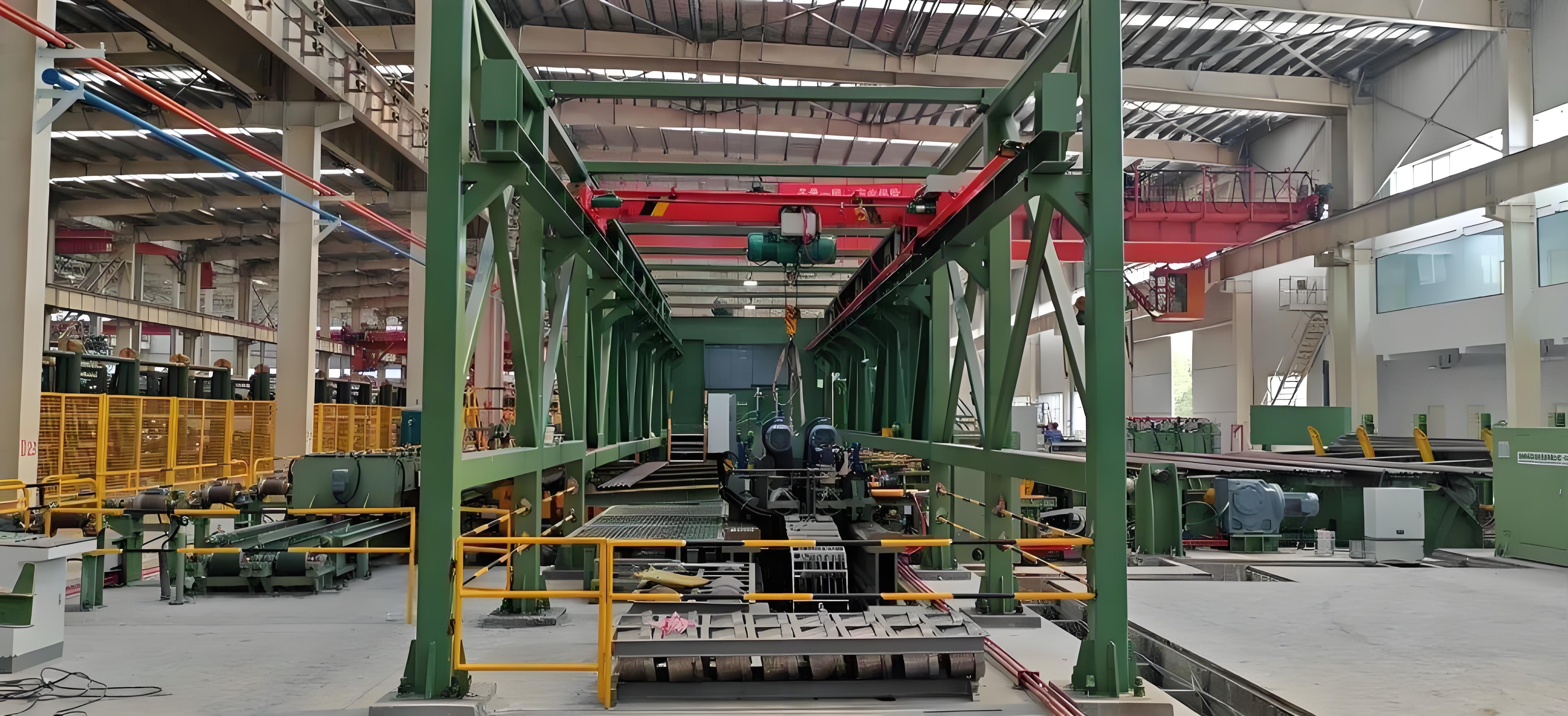
Steel pipe hydro testers are widely used in:
-
Oil and gas pipelines
-
Boiler and pressure vessel manufacturing
-
Petrochemical and refinery piping
-
Mechanical and hydraulic systems
-
High-pressure fluid transportation
-
Structural pipe for engineering projects
Any steel pipe expected to endure internal pressure must undergo hydrostatic testing.
5. Typical Hydrostatic Test Specifications
Below is a general reference table. Actual values depend on standards and pipe grades.
Hydrostatic Test Pressure Reference Table
Pipe Grade
Outer Diameter (mm)
Wall Thickness (mm)
Typical Test Pressure (MPa)
Holding Time(s)
API 5L X42
219–508
6–12
10–18
10–15
API 5L X52
273–610
8–16
12–22
10–20
ASTM A106 B
25–325
3–10
5–12
5–10
ASTM A53
21–406
2.5–10
4–10
5–15
Note: The above table is for reference; final values should follow specific project or standard requirements.
6. Types of Steel Pipe Hydro Testers
6.1 Offline Hydrostatic Tester
-
Used after pipe forming and finishing.
-
Ensures 100% inspection before shipment.
-
Ideal for ERW, SSAW, and LSAW pipe manufacturers.
6.2 Online Hydro Tester
-
Installed directly behind the welding production line.
-
Helps detect weld defects immediately.
-
Improves overall production efficiency.
6.3 Multi-Station Hydro Tester
-
Allows multiple pipes to be tested simultaneously.
-
Popular in large-volume manufacturing.
7. Automation Features in Modern Hydro Testers
Modern equipment integrates advanced control systems such as:
-
PLC + HMI interaction
-
Automatic loading/unloading
-
Real-time data acquisition
-
Cloud-based report storage
-
Pressure curve recording
-
Fault diagnosis system
These functions significantly reduce human error and ensure consistent testing quality.

8. Why Hydrostatic Testing Is Essential for Pipe Safety
A single pipeline failure can lead to:
-
Production shutdown
-
Environmental pollution
-
Oil & gas leakage
-
Expensive repair costs
-
Safety risks
Hydrostatic testing remains the most trusted and cost-effective method to guarantee pipe reliability throughout its service life.