








In today’s fast-moving manufacturing environment, quality and efficiency aren’t just buzzwords — they’re survival tools. One area where this is especially clear is in pipe inspection, where many manufacturers are choosing to upgrade to a new hydro testing machine for pipe. Doing so isn’t just about keeping up with technology; it’s about avoiding costly failures, improving throughput, and meeting ever-stricter market and regulatory demands.
1. Detect Defects Earlier and More Reliably
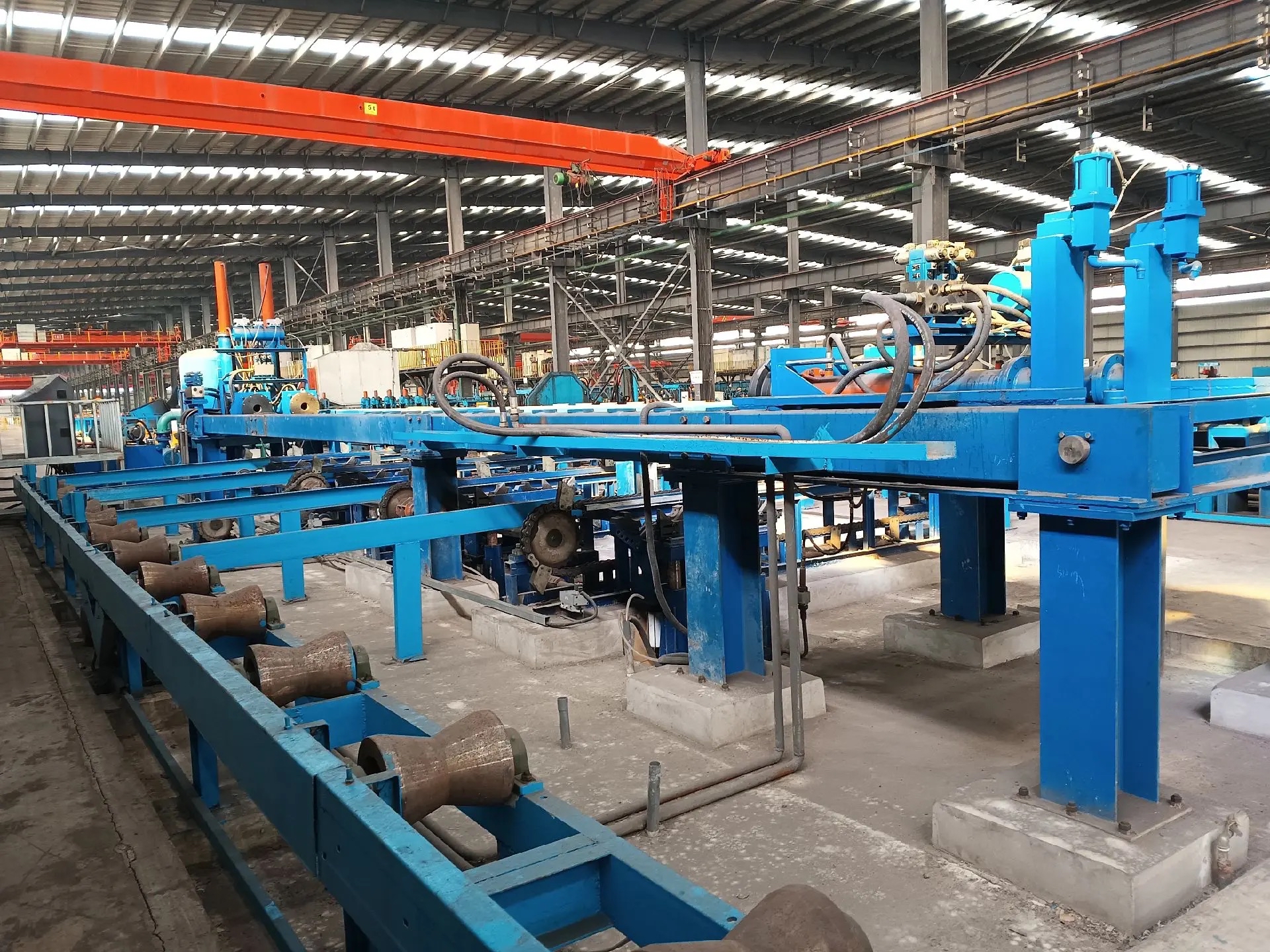
One of the biggest drivers for upgrading to a new hydro testing machine for pipe is the ability to find hidden defects early in the process. Older methods or manual tests can miss micro-cracks, weak welds, or subtle wall-thinning that only show up under true hydrostatic pressure. Newer hydro testing machines use advanced sensors and automated pressure control to catch these issues before pipes leave the factory.
Finding problems before shipment isn’t just good quality control — it saves real money by avoiding field failures, returns, and expensive rework.
2. Standardized, Repeatable Testing Across Batches
Inconsistent or manual testing introduces variability. That’s where a modern hydro testing machine for pipe really earns its keep — by enforcing consistent, repeatable test cycles.
Automated pressure ramp-up, timed holds, and digital pass/fail criteria mean every pipe is tested under the same conditions. As a result:
-
Quality teams stop chasing subjective test judgments
-
Batch-to-batch variability drops sharply
-
Audit-ready documentation becomes routine
The predictability that comes from standardized testing pays off with fewer rejects and more confident customers.
3. Save Time With Faster, Automated Cycles
Modern hydro testing machines aren’t just more accurate — they’re faster too. Upgraded systems typically include automation features such as programmable sequences, automatic pressure control, and rapid data logging. That’s a big advantage compared to manual setups that require constant operator attention for each test cycle.
In fact, some facilities report that newer machines cut inspection times by 30–50% thanks to automated cycles and parallel testing capabilities.
Faster tests mean higher throughput and lower labor costs — two metrics that make a real difference on the monthly P&L.
4. Reduce Costs From Rework and Non-Conformance
When a pipe fails in the field, the cost is much higher than a single rejected unit. It often involves:
-
On-site repairs
-
Transportation and labor expenses
-
Project delays
-
Damage to reputation
A hydro testing machine for pipe that accurately confirms structural integrity before pipes are shipped reduces these risks. Catching issues early prevents a small defect from turning into a customer complaint or a costly recall.
5. Meet Stricter Compliance and Market Expectations
Different markets and industries — from municipal infrastructure to oil & gas pipelines — have rigorous standards for pipe performance. Standards like ISO, ASTM, API, and EN require documented proof of pressure testing before pipes can be certified for use.
Upgrading to a modern hydro testing machine for pipe helps manufacturers:
-
Produce traceable test records
-
Demonstrate compliance in tendering and contracts
-
Enter regulated markets with confidence
This compliance support isn’t just about accreditation — it directly influences sales opportunities and market access.
6. Better Data Logging for Quality Analytics
The real power of today’s hydro testing machines lies in data. Modern units capture and store detailed test results — including pressure curves, hold times, and leak responses — for every pipe tested.
This digital data:
-
Improves traceability
-
Helps pinpoint recurring production issues
-
Supports trend analysis for process improvements
-
Simplifies audit responses and customer reporting
Old machines that relied on handwritten logs or spot checks just can’t compete with this level of detail and insight.
7. Increase Safety for Operators and Production
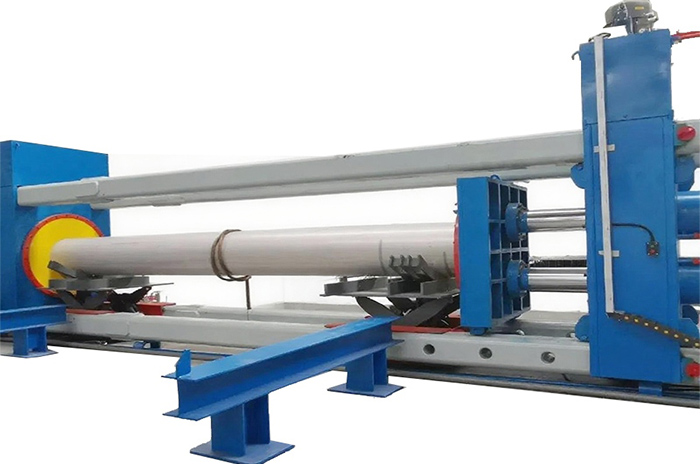
Hydrostatic testing inherently involves high pressure. Modern hydro testing machines come equipped with enhanced safety features like automated relief valves, controlled release sequences, and real-time monitoring. These features protect both operators and equipment — reducing the chances of accidents that can cause injury and unplanned downtime.
Safety improvements are not just good practice — in many markets, they are required to meet health and safety regulations.
Final Thoughts
Upgrading to a new hydro testing machine for pipe isn’t just about embracing the latest technology — it’s a strategic move that supports quality, efficiency, compliance, and cost control. Manufacturers that make this investment don’t just avoid failures; they gain competitive advantages:
✔ Faster inspection cycles and higher throughput
✔ Fewer rejects and lower rework costs
✔ Stronger compliance and audit readiness
✔ Better data for decision making
✔ Safer inspection environments
In a market where reliability counts and margins are tight, choosing the right hydrostatic testing equipment can make all the difference between a reactive quality process and a predictable, proactive one.