








If your next equipment purchase includes a hydro test hydrostatic tester, it’s tempting to focus on price and assume all testers are more or less the same. But nothing could be further from the truth.
A hydro test hydrostatic tester is critical — it determines whether your products pass safety and durability tests. Choosing the wrong one can mean inaccurate results, frequent maintenance, and downtime that costs you real money.
To make a smart, confident buying decision in 2026, here are 10 essential questions you should ask before you hit “Buy”.
1. What Testing Pressure Range Do You Really Need?
Hydrostatic testing requires the tester to create pressure safely and steadily. Before choosing a hydro test hydrostatic tester, ask:
What is my maximum working pressure requirement?
Different machines support different ranges, so picking a tester that matches your needs prevents over-spending or buying insufficient equipment.
The pressure capacity must be chosen carefully — a unit that can’t reach your required test pressure can’t do its job effectively.
2. Does the Machine Offer the Right Automation Level for Your Workflow?
Some hydro test hydrostatic tester units come with basic manual gauges, while others include:
-
Digital PLC control
-
Automated pressure ramp-up
-
Data logging functions
Automated systems improve consistency and precision, especially when testing is frequent or part of a regulated QA process. This impacts not only accuracy but operator efficiency over time.
3. How Easy Is It to Maintain and Service?
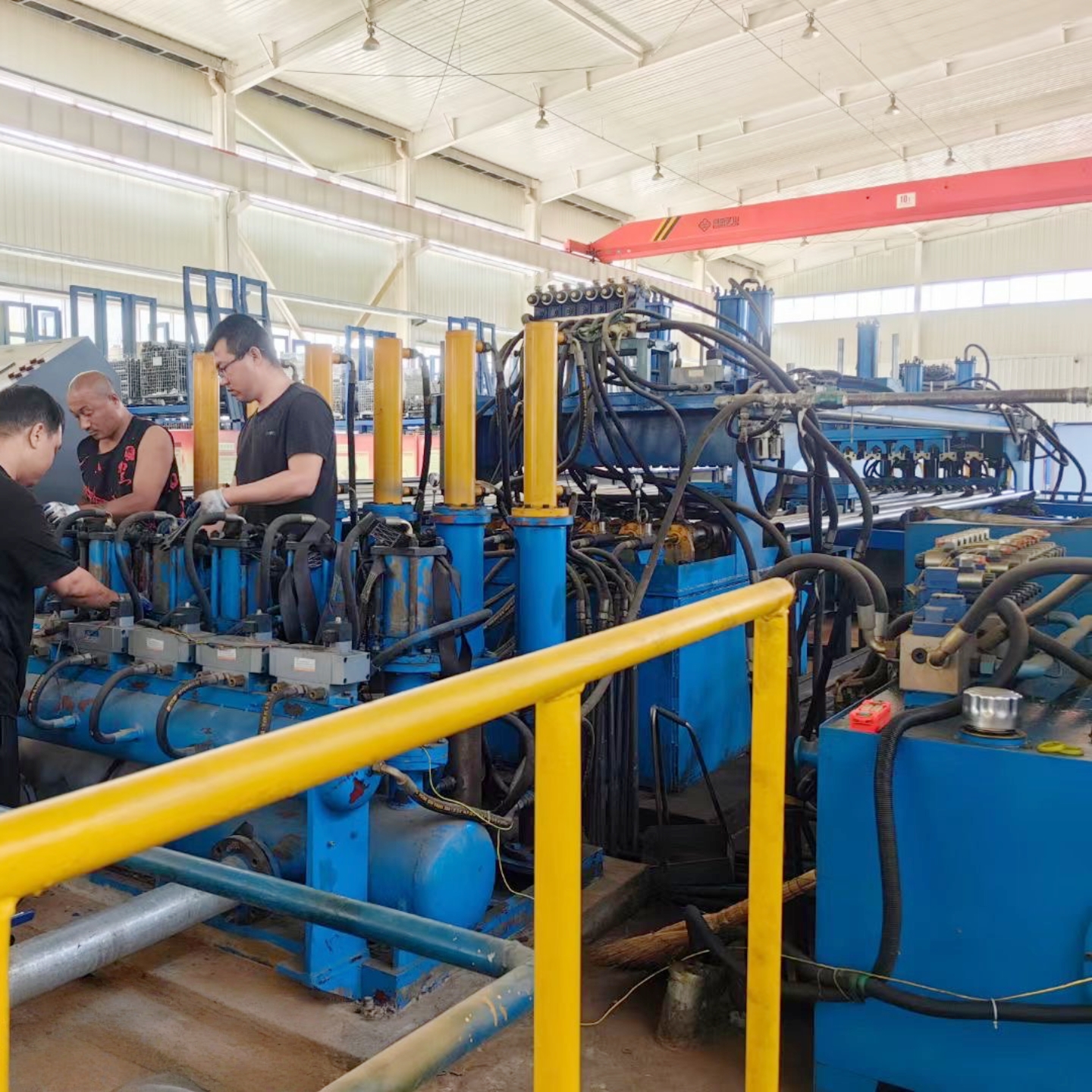
The availability of spare parts and ease of maintenance are just as important as the machine’s performance. A hydro test hydrostatic tester with easily sourced seals, valves, and hoses will reduce downtime and maintenance costs.
Before buying, ask:
✔ Are replacement parts stocked locally or by the supplier?
✔ Does the brand offer service support?
Poor support can inflate total cost of ownership significantly.
4. Does the Tester Match Your Fluid Medium and Test Volume?
Hydrostatic testers operate with liquids (typically water). Your hydro test hydrostatic tester must be compatible with:
-
The specific fluid you plan to use
-
The volume needed for your largest test items
Matching test volume ensures efficient operations — too small a volume means frequent refills and wasted time.
5. What Safety Features Are Included?
Safety isn’t optional. Ask what protections your hydro test hydrostatic tester has:
-
Pressure relief valves
-
Emergency shut-off
-
Overpressure detectors
These features protect operators and your investment. A safe design also helps you comply with workplace regulations and standards.
6. Is the Machine Easy for Your Team to Operate?
Complexity kills efficiency.
Ask whether your potential hydro test hydrostatic tester has:
-
Clear controls
-
Intuitive interfaces
-
Easy-to-read gauges or displays
Ease of use reduces operator errors, speeds up testing, and improves safety.
7. Will You Buy a Manual, Semi-Automatic, or Fully Automatic System?
This is a budget and workflow question.
| Type of System | Pros | Cons |
|---|---|---|
| Manual | Lower cost, simple | Higher labor, less consistency |
| Semi-Automatic | Balanced control | Moderate cost and training |
| Fully Automatic | High throughput | Higher upfront cost |
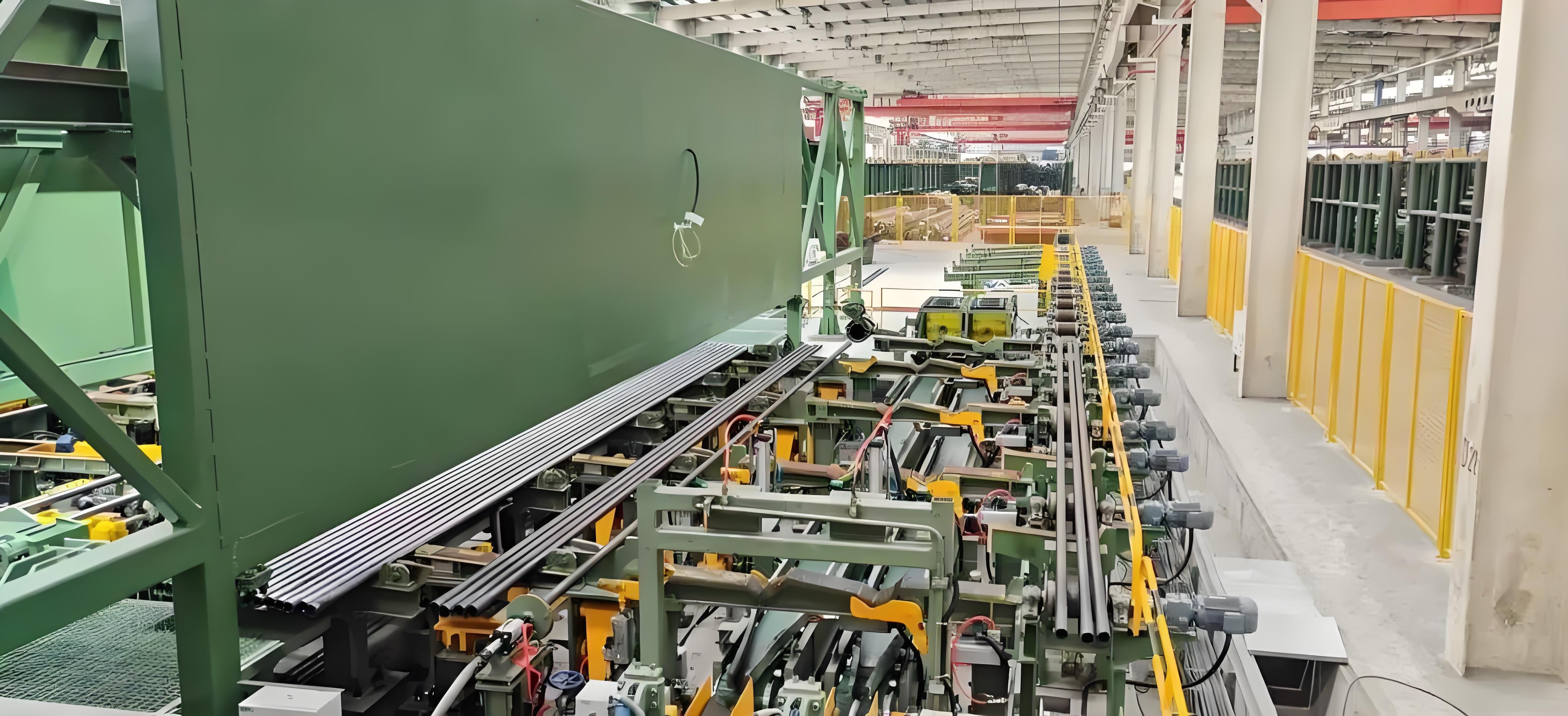
Semi or fully automatic hydro test hydrostatic tester systems save time, reduce manual errors, and are worth considering for frequent or high-volume workflows.
8. What Does the Warranty Cover — Really?
Not all warranties are the same.
Find out:
-
How long the warranty lasts
-
What parts are covered
-
Whether technical support comes with it
A good warranty indicates supplier confidence and protects you from unexpected repair costs.
9. What Is Your Total Cost of Ownership, Not Just the Purchase Price?
The price tag is only one part of buying a hydro test hydrostatic tester.
Consider:
-
Maintenance costs
-
Spare parts prices
-
Training time
-
Energy consumption
-
Downtime losses
A slightly more expensive tester up front could save you far more in long-term reliability and uptime.
Quick Comparison Table
| Question Category | What to Check |
|---|---|
| Pressure Range | Match test requirements |
| Automation | Manual vs automatic |
| Maintenance | Parts and support availability |
| Test Medium | Fluid and volume compatibility |
| Safety | Pressure relief and protections |
| Ease of Use | Interface and control simplicity |
| Data Handling | Digital logs & traceability |
| Warranty | Coverage details |
| Total Cost | Lifetime vs purchase cost |
| Operational Fit | Workflow integration |
Many buyers make the mistake of picking a hydro test hydrostatic tester based solely on price. But machines with poor automation, limited safety features, or low test volume capacity can slow down production or fail sooner — costing more in downtime and maintenance.