







If you’re dealing with unusual diameters, high-pressure applications, or specialized materials, off-the-shelf solutions just don’t cut it. That’s why more manufacturers today are turning to custom Pipe Pressure Testing Equipment built around their exact production needs.Let’s talk about what “custom” really means in this industry—and when it actually makes sense.
Why Standard Equipment Doesn’t Always Work
In theory, most Pipe Pressure Testing Equipment can handle general testing tasks. But in real production, things get complicated:
- Pipes vary in diameter, thickness, and length
- Different industries require different pressure standards
- Some materials behave differently under pressure (plastic vs steel)
For example, pipe testing systems often need to support diameters from 114 mm up to 2540 mm and pressures up to 1000 bar, depending on application
That’s a massive range—and no single “standard machine” can handle all of it efficiently.
What Does “Custom Pipe Pressure Testing Equipment” Actually Mean?
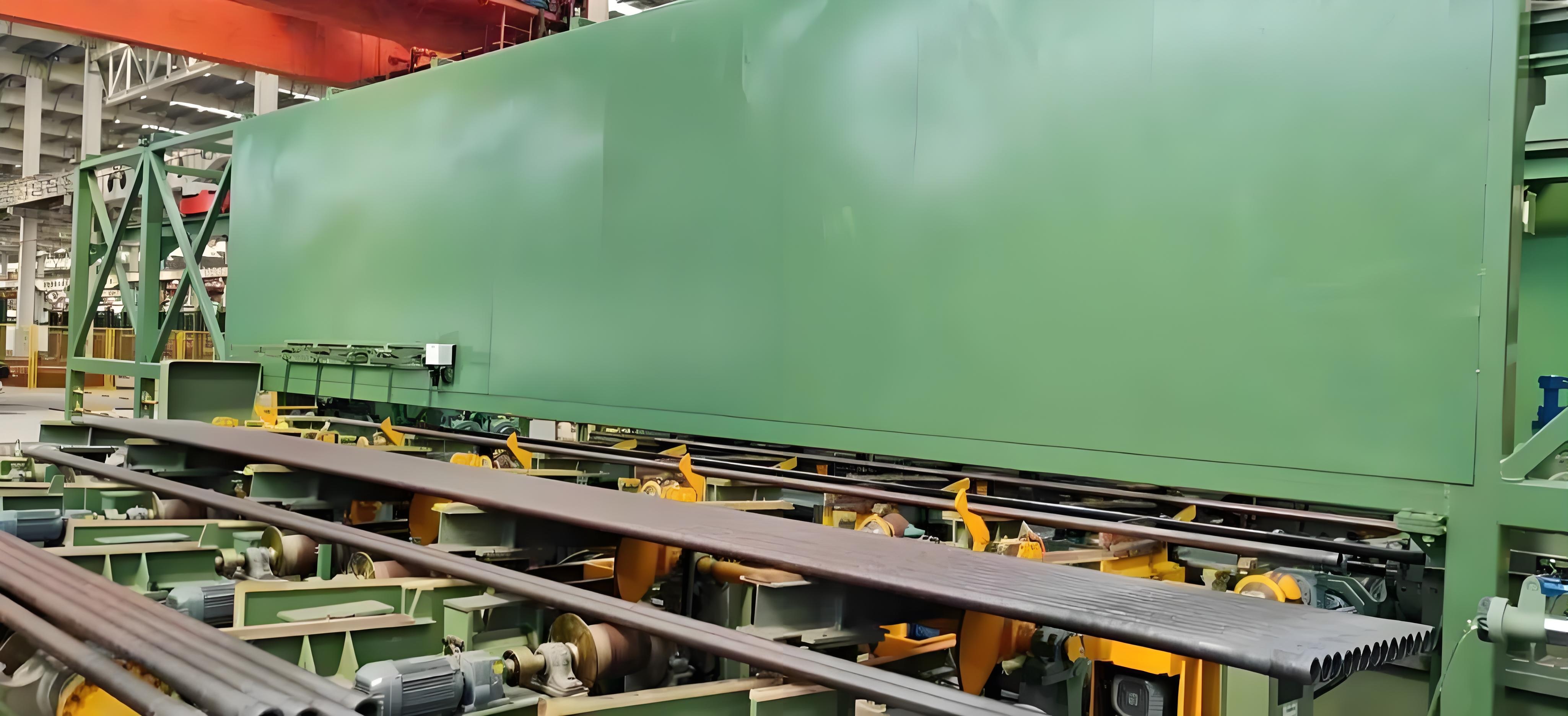
Customization doesn’t just mean “changing size.” It usually involves a full redesign of key components.
Modern suppliers offer flexible configurations such as:
- Adjustable pressure range and control systems
- Different sealing methods (end-face or radial sealing)
- Multi-station testing setups (5–50+ stations)
- Digital monitoring and data logging systems
Even basic hydrostatic testers can be configured with different gauges, pumps, valves, and safety chambers depending on the application
In short, Pipe Pressure Testing Equipment becomes a tailored production tool—not just a machine.
Common Scenarios That Require Custom Solutions
Let’s look at where customization becomes essential.
1. Large Diameter or Extra-Long Pipes
Standard machines struggle with:
- Pipes over 1000 mm diameter
- Lengths above 12–24 meters
Custom Pipe Pressure Testing Equipment can include:
- Reinforced frames
- Extended sealing systems
- High-flow water filling systems
2. High-Pressure Testing Requirements
Industries like oil & gas often require extreme pressure testing.
Custom solutions may include:
- Multi-stage pressurization systems
- High-pressure pumps
- Advanced safety protection systems
Because hydrostatic testing typically applies pressure above operating levels to ensure safety
3. Special Pipe Materials (Plastic, Composite, Alloy)
Different materials behave differently:
| Material Type | Testing Challenge | Custom Solution |
|---|---|---|
| Plastic pipes | Expansion under pressure | Precise pressure ramp control |
| Steel pipes | High pressure resistance | Reinforced clamping system |
| Composite pipes | Sensitivity to stress | Multi-stage testing |
Modern Pipe Pressure Testing Equipment can automatically adjust pressure curves based on material properties, improving accuracy and safety
4. High-Volume Production Lines
If you’re running a pipe mill, efficiency matters more than anything.
Custom features include:
- Multi-station testing (up to 100 stations in some systems)
- Automatic loading/unloading
- Integration with pipe production lines
This transforms Pipe Pressure Testing Equipment into a continuous production system.
5. Non-Standard Testing Standards
Different markets require different certifications:
- API (oil & gas)
- ASTM (US market)
- ISO standards
Custom machines can be designed to:
- Match exact testing cycles
- Generate compliant reports
- Store traceable test data
Standard vs Custom Pipe Pressure Testing Equipment
Here’s a clear, real-world comparison:
| Feature | Standard Equipment | Custom Pipe Pressure Testing Equipment |
|---|---|---|
| Pipe size range | Limited | Fully adaptable |
| Pressure range | Fixed | Adjustable / extended |
| Automation | Basic | Advanced / integrated |
| Production fit | General use | Line-specific optimization |
| Cost | Lower upfront | Higher but better ROI |
The difference isn’t just performance—it’s how well the machine fits your business.
Real Insight: When Customization Saves Money
A lot of buyers hesitate when they hear “custom,” assuming it means expensive.
But here’s what actually happens in real factories:
- Standard machine → can’t handle new orders
- Requires modification → delays + extra cost
- Production bottlenecks → lost revenue
Meanwhile, a properly designed Pipe Pressure Testing Equipment system:
- Matches production perfectly
- Reduces downtime
- Improves long-term efficiency
So yes, custom costs more upfront—but often saves significantly over time.
Key Features to Request in Custom Solutions
If you’re considering customization, don’t just say “custom machine.” Be specific.
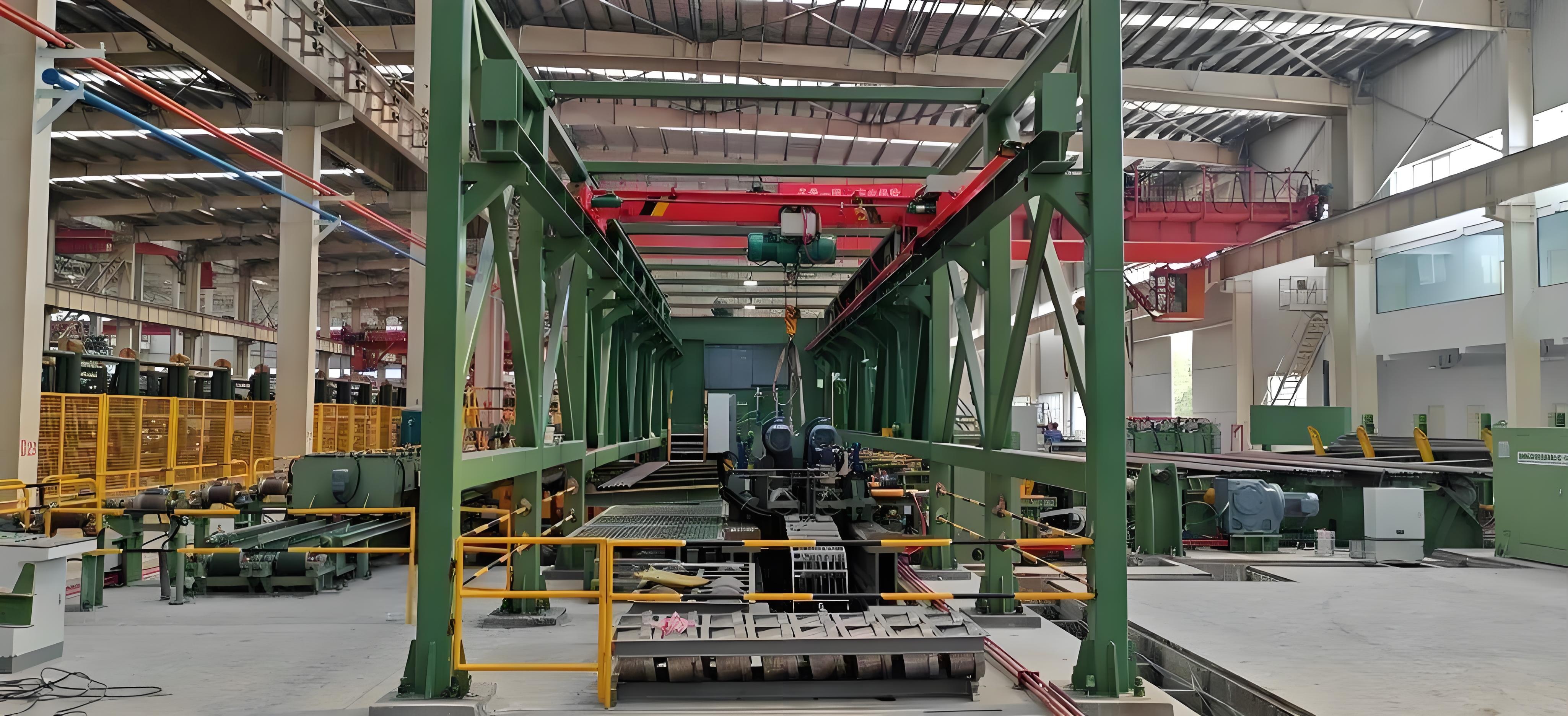
Ask for:
- Adjustable pressure range (future-proofing)
- Multi-station capability
- PLC or computer control system
- Data logging and reporting
- Easy maintenance design
Modern systems even include real-time monitoring, leak detection, and automatic re-testing features to improve reliability
At the end of the day, Pipe Pressure Testing Equipment is not just about testing—it’s about ensuring your entire production line runs smoothly.If your pipes are standard, a standard machine works.But if your requirements are even slightly complex, custom solutions quickly become the smarter choice.
+ Because the best equipment isn’t the most expensive
+ It’s the one that fits your production perfectly