








When selecting a pipe pressure testing machine, many buyers focus only on pressure or price — but in real production, pipe diameter range is one of the most critical factors.Different pipe sizes require completely different testing structures, sealing systems, and machine configurations. Choosing the wrong pipe pressure testing machine based on diameter can lead to:
- Inaccurate test results
- Frequent leakage during testing
- Reduced production efficiency
In this guide, we’ll break down how to choose the right pipe pressure testing machine based on pipe diameter range, using real factory insights and practical selection rules.
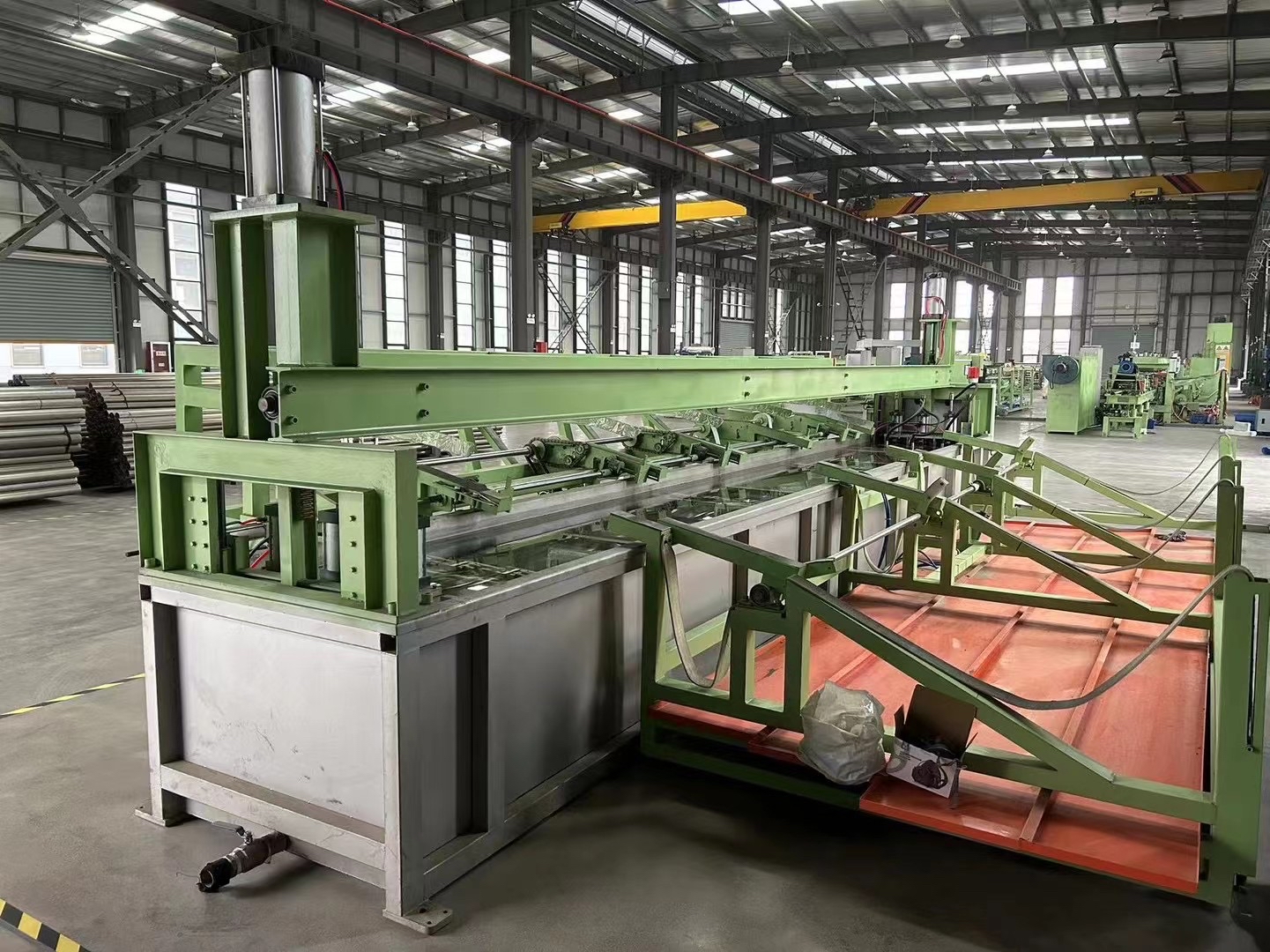
Why Pipe Diameter Matters in Machine Selection
Pipe diameter directly affects:
- Clamping system design
- Sealing method
- Pressure stability
- Machine structure size
Smaller pipes require high precision and sensitivity, while larger pipes require high force and structural strength.That’s why a single pipe pressure testing machine cannot cover all diameter ranges efficiently.
Pipe Diameter Classification
Here’s a simplified classification used in most factories:
| Pipe Diameter Range | Category | Typical Application |
|---|---|---|
| ≤ 2 inch (≤ 50mm) | Small Diameter | Precision tubes, plumbing |
| 2–12 inch (50–300mm) | Medium Diameter | Industrial pipes |
| ≥ 12 inch (≥ 300mm) | Large Diameter | Oil & gas pipelines |
Each category requires a different type of pipe pressure testing machine.
How to Choose Based on Pipe Diameter
1. Small Diameter Pipes (≤ 2 inch)
Recommended Machine Type:
- Manual or compact pipe pressure testing machine
Key Features:
- High precision pressure control
- Sensitive sealing system
- Compact design
Why:Small pipes are more sensitive to pressure variation, so the machine must ensure stable and accurate output.
2. Medium Diameter Pipes (2–12 inch)
Recommended Machine Type:
- Semi-automatic or standard pipe pressure testing machine
Key Features:
- Balanced clamping force
- Adjustable fixtures
- Moderate automation
Why:This is the most common range in manufacturing, requiring flexibility and efficiency.
3. Large Diameter Pipes (≥ 12 inch)
Recommended Machine Type:
- Fully automatic heavy-duty pipe pressure testing machine
Key Features:
- Strong hydraulic clamping system
- Reinforced frame structure
- High-pressure capability
Why:Large pipes require strong sealing and high structural strength, otherwise leakage and instability will occur.
Machine Selection Comparison Table
| Diameter Range | Machine Type | Key Requirement | Recommended Automation |
|---|---|---|---|
| Small | Compact / Manual | High precision | Manual / Semi-auto |
| Medium | Standard Machine | Flexibility | Semi-auto |
| Large | Heavy-duty Machine | High strength | Fully automatic |
Key Technical Factors to Consider
Even within the same diameter range, selection still depends on:
1️⃣ Pipe Length
Long pipes require:
- Extended testing bed
- Stronger support system
2️⃣ Wall Thickness
Thicker pipes need:
- Higher pressure capacity
- Stronger clamping
3️⃣ Production Volume
| Production Type | Suggested Machine |
|---|---|
| Small batch | Manual machine |
| Medium production | Semi-auto |
| Mass production | Fully automatic |
4️⃣ Sealing Method
Different diameters require different sealing approaches:
- Small pipes → End-face sealing
- Large pipes → Internal sealing systems
Poor sealing is one of the main causes of test failure.
Real Factory Experience
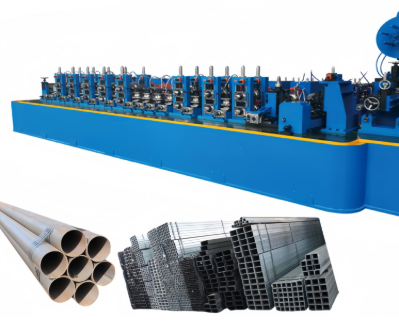
In one steel pipe factory project, a client tried to use one pipe pressure testing machine for both small and large diameter pipes.
Result:
- Frequent leakage during testing
- Low efficiency
- High maintenance cost
After switching to two dedicated machines for different diameter ranges, production efficiency improved by over 30%.
Lesson:One machine for all sizes = short-term saving, long-term loss
Common Mistakes to Avoid
- ❌ Choosing machine based only on price
- ❌ Ignoring diameter range compatibility
- ❌ Using one machine for all pipe sizes
- ❌ Not considering future expansion
How to Make the Right Choice
To choose the right pipe pressure testing machine, always:
- ✔ Define your pipe diameter range clearly
- ✔ Match machine structure with pipe size
- ✔ Consider production scale
- ✔ Choose appropriate automation level
Choosing a pipe pressure testing machine based on pipe diameter range is essential for achieving accurate testing, stable performance, and high production efficiency.Different pipe sizes require different machine designs — and understanding this difference is the key to making a smart investment.