








In the pipe manufacturing and inspection industry, testing methods have evolved significantly. Years ago, most factories relied on manual inspection, pneumatic testing, or basic visual checks. Today, more manufacturers are switching to a Pipe pressure testing machine for one simple reason: accuracy, safety, and efficiency.
But what exactly makes a Pipe pressure testing machine better than traditional testing methods?This article breaks it down in a practical, real-world way—so you can make a smarter equipment decision.
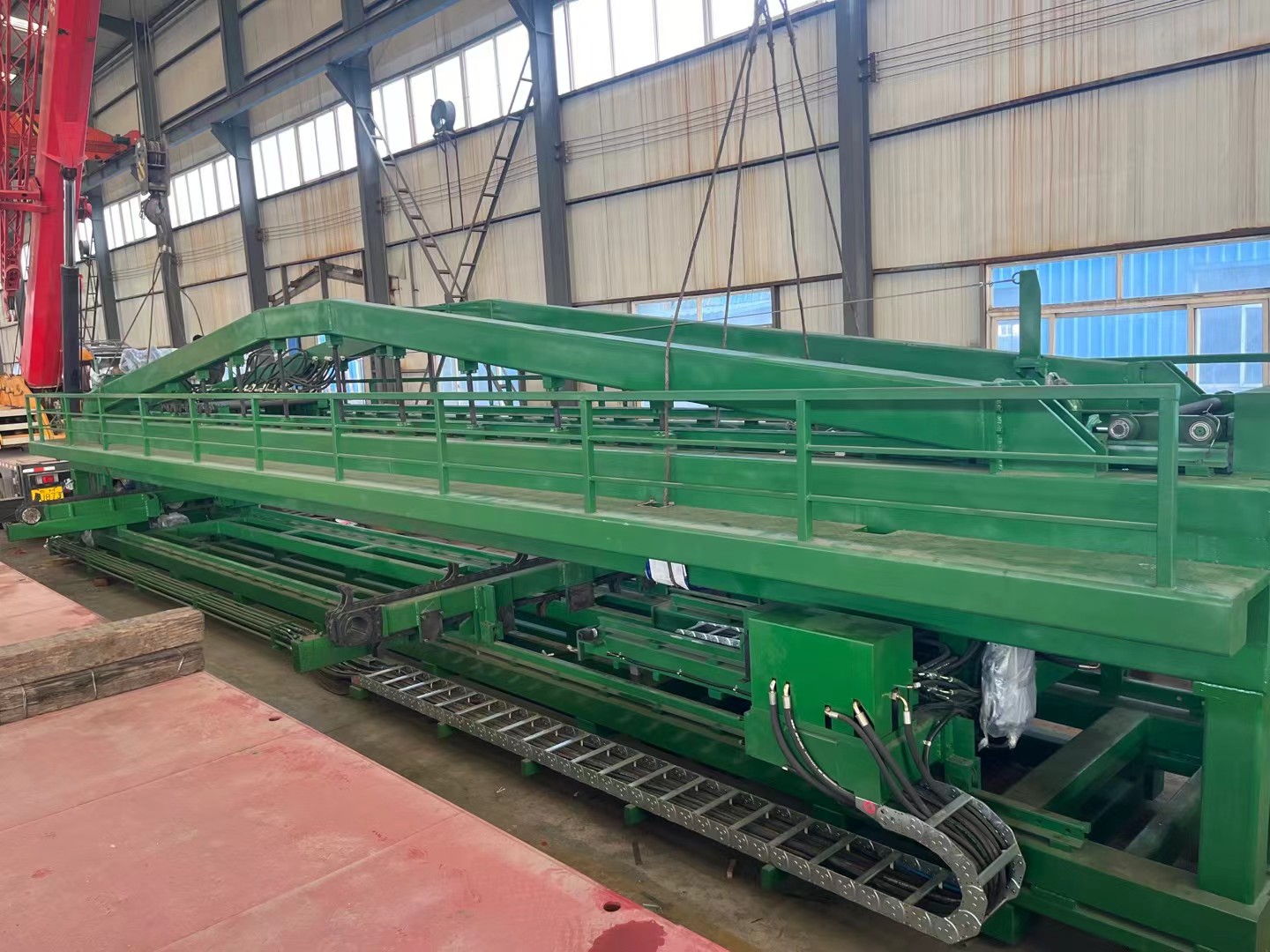
Quick Answer
- Traditional methods = low cost, but limited accuracy and higher risk
- Pipe pressure testing machine = high precision, safer, automated, and production-friendly
If you care about export quality, consistency, and long-term cost, modern testing wins.
What Are “Traditional Testing Methods”?
Before automation, pipe testing mainly relied on:
1. Visual Inspection
- Checking weld seams, surface cracks, deformation
- Fast but cannot detect internal defects
2. Pneumatic Testing (Air Testing)
- Uses compressed air or gas
- Can detect leaks
- Higher safety risk due to compressibility
3. Manual Hydro Testing
- Water pressure applied manually
- Limited control and inconsistent data
These methods are still used—but they have clear limitations in modern production environments.
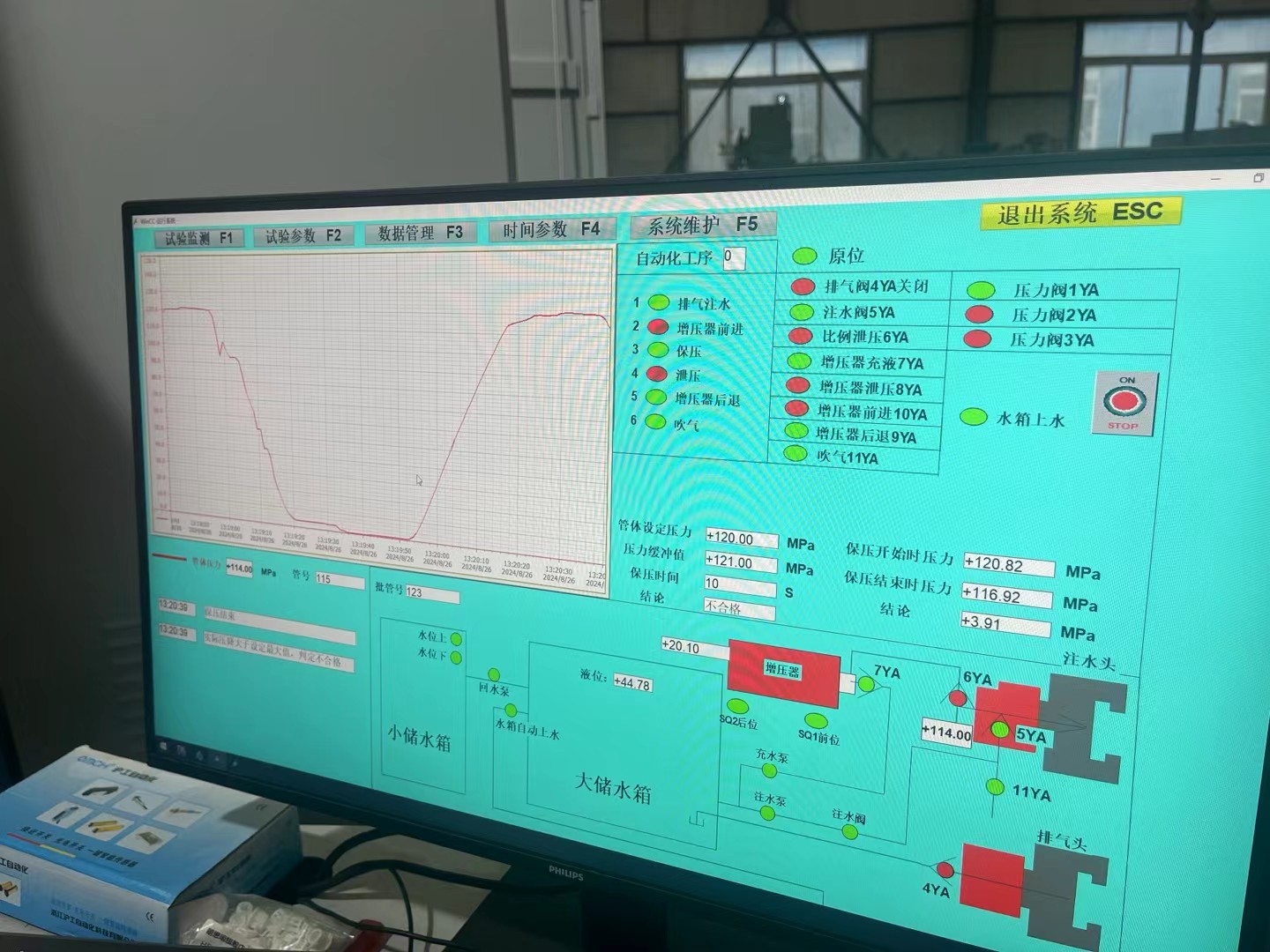
What Is a Pipe Pressure Testing Machine?
A Pipe pressure testing machine is an automated system that performs hydrostatic pressure testing using water.
It typically includes:
- automatic sealing & clamping
- controlled pressurization
- pressure holding & monitoring
- leak detection
- digital data recording
Hydrostatic testing works by filling the pipe with water and increasing pressure above working levels to verify strength and sealing integrity .
Key Advantages of Pipe Pressure Testing Machine
1. Real Pressure Simulation
Traditional inspection methods cannot truly answer:
“Will this pipe survive real working pressure?”
A Pipe pressure testing machine directly simulates real conditions by applying internal pressure—often higher than operating levels—to verify performance .
This is the closest test to real-world usage.
2. Much Higher Safety Than Air Testing
One of the biggest upgrades over traditional methods is safety.
- Water is incompressible, meaning it stores very little energy
- Gas (used in pneumatic testing) stores energy and can cause explosive failure
Hydrostatic testing significantly reduces accident risk compared to air testing .
This is why most international standards prefer hydro testing.
3. Detects Hidden Defects That Visual Inspection Misses
Visual checks only see the surface.
A Pipe pressure testing machine can reveal:
- micro cracks
- welding defects
- pinhole leaks
- weak pipe sections
These defects often only appear under pressure conditions .
4. Stable and Repeatable Results
Traditional manual testing often depends on operator experience.
A Pipe pressure testing machine provides:
- consistent pressure control
- repeatable testing cycles
- objective pass/fail criteria
This is critical for export orders and certifications.
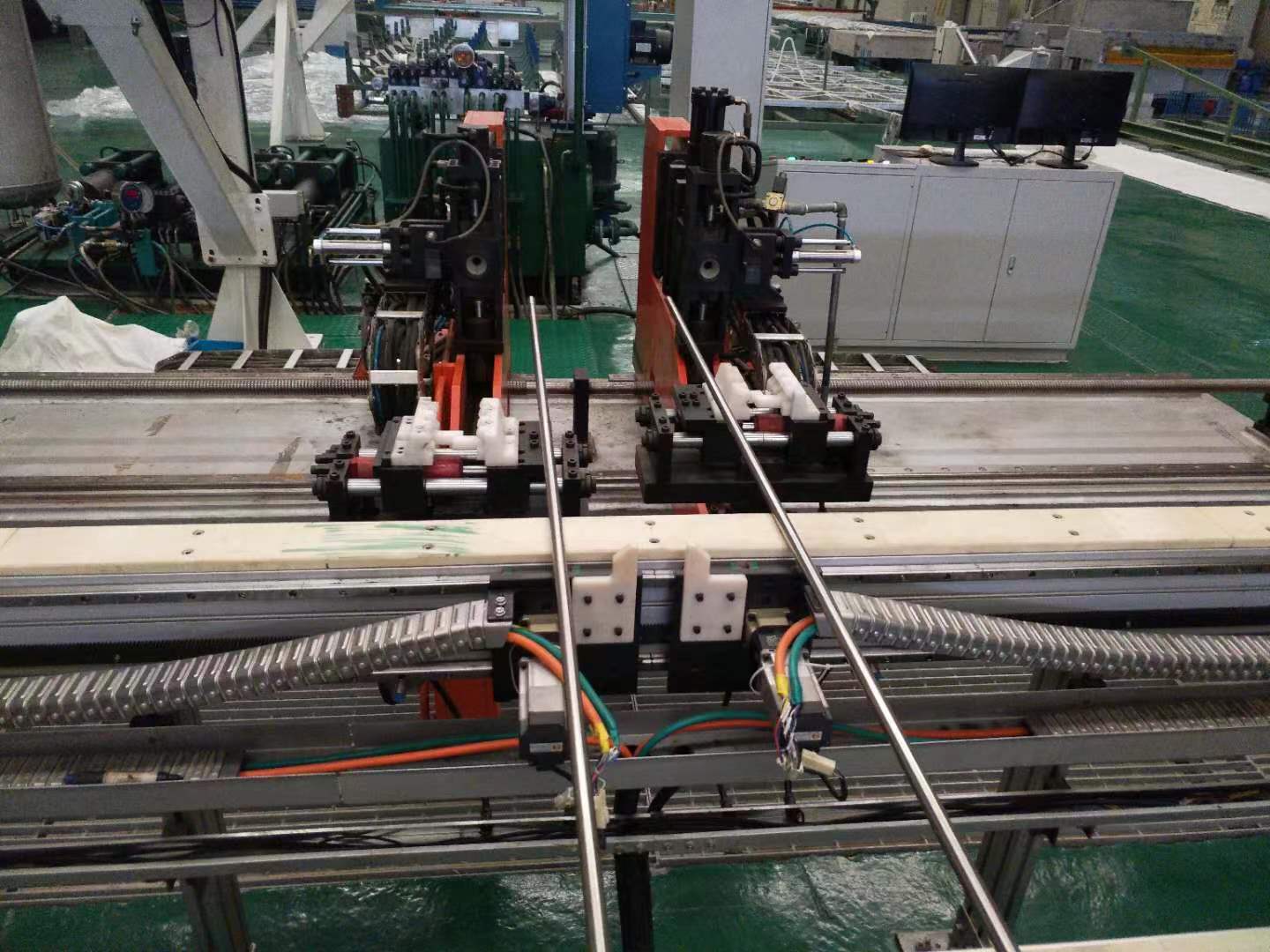
5. Automation Improves Production Efficiency
Manual testing = slow + labor-dependent
Modern Pipe pressure testing machine systems can:
- test multiple pipes continuously
- reduce labor cost
- integrate into production lines
- record data automatically
Some systems even support PLC control and digital reporting .
Side-by-Side Comparison
| Method | Pipe Pressure Testing Machine | Traditional Methods |
|---|---|---|
| Accuracy | High (real pressure simulation) | Low–medium |
| Safety | Very high (water-based) | Lower (especially air testing) |
| Efficiency | High (automated) | Low (manual) |
| Defect detection | Excellent | Limited |
| Data recording | Digital & traceable | Often manual |
| Labor dependency | Low | High |
| Suitability for export | Strong | Weak |
Real Factory Experience
From actual production environments, the difference is very clear:
Traditional Methods:
- OK for small workshops
- Low initial cost
- But unstable results
- Not suitable for large export orders
Pipe Pressure Testing Machine:
- Higher upfront investment
- But lower long-term cost
- Better quality control
- Fewer customer complaints
- Stronger competitiveness
Many factories only upgrade after experiencing quality issues or rejected shipments.
When Should You Upgrade?
You should seriously consider a Pipe pressure testing machine if:
- you export pipes internationally
- customers require test reports
- production volume is increasing
- quality complaints are rising
- you want to reduce labor dependency
Common Buyer Mistakes
Many buyers hesitate because of price—but overlook:
- cost of defective products
- risk of project failure
- reputation damage
- rework and returns
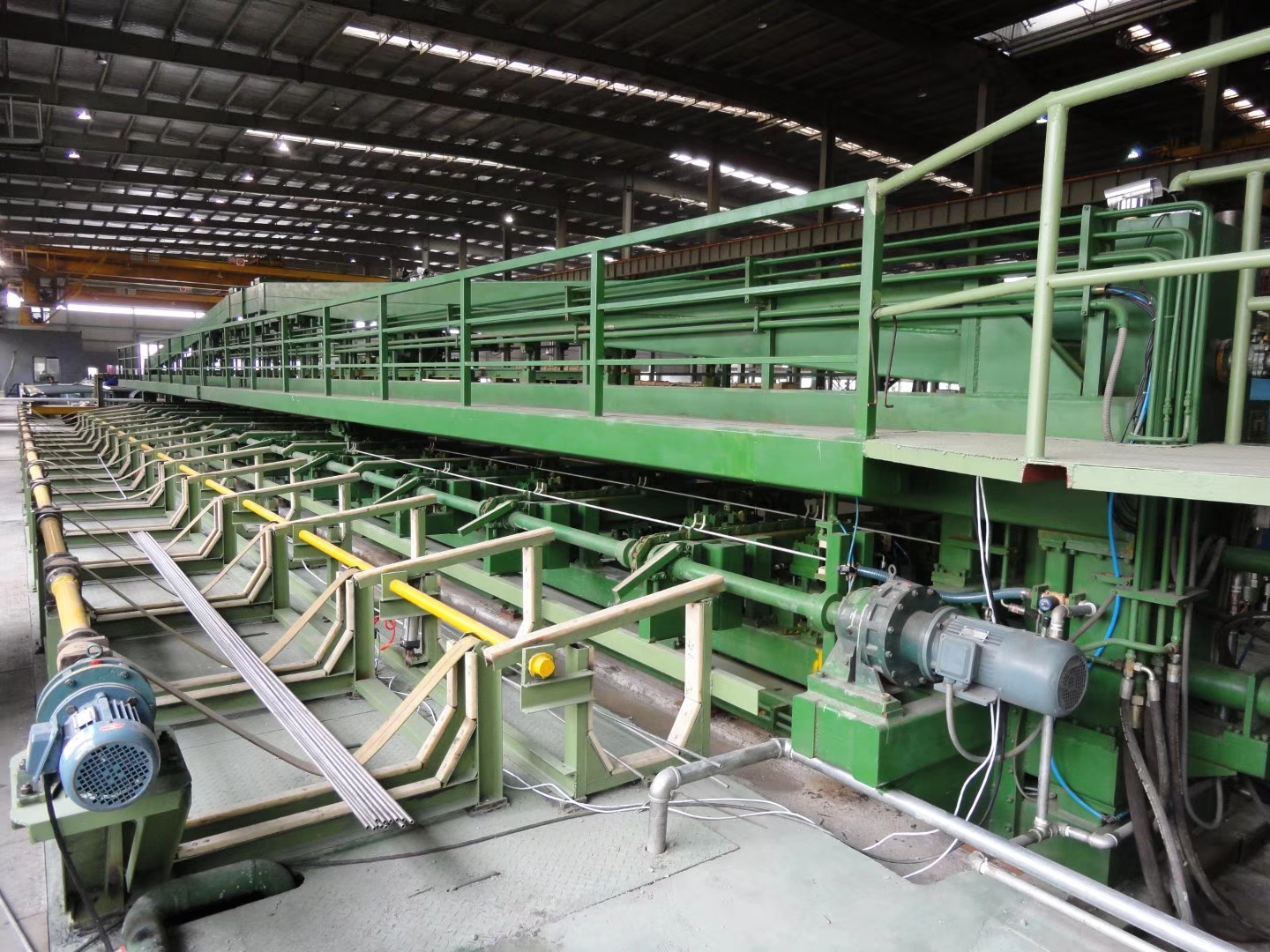
A Pipe pressure testing machine is not just equipment—it’s a quality guarantee system.
Final Conclusion
The gap between traditional testing methods and modern systems is no longer small—it’s fundamental.
A Pipe pressure testing machine offers:
- real-condition testing
- higher safety
- better defect detection
- consistent results
- scalable production
Traditional methods may still work for basic needs—but they cannot meet the demands of modern pipe manufacturing.If your goal is stable quality + long-term growth, upgrading to a Pipe pressure testing machine is no longer optional—it’s inevitable.