








In today’s competitive pipe manufacturing and oil & gas industries, speed is no longer optional — it’s a key advantage. A well-optimized Pipe pressure testing machine can significantly reduce testing time while maintaining accuracy, safety, and compliance.
But here’s the reality: many factories still lose hours every day due to inefficient testing cycles.
This article breaks down real, practical strategies to optimize cycle time — based on actual shop-floor experience — so you can test more pipes, reduce bottlenecks, and increase ROI.
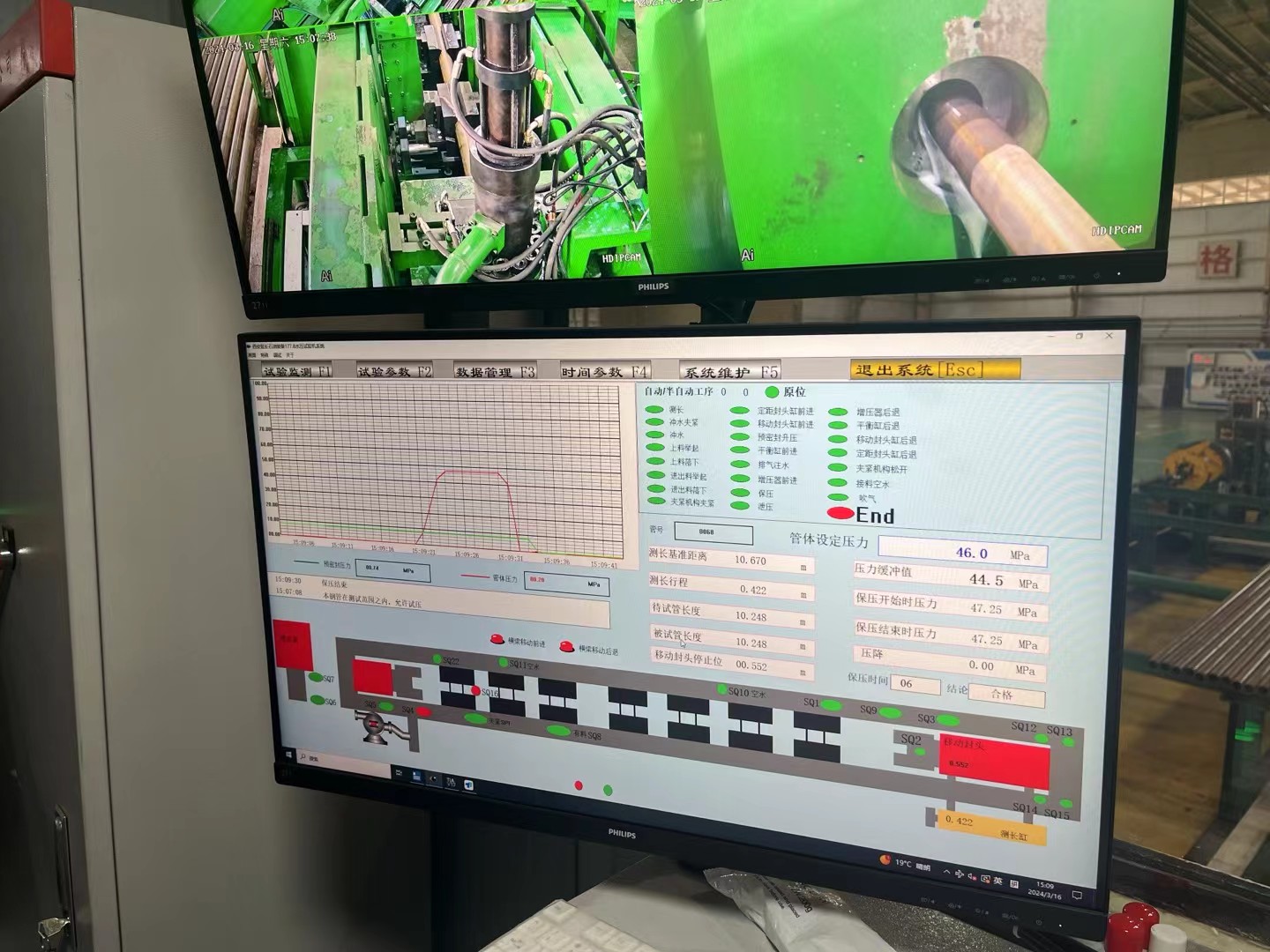
What Determines the Cycle Time of a Pipe Pressure Testing Machine?
Before optimizing, you need to understand what actually slows things down.
A standard hydrostatic test cycle includes:
- Filling the pipe with water
- Removing air (critical step)
- Pressurizing to target level
- Holding pressure (inspection phase)
- Depressurizing and draining
Each of these steps contributes to total cycle time. Depending on pipe size and pressure requirements, a single test can take 15 minutes to several hours .
Key Factors That Affect Testing Speed
- Pipe diameter and wall thickness
- Target pressure level
- Pump efficiency
- Automation level of the Pipe pressure testing machine
- Air removal efficiency
Even small inefficiencies in these steps can multiply across hundreds of pipes per day.
Why Cycle Time Optimization Matters More Than Ever
A modern Pipe pressure testing machine is not just a testing tool — it’s part of your production line efficiency.
Faster cycle times mean:
- Higher daily output
- Lower labor cost per pipe
- Reduced energy consumption
- Faster delivery to customers
And most importantly — better competitiveness in global markets.
7 Proven Ways to Optimize Pipe Pressure Testing Machine Cycle Time
1. Upgrade to High-Performance Pump Systems
Pressure build-up is one of the biggest time consumers.
Advanced systems use:
- High-flow pumps
- Pressure intensifiers
These can significantly shorten pressurization time while maintaining stability .
Real insight: Many factories underestimate how much time is lost in slow pressure ramp-up.
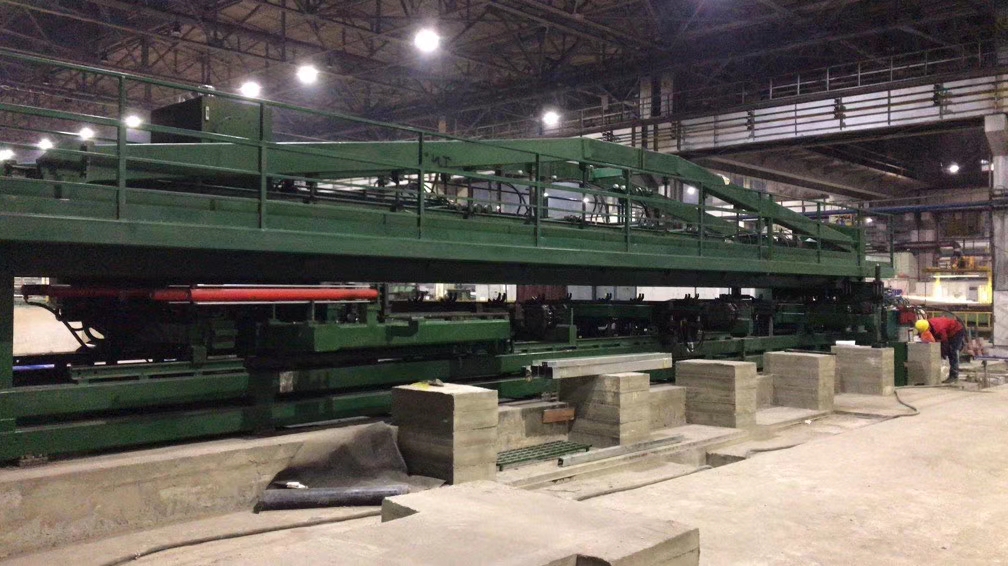
2. Optimize Air Removal
Air trapped inside the pipe leads to:
- Inaccurate readings
- Longer stabilization time
A properly designed Pipe pressure testing machine should include:
- Automatic air purging
- Vacuum-assisted filling
This ensures faster and more reliable testing cycles .
3. Reduce Filling and Draining Time
Water handling is a hidden bottleneck.
Solutions:
- Larger inlet/outlet valves
- Parallel filling systems
- Water recycling tanks
Real-world tip: Switching to high-flow valves alone can reduce cycle time by 10–20%.
4. Use Automated PLC Control Systems
Manual operations slow everything down.
Modern Pipe pressure testing machine systems use:
- PLC automation
- Pre-set testing programs
- Automatic data logging
This eliminates human delays and ensures consistent cycle times .
5. Optimize Pressure Hold Time
Many factories use overly conservative hold times.
Instead:
- Follow ISO / ASTM standards precisely
- Adjust based on pipe material and diameter
Remember: Hydrostatic testing is about detecting leaks — not wasting time .
6. Implement Multi-Station Testing
One of the fastest ways to boost productivity:Test multiple pipes simultaneously.
A multi-line Pipe pressure testing machine can:
- Run parallel tests
- Reduce idle time between cycles
This dramatically increases throughput without sacrificing accuracy.
7. Improve Pipe Handling & Clamping Speed
Mechanical delays are often ignored.
Optimize:
- Automatic loading/unloading systems
- Quick-change sealing heads
- Hydraulic clamping
These reduce non-testing time between cycles.
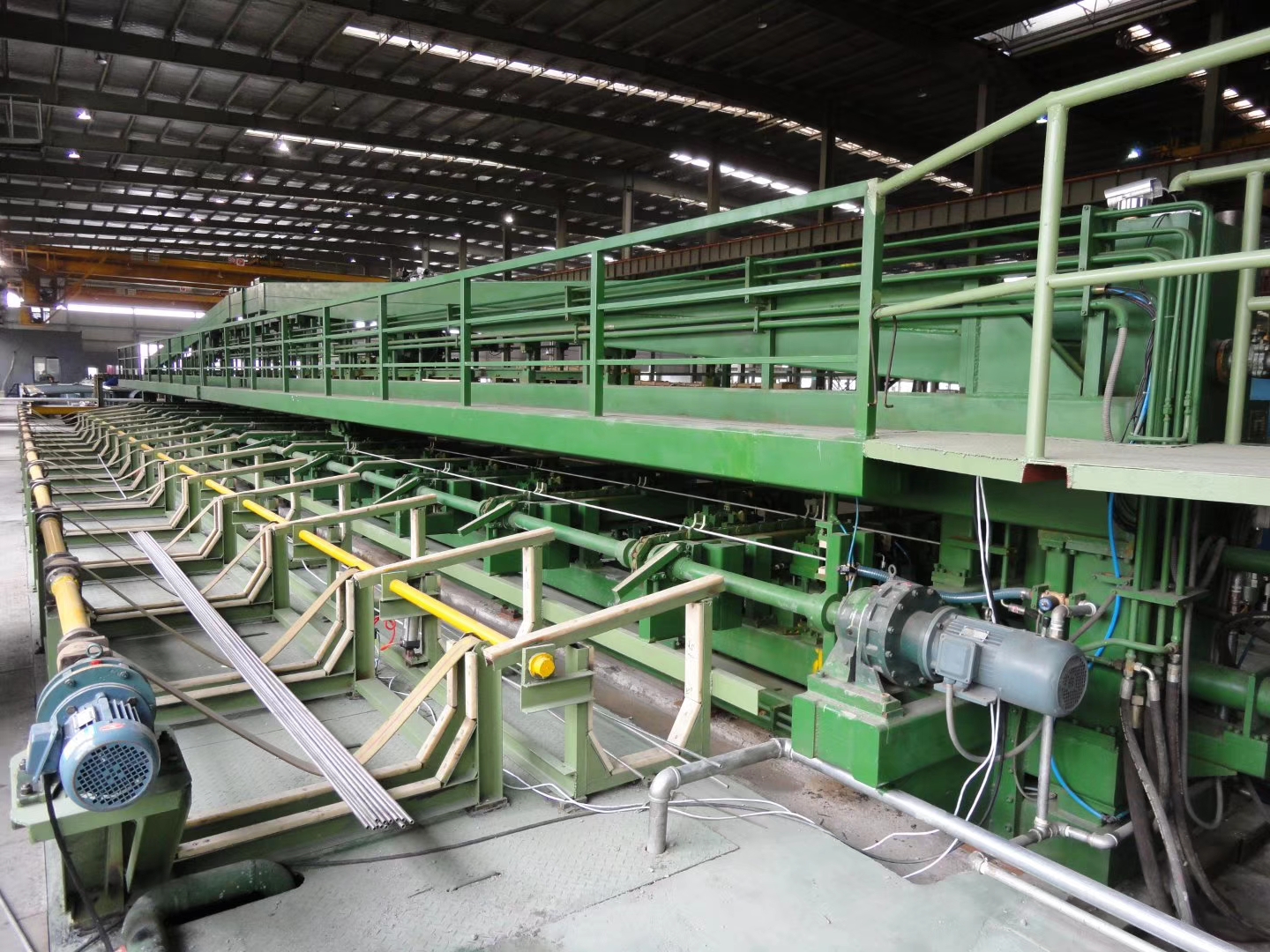
Before vs After Optimization
| Process Stage | Traditional Setup | Optimized Setup |
|---|---|---|
| Filling Time | Slow | Fast (high-flow system) |
| Air Removal | Manual | Automatic purge |
| Pressurization | Gradual | High-speed pump |
| Hold Time | Overestimated | Standard-based |
| Operation | Manual | PLC automated |
| Total Cycle Time | 60–120 min | 20–60 min |
That’s up to 50%+ efficiency improvement in many cases.
A Practical Example from the Shop Floor
One steel pipe manufacturer reduced their average test cycle from:
- 75 minutes → 38 minutes
How?
- Upgraded pump system
- Added automatic air purge
- Implemented PLC control
Result:
- +40% daily output
- Reduced labor dependency
- Faster order fulfillment
Common Mistakes to Avoid
Even advanced factories make these mistakes:
- Ignoring air removal efficiency
- Using outdated pumps
- Over-testing beyond standards
- Lack of automation
- Poor maintenance of the Pipe pressure testing machine
Fixing these alone can unlock major efficiency gains.
Final Thoughts: Speed + Accuracy = Competitive Advantage
A Pipe pressure testing machine is no longer just about compliance — it’s about productivity.
If you optimize cycle time correctly, you can:
- Increase output without new machines
- Reduce operational costs
- Deliver faster to global customers
And in today’s market — that’s what wins orders.