








The first failed hydro test of the day rarely causes panic in a pipe mill.
The second one gets attention.
By the third or fourth failed test, production managers start asking questions.
In many cases, the machine itself is not the problem.
The issue started earlier—before the first pipe was even loaded into the testing station.
After years of observing hydro testing operations in steel pipe plants, one pattern appears repeatedly: most unexpected testing interruptions can be traced back to small issues that should have been noticed during the daily inspection routine.
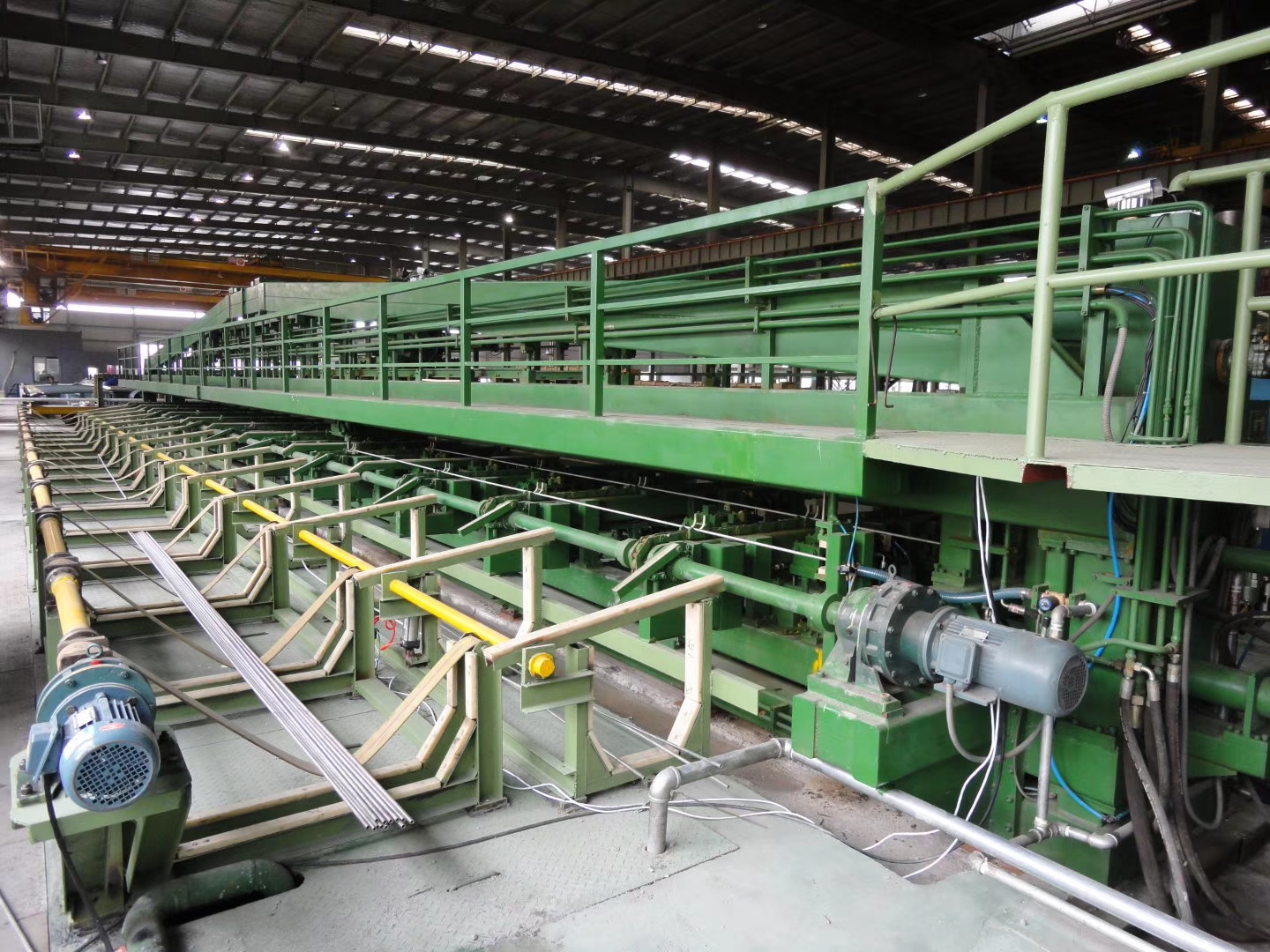
For operators running a hydro testing machine for pipe, those few minutes before production begins are often more valuable than people realize.
Most Problems Don't Start as Major Failures
When a hydro test line stops unexpectedly, people naturally focus on the obvious.
A pressure drop.
A leaking seal.
An alarm on the control screen.
But experienced operators know that major failures usually begin as minor warning signs.
A sealing ring wears slightly unevenly.
A fitting starts leaking a few drops of water.
A pressure sensor begins drifting from its normal reading.
None of these issues seem urgent on their own.
The problem is that production continues.
And small issues tend to become expensive ones.
A properly maintained hydro testing machine for pipe rarely surprises the people operating it every day.
The warning signs are usually there.
Someone simply has to notice them.
What Experienced Operators Check First
Ask five different operators where they begin their daily inspection, and you may get five different answers.
Ask a maintenance supervisor, and the answer is usually much simpler.
Start with the sealing system.
In many pipe mills, sealing components experience more wear than almost any other part of the testing cycle.
A seal that looked acceptable last week may begin showing signs of fatigue after thousands of pressure cycles.
Experienced operators often look for:
- uneven wear patterns
- small cracks or surface damage
- water marks around sealing areas
- unusual contact marks on pipe ends
These observations take less than a minute but can prevent hours of unnecessary retesting later.
Pressure Gauges Tell a Story
One production manager once described pressure gauges as "the machine's way of talking."
It sounds simple, but there is truth behind it.
Most operators focus on whether the system reaches the required pressure.
Experienced operators pay attention to how it gets there.
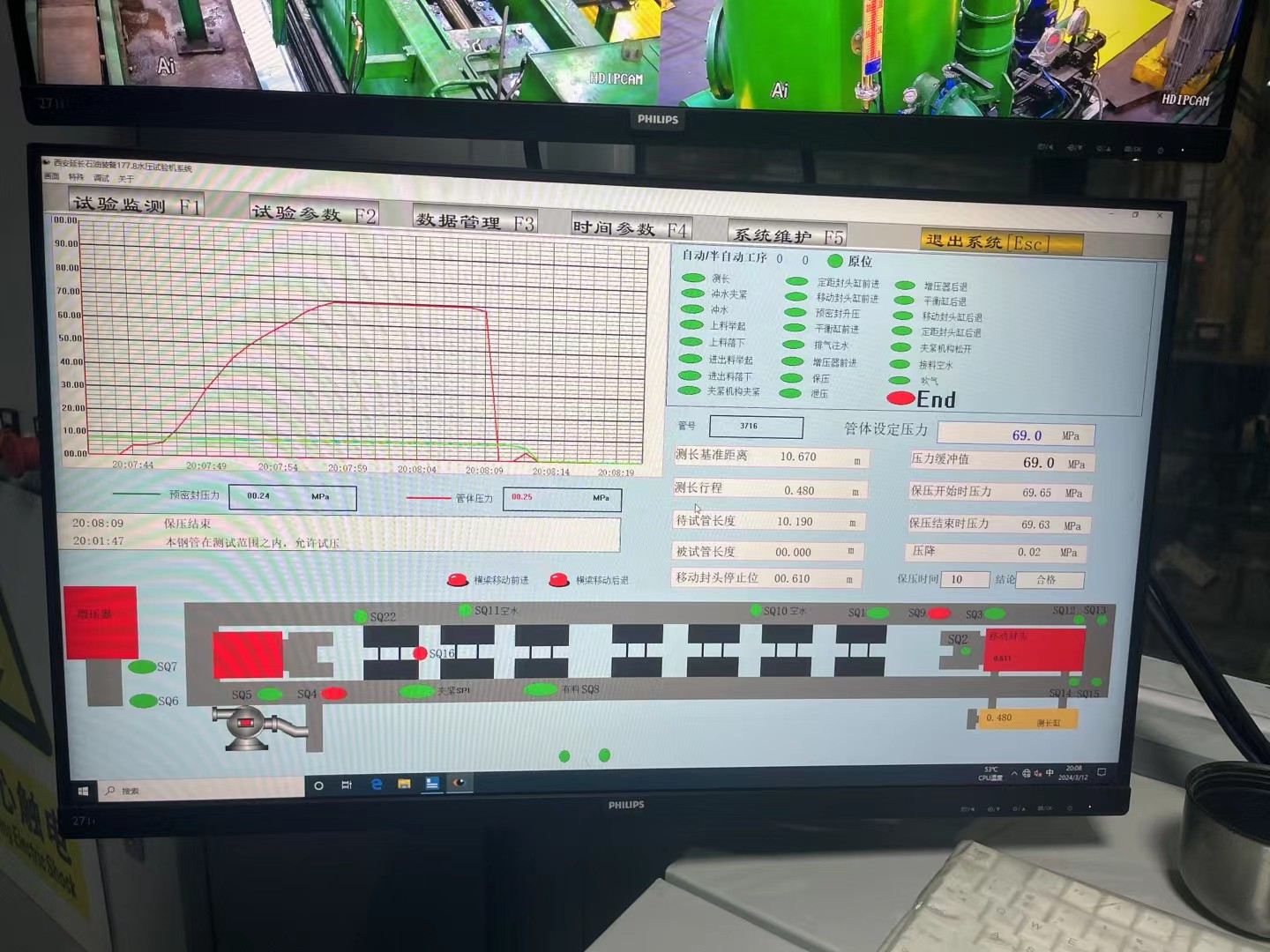
When a hydro testing machine for pipe behaves normally, pressure builds smoothly and remains stable during the holding stage.
When something changes, pressure often reveals it before alarms do.
A slight fluctuation may indicate trapped air.
An unstable hold period may suggest seal wear.
A slow pressure rise could point to hydraulic or valve issues.
The gauge is not just displaying numbers.
It is providing clues.
The Inspection Item That Gets Ignored Most Often
Interestingly, one of the most overlooked inspection points is also one of the easiest to check.
Water leakage.
Not the obvious kind.
The small leak operators walk past because it doesn't seem important.
A few drops near a fitting.
Moisture around a connection.
A damp area beneath a valve.
In one pipe plant, operators spent nearly two days investigating inconsistent test results before discovering a minor leak in a connection fitting.
The repair itself took less than ten minutes.
Finding it took much longer.
A Practical Daily Inspection Checklist
While every production line is different, most operators should review the following before starting a hydro testing machine for pipe:
|
Inspection Area |
What Operators Should Look For |
|
Sealing Heads |
Wear, cracks, alignment issues |
|
Pressure Gauges |
Stable readings and calibration status |
|
Hydraulic System |
Oil leakage or abnormal pressure behavior |
|
Water Supply Lines |
Leaks, loose fittings, flow stability |
|
Sensors & PLC System |
Alarm status and communication signals |
|
Safety Devices |
Emergency stop and protection systems |
|
Test Area |
Obstacles, standing water, safety hazards |
The Difference Between Reactive and Preventive Operation
Some factories wait for problems to appear.
Others look for them before production starts.
That difference is often reflected in productivity reports.
A reliable hydro testing machine for pipe is not only the result of good equipment design.
It is also the result of disciplined daily operation.
The best-performing test lines are rarely the ones with the most advanced technology.
They are often the ones where operators pay attention to small details every day.
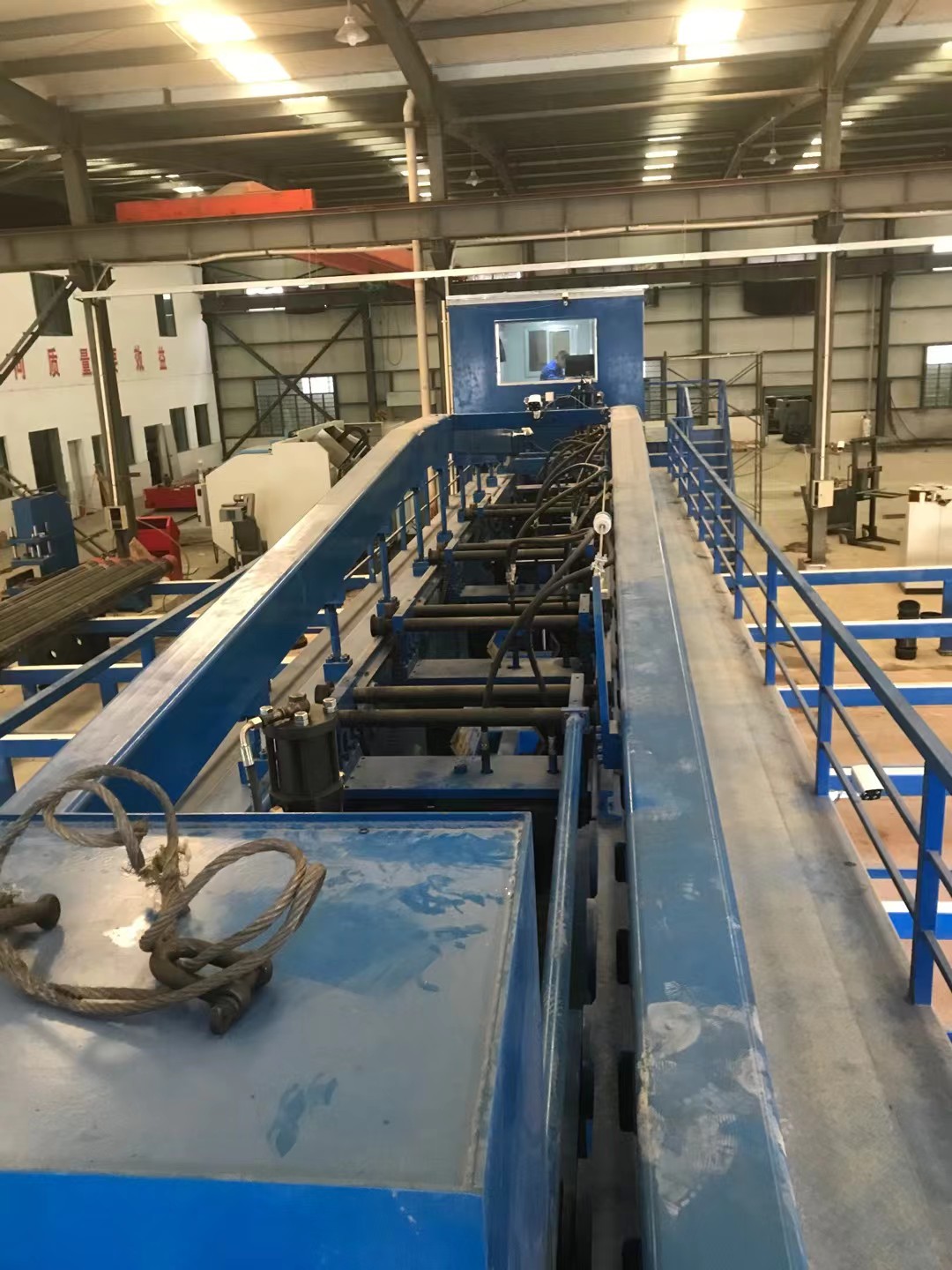
Most hydro testing issues do not begin with equipment failure.
They begin with small warning signs that are easy to overlook during a busy shift.
For operators working with a hydro testing machine for pipe, a consistent daily inspection routine remains one of the simplest and most effective ways to improve testing accuracy, reduce downtime, and maintain stable production.
In pipe manufacturing, reliability is rarely built through one big decision.
More often, it comes from hundreds of small checks performed correctly every single day.