








For manufacturers producing API 5L line pipe, hydrostatic testing is more than a final inspection—it's proof that every pipe can withstand the required pressure without leakage.
One common misconception is that meeting API 5L simply requires a hydro testing machine for pipe capable of generating high pressure.
In reality, pressure is only one part of the testing process.
A machine that reaches the target pressure but cannot hold it steadily, repeat the same testing cycle, or provide reliable test records may still create quality risks during production or customer audits.
Before selecting equipment, it's worth understanding what actually affects API 5L hydrostatic testing performance.
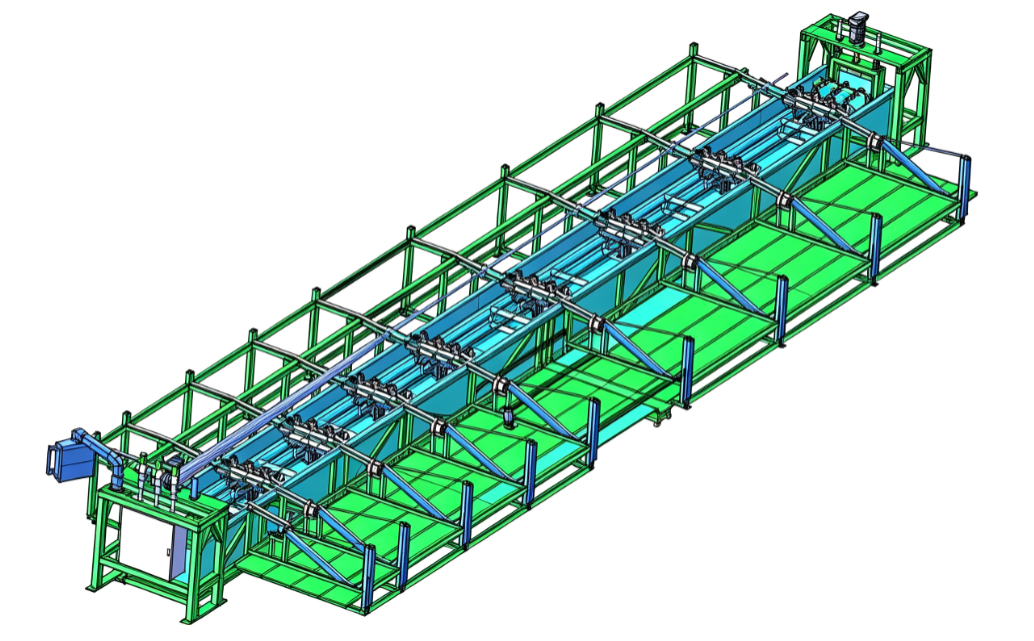
1. API 5L Requires More Than Reaching Test Pressure
Many equipment specifications emphasize maximum pressure capacity—40 MPa, 50 MPa or even higher.
However, API 5L compliance depends on whether the entire testing cycle is controlled correctly.
A successful hydrostatic test should maintain stable pressure for the required holding period while accurately monitoring pressure loss. Unstable pressure curves, premature pressure release, or inconsistent testing parameters can lead to unnecessary retesting or unreliable inspection results.
For this reason, manufacturers supplying oil and gas projects often place greater importance on testing consistency than on maximum pressure capability alone.
2. Pressure Stability Directly Affects Inspection Reliability
During hydrostatic testing, pressure should increase smoothly, remain stable throughout the holding stage, and release in a controlled manner.
If pressure fluctuates continuously, operators may find it difficult to determine whether the variation comes from the pipe, the sealing system, or the testing equipment itself.
Stable pressure control offers several advantages:
- Improves repeatability between production batches
- Reduces false leakage alarms
- Helps identify actual pipe defects more accurately
- Builds confidence in final inspection results
For manufacturers producing API 5L pipes in large quantities, consistent pressure control is often one of the most valuable characteristics of a pipe hydro testing machine.
Table 1. Key Testing Factors for API 5L Hydrostatic Testing
|
Testing Factor |
Why It Matters |
|
Stable test pressure |
Ensures reliable and repeatable inspection results |
|
Adjustable holding time |
Allows small leaks to become detectable before pressure release |
|
Consistent testing cycles |
Reduces variation between production batches |
|
Reliable sealing performance |
Prevents false leakage caused by equipment rather than the pipe |
|
Pressure monitoring accuracy |
Improves confidence in pass/fail decisions |
3. Test Records Are Just as Important as Test Pressure
For many API 5L projects, completing the hydrostatic test is only part of the requirement. Customers may also request documented evidence showing that every pipe was tested under the specified conditions.
This is where the capabilities of a hydro testing machine for pipe become especially important.
A modern testing system should automatically record key information such as:
- Test pressure
- Pressure holding time
- Test date and time
- Pipe identification or batch number
- Pass/Fail result
These records simplify quality audits, improve product traceability, and reduce the time required to investigate customer claims.
For manufacturers supplying pipeline, oil & gas, or EPC projects, automated test records are no longer a convenience—they have become part of an effective quality management process.
4. Choose a Machine That Matches Your Production Process
No two pipe mills operate in exactly the same way.
Some factories produce long runs of a single API 5L specification, while others switch frequently between different diameters, wall thicknesses, or pressure grades.
Instead of comparing only technical specifications, evaluate how well the machine fits your daily production.
Consider questions such as:
- Can operators quickly switch between different pipe specifications?
- Are testing parameters easy to save and recall?
- Is pressure holding time adjustable for different products?
- Can inspection reports be exported when customers request them?
- Are routine maintenance items easy to replace?
A machine that supports efficient production often delivers greater long-term value than one that simply offers a higher maximum pressure rating.
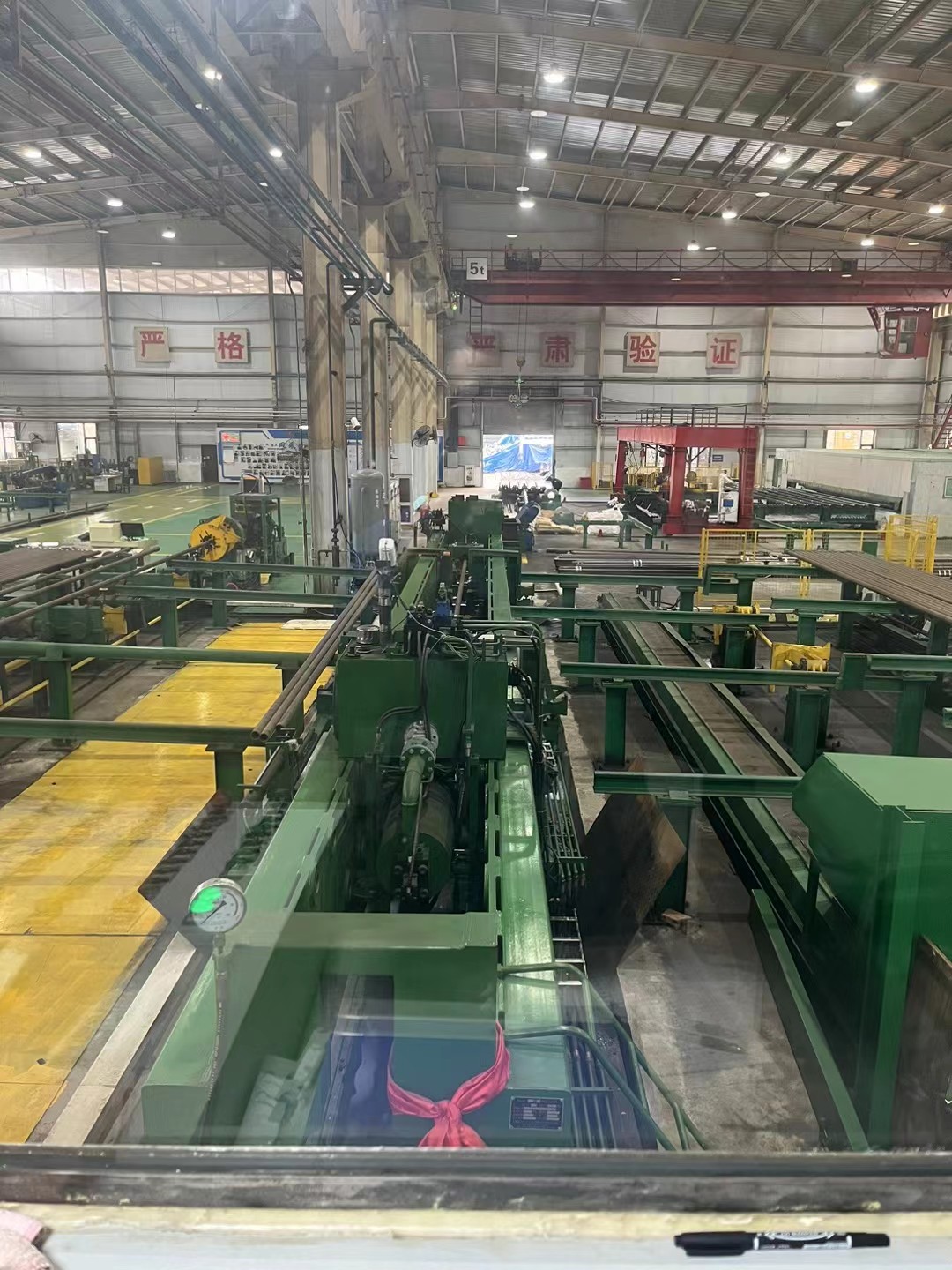
Table 2. What Buyers Should Verify Before Selecting a Hydro Testing Machine
|
Evaluation Item |
Why It Matters for API 5L Production |
|
Pressure stability |
Produces consistent and repeatable test results |
|
Adjustable test programs |
Supports different pipe sizes and pressure requirements |
|
Automatic test data recording |
Improves traceability and simplifies quality audits |
|
Fast specification changeover |
Reduces downtime between production orders |
|
Easy maintenance |
Minimizes unexpected production interruptions |
|
Calibration verification |
Helps maintain long-term testing accuracy |
When evaluating suppliers, ask for a complete demonstration rather than reviewing specifications alone.Watch how the machine performs an entire testing cycle—from loading the pipe and building pressure to holding, recording results, and unloading.
Selecting a hydro testing machine for pipe for API 5L production is not simply about achieving a certain pressure level.
Reliable inspection depends on stable pressure control, consistent testing cycles, accurate data recording, and equipment that can adapt to everyday production requirements.
Manufacturers that focus on these factors are better positioned to improve inspection consistency, simplify quality audits, and meet customer expectations for traceability.
When choosing your next hydrostatic testing system, look beyond the maximum pressure specification. The machine that delivers repeatable, well-documented results is the one that creates the greatest value over its service life.