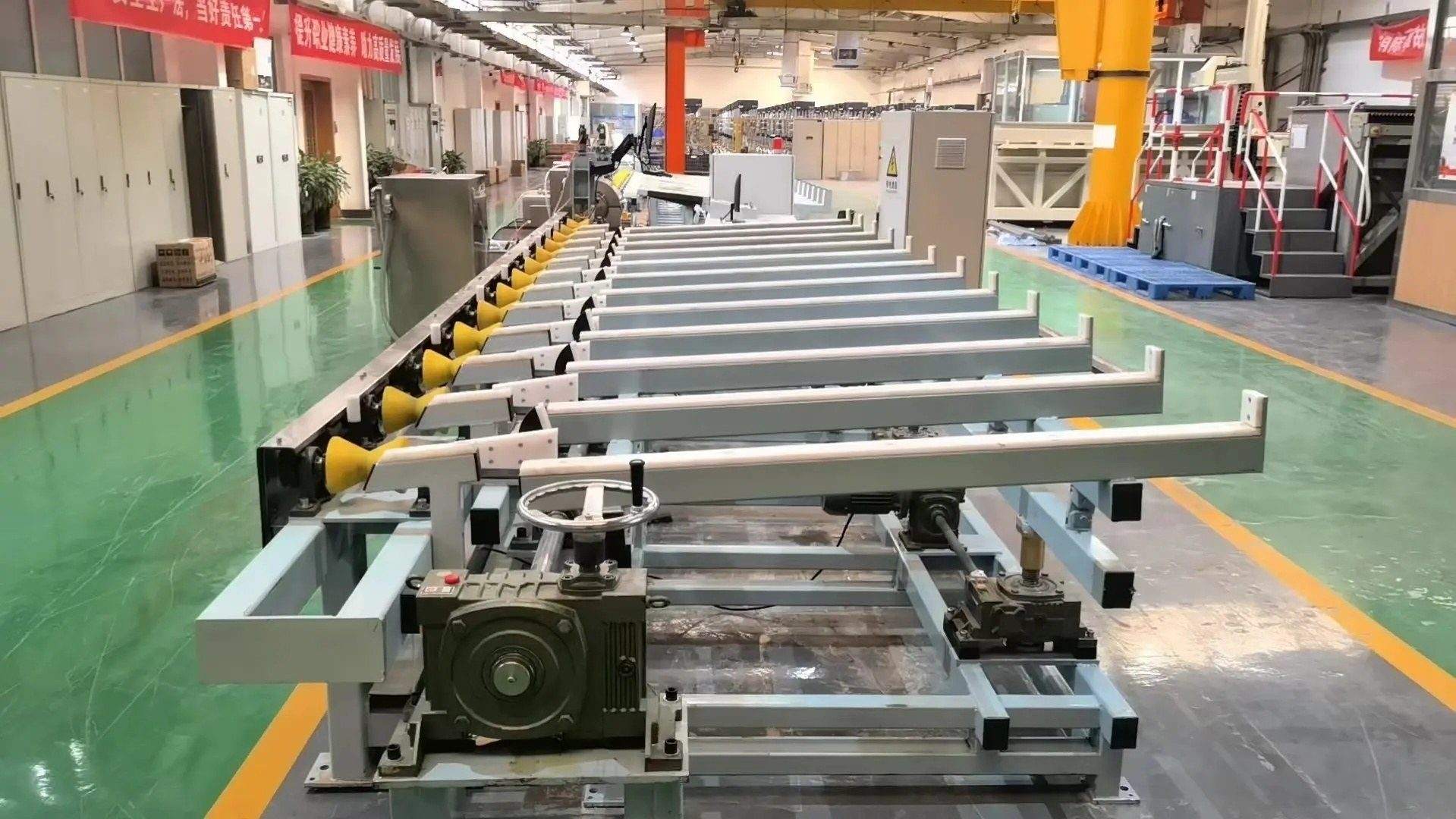


Yes. An automated ultrasonic testing line can automatically separate steel pipes according to their inspection results. To do this reliably, the ultrasonic testing system must communicate with the pipe-tracking and material-handling systems.
The process involves three operations: detecting and evaluating ultrasonic indications, identifying the corresponding pipe, and directing it to the correct outfeed area. If any of these operations is out of synchronization, a pipe may be incorrectly sorted even when the ultrasonic inspection itself is accurate.
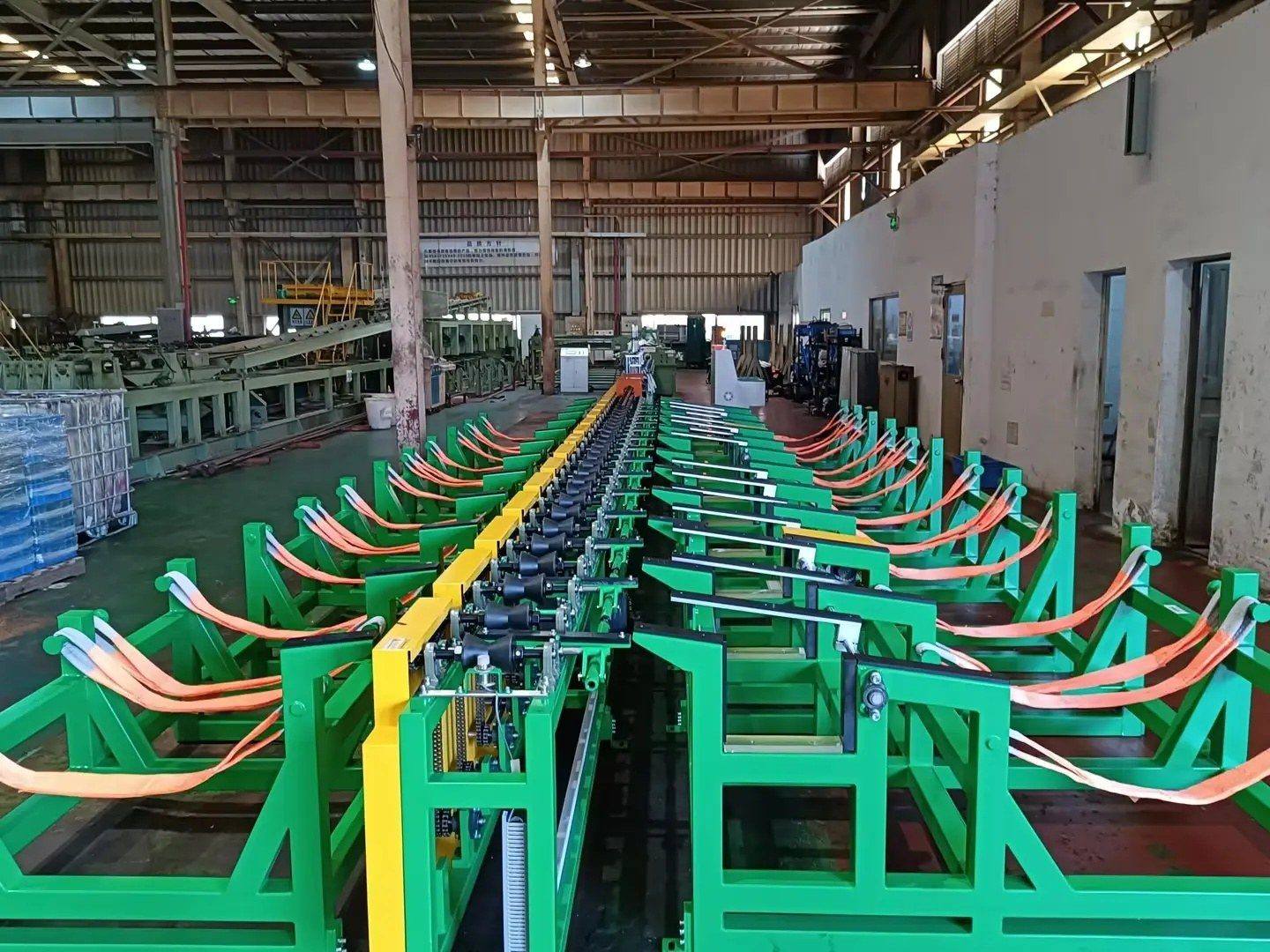
1. How Automatic Pipe Sorting Works
During inspection, ultrasonic probes send sound waves into the steel pipe and receive reflected signals from the pipe wall. The inspection system evaluates these signals against predefined calibration and acceptance criteria.
Once the inspection is completed, the result is linked to the corresponding pipe and transferred to the sorting control system.
The process follows this sequence:
Pipe feeding → Ultrasonic scanning → Signal evaluation → Result classification → Position tracking → Automatic sorting
The system can classify pipes into different categories:
| Inspection result | Meaning | Sorting action |
|---|---|---|
| Accepted | No indication exceeds the applicable acceptance criteria | Transfer to accepted-product area |
| Hold for review | An indication requires further evaluation | Transfer to inspection area |
| Rejected | The inspection result does not meet acceptance criteria | Transfer to reject area |
An ultrasonic indication does not automatically mean that a pipe must be rejected. The signal must be evaluated according to the applicable inspection procedure and product acceptance requirements.
2. How Does the Machine Identify the Correct Pipe?
This is one of the most important parts of automatic sorting.
After inspection, the pipe continues moving along the conveyor. The control system must remember its inspection result and activate the sorting mechanism when that specific pipe reaches the outfeed position.
Several components work together:
-
Position sensors: Detect when a pipe enters or leaves a designated position.
-
Encoders: Measure pipe movement and help track its location.
-
PLC control system: Links inspection results with pipe movement and controls sorting actions.
-
Sorting actuators: Move the pipe to the assigned conveyor or storage area.
For example, if the ultrasonic system identifies an unacceptable indication, the PLC stores the result and tracks the corresponding pipe. When the pipe reaches the sorting station, the transfer mechanism directs it to the reject area.
Encoder slippage, incorrect pipe spacing or delayed actuator response can cause sorting errors. Therefore, the complete tracking sequence must be tested during equipment commissioning.
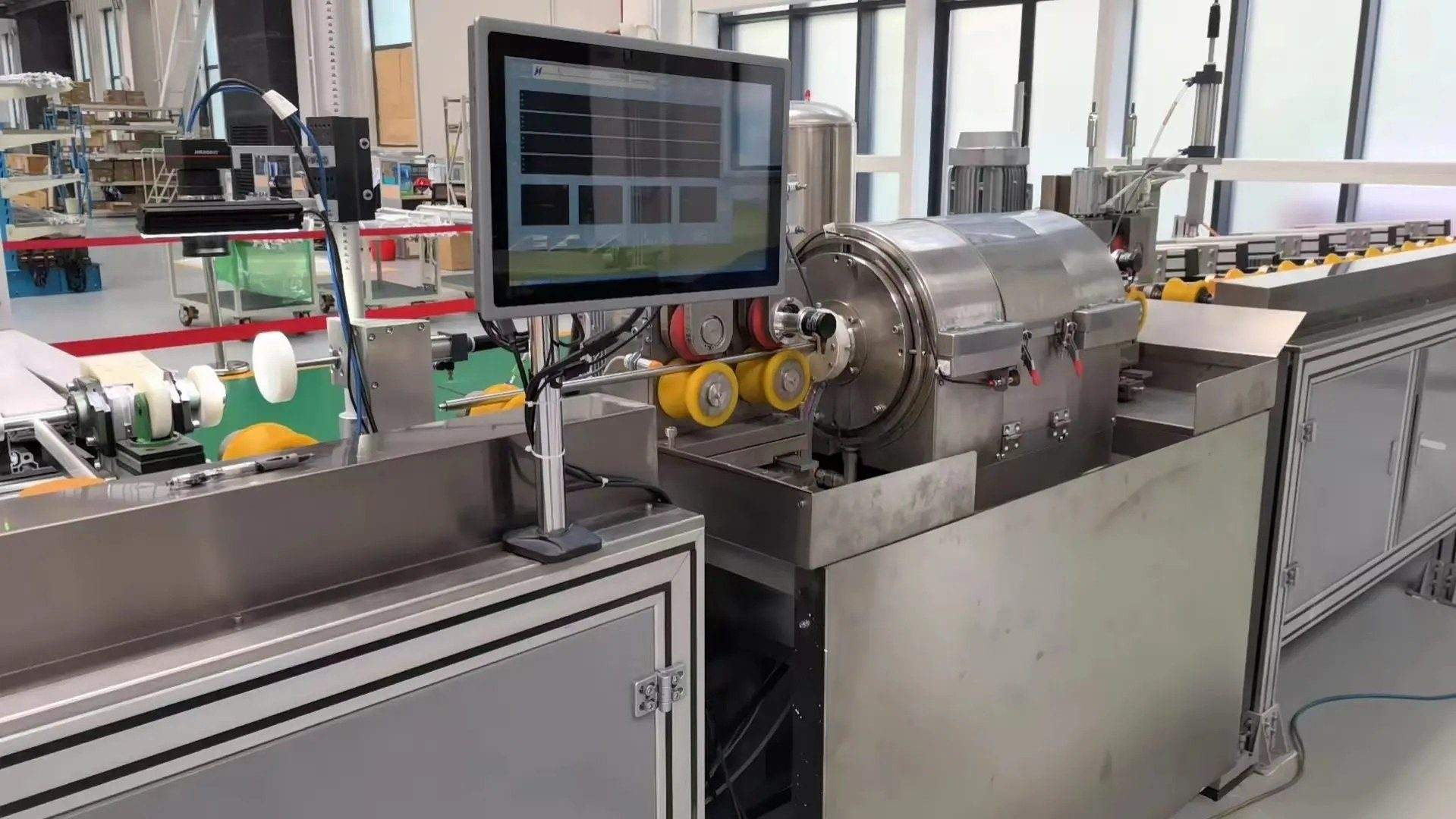
3. What Sorting Mechanisms Can Be Used?
The appropriate sorting arrangement depends on pipe diameter, length, weight and production-line layout.
| Sorting mechanism | Main function | Application consideration |
|---|---|---|
| Diverter arm | Pushes or redirects a pipe to another conveyor | Requires suitable pipe spacing |
| Transfer bar | Moves pipes laterally between positions | Suitable mechanical support is essential |
| Lifting mechanism | Raises and transfers pipes to another area | Must accommodate pipe weight and length |
| Separate outfeed conveyors | Directs pipes into different destinations | Requires sufficient factory space |
The sorting system must also keep pace with the ultrasonic inspection line. If the outfeed mechanism is slower than the inspection process, pipes may accumulate and interrupt production.
4. What Causes Incorrect Sorting?
Several practical problems can affect sorting accuracy:
Incorrect pipe tracking: The inspection result is associated with the wrong pipe because identification or tracking information is lost.
Encoder slippage: Actual pipe movement differs from the measured distance, causing the sorting command to activate at the wrong position.
Incorrect rejection settings: An indication that requires further evaluation is incorrectly classified as a rejected product.
Insufficient pipe spacing: Closely positioned pipes make individual transfer and identification more difficult.
Delayed mechanical response: A sorting actuator does not complete its movement before the next pipe arrives.
A proper commissioning test should use known inspection results and verify that each pipe reaches the intended destination. Checking only the PLC alarm is insufficient; the physical sorting result must also be confirmed.
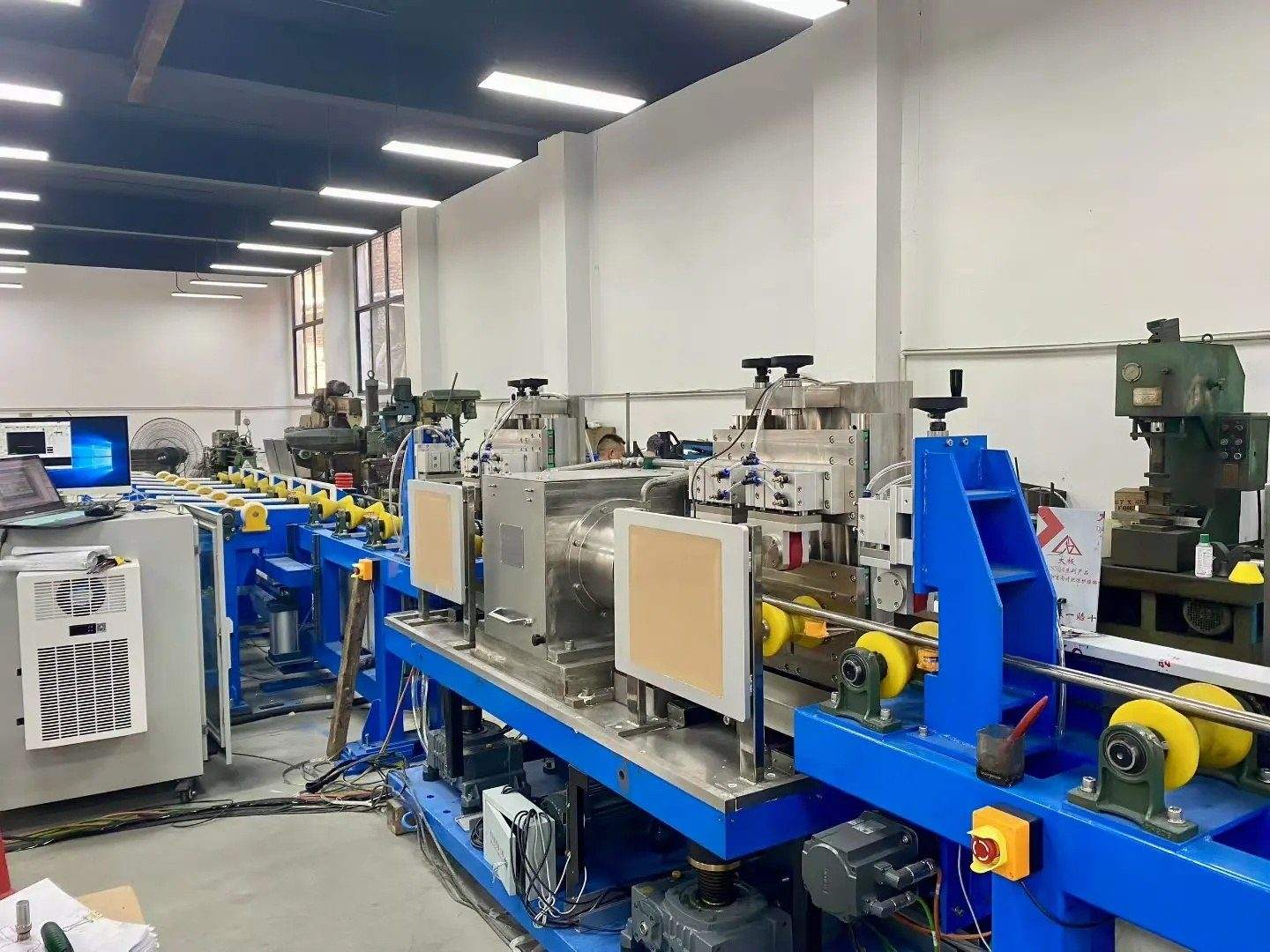
5. What Should Buyers Specify?
When purchasing an automated ultrasonic testing line, manufacturers should confirm:
-
Pipe diameter, length and weight range.
-
Required ultrasonic inspection coverage and acceptance criteria.
-
Number of sorting categories.
-
Pipe-position tracking method.
-
Required sorting speed and production output.
-
Available space for separate outfeed conveyors.
-
Whether pipe identification and inspection records must be linked.
Automatic sorting should be included in the equipment design from the beginning. Adding it later may require changes to conveyors, sensors, PLC logic and the factory layout.