ERW and seamless steel pipes are manufactured differently, which means they present different challenges during hydrostatic testing. A machine that performs well on one product may require different settings—or even a different configuration—when testing another.
Before comparing pressure, automation or speed, start by understanding how your pipe type affects the testing process.
1. ERW Pipes Need Consistent Weld Inspection
For ERW (Electric Resistance Welded) pipes, the weld seam is the primary inspection area during hydrostatic testing.
Although modern welding technology produces highly reliable joints, every pipe still needs to prove its integrity under pressure. Even a small variation in weld quality can result in pressure loss during testing.
For manufacturers producing large batches of ERW pipes, consistency is often more important than maximum pressure. A stable pressure curve, repeatable clamping force and reliable sealing help reduce false rejections while maintaining production speed.
If your production line handles the same pipe size for long periods, fast cycle time becomes one of the biggest productivity advantages.
2. Seamless Pipes Place Higher Demands on Pressure Stability
Unlike ERW pipes, seamless steel pipes have no longitudinal weld.
Instead, testing focuses on the overall strength of the pipe body, especially when manufacturing heavy-wall pipes for oil & gas, boiler or high-pressure applications.
These products are frequently tested at higher pressures and longer holding times than standard ERW pipes.
That doesn't necessarily mean you need a larger machine—it means you need a machine that can maintain pressure steadily throughout the entire test cycle.
Pressure fluctuation during the holding stage can create unnecessary retesting and reduce confidence in the inspection results.
Table 1. ERW vs. Seamless: What Changes During Hydrostatic Testing?
Comparison
ERW Steel Pipe
Seamless Steel Pipe
Primary Inspection
Weld seam integrity
Pipe body integrity
Typical Production Style
High-volume, repeated sizes
Mixed specifications, heavy-wall products
Key Testing Requirement
Stable and repeatable cycles
Stable pressure holding
Production Priority
Fast throughput
Reliable high-pressure performance
3. One Machine Can Handle Both—If Changeovers Are Efficient
Many steel pipe manufacturers produce both ERW and seamless pipes on the same production line. In this case, the question isn't whether one machine can test both products—most modern systems can.
The real question is how quickly the machine adapts to a different pipe specification.
Every changeover may involve replacing seals, adjusting clamps, selecting a new pressure program and verifying alignment. If these steps take 20 minutes, production efficiency drops quickly, especially when handling small-batch orders.
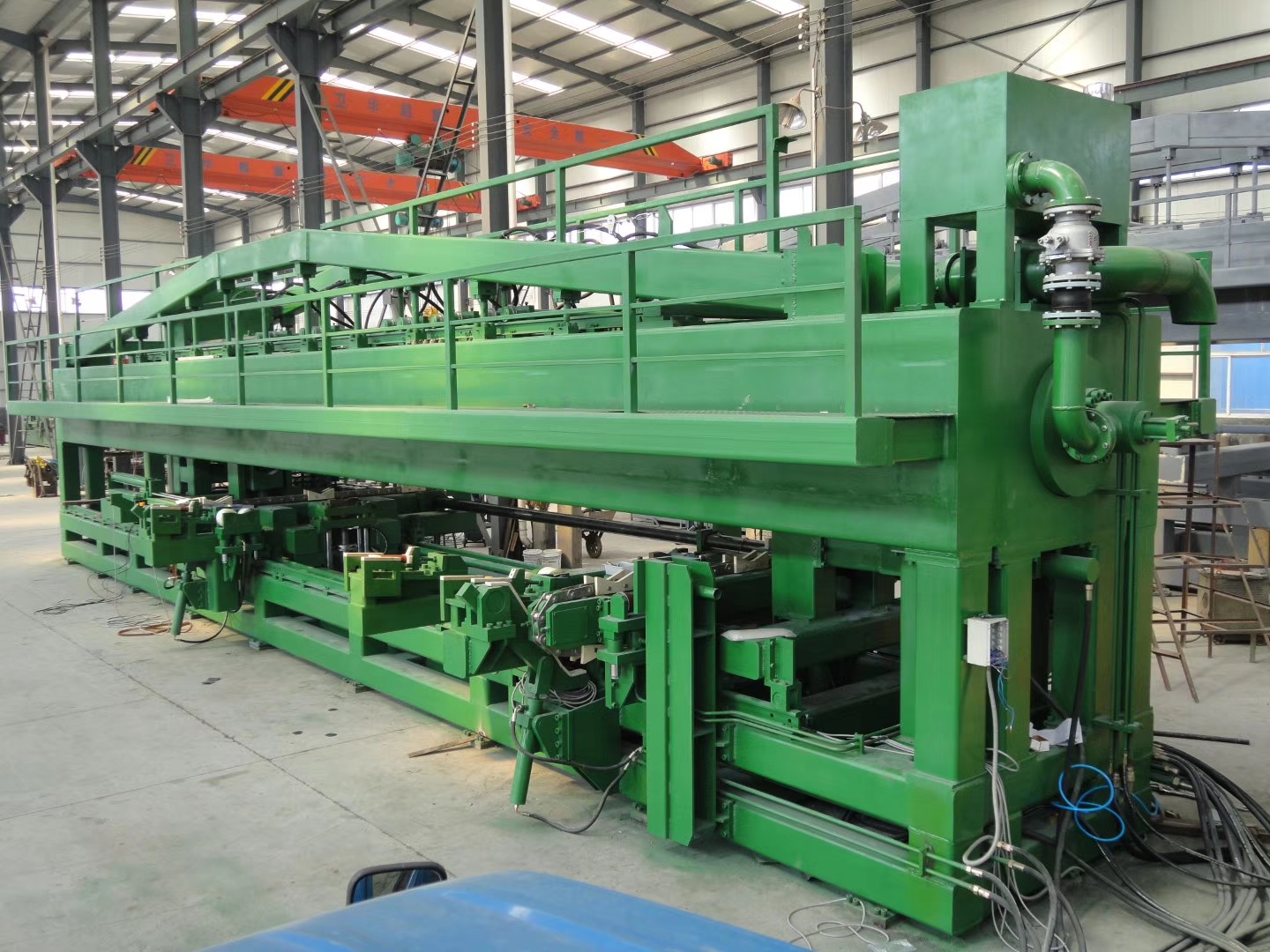
A well-designed hydro testing machine for pipe should allow operators to complete routine adjustments quickly without sacrificing testing accuracy.
4. Don't Compare Specifications Alone
Maximum pressure, pipe diameter range and automation level are important, but they don't tell the whole story.
Before making a purchasing decision, consider how the machine will perform during daily production.
For example:
Can different testing programs be stored for ERW and seamless pipes?
How long does a typical size change take?
Are sealing components easy to replace?
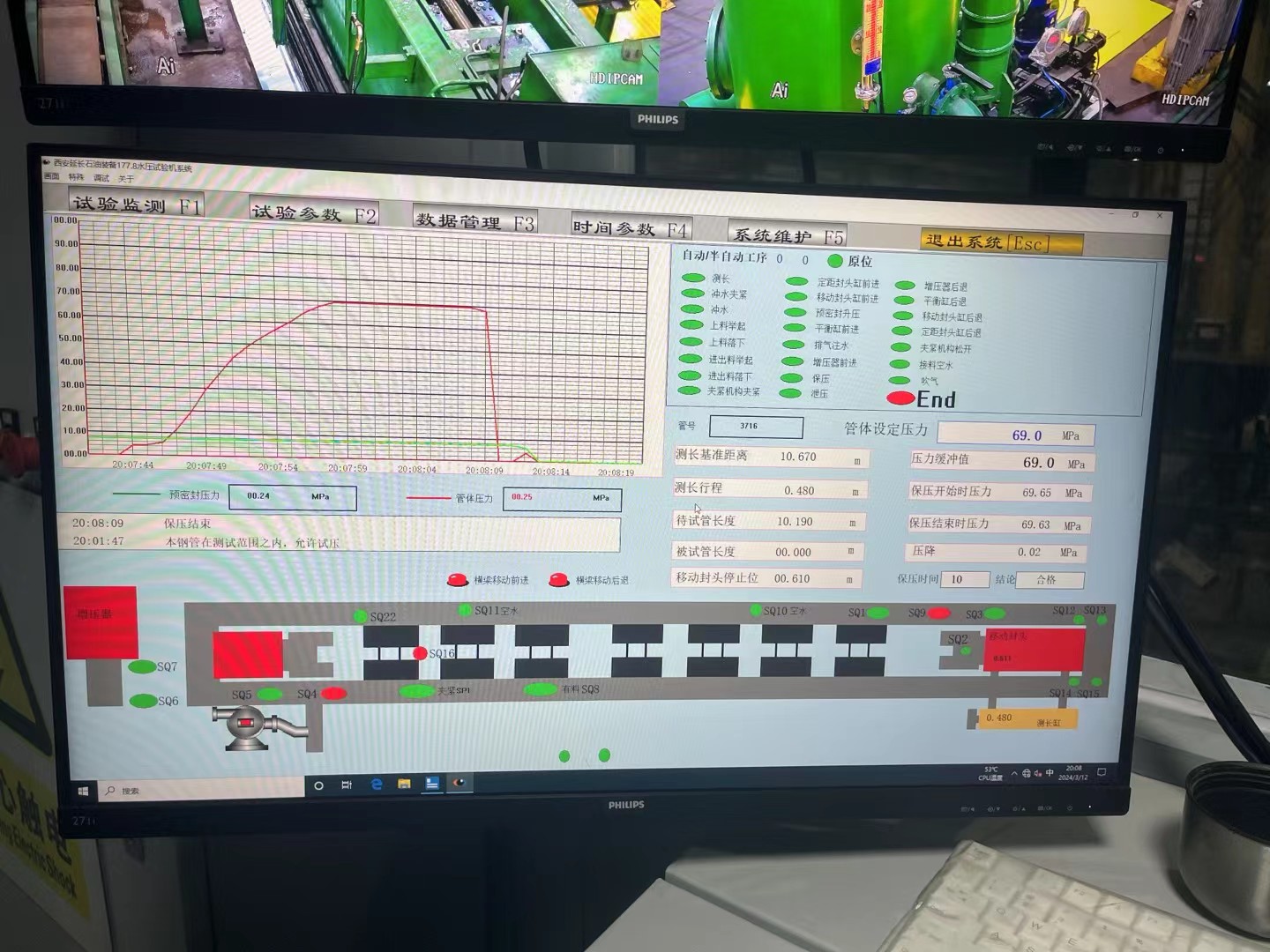
Can testing data be recorded automatically for quality traceability?
These practical details often have a greater impact on operating costs than a higher pressure rating.
Table 2. Production Needs vs. Recommended Machine Features
Production Needs
What to Look For
High-volume ERW pipe production
Fast testing cycles, repeatable clamping, and minimal operator adjustment
Heavy-wall seamless steel pipes
Stable pressure holding, reliable sealing, and high-pressure testing capability
Frequent size changes
Quick changeovers, adjustable clamps, and stored testing programs
Mixed ERW and seamless production
Flexible machine configuration that can switch between different testing parameters efficiently
Export projects with strict quality requirements
Automatic test data recording, pressure curve storage, and full traceability
Limited maintenance resources
Easy-to-replace sealing components and simple daily maintenance procedures
If your factory produces both ERW and seamless steel pipes, avoid asking only "What's the maximum testing pressure?"
Instead, ask questions that affect everyday production:
Can one operator complete a specification change?
How many testing recipes can be stored?
How long does it take to replace sealing components?
Is the pressure holding time adjustable for different products?
The answers will tell you much more about long-term productivity than the machine's specification sheet.
ERW pipes demand consistent weld inspection and efficient production cycles. Seamless pipes require stable pressure control and reliable performance during higher-pressure tests.
For many manufacturers, one machine can successfully handle both products—as long as it offers flexible adjustment, fast changeovers and stable testing performance.
Instead of choosing equipment based only on maximum specifications, evaluate how well it fits your production process. A machine that adapts quickly to different pipe types will improve efficiency, reduce unnecessary downtime and deliver more consistent inspection results over the long term.