


Yes. A hydro testing machine for pipe can automatically generate test reports when equipped with pressure sensors, a PLC-based data acquisition system, and reporting software. The system can record the actual pressure throughout each test cycle, link the results to an individual pipe or production batch, evaluate the recorded data against configured test requirements, and save or export the report.
However, automatic report generation is not a standard feature of every pipe hydro testing machine. A basic pressure recorder may only produce a pressure-time curve, while a complete reporting system also captures pipe identification, test parameters, timestamps, and test results. The reporting functions must be specified as part of the equipment's control and data management configuration.
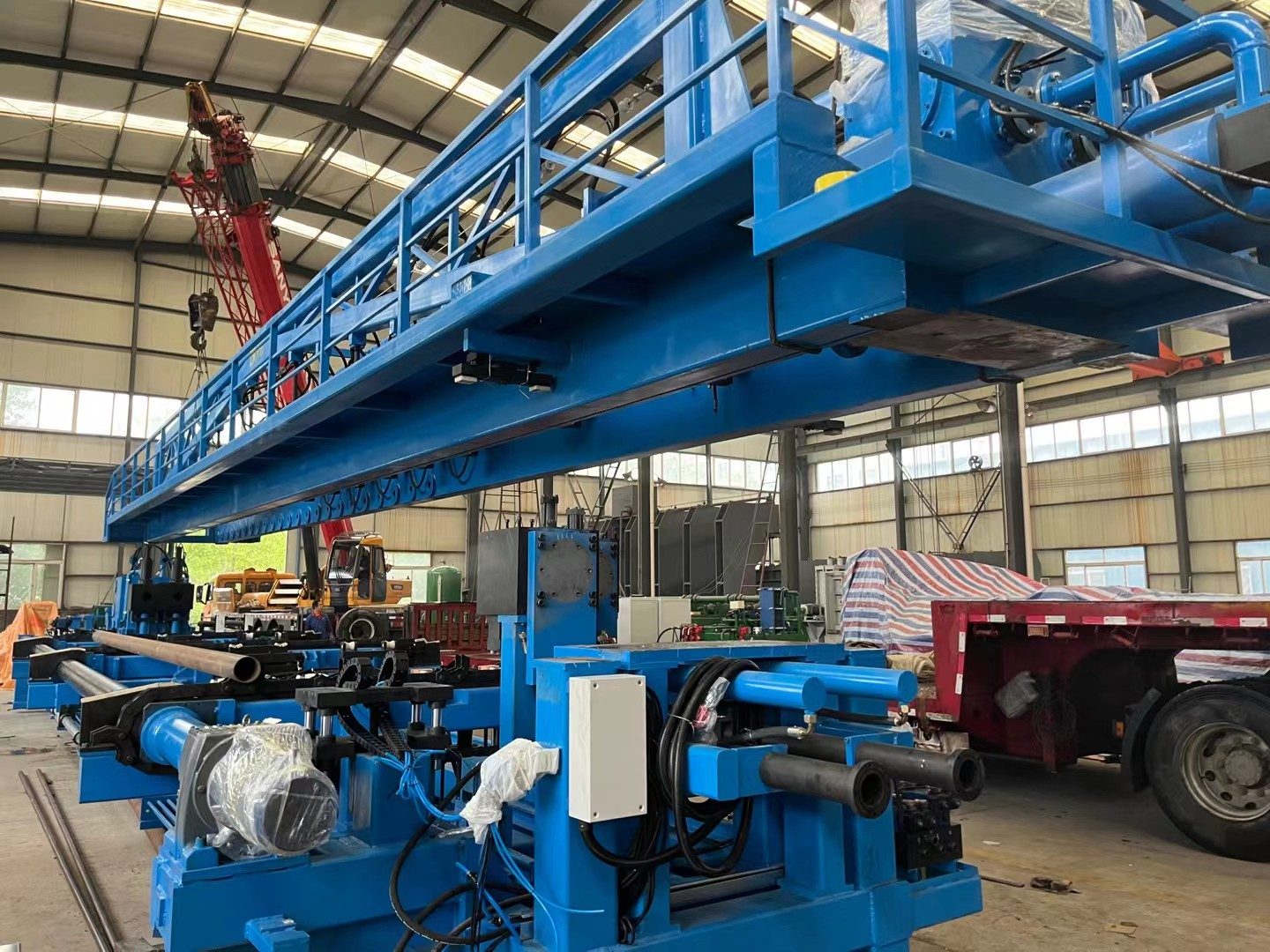
1. How Does a Hydro Testing Machine Generate Test Reports Automatically?
Automatic report generation combines pressure measurement, pipe identification, test-cycle monitoring, and data processing.
A typical process involves four stages:
-
Test information input: The operator selects a test program or enters the pipe specifications, including pipe number, material grade, dimensions, required test pressure, and holding time.
-
Pressure data acquisition: Pressure transducers send real-time measurement signals to the PLC or data acquisition system. The software records the pressure changes throughout the test.
-
Test result evaluation: The system compares the recorded pressure and actual holding duration with the configured test requirements. Incomplete or failed cycles can be identified according to the programmed acceptance logic.
-
Report generation and storage: The software associates the test data with the corresponding pipe identification and generates an electronic record. Depending on the system configuration, reports can be saved, retrieved, printed, or exported.
The critical point is that the report should use measured pressure data rather than only the pressure setpoint entered by the operator. A target pressure indicates what the machine is expected to achieve; the recorded pressure-time curve shows what actually happened during testing.
2. What Information Should an Automatic Hydrostatic Test Report Contain?
A useful report must identify the tested pipe and provide sufficient evidence to review the test conditions and results.
| Report information | Typical recorded data | Purpose |
|---|---|---|
| Pipe identification | Pipe number, heat number, batch number, production order | Links the test result to the actual product |
| Pipe specifications | Outside diameter, wall thickness, length, material grade | Identifies the pipe configuration |
| Test requirements | Applicable specification, target pressure, required holding time | Defines the intended test conditions |
| Measured test data | Actual pressure-time curve, pressure during holding, test start and end times | Provides evidence of the completed test cycle |
| Test result | Pass, fail, or incomplete, with the recorded reason where configured | Supports product acceptance and retesting decisions |
| Equipment information | Machine ID, pressure sensor ID, calibration information, operator, date and time | Supports equipment and process traceability |
Not every project requires every field in the same format. The final report structure should follow the applicable product specification, inspection plan, purchase order, and manufacturer's quality requirements.
For example, a report containing only the maximum pressure reached is insufficient to demonstrate that the required pressure was maintained for the specified holding period. Recording the complete pressure-time history provides much stronger evidence.
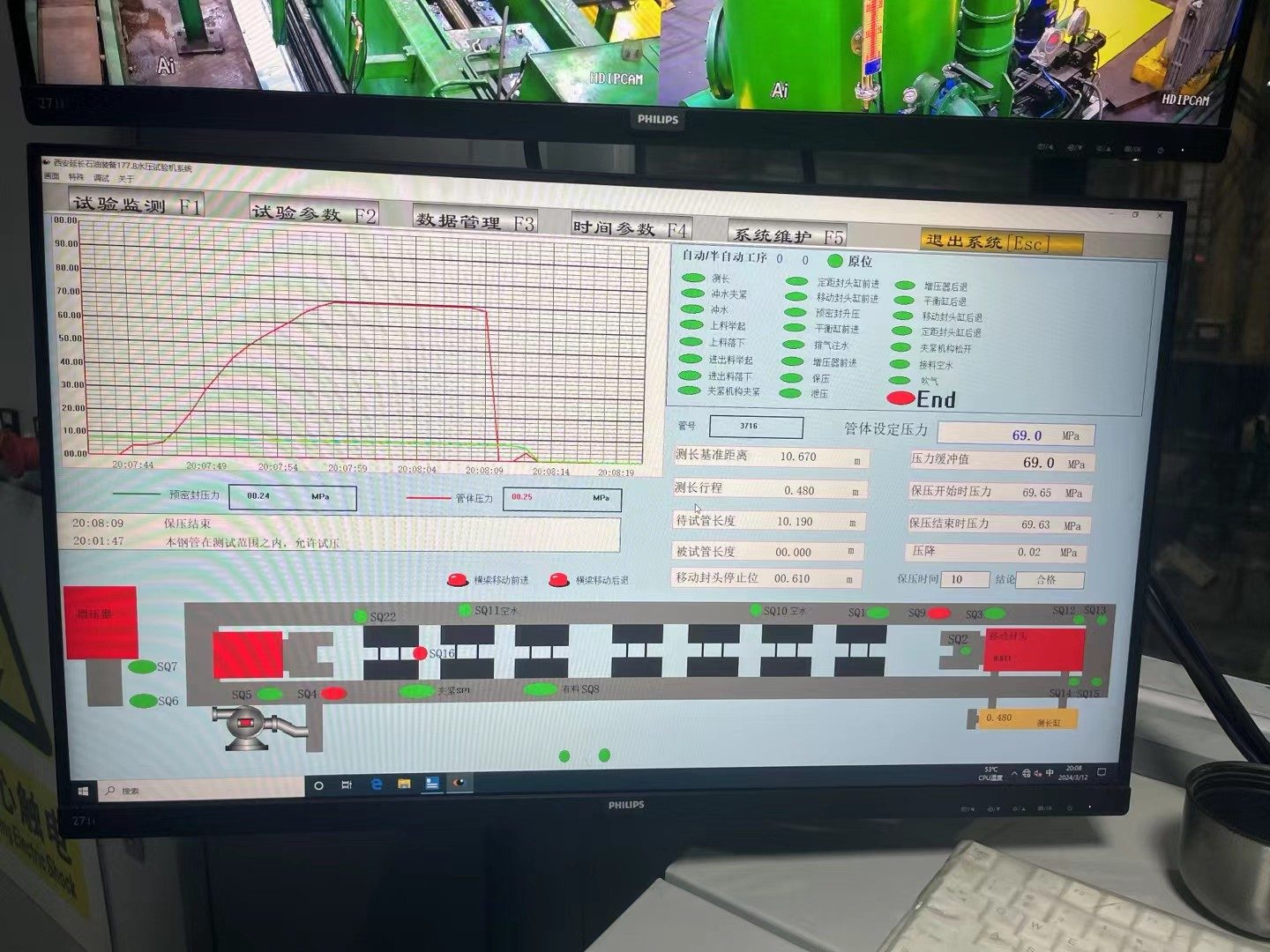
3. Is Automatic Pressure Recording the Same as Automatic Test Report Generation?
No. These functions provide different levels of data management.
| System capability | What it provides | Main limitation |
|---|---|---|
| Pressure recording | Records pressure changes during testing and produces a pressure-time curve | Pipe identification and final report preparation may remain manual |
| PLC-based data logging | Collects test pressure, duration, timestamps, and cycle information | Data may still require separate processing or manual association with product records |
| Automatic report generation | Links pipe identification with measured data, evaluates configured test conditions, and produces individual test records | Requires suitable software, data storage, and properly configured reporting logic |
For a steel pipe mill, the third level provides the greatest traceability value. It reduces manual transcription, makes individual test records easier to retrieve, and allows quality personnel to review production test results more efficiently.
4. Does Automatic Reporting Ensure Compliance with API Hydrostatic Testing Requirements?
No. Automatic report generation helps document the test, but software alone does not establish compliance.
The applicable edition of the product specification and the purchase requirements determine which test conditions, measurement controls, and records must be maintained.
For example, API Spec 5L addresses hydrostatic testing, pressure-measuring device calibration, and record retention. API Spec 5CT also includes requirements for ensuring that the specified test pressure and time are achieved, together with calibration and hydrostatic tester record retention provisions.
A properly configured reporting system should therefore support the following controls:
-
Pressure measurement: Use a suitable, calibrated pressure transducer or measuring device. The system must record actual measured values.
-
Test-duration verification: Record the actual holding period rather than relying only on a preset timer.
-
Product identification: Ensure that each record is associated with the correct pipe number or batch.
-
Result integrity: Identify incomplete cycles, pressure deviations, and failed tests instead of automatically marking every completed cycle as acceptable.
-
Data retention: Store records in a retrievable format and protect them against unauthorized alteration or accidental loss.
An automatically generated report is supporting test evidence. It does not replace instrument calibration, required inspection, quality review, or the manufacturer's responsibility to comply with the applicable standard.
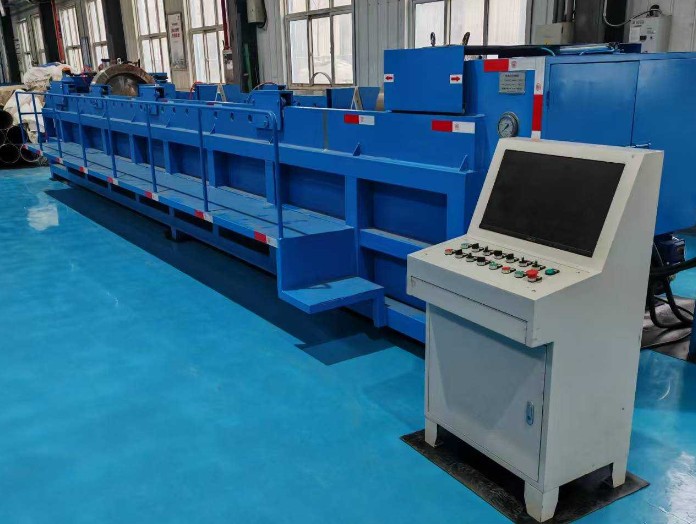
5. What Should Be Considered When Selecting a Pipe Hydrotest Machine with Automatic Reporting?
For manufacturers evaluating a pipe testing machine, reporting functionality should be considered together with the pressure-control system and production workflow.
The main questions are whether the machine can automatically identify each pipe, record the complete pressure-time curve, verify the required test duration, and retrieve historical records by pipe number or production batch.
Depending on the application, a Pipe pressure testing machine may also need barcode scanning, centralized database storage, PDF or Excel export, network communication, or integration with the factory's quality management system.
These functions can be incorporated into different types of Pipe Pressure Testing Equipment or Pipe Hydrostatic Testing Equipment, but their availability depends on the actual control-system configuration. A system intended for individual pipe testing also has different data requirements from Pipeline Hydrostatic Testing Equipment used for field pipeline testing.
For a customized hydro testing machine for pipe, the reporting configuration should be established according to the manufacturer's testing standards, production volume, traceability requirements, and preferred report format. The same principles apply to a pipe hydrotest equipment system or a hydrostatic pressure testing machine for pipes.
In summary: A hydrostatic testing machine can automatically generate individual pipe test reports when pressure measurement, PLC data acquisition, pipe identification, and reporting software are properly integrated. The most useful system records actual pressure and holding time for each pipe, links the results to product identification, and keeps the records available for quality inspection and traceability.