








Selecting the right hydro testing machine for pipe is a decision that impacts product quality, operational safety, and long-term production efficiency. Whether you are manufacturing pipelines, pressure vessels, or fluid systems, the hydro testing equipment you choose must deliver reliable performance, accurate results, and ease of use. This guide walks you through essential considerations — from performance metrics and pressure capacity to control systems and industry standards — to help you make an informed choice.
1. Understanding Hydro Testing Machines
A hydro testing machine is equipment designed to assess the ability of pipes and fittings to withstand internal pressure. During a hydrostatic test, the pipe is filled with water or another liquid and pressurized above its intended service level to check for leaks, deformation, or structural failure. This test is widely used because water is incompressible, reducing the risk of explosive energy release compared with gas pressure testing.
2. Key Factors to Consider Before Buying
2.1 Pressure Capacity and Range
The most fundamental parameter is the maximum pressure capacity of the machine. Choose a unit whose rated pressure exceeds the highest test pressure required by your application. This ensures long-term reliability and safety.
-
For standard industrial pipeline testing, machines typically operate in the range of 3–100 MPa or more, depending on the material and diameter of the pipe.
-
Higher-pressure machines are necessary for thicker walled or high-design-pressure steel pipes.
Pressure capacity should also include an appropriate safety margin. A common rule of thumb in pressure equipment specification is to design for 1.2–1.5 times the maximum operational pressure to ensure a margin of safety.
2.2 Control System and Automation
Modern hydro testing machines often feature automated control systems that improve accuracy and reduce manual intervention. Look for models that include:
-
PLC or computer control with settable pressure ramps and hold times
-
Real-time pressure and time recording
-
Safety interlocks and emergency pressure relief
Automation enhances repeatability and ensures that each test adheres to preset parameters without relying solely on operators.
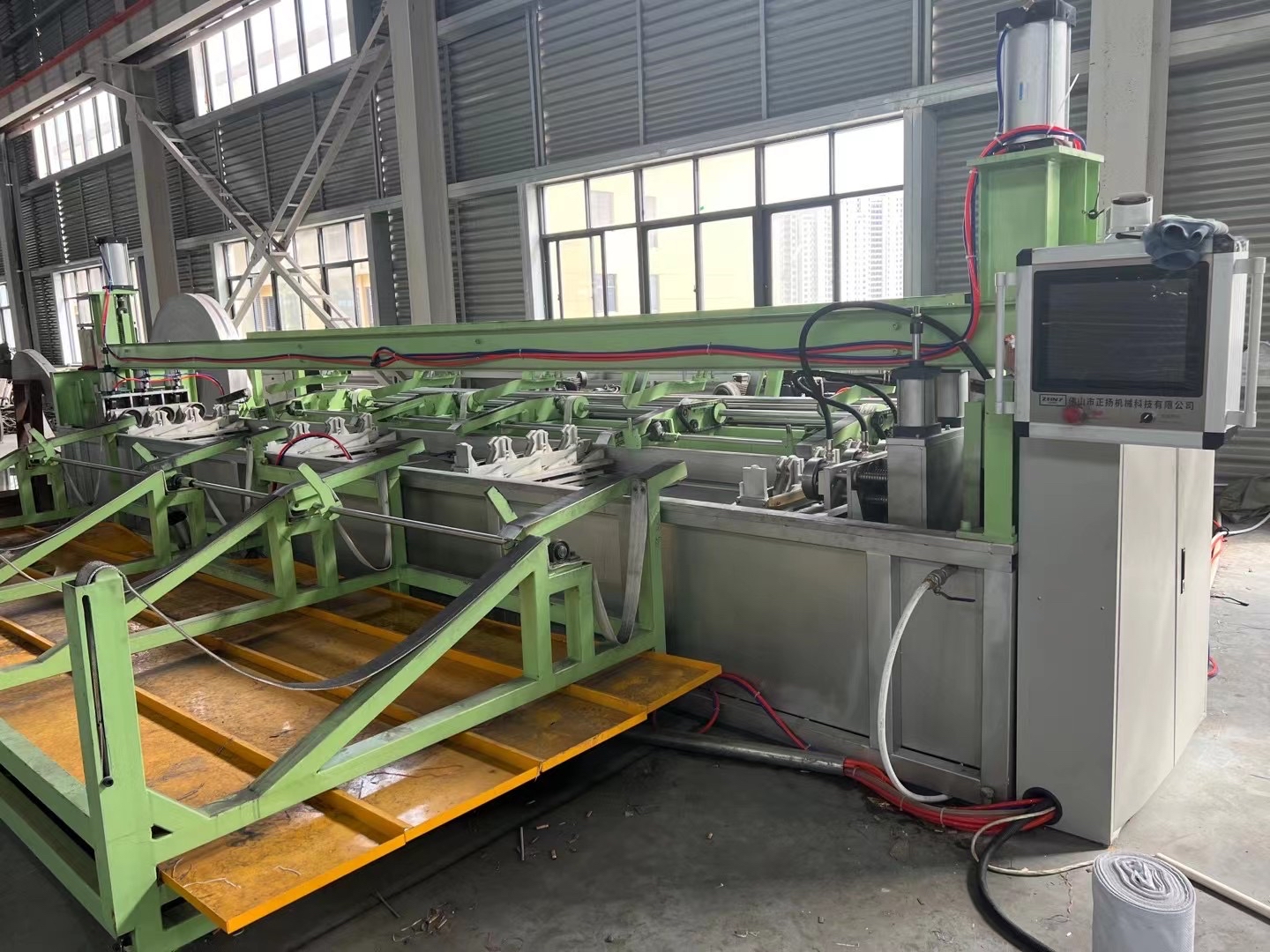
2.3 Materials and Build Quality
Since hydro tests involve high-pressure liquid contact, the machine’s construction materials must resist corrosion and wear:
-
Stainless steel or treated alloys for wetted parts
-
Corrosion-resistant seals and fixtures
-
Robust structural framing for long-term durability
-
Quality instrumentation (sensors, gauges, valves)
High build quality translates to fewer maintenance issues, longer service life, and more consistent results.
2.4 Safety Features
Hydro testing involves significant stored energy; therefore adequate safety mechanisms are critical:
-
Pressure relief valves
-
Safety interlocks
-
Burst protection devices
-
Emergency stop controls
These features protect both personnel and equipment in the event of malfunction or unexpected pressure excursions.
3. Match Machine Type to Testing Needs
Hydro testing machines come in different configurations depending on workflow and production volume:
|
Machine Type |
Best For |
Typical Applications |
|
Bench-Top Hydro Testers |
Small runs or labs |
Laboratory testing, prototypes |
|
Floor-Standing Multi-Station Units |
High output |
Large-volume manufacturing |
|
Mobile/Portable Hydro Units |
Field testing |
On-site pipeline construction |
Multi-station machines allow parallel testing of multiple pipes, improving throughput — particularly valuable in high-volume production environments.
4. Technical Specifications to Align With Standards
Ensure that the hydro testing machine can support industry standard test criteria relevant to your pipes. Common standards include:
-
ISO 1167 (for plastic and composite pipelines)
-
ASTM D1598 / ASTM D1599 (static and burst hydrostatic tests)
-
ASTM/ISO burst and endurance criteria
Compliance with these standards not only ensures product quality but may be a contractual or regulatory requirement for many pipeline projects.
Example: Hydro Test Specification Table
Specification
Typical Range
Notes
Max Test Pressure
10–100 MPa
Depends on pipe material and application
Pressure Accuracy
±1%
Precision enhances test reliability
Test Duration
0–10,000+ hours
Adjustable based on standard test procedures
Temperature Control
Ambient to ~95°C
Useful for thermal stability tests
Test Stations
1–60+
Higher count increases throughput
| Specification | Typical Range | Notes |
|---|---|---|
| Max Test Pressure | 10–100 MPa | Depends on pipe material and application |
| Pressure Accuracy | ±1% | Precision enhances test reliability |
| Test Duration | 0–10,000+ hours | Adjustable based on standard test procedures |
| Temperature Control | Ambient to ~95°C | Useful for thermal stability tests |
| Test Stations | 1–60+ | Higher count increases throughput |
5. Integration with Quality and Data Systems
In modern manufacturing environments, hydro testing is often part of a broader quality management system. Machines with digital outputs, data logging, or network connectivity allow you to:
-
Archive test results automatically
-
Integrate with LIMS (Laboratory Information Management Systems)
-
Generate certificates and compliance reports
This connectivity not only supports traceability but also streamlines quality assurance workflows.
6. After-Sales Support and Service
Hydro testing machines are long-term investments. Evaluate suppliers based on:
-
Warranty terms
-
Availability of spare parts
-
Service response times
-
Technical support and training
Strong after-sales support reduces downtime and ensures consistent testing performance over the machine’s life.
7. Common Mistakes to Avoid
-
Under-specifying pressure capacity: Choosing a machine that barely meets test pressure limits reduces safety margins and shortens service life.
-
Neglecting control sophistication: Manual systems increase operator error and reduce repeatability.
-
Ignoring standards compliance: Always verify that the machine can meet relevant test standards for your application.
Choosing the right hydro testing machine for pipe requires thoughtful evaluation across pressure capabilities, control systems, safety features, standards compliance, and long-term support. A carefully selected hydro tester not only improves product quality and reliability but also enhances operational efficiency and compliance with global testing standards. Use this guide as a reference in planning your investment to ensure optimal performance and return over time.