








Whether you’re running a fabrication shop, managing quality control, or buying equipment for the first time, choosing the right hydro testing machine for pipe is a decision you don’t want to rush. Hydrostatic testing isn’t just another tick-box on your quality checklist — it’s the gateway to ensuring your products are safe, reliable, and ready for service in demanding conditions. Done right, it protects your reputation, satisfies industry standards, and prevents costly failures in the field.
So what should you pay attention to when evaluating hydro testing equipment? Below are the key features that matter most.
1. Accurate and Reliable Pressure Control
The whole point of hydro testing is to pressurize pipes safely and consistently. You’ll want a machine that can accurately control pressure levels and maintain them during the hold period. Precision isn’t optional here — it makes the difference between spotting a tiny leak before installation and missing a flaw that later becomes a major safety issue. Top machines offer digital or PLC-based control systems that help you program and replicate test parameters with confidence.
2. Intelligent Monitoring and Data Logging
Modern hydro testing isn’t just about generating pressure; it’s about documenting what happened during the test. Look for machines that include pressure sensors, real-time monitoring, and data logging capabilities. These systems can track the pressure curve over time, automatically detect failures, and store records for traceability — which is crucial when you need test certificates for clients or regulators.
3. Flexibility for Different Pipe Sizes and Materials
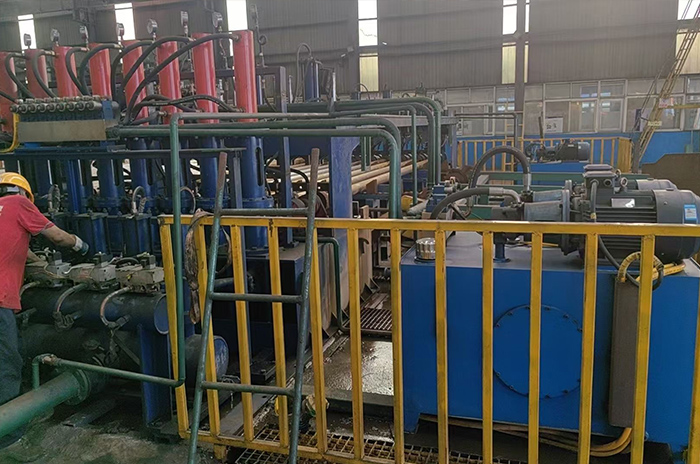
Your production line may not be limited to one diameter or material type. The best hydro testing machines handle a wide range of pipe diameters and wall thicknesses — from small plastic tubes to large steel sections. Machines with adjustable end caps or multiple sealing methods ensure you’re not stuck sourcing custom parts every time your product range changes.
4. Stable and Safe Operation
Safety and stability go hand in hand in hydro testing. Machines that control how pressure is applied (gradually rather than in sudden jumps) reduce the chance of damage to either the specimen or the system. Built-in safety features like pressure relief valves, automatic shutdowns, and thermal protection are essential, not luxuries, especially when working with high-pressure or large-diameter pipelines.
5. User-Friendly Interface
Just because the technology is sophisticated doesn’t mean it should be hard to use. Touchscreens, PC software integration, intuitive menus, and clear displays reduce operator errors and training time. A user-friendly interface leads to better consistency across multiple operators and shifts.
6. Efficiency and Throughput
If you’re testing a lot of pipes every day, efficiency becomes a competitive factor. Some machines allow multiple stations or parallel testing, cutting cycle times and reducing bottlenecks. Automation and repeatable testing cycles can dramatically increase throughput without sacrificing accuracy.
7. Durability and Maintenance Support
Hydro testing machines are an investment. Choose equipment built with high-quality components like robust pumps, corrosion-resistant fittings, and dependable control systems. Also check your supplier’s service network and availability of spare parts — downtime is expensive, so easy maintenance is a real advantage.
8. Compliance with Industry Standards
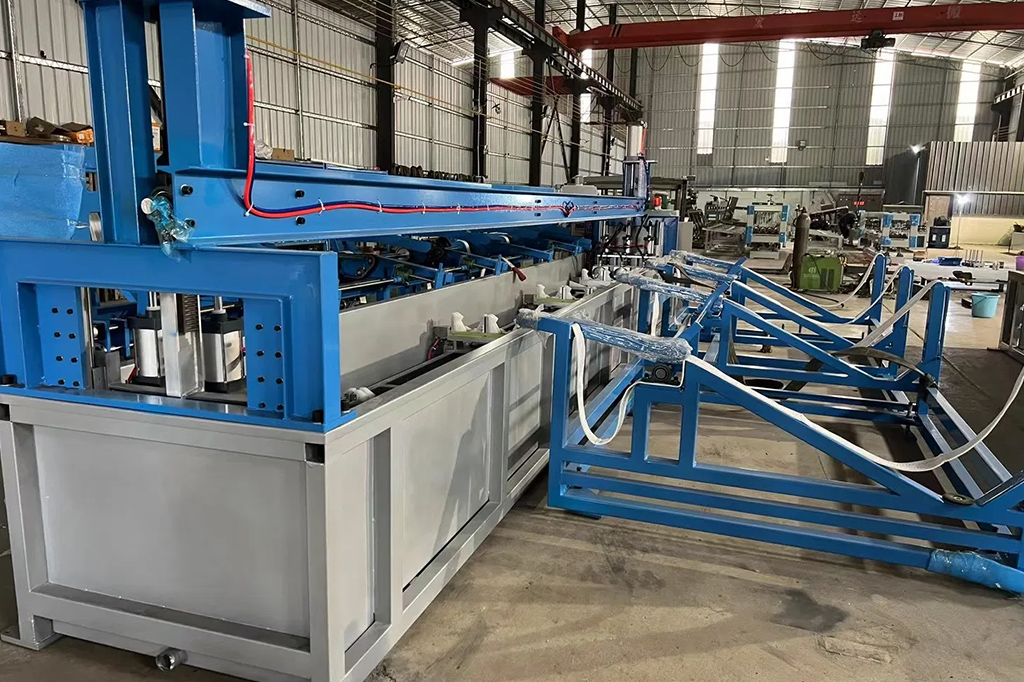
Finally, make sure the machine supports testing protocols referenced in key industry standards. Whether you’re manufacturing plastic pipes, steel lines, or composite conduits, adherence to standards such as ISO 1167, ASTM D1598/D1599, or relevant national codes ensures your results are accepted by clients, auditors, and regulatory bodies.
In a competitive manufacturing or testing environment, the hydro testing machine you choose becomes part of your brand’s promise. It’s not just a piece of equipment — it’s a tool that ensures pipes are safe, dependable, and ready for real-world service. Take the time to evaluate accuracy, flexibility, safety, and long-term support when making your choice.