








A Steel Pipe Hydrostatic Testing Machine is critical to ensuring steel pipes are safe, leak-free, and fit for service. But even the best machines won’t perform if they’re not cared for properly. Without a routine maintenance plan, parts wear out faster, you get inconsistent test results, and unplanned downtime becomes a regular headache.
This guide lays out a practical maintenance checklist for anyone who uses these machines on a production floor or inspection line. It’s written in everyday language you’d expect from an experienced maintenance engineer — clear, hands-on, and actionable.
Why Regular Maintenance Matters
Proper maintenance does more than keep your machine running. It ensures that:
-
Test results are accurate and repeatable
-
Components like valves, pumps, and gauges don’t fail unexpectedly
-
Safety risks are minimized for operators
-
Long-term repair costs stay low
With the right care routine, a Steel Pipe Hydrostatic Testing Machine can give you years of reliable service without surprise breakdowns.
Daily Maintenance Checklist
Start each day by making these quick checks before you run any tests:
✔ Visual inspection of water tank and test chamber — look for rust, debris, or standing water that shouldn’t be there.
✔ Check hydraulic oil level and condition — low or contaminated oil affects pump performance.
✔ Verify gauges and pressure indicators — make sure all digital or analog gauges show zero before starting.
✔ Inspect hoses and connections — look for cracks, leaks, or loose fittings that might compromise tests.
✔ Confirm power supply and control panel status — ensure no warning lights or fault codes are present.
These simple steps take only a few minutes but catch many early-stage problems before they escalate.
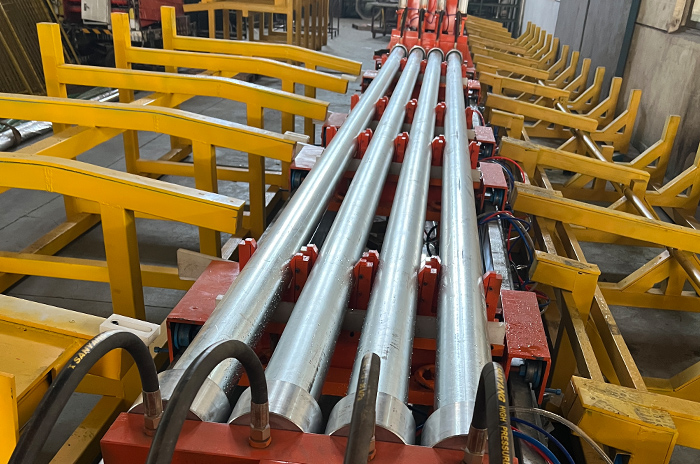
Weekly Care Tasks
Set aside a little time at least once a week to go deeper than just a quick look:
Clean Test Components
After repeated use, sediment and minerals can build up:
-
Wipe down the pressure chamber after every series of tests
-
Clean any visible residue around seals and valves
-
Flush water lines to prevent deposit buildup
This helps prevent corrosion and ensures seals stay tight.
Examine Routine Wear Items
Look closely at:
-
Pressure hoses and couplings
-
Valve seats and seals
-
Pump inlet screens
Worn parts should be replaced before they fail under pressure. Waiting until a breakdown risks damaging other components.
Monthly Inspection Tasks
Once a month, plan a more thorough review. This should include:
| Maintenance Item | What to Do | Why It Matters |
|---|---|---|
| Hydraulic Oil & Filters | Check for contamination and top off if needed | Keeps hydraulic pump operating smoothly |
| Pressure Gauge Calibration | Verify accuracy against a known reference | Ensures your test results are trustworthy |
| Safety Relief Valves | Test and verify proper operation | Prevents overpressure damage |
| Control System Diagnostics | Run self-tests on PLC or control board | Detects early electrical/control issues |
| Fastener and Mechanical Tightness | Check bolts, clamps, and fixtures | Prevents leaks and mechanical loosening |
This monthly routine catches issues that aren’t visible during day-to-day checks and helps keep your Steel Pipe Hydrostatic Testing Machine performing like new.
Quarterly Tasks and Component Replacement
Every three to six months, deepen your maintenance routine:
Replace Aging Hydraulic Hoses
Hydraulic hoses and seals age with time. Even if they look OK, scheduled replacement every few months minimizes the chance of a high-pressure failure.
Oil Change and Filtration
Hydraulic oil can degrade due to heat, moisture, or particle contamination. Many maintenance professionals recommend changing the oil and filters periodically to keep the system lubricated and clean.
Detailed Function Test
Run a cycle with a known good test pipe. Measure accuracy, speed, and pressure ramp performance — anything outside expected values could signal internal wear.
Record Keeping
A maintenance checklist isn’t complete unless you document everything. Keep a simple log — digital or paper — of:
-
Date of maintenance
-
What was inspected
-
Any parts replaced
-
Next scheduled maintenance
This isn’t just good housekeeping. It builds a history that helps troubleshoot recurring problems, plan parts inventory, and prove due diligence during audits or safety inspections.
Tips for Long-Term Reliability
Train operators to perform some basic checks — a machine that feels “different” often needs attention.
Set reminders for every maintenance interval — don’t wait until you remember.
Work with a service provider if needed — scheduled professional checks add another safety layer.
A well-maintained Steel Pipe Hydrostatic Testing Machine is safer, lasts longer, and gives better data — all of which protect productivity and quality on your shop floor.