








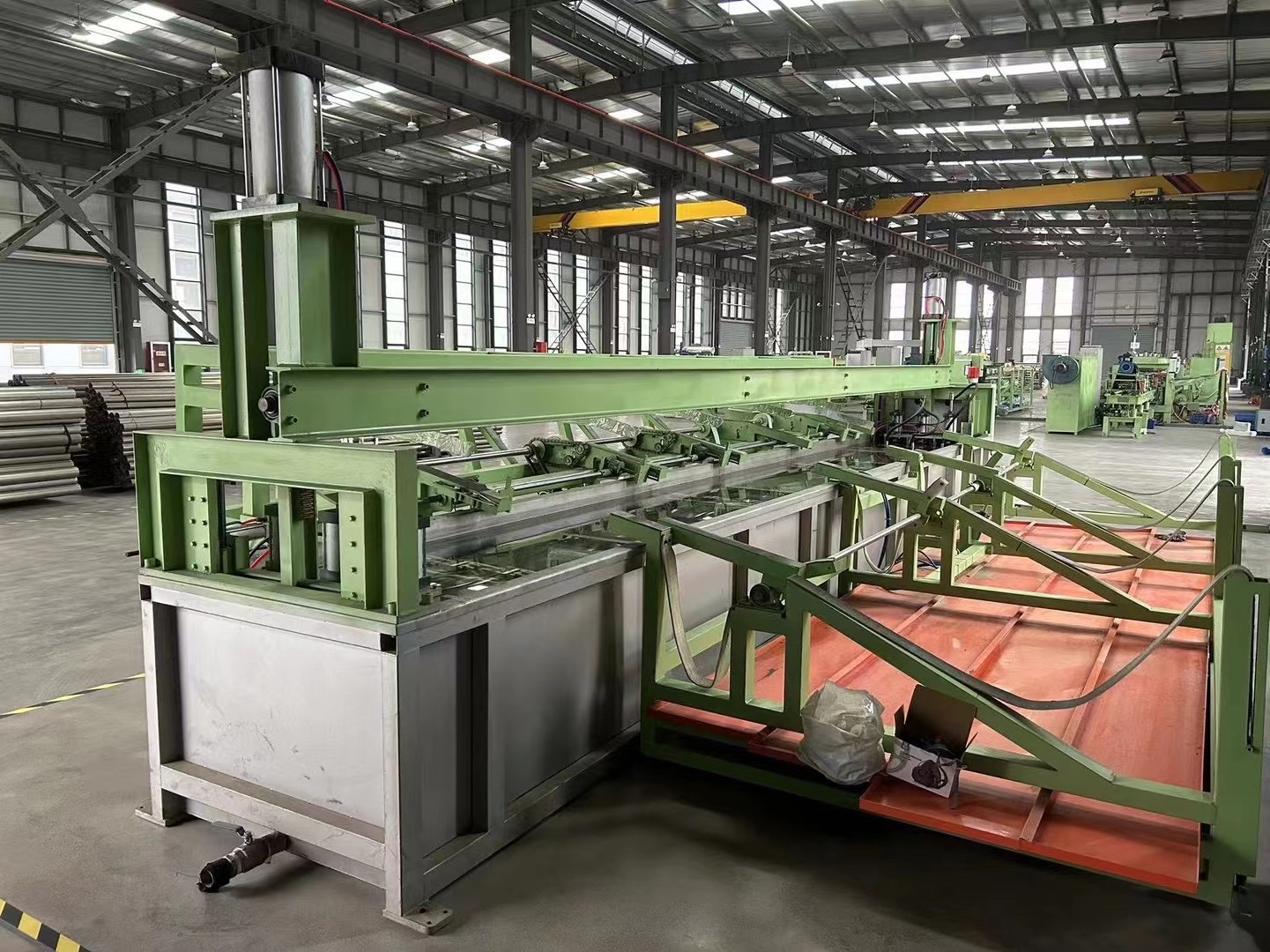
When it comes to pressure testing steel pipes, understanding pressure settings isn’t optional — it’s fundamental. Engineers, quality inspectors, and pipeline manufacturers all need to know not just that pressure testing is done, but how and why certain pressures are chosen. At the heart of this process, a Steel Pipe Hydrostatic Testing Machine plays a key role by creating controlled, measurable internal pressure inside the pipe to reveal issues like leaks, wall weakness, or improper welding.
What Does Pressure Setting Really Mean?
Pressure setting refers to the value of internal pressure that you command a hydrostatic testing system to reach and hold during a test. For metal pipe inspection, this isn’t arbitrary or subjective — it’s based on the pipe’s design criteria, material strength, and applicable standards.
A Steel Pipe Hydrostatic Testing Machine doesn’t just pump water arbitrarily. The pressure level is carefully calculated so that its value challenges the pipe beyond what it will see in normal service, but without risk of inducing failure during testing.
How Test Pressure Is Decided
There are three main influences:
1. Design Pressure or Working Pressure
Every pipe has a nominal design or working pressure specified by engineering design or code requirements. Most standards require the hydrostatic test pressure to be above this value to ensure safety and integrity.
A common rule of thumb is:
Hydrostatic pressure ≥ 1.5 × Design pressure
This gives a safety margin that reveals defects that might only appear under near-service conditions.
2. Material Allowable Stress
When temperature and stress factors are considered, the actual test pressure may be tailored using formulas from pipe standards. For example, European standard EN 10216 indicates test pressure can be computed using pipe diameter, wall thickness, and stress values tied to yield strength.
This isn’t a strength test — it’s a leak-tightness test — but it’s still rooted in material behaviour.
3. Regulatory Standards
Different industries and codes have their own pressure rules. Some specify minimum hold times or formula-based pressures. The important principle is that the pressure must be controlled and recorded, not guesswork.
Typical Hydrostatic Pressure Ranges
A Steel Pipe Hydrostatic Testing Machine might be designed for low-pressure ranges (a few MPa) for general pipe grades, or high-pressure ranges (10–22 MPa and above) for heavy-duty or thick-wall pipe test scenarios.
Here’s an approximate range you might see in the field:
| Pipe Type / Use | Typical Test Pressure | Notes |
|---|---|---|
| Medium industrial steel pipe | ~2–7 MPa | Often used for general service pipe testing |
| Industrial high-pressure pipe | 5–22 MPa | Common for thicker or larger wall pipe test |
| Specialized high-strength pipe | Up to 300 MPa+ | Used in burst and extreme reliability testing |
These values aren’t universal — they must be verified against the specification relevant to your product — but they provide a useful starting point.
Why Gradual Pressure Increase Matters
Pressure should never be applied suddenly. When using a Steel Pipe Hydrostatic Testing Machine, operators increase pressure in controlled steps. This stepwise increase helps:
-
Prevent thermal or mechanical shock to the pipe
-
Allow strain to distribute evenly
-
Give time to monitor gauges and sensors for anomalies
Slow, staged pressure increase also helps ensure that if there’s an incipient defect, it shows up at lower level before catastrophic failure occurs.
Hold Time and Observation
Once the target test pressure is reached, it isn’t just turned off — it’s held for a specific duration so inspectors can verify that the pressure does not drop. Many standards require a minimum hold time (e.g., maintaining the test pressure for several minutes) before evaluating results and deeming a pipe fit for service.
During this period, engineers look for:
-
Pressure drop (which may indicate leaks)
-
Abnormal sounds
-
Visible deformation
This holds true whether you’re testing a short pipe segment in a factory or a long pipeline segment in field pre-commissioning.
Recording and Reporting the Pressure Curve
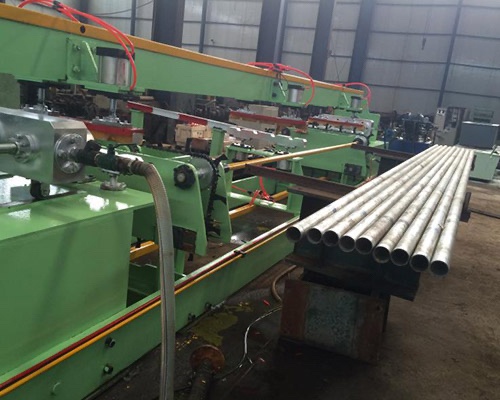
Recording the pressure curve is an integral part of the test. A modern Steel Pipe Hydrostatic Testing Machine will log:
-
Initial pressure
-
Ramp-up behavior
-
Hold pressure
-
Final pressure
-
Pressure drop over time
Having a clear, timestamped pressure profile not only makes your test results defensible during audits but also helps in quality traceability — something clients, inspectors, and regulators increasingly require.
Understanding how to set and control pressure during hydrostatic testing transforms a routine test into a reliable assurance of pipe integrity. The key is not just raw pressure numbers, but why those values matter and how they relate to design expectations, safety margins, and performance requirements.
Getting the settings right with your Steel Pipe Hydrostatic Testing Machine gives you confidence, data credibility, and ultimately peace of mind that your pipeline components are fit for duty.