








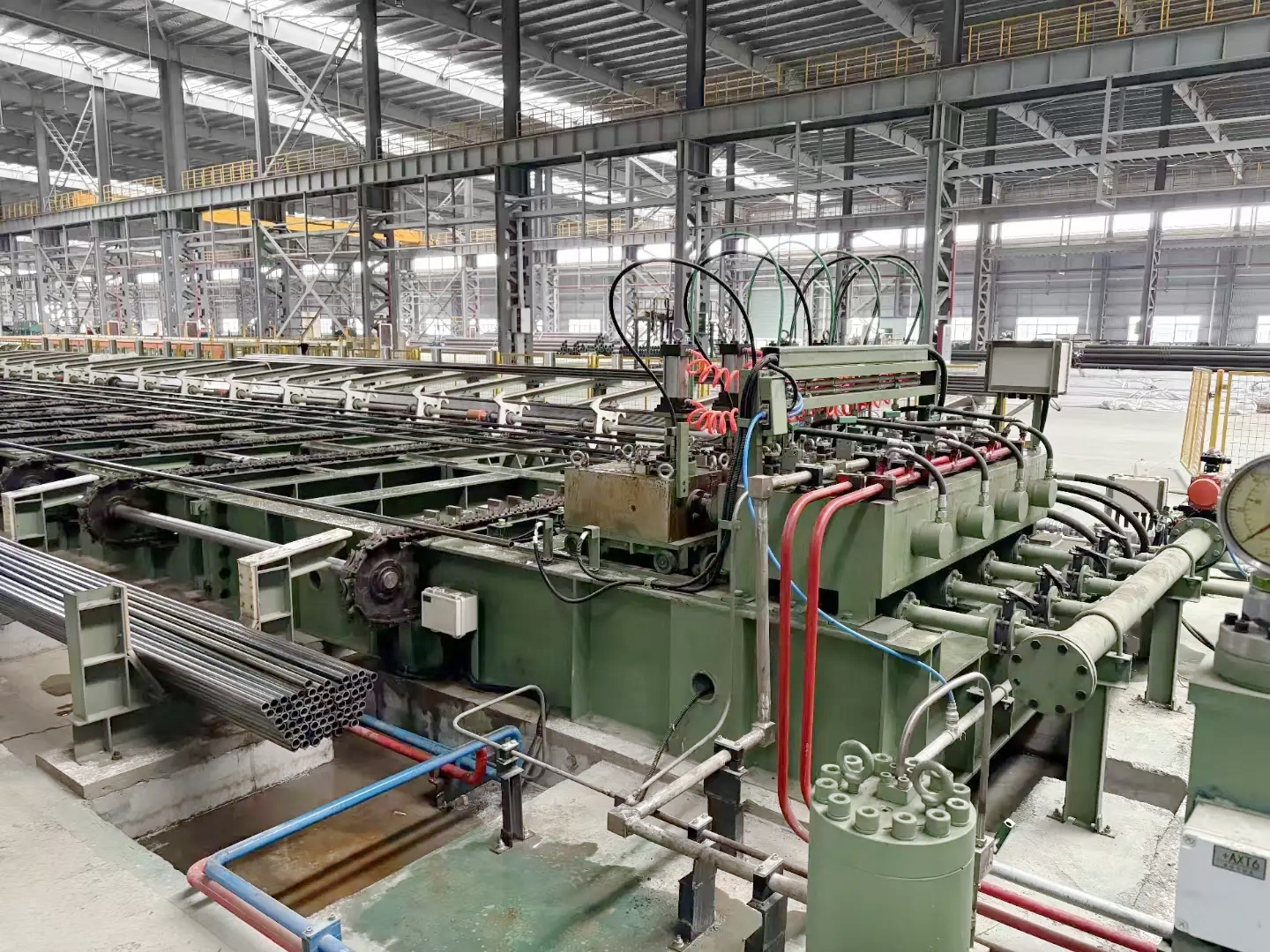
In any steel pipe manufacturing or inspection process, quality assurance is more than a box to tick — it’s a foundation for safety, reliability, and brand trust. That’s where a Steel Pipe Hydrostatic Testing Machine becomes essential. It’s not just another piece of equipment; it’s a quality gate that proves pipes can safely withstand the pressures they will face in real service.
In this article, we’ll break down the real, practical benefits of using a Steel Pipe Hydrostatic Testing Machine in your workflow — benefits that go beyond compliance and into everyday factory value.
1. Detects Leaks and Material Flaws Before They Hurt You
One of the biggest reasons manufacturers install a Steel Pipe Hydrostatic Testing Machine is to catch problems before they become costly issues in the field.
Hydrostatic testing fills the pipe with water and applies pressure well above its expected working level. Because water is nearly incompressible, even tiny defects like micro-cracks, weak welds, or hidden wall thinning show up as pressure drops or leaks during the test. This early detection prevents field failures, rejects, and warranty claims long after the pipe has shipped.
2. Provides Reliable Proof of Structural Integrity
Seeing is believing, but pressure testing proving is understanding. A Steel Pipe Hydrostatic Testing Machine doesn’t guess based on appearance. It confirms that the pipe:
-
Holds pressure without deformation
-
Has proper sealing at welds and ends
-
Meets strength expectations under stress
This isn’t just theory — it’s real performance under conditions that simulate actual service, giving you and your customers confidence in every batch.
3. Ensures Compliance With Industry Standards
Across global markets, standards like API, ASTM, ISO and others require hydrostatic tests for steel pipes before they are accepted for use in critical systems like oil & gas pipelines, water infrastructure, and industrial process lines. A Steel Pipe Hydrostatic Testing Machine helps manufacturers meet these requirements systematically and reproducibly.
Having documented test results means you can show traceable records for audits, contracts, and regulatory submissions — something buyers increasingly ask for before they place orders.
4. Improves Production Efficiency and Reduces Rework
Equipping your line with a Steel Pipe Hydrostatic Testing Machine often reduces production waste. When defects are spotted early, you don’t have to rework or scrap entire batches after finishing or shipment — preserving both materials and labor.
Many plants also see smoother throughput because automation lets the machine conduct repeatable cycles without manual intervention, reducing bottlenecks and human error.
5. Builds Reputation and Customer Trust
Technical benefits are important — but so is the confidence you deliver to customers. A Steel Pipe Hydrostatic Testing Machine sends a clear message:
“Every pipe we ship has passed pressure proof that matters.”
For buyers, especially in sectors like energy or infrastructure, this confidence translates into trust, repeat business, and stronger brand positioning in competitive markets.
Summary of Key Benefits
| Benefit Category | What It Means for Your Business |
|---|---|
| Leak & Defect Detection | Finds weak points before failure occurs |
| Integrity Verification | Confirms pipes perform under pressurized conditions |
| Standards Compliance | Meets API, ASTM, ISO and other codes |
| Production Efficiency | Reduces rework and improves throughput |
| Brand Trust | Builds customer confidence and repeat orders |
This table highlights how a Steel Pipe Hydrostatic Testing Machine doesn’t just test pipes — it elevates your quality assurance system.
A Steel Pipe Hydrostatic Testing Machine isn’t a luxury; it’s an investment in reliability, efficiency, and long-term customer relationships. From stopping leaks before they happen, to meeting global standards and strengthening your brand’s reputation, the benefits ripple far beyond the factory floor.