








When you’re conducting pressure tests on steel pipes, sealing the pipe ends correctly is one of the most critical steps in the entire process. A Steel Pipe Hydrostatic Testing Machine can produce hundreds of bars of pressure inside a pipe, but without the right end seal, all that effort will go to waste — you’ll see leaks, false failures, and unreliable data. Knowing the types of end seals and how they’re used is essential for repeatable results and safe operations.
In this post, we’ll walk through the most common end seal types used with a Steel Pipe Hydrostatic Testing Machine, explain their advantages and typical applications, and give you a simple comparison to help you choose the right solution.
Why End Seals Matter in Hydrostatic Testing
Before we dive into specific types, it’s worth highlighting why end seals are so important for a Steel Pipe Hydrostatic Testing Machine:
-
They prevent pressurized water from escaping at the ends during testing.
-
They ensure accurate pressure measurement without artificial drops.
-
They accommodate different pipe diameters and materials without damage.
-
They help protect operators from unpredictable leaks.
Good sealing isn’t just a convenience — it’s the foundation for reliable test results every time.
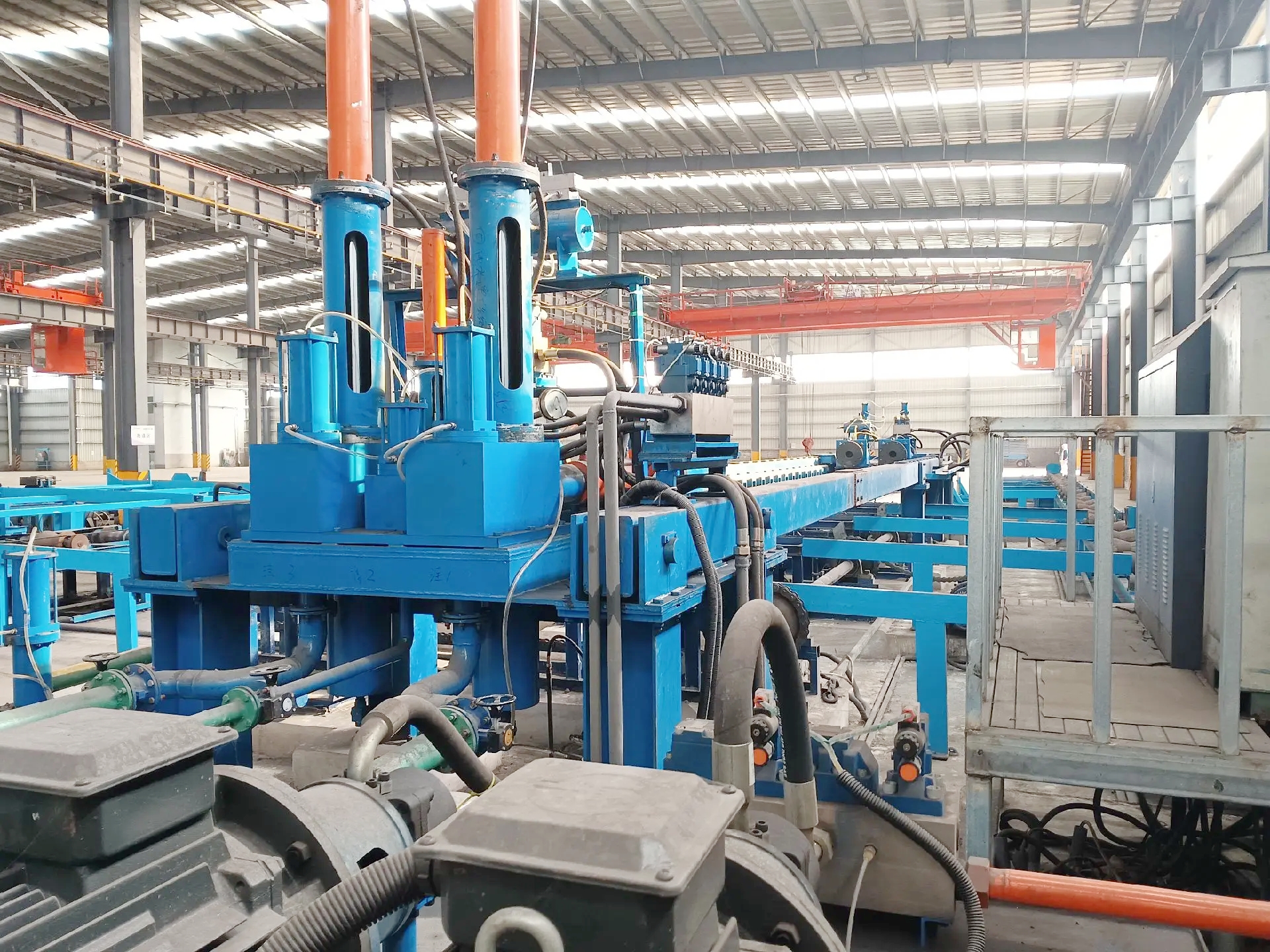
Common End Seal Types for Steel Pipe Hydrostatic Testing Machine
Different seal designs are suited to different pipe sizes and pressure levels. Below are the end seal types most often used in hydrostatic testing equipment.
1. Internal End Seal (End Seal)
Internal end seals — often just called end seals — fit inside the pipe and create a pressure-tight closure by expanding against the inner wall. Because they grip from within, they offer excellent sealing performance for smaller and medium diameters without stressing the pipe externally.
Best for:
✔ Small to medium diameter pipes
✔ Accurate sealing with minimal external stress
2. External Seal
External seals wrap around the outside of the pipe end, clamping securely to prevent leaks from inside. These are particularly useful for larger diameters where placing something inside the pipe may be impractical or when you have thicker wall pipes that are harder to seal internally.
Best for:
✔ Large diameter steel pipes
✔ Pipes with thicker walls or irregular internal surfaces
3. Double Seal End Caps
Double seals combine features of both internal and external sealing. They typically use a dual ring or two-stage seal system, ensuring an extra level of redundancy. With a Steel Pipe Hydrostatic Testing Machine, this type is especially useful when testing high-risk lines where even tiny leaks could distort results.
Best for:
✔ High-pressure applications
✔ Critical tests with stringent acceptance criteria
4. Radial Seal
Radial seals are less common but still valuable for certain applications. These seals press radially outward against the pipe interior or exterior, depending on design, and are often used in automated or fast-cycle test machines.
Best for:
✔ Specialized test setups
✔ Fast, repeatable sealing cycles
How to Choose the Right End Seal
Choosing the best end seal for your Steel Pipe Hydrostatic Testing Machine depends on several factors:
| Seal Type | Typical Pipe Range | Advantages | Limitations |
|---|---|---|---|
| Internal End Seal | Small to medium | Easy installation, tight seal | Not ideal for very large diameters |
| External Seal | Medium to very large | Strong clamp force, versatile | Slightly more complex setup |
| Double Seal | All sizes | Redundant sealing for critical tests | Higher cost |
| Radial Seal | Custom systems | Fast and consistent | Limited to specific machine types |
Each sealing method has its place — the key is matching your pipe size, material, and pressure level to the seal that handles it most reliably.
Installation Tips for Best Results
Whether you’re using internal seals, external seals, or double sealing caps with a Steel Pipe Hydrostatic Testing Machine, here are a few practical tips to improve performance:
-
Clean the pipe ends thoroughly before installation — even small debris can compromise sealing.
-
Check O-rings and sealing rings for wear before every test.
-
Match seal size to pipe size exactly — a mismatch leads to leaks or seal damage.
-
Lubricate sealing surfaces if recommended by the seal manufacturer.
Attention to these small details keeps your sealing system working smoothly and reduces test variability over time.
Why the Right Seal Improves Your Hydrostatic Testing
You might think of the end seal as a minor accessory, but it’s actually a core component of any hydrostatic test setup. When you pair the right seal with your Steel Pipe Hydrostatic Testing Machine, it ensures that:
-
Pressure is maintained reliably throughout the test duration.
-
Test repeatability is high — results are consistent from pipe to pipe.
-
Test accuracy improves, meaning fewer false positives or negatives.
Good seals help protect your data and protect your team — two priorities any quality-focused operation can’t live without.
Understanding end seal types and their uses can dramatically improve how well your Steel Pipe Hydrostatic Testing Machine performs. Whether you’re sealing a small diameter pipe or a massive pressure line, the correct sealing solution makes your tests more reliable, repeatable, and trustworthy.