








A Steel Pipe Hydrostatic Pressure Testing Machine is one of the most important pieces of equipment in any modern pipe manufacturing or inspection facility. Simply put, this machine gives manufacturers and quality teams a reliable way to check whether a steel pipe can safely hold internal pressure without leaking or failing under stress. While pressure testing may sound straightforward, doing it correctly and consistently across thousands of pipes requires dedicated equipment — and that’s exactly what a Steel Pipe Hydrostatic Pressure Testing Machine does.
In this age of stringent quality expectations and global standards, knowing how this testing machine works and why it’s so widely used isn’t just nice to know — it’s essential for anyone involved in pipe production, inspection, or supply chain quality control.
What Is a Steel Pipe Hydrostatic Pressure Testing Machine?
At the heart of the hydrostatic testing process is a simple idea: fill a steel pipe with an incompressible fluid (usually water), increase that pressure to a prescribed level, and observe how the pipe responds. A Steel Pipe Hydrostatic Pressure Testing Machine automates and standardizes this process so that every pipe undergoes the same controlled, measurable test.
Most machines consist of:
-
A high-pressure pump to raise pressure inside the pipe,
-
A control system to manage the pressure rise and hold,
-
Sealing fixtures to prevent leaks at pipe ends,
-
And often digital monitoring and data logging for accurate recordkeeping.
Compared with manual or improvised testing methods, a dedicated machine ensures consistent test conditions and more reliable data.
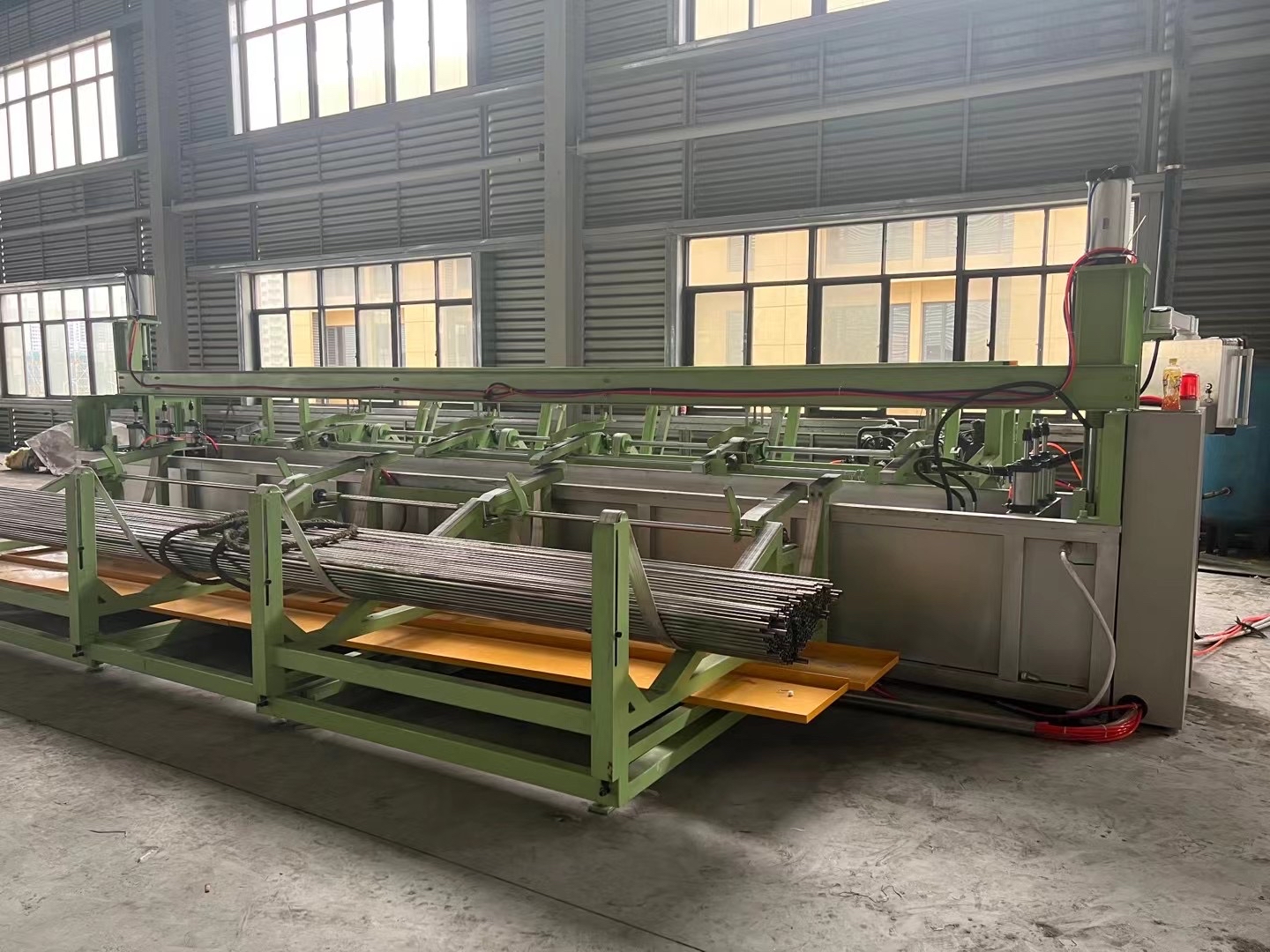
How It Works — In Plain Terms
Here’s the basic flow of what happens when a pipe goes through a Steel Pipe Hydrostatic Pressure Testing Machine:
-
Pipe sealing — Special end caps seal both ends to trap water inside.
-
Filling with water — The pipe is completely filled, with no air pockets left.
-
Pressure build-up — Water is pressurized to the required level, often above service design pressure.
-
Hold and monitor — The internal pressure is held while sensors watch for leaks or drops.
-
Release and dry — Once the test is completed, pressure is safely released and the pipe is dried for next steps.
The whole purpose is to see whether the pipe can hold pressure without leaking or deforming — and to do it in a repeatable and measurable way.
Why Use a Steel Pipe Hydrostatic Pressure Testing Machine?
Here are the core reasons manufacturers, fabricators, and inspectors rely on this kind of machine:
1. Detect Hidden Defects Early
Visual inspections or basic checks are simply not enough for pressure-carrying pipes. Only a dedicated hydrostatic test can force a pipe to reveal tiny leaks, weak welds, micro-cracks, and other issues before they become real problems in service.
✅ 2. Meet Industry Standards
Most international and national standards — such as API, ASTM, ISO and others — specify hydrostatic testing for steel pipes before they are put into service or shipped. A Steel Pipe Hydrostatic Pressure Testing Machine helps ensure pipes meet these requirements and provides documented proof for certification or contract compliance.
3. Improve Production Quality and Reduce Waste
Integrating a hydrostatic test into the production line means defective pipes are caught before they are packaged, shipped, or installed. This early quality check reduces rework, scrap, and costly delays.
4. Boost Confidence and Market Competitiveness
Clients in sectors like oil & gas, infrastructure, and industrial systems expect reliable pipelines. Being able to show documented hydrostatic test results — generated by a Steel Pipe Hydrostatic Pressure Testing Machine — increases buyer confidence and makes your products more competitive.
5. Enhance Safety for Operators and End Users
Because water is incompressible, hydrostatic testing with a dedicated machine is inherently safer than using air or other gases for pressure testing. Less stored energy means fewer hazards if a pipe fails during the test.
Typical Applications
A Steel Pipe Hydrostatic Pressure Testing Machine is used across a wide range of pipe types and end-uses:
| Application | Why Hydrostatic Testing Is Important |
|---|---|
| Oil & Gas Pipelines | Confirms performance under high pressure and tough conditions. |
| Water Supply Systems | Ensures leak-free operation in long distribution networks. |
| Boiler and Industrial Pipes | Verifies pipes that operate under variable thermal and mechanical stress. |
| Export Quality Control | Provides certifiable results for stringent overseas standards. |
How to Choose the Right Machine
When selecting a Steel Pipe Hydrostatic Pressure Testing Machine, there are a few key factors to think about:
-
Pressure range — Can it reach the pressures required for your largest or thickest pipes?
-
Sealing system — Are the end seals compatible with your pipe sizes?
-
Automation and data collection — Does it provide digital records for quality audits?
-
Safety features — Emergency shut-off and controlled release systems reduce risk.
A good match between machine capabilities and your production needs improves accuracy, throughput, and long-term reliability.
A Steel Pipe Hydrostatic Pressure Testing Machine is far more than a fancy pump — it’s a cornerstone of modern quality assurance for steel pipe production and inspection. From detecting unseen defects to meeting global quality standards, this type of machine provides measurable, repeatable, and documented proof that your pipes are ready for real-world use.