








Keeping your hydro testing machine for pipe in good working order isn’t just about preventing breakdowns — it’s about protecting your investment, ensuring consistent test quality, and supporting reliable plant operations day after day. A little routine care goes a long way in extending service life and avoiding costly repairs or production delays.
In this article, we’ll walk you through essential daily maintenance tasks that every operator and plant manager should know. These steps are grounded in real-world practice and are written to help you run your equipment more reliably — not like a dry manual, but like a colleague sharing hard-learned tips.
Why Daily Maintenance Matters
A hydro testing machine for pipe operates under high pressure and often heavy cyclical loads. Components like seals, pumps, valves, sensors, and control systems are all under strain every time you run a test. Without regular checks, gradual wear can quickly become a production-stopping failure.
Maintenance isn’t optional — it’s preventative insurance for uptime, test accuracy, and safety.
1. Start With a Visual Inspection Before Every Shift
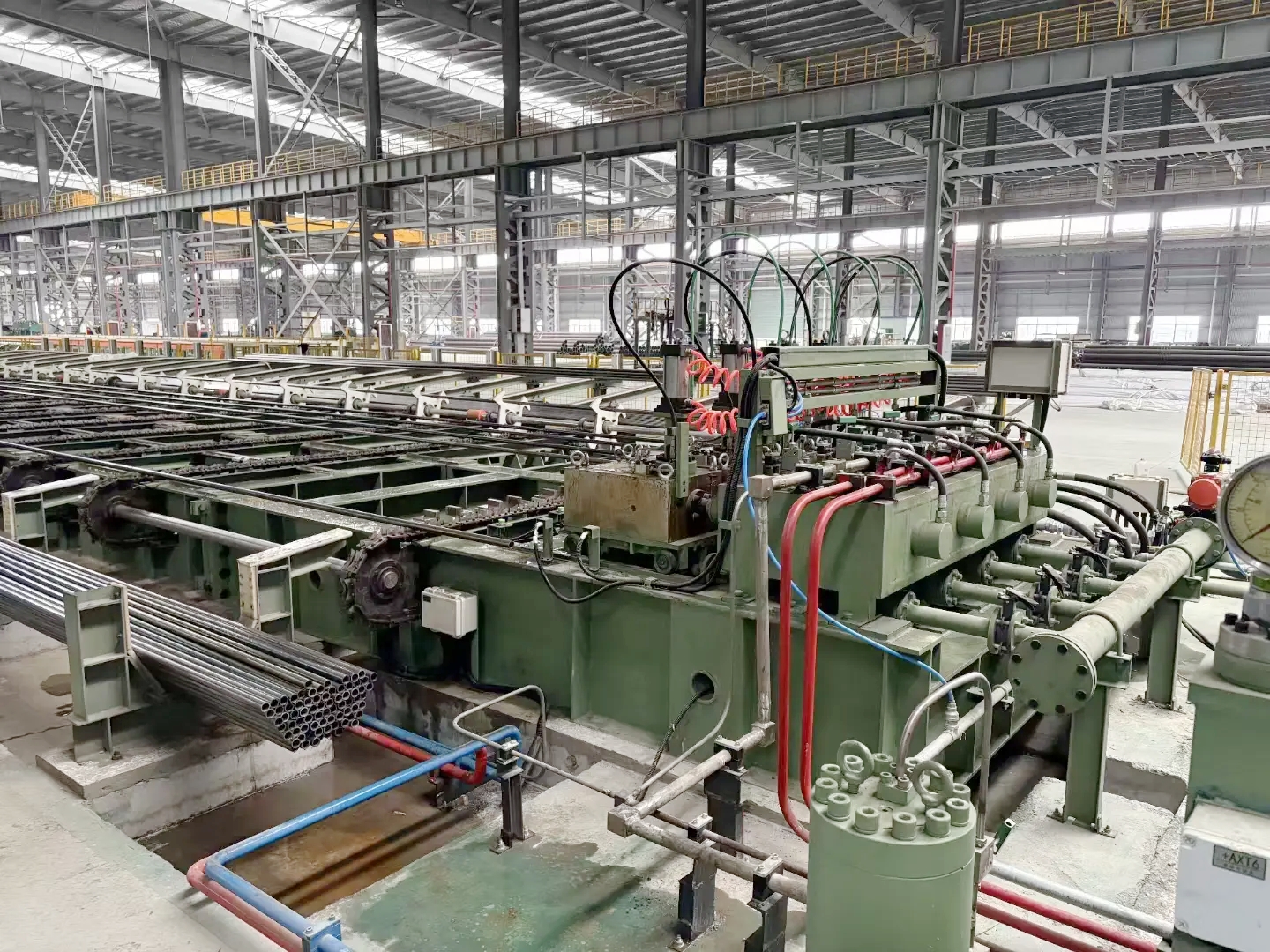
Before you even power up the hydro testing machine for pipe, take a few minutes to do a walk-around:
-
Check that there are no visible leaks around pumps, seals or pipes
-
Look for loose fittings or bolts on the pressure frame
-
Confirm no unusual wear or degradation on hoses and connectors
Daily visual checks are quick but incredibly effective at catching obvious problems early.
2. Inspect and Replace Seals When Needed
Seals are among the most stressed components in a hydro testing machine for pipe. Over time, they wear down, harden, or lose elasticity — leading to leaks or pressure instability during tests.
A simple daily task is to:
-
Look for any seepage around sealing points
-
Replace aged or visibly damaged seals promptly
Addressing seal issues early prevents water waste, protects internal parts, and maintains stable test performance.
3. Check the Filtration and Clean Water Intake
Your machine’s pump relies on clean water without debris. A blocked intake, dirty filter, or sediment in the reservoir can:
-
Reduce pump efficiency
-
Cause cavitation or damage
-
Lead to inaccurate pressure readings
Daily maintenance should include:
-
Clearing debris from the water filter
-
Making sure the intake line is free of dirt or obstructions
Clean water ensures the hydro testing machine for pipe runs smoothly every test cycle.
4. Monitor Pressure Sensors & Gauges
Pressure sensors and gauges are the heart of any hydro testing machine for pipe. If these instruments are dirty, misaligned, or drifting out of tolerance, you’ll see inaccurate test results.
Best daily practices include:
-
Wiping pressure gauge faces clean
-
Ensuring sensors return to correct zero before testing
-
Watching for unusual pressure behavior during a test run
Regular observation encourages early detection of drift or sensor issues before they impact your test protocols.
5. Check Safety Systems and Emergency Controls
Safety devices aren’t just there for compliance — they protect your operators and protect the machine.
-
Test the emergency stop button
-
Confirm relief valves open and close correctly
-
Look for any control panel alarms or error indications
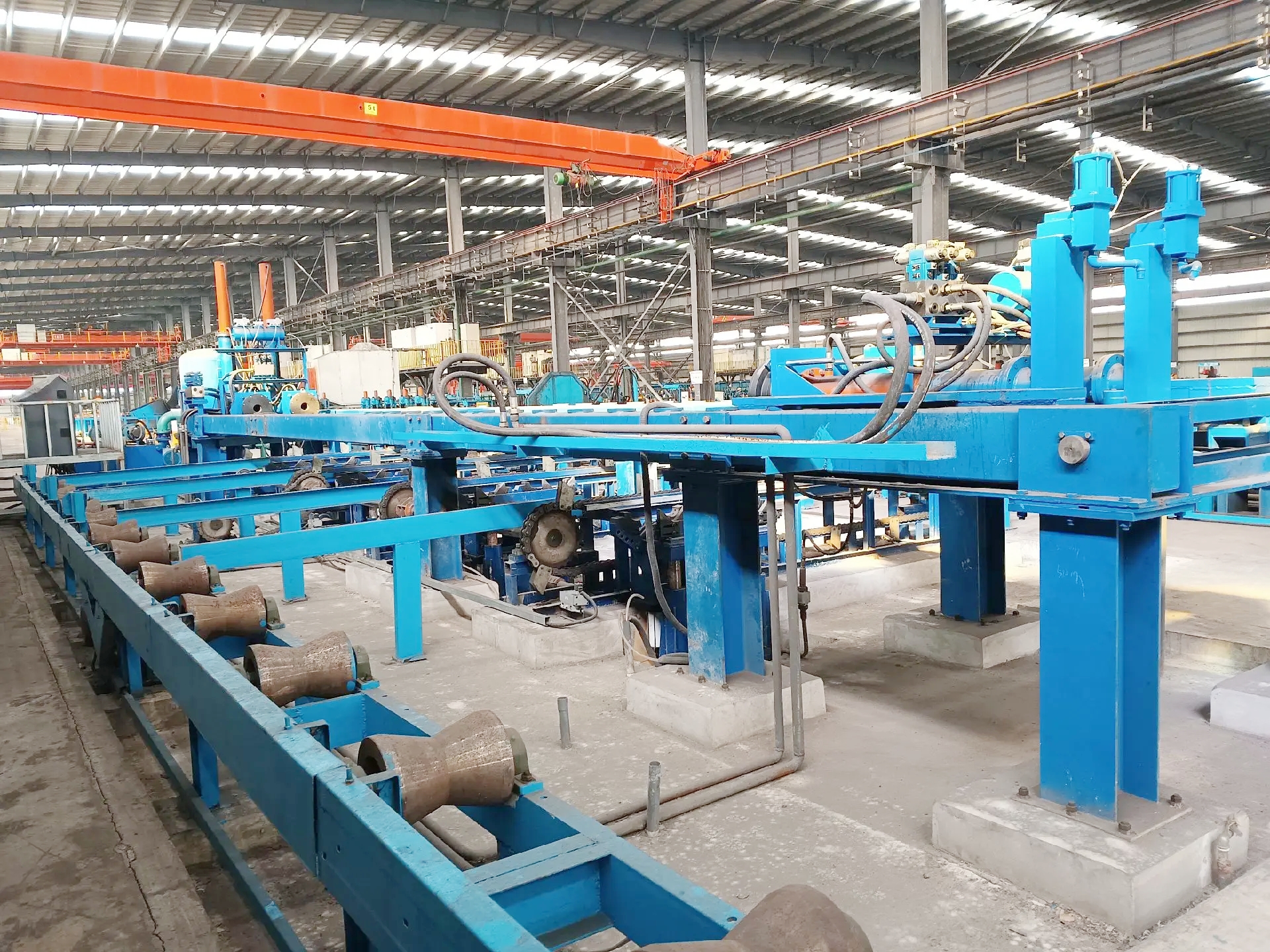
A hydro testing machine for pipe often runs unattended once started. That makes daily safety checks essential to prevent damage during an unexpected pressure spike or pump stall.
6. Document Any Issues and Track Trends
Maintenance isn’t effective if it isn’t recorded.
Even simple notes like:
-
“Seal replaced on line A”
-
“Filter cleaned before shift”
-
“Pressure gauge reading stable”
…can help you spot patterns over time.
Good logs also make life easier when calibration, parts ordering, or service calls are needed later.
7. Coordinate With Scheduled Weekly and Monthly Tasks
Daily checks are only one layer of a complete maintenance strategy. They should feed into weekly and monthly routines, such as:
-
Weekly cleaning of pump components and filters
-
Monthly sensor calibration checks
-
Hydraulic oil level inspection and change per manufacturer guidelines
Proper layering of maintenance ensures your hydro testing machine for pipe delivers consistent results and long service life without surprises.
The Big Picture: Maintenance Protects Quality
Technical teams often talk about consistency and uptime — and for good reason. A pipeline failure on site doesn’t just mean rework and warranty claims; it can damage customer relationships. A reliable machine backed by good maintenance practices means you can deliver confidently every time.
Daily small steps add up to fewer emergencies, predictable results, and a healthier production environment.