








A hydro testing machine for pipe is one of the workhorses on any fabrication or inspection floor. It verifies the strength and sealing integrity of steel pipes before they are released into service. But as durable and well-engineered as these systems are, they aren’t immune to trouble. Over time, wear and tear, incorrect operation, or environmental conditions can lead to common problems that affect accuracy, performance, and uptime.
Below we’ll walk through real failure issues that technicians often encounter with hydro testing machines for pipe — and, importantly, the practical solutions that help keep production moving smoothly.
1. Inconsistent Water Delivery or Pump Flow
Issue: Sometimes the hydro testing machine for pipe fails to push water into the system consistently. The test may show low pressure that never stabilizes, or water delivery stops mid-cycle.
Common Causes:
-
Valves not fully opened
-
Debris or scale blocking the inlet or outlet
-
Air pockets in the pump chamber
-
Wear in the impeller
Solution:
✔ Before each test, confirm all valves are fully open.
✔ Flush debris from the intake and discharge lines.
✔ Bleed air out of the pump housing to ensure it’s fully primed.
✔ Inspect the impeller for wear and replace if necessary.
Daily pre-test checks make this one of the easiest issues to prevent.
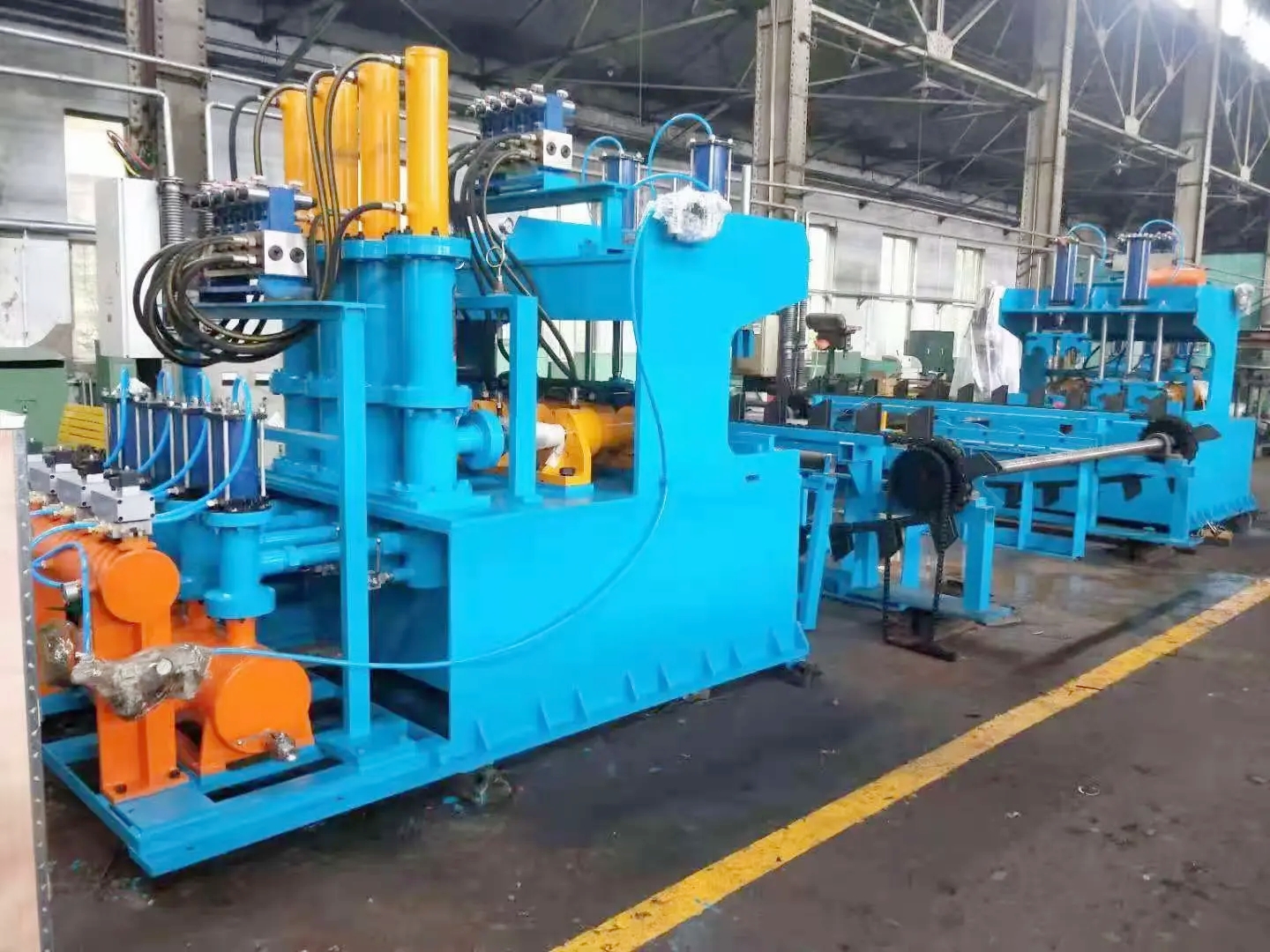
2. Pressure Spikes, Drops, or Erratic Test Readings
Issue: During a test cycle, the pressure may suddenly spike, fall, or wobble. These erratic fluctuations make interpreting results difficult and reduce confidence in a hydro testing machine for pipe.
Common Causes:
-
Loose fittings or poorly tightened connectors
-
Faulty or dirty pressure sensors
-
Improper venting of air from the pipeline before testing
Solution:
✔ Tighten all mechanical connections to manufacturer torque specs.
✔ Clean or replace pressure sensors and gauges that show inconsistent behavior.
✔ Vent air fully from the pipe before initiating pressure buildup — this ensures a stable, accurate test profile.
Stable pressure readings are critical for quality control documentation.
3. Leaks at Seals, Fittings, or Welded Joints
Issue: A hydro testing machine for pipe will only tell you whether the pipe holds pressure, not whether the issue is in the pipe or in your setup. Frequent leak failures often stem from peripheral issues such as packings, gaskets, or poor sealing.
Common Causes:
-
Seals, O-rings, or gaskets that have hardened or worn out
-
Misaligned fittings or connections
-
Improper flange torque
Solution:
✔ Perform routine seal inspections and replace aging gasket materials.
✔ Check alignment of connectors before pressurization.
✔ Use calibrated torque tools to tighten flanges and couplings properly.
Small leaks around fixtures are usually solvable onsite — don’t let them mask larger issues.
4. Pump Motor Overheating or Excessive Noise
Issue: If you hear abnormal sounds or feel excess heat around the pump, that’s a clear sign something is wrong with the hydro testing machine for pipe’s driving system.
Common Causes:
-
Bearings wearing
-
Pockets of air reducing fluid cooling
-
Blockage causing cavitation
Solution:
✔ Inspect bearings and lubricate or replace them as needed.
✔ Ensure the fluid pathway is clear — purge air and debris before each run.
✔ Reduce unnecessary backpressure by checking all line filters and ensuring proper flow paths.
Ignoring unusual sounds can turn a small maintenance task into a major repair.
5. Drift or Failure in Pressure Sensors
Issue: When the pressure gauge gives different readings from one test to the next, you’re looking at sensor drift — a common failure in any hydro testing machine for pipe.
Common Causes:
-
Sensor contamination
-
Electrical connection issues
-
Calibration drift over time
Solution:
✔ Clean sensor faces and electrical contacts.
✔ Check wiring harnesses for secure connections.
✔ Recalibrate sensors on a scheduled plan to ensure accuracy remains within tolerance.
Routine calibration ensures your machine’s readings remain trustworthy during audits and customer reviews.
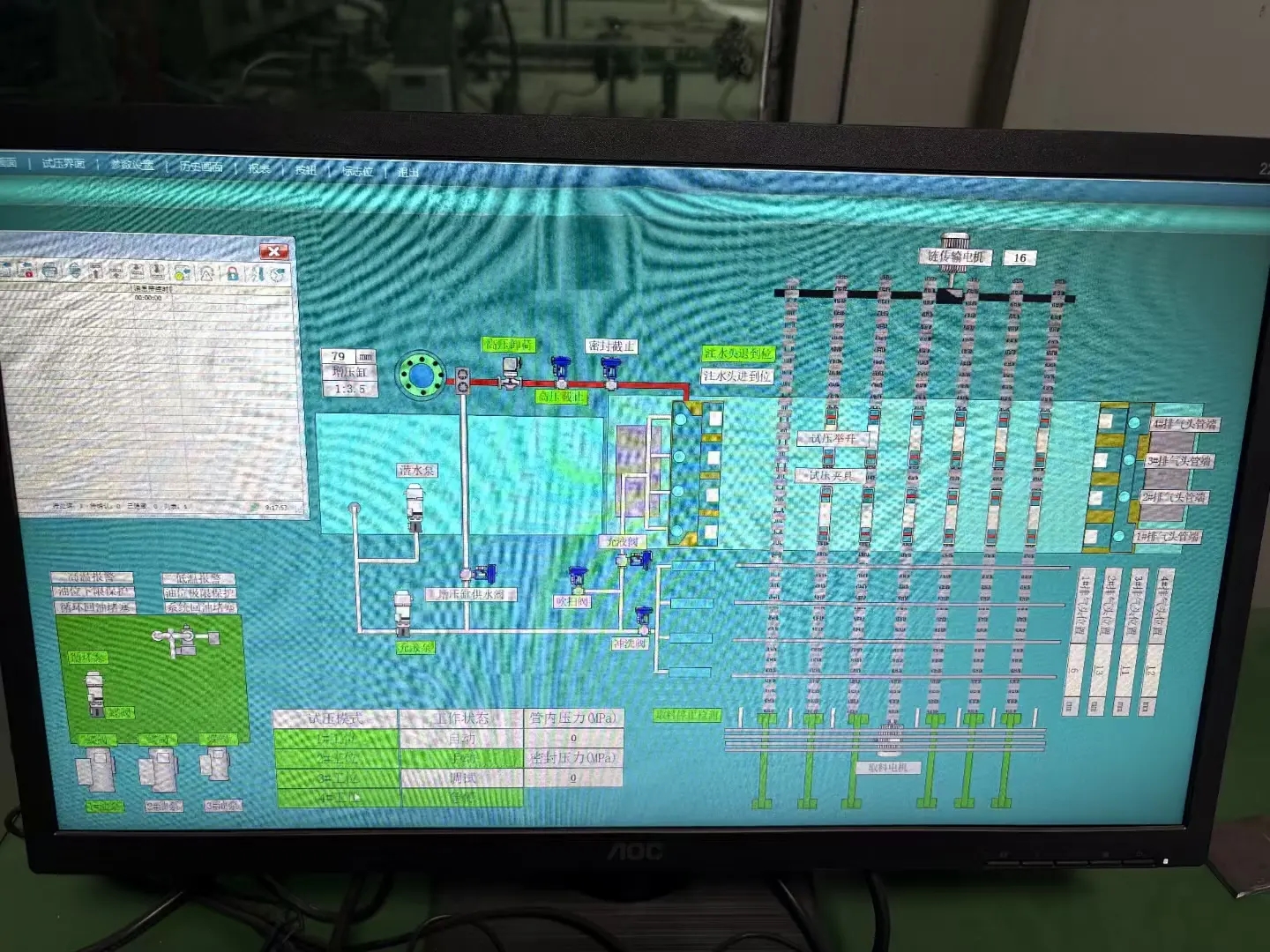
6. Operator Error or Improper Test Setup
Issue: Sometimes the problem isn’t mechanical at all. Incorrect procedures — like rushing the venting process or skipping safety checks — can lead to odd results or unnecessary failures in the hydro testing machine for pipe.
Solution:
✔ Train all operators on standardized procedures.
✔ Use documented checklists for setup and teardown.
✔ Ensure proper venting, gradual pressurization, and full drain-down after tests.
Standardizing protocols eliminates a lot of common failures before they happen.
Every hydro testing machine for pipe will show some signs of trouble over time — that’s just how heavy-duty industrial equipment behaves. What separates a dependable plant from the rest is how quickly and methodically you respond to failures. With regular inspection routines, proper training, and attention to common trouble spots like pump flow, pressure stability, sealing, and sensor accuracy, you’ll keep your test results reliable and your downtime low.