








Pressure stability is one of the most important outcomes you look for when using a hydro testing machine for pipe. A stable pressure curve not only confirms that a pipe has passed a quality check, but also means your testing procedure and equipment are working as intended. However, if pressure rises and falls unexpectedly — or refuses to hold at the setpoint — you can quickly find yourself stuck in troubleshooting mode. These issues are common across many plants and industries, and learning how to address them systematically can save time, money, and avoid unnecessary retests.
Below is a practical, human-level guide to help you understand why pressure instability happens and what you can do to fix it on a hydro testing machine for pipe.
Why Does Pressure Instability Happen?
In hydrostatic testing, pressure must remain as constant as possible during the hold phase of a test. Pressure instability on a hydro testing machine for pipe can stem from several areas:
-
Machine setup or hardware issues
-
Piping or test sample problems
-
Environmental or operational factors
While each root cause differs, the symptoms — fluctuating pressure — often look similar on the gauge. Understanding the differences is key to efficient troubleshooting.
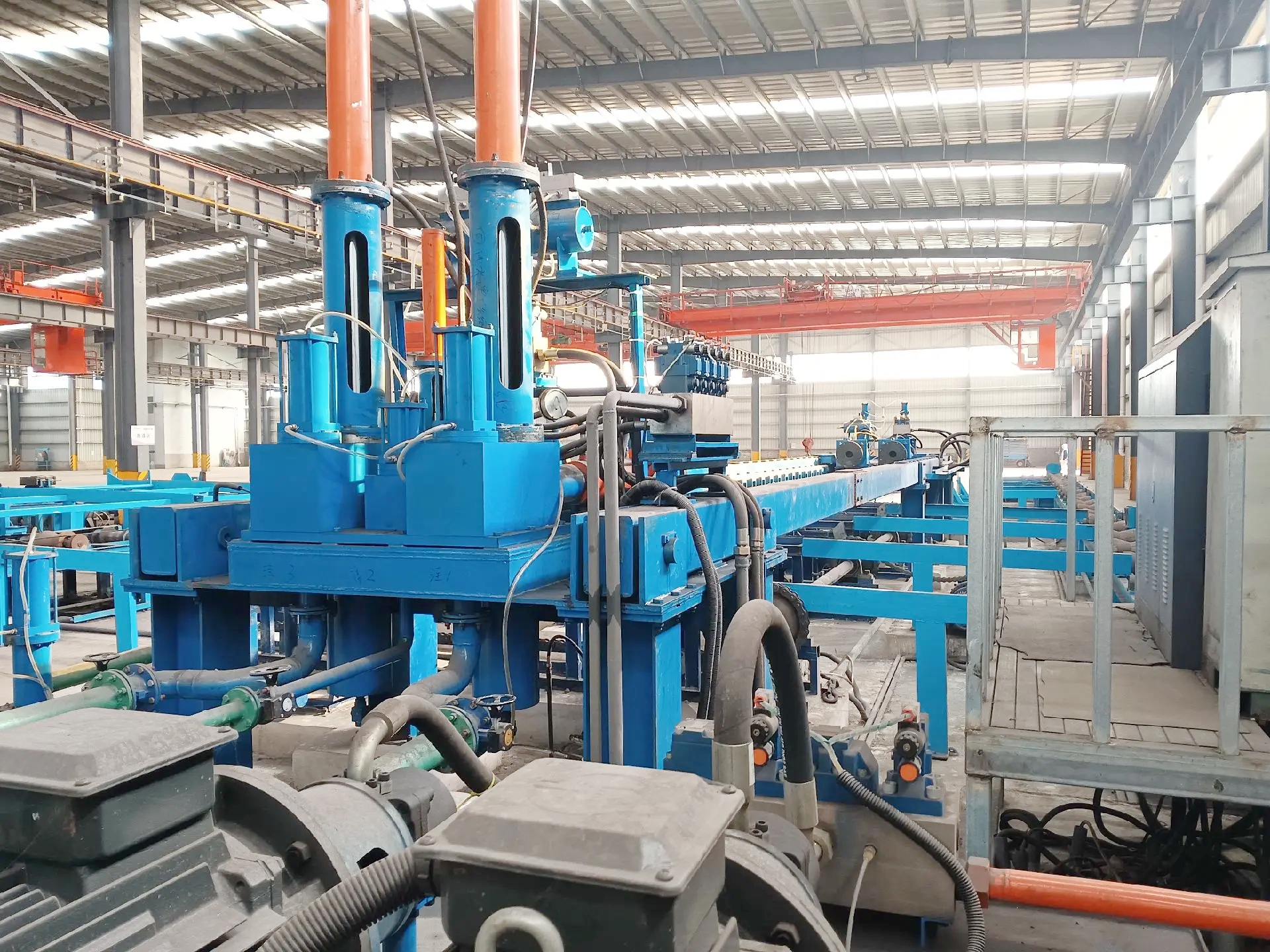
1. Air or Gas Entrapped in the System
One of the most common causes of pressure instability is simply having air pockets in the test setup. Water is almost incompressible, but air is compressible. If air remains in the pipe or test lines, even a small bubble will cause pressure readings to bounce and prevent the system from holding steady.
How to Fix It:
-
Before pressurizing, fill the pipe slowly while venting trapped air at high points or vent valves.
-
Use bleed valves to purge lines before final pressure is applied.
-
Make sure hoses and fittings are clear and that no air remains trapped inside them.
This step alone often eliminates the biggest source of pressure noise in a hydro testing machine for pipe test.
2. Loose or Faulty Connections
Loose fittings, valves that aren’t fully seated, or imperfect connections can slowly open or shift under pressure, causing micro leaks that show up as pressure instability.
What to Check:
-
Tighten all fittings and check valve positions carefully.
-
Ensure seals, O-rings, and gaskets are clean and in good condition.
-
Look for signs of water escaping at joints or interfacing components.
Even tiny leaks can cause measurable pressure drops on a hydro testing machine for pipe, so never underestimate how tight and clean your setup must be.
3. Inaccurate or Drifted Pressure Gauges
Sometimes the machine itself is doing its job fine, but the instruments reporting pressure aren’t accurate. Pressure sensors and gauges can drift over time, especially if they’ve experienced harsh conditions, impacts, or contamination.
Solutions:
-
Clean gauge faces and sensor ports to remove dirt or scale.
-
Calibrate your pressure sensors according to a regular maintenance schedule.
-
Replace ageing or damaged gauges.
A well-calibrated gauge is essential for reliable results on a hydro testing machine for pipe.
4. External Temperature Changes
Temperature can be an unexpected culprit in pressure instability. Water expands slightly with warmth and contracts when cooled. If your test setup sits outdoors or near machinery generating heat, these temperature swings can show up as pressure variation during a hold phase.
Helpful Tips:
-
Let test setups equalize to room temperature before starting.
-
Perform tests in controlled environments wherever possible.
-
If environmental control isn’t feasible, capture temperature data to correlate with pressure trends.
Pressure fluctuation due to temperature is subtle, but over long hold times it becomes noticeable on any hydro testing machine for pipe.
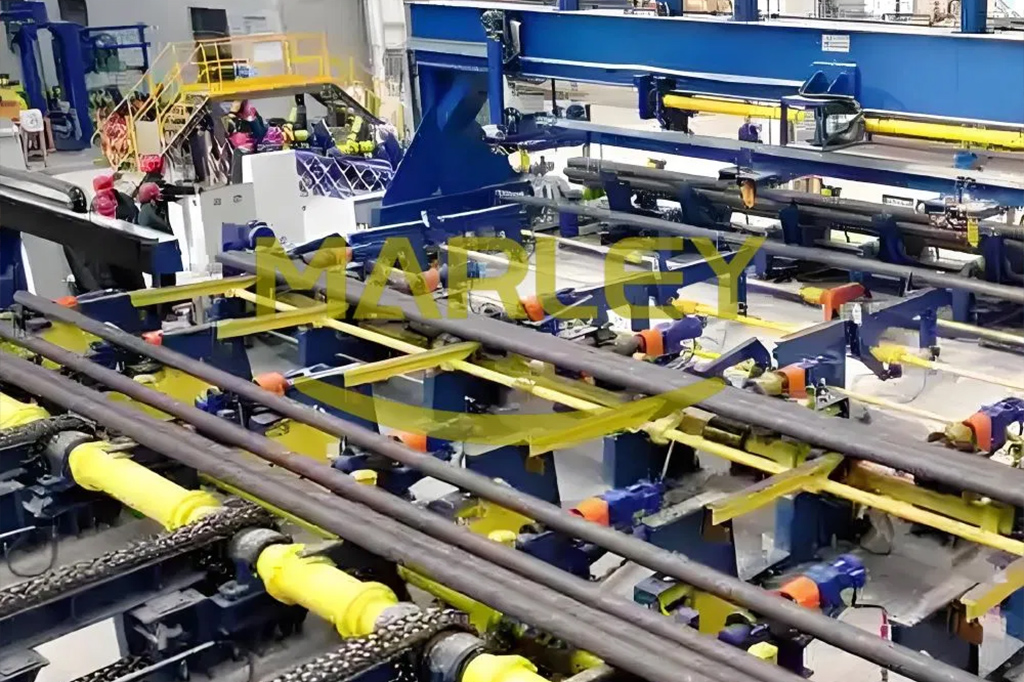
5. Pipe or Component Defects
Finally, sometimes the source of pressure instability is the pipe itself. Tiny defects like microcracks, incomplete welds, or manufacturing inconsistencies can let pressure shift as compression and relaxation happen within the pipe walls. These are real failure points — and they are exactly what a hydrostatic test is meant to catch.
Confirming the Issue:
-
If other causes have been ruled out, perform a secondary visual inspection.
-
Use leak-detection methods such as soapy water on joints or infrared detection.
-
Track recurring instability in specific pipe batches — this may indicate a deeper quality problem.
Pressure instability on a hydro testing machine for pipe isn’t always a machine error — sometimes it’s the product doing its job of revealing a defect.
Best Practices for Stable Pressure Results
Here are a few general habits that pay off over time:
Always purge air thoroughly before pressurization.
Keep sensors calibrated and check them often.
Tighten mechanical connections carefully every time.
Conduct tests in stable temperature environments when possible.
Maintain clean and updated maintenance logs.
By paying attention to these routine steps, you’ll reduce the number of times you encounter pressure fluctuation on your hydro testing machine for pipe.
Pressure instability doesn’t always mean disaster — but ignoring it is a mistake. Whether the cause is trapped air, loose fittings, instrument drift, temperature change, or an actual pipeline defect, the key is a methodical approach to troubleshooting. Over time, you’ll train your team to spot the root cause fast and keep test cycles predictable.
A stable pressure reading on your hydro testing machine for pipe isn’t just a number — it’s confidence in quality, safety, and customer satisfaction.