








Buying a hydro testing machine for pipe is a big step for any manufacturer. It’s not like picking a standard piece of equipment off the shelf — this machine becomes a central part of your quality inspection system, and getting it right at the start can save time, money, and headaches down the road. From pressure requirements to automation and long-term support, the right choices influence everything from test accuracy to uptime and compliance.
Here’s a practical, buyer-focused guide to what you should know — written in a grounded, human-to-human style, not like a generic marketing brochure.
1. Clarify Your Testing Requirements Before You Ask for Quotes
Before you even start comparing offers, take time to define what you actually need the hydro testing machine for:
-
What is the maximum pressure you need to test to?
-
What pipe sizes and lengths will it handle?
-
Is this for routine production, spot checks, or R&D?
-
Do you need data logging or certified reports for customer specifications?
Understanding your test program upfront helps you avoid ordering a machine that’s under-spec’d — a common mistake that forces later upgrades or, worse, invalid test results. Choose a unit whose pressure range not just meets but exceeds your requirements by a healthy safety margin to ensure durability and future flexibility.
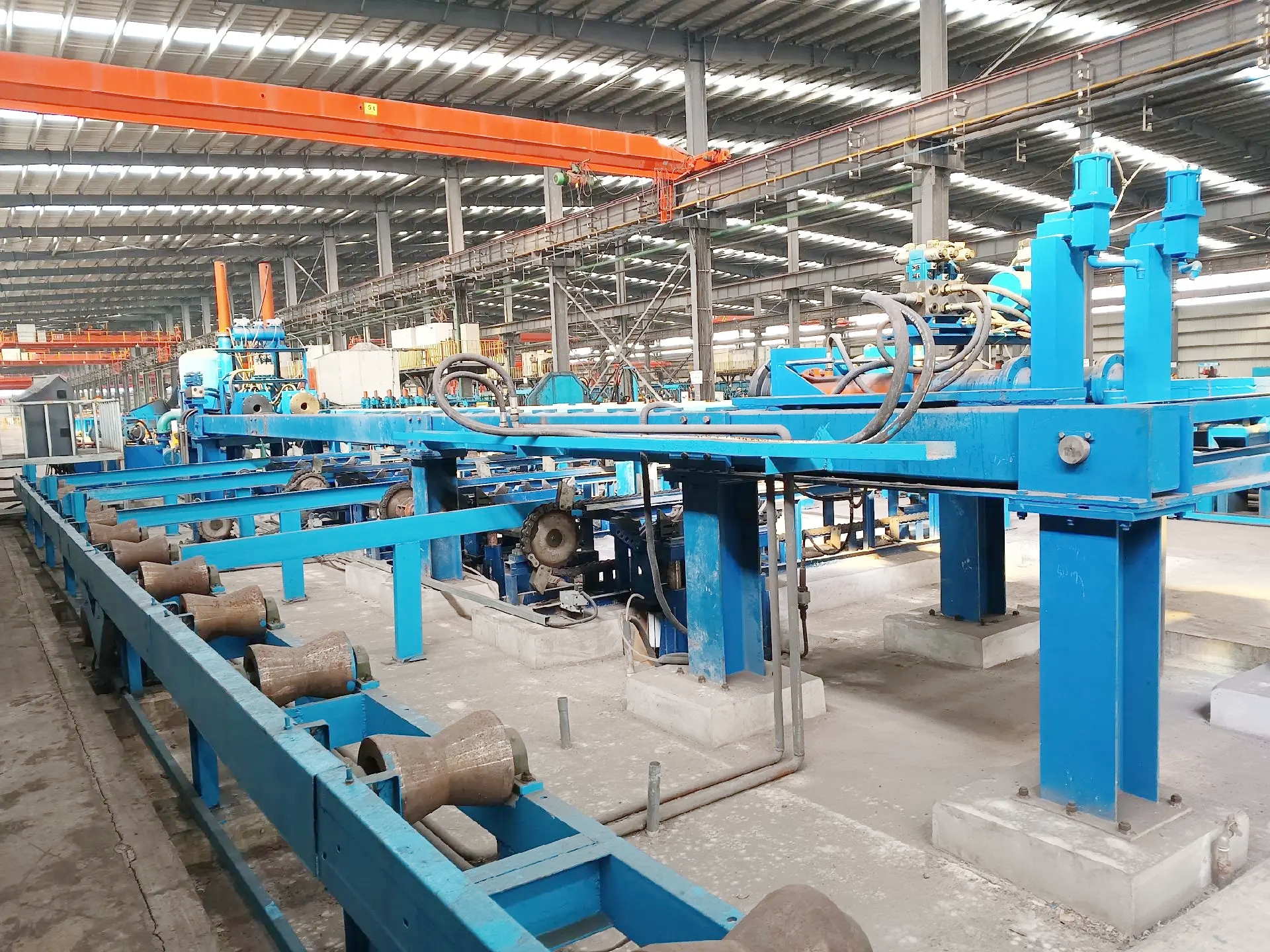
2. Don’t Ignore Pressure Capacity and Accuracy
The key job of a hydro testing machine for pipe is to pressurize pipes safely and repeatably. A machine that barely meets your current test pressure leaves no room for future standards or thicker-wall designs.
Good buyers aim for:
✔ Pressure capacity greater than your current highest requirement
✔ Digital precision readings with accurate sensors
✔ Stability and repeatability in pressure hold stages
Accurate pressure control not only makes tests more reliable — it reduces false failures or false passes, helping your quality team make decisions with confidence.
3. Look Closely at Control Systems and Automation
Today’s hydro testing machines can do much more than ramp up pressure and hold. Modern units often bring:
-
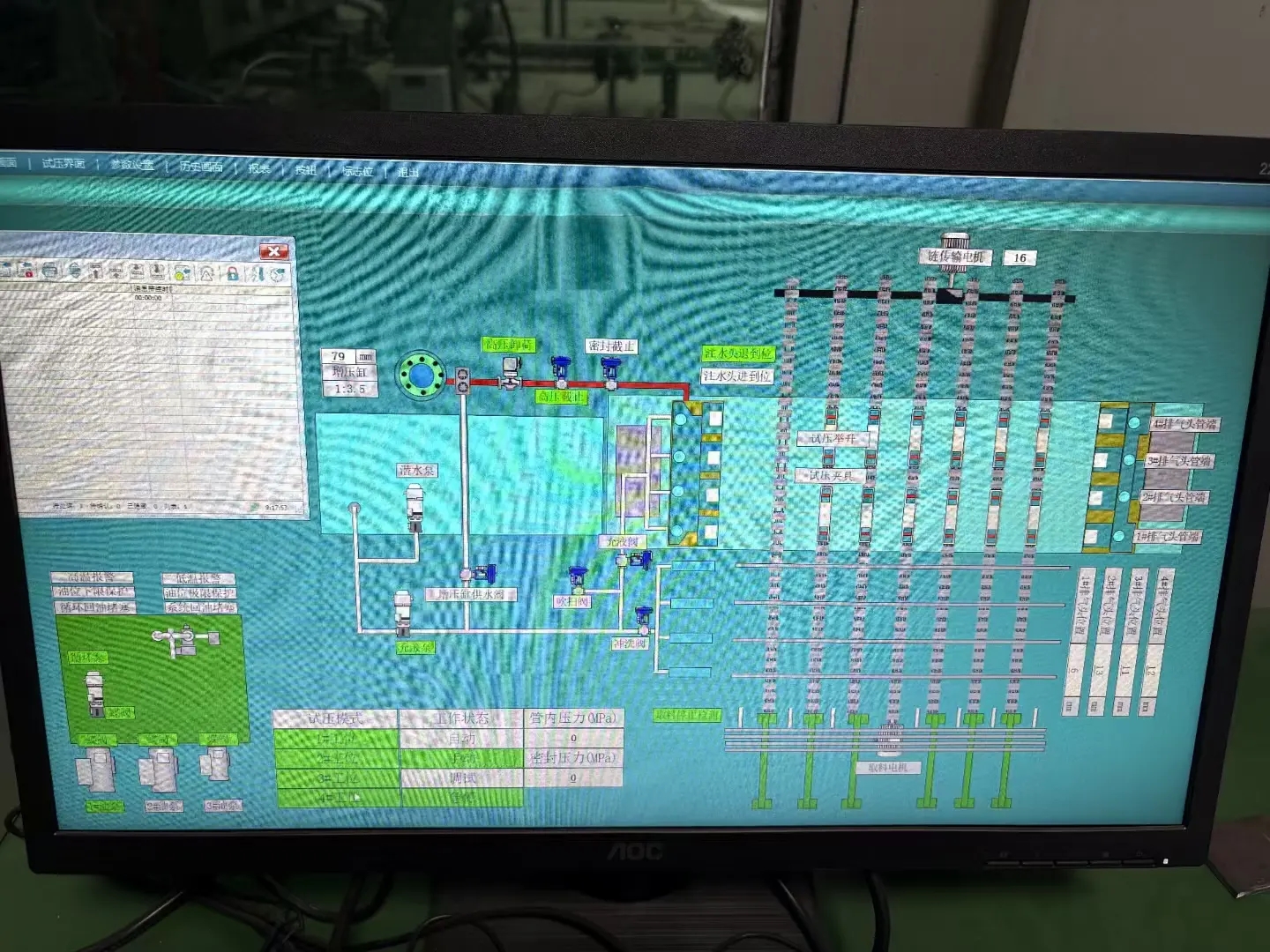
PLC or computer-controlled test sequences
-
Real-time monitoring & digital log outputs
-
Automatic pressure ramping and controlled hold times
These features improve consistency and cut down manual labor — especially valuable when you run large batches or need traceability for customer compliance. Automation also reduces operator fatigue and minimizes human error in repetitive tasks, which is a big plus for production floors.
4. Verify Safety Features Are Included
Hydrostatic testing involves stored energy — water under pressure. If something isn’t configured right, an uncontrolled event can damage the machine, product, or personnel.
Before ordering, check that the hydro testing machine for pipe includes:
-
Pressure relief valves
-
Emergency stop systems
-
Safety interlocks and burst protection
Good safety design protects people and prevents costly downtime. It also helps satisfy internal safety audits or external regulatory inspections.
5. Make Sure It Matches Your Pipe Sizes and Workflow
It sounds simple, but it’s often overlooked: make sure the machine’s physical capabilities match what you need it to do.
Ask:
-
Will it handle your largest pipe diameter and maximum length?
-
Can fixtures or clamping systems be adapted easily if product dimensions change?
-
Does it fit into your workflow without major re-routing or plant modifications?
A hydro testing machine for pipe that cannot accommodate your size range will slow production and add hidden costs. Some machines offer modular tooling systems that make size changeovers faster — worth considering if you handle a wide range of products.
6. Think About Standards Compliance and Documentation
Many markets require documented evidence that pipes have passed hydrostatic or pressure tests to specific criteria. If your customers or regulators demand proof, you want a machine that can:
✔ Output electronic test reports
✔ Store pressure-time curves
✔ Support exportable test archives
Digital traceability is becoming more common — and in many cases, essential — especially in industries like oil & gas, water infrastructure, and industrial fluid systems. Don’t buy a machine that only shows an analog dial if you need certified records.
7. Choose a Supplier with Strong After-Sales Support
A hydro testing machine for pipe is a long-term investment. Once it’s on your floor, the supplier relationship matters — especially for:
-
Installation support
-
Training for operators
-
Spare parts availability
-
Maintenance and warranty response
Cheaper machines that lack good support often cost more over time in downtime and unscheduled repairs. A solid vendor can prevent issues before they grow and help your team get the most value from the machine.
8. Avoid Common Buyer Mistakes
Here are a few pitfalls to steer clear of:
Choosing by price alone — undersized machines cost more over the long haul.
Ignoring future needs — always plan for possible production expansion.
Skipping safety features — cutting corners here raises risk for your team.
Forgetting documentation needs — without traceability you may lose bids.
Final Checklist Before You Order
Before you sign the purchase order for your hydro testing machine for pipe, confirm you’ve answered these:
✔ Does it cover current and future pressure needs?
✔ Can it handle all pipe sizes and lengths you produce?
✔ Is automation and data capture sufficient for your quality goals?
✔ Are safety systems fully integrated?
✔ Will the supplier support your team after installation?
Taking a little time now to verify these details will pay dividends — both in testing quality and operational efficiency.