








In hydrostatic testing, stable pressure is the foundation of accurate results. However, many manufacturers encounter pressure fluctuation issues when using a pipe pressure testing machine, which can lead to false readings, failed tests, and reduced production efficiency.In this article, we will explain the main reasons why pressure becomes unstable and provide practical solutions to fix it. If you are using a pipe pressure testing machine for steel pipe testing, these insights will help you improve both accuracy and reliability.
Why Pressure Stability Matters in Pipe Testing
A stable pressure system ensures:
- Accurate leak detection
- Consistent testing results
- Compliance with industry standards (API, ASTM)
- Safe operation during high-pressure testing
Even small pressure fluctuations in a pipe pressure testing machine can affect the final judgment of whether a pipe passes or fails.
Common Causes of Pressure Instability
1. Air Trapped Inside the Pipe
Air pockets compress under pressure and cause unstable readings.
Solution:
- Ensure complete water filling before testing
- Use automatic air venting systems
2. Poor Sealing System
If the pipe ends are not sealed properly, pressure may drop or fluctuate.
Solution:
- Check sealing rings regularly
- Use high-quality sealing materials
- Ensure correct pipe alignment during clamping
3. Pressure Control System Issues
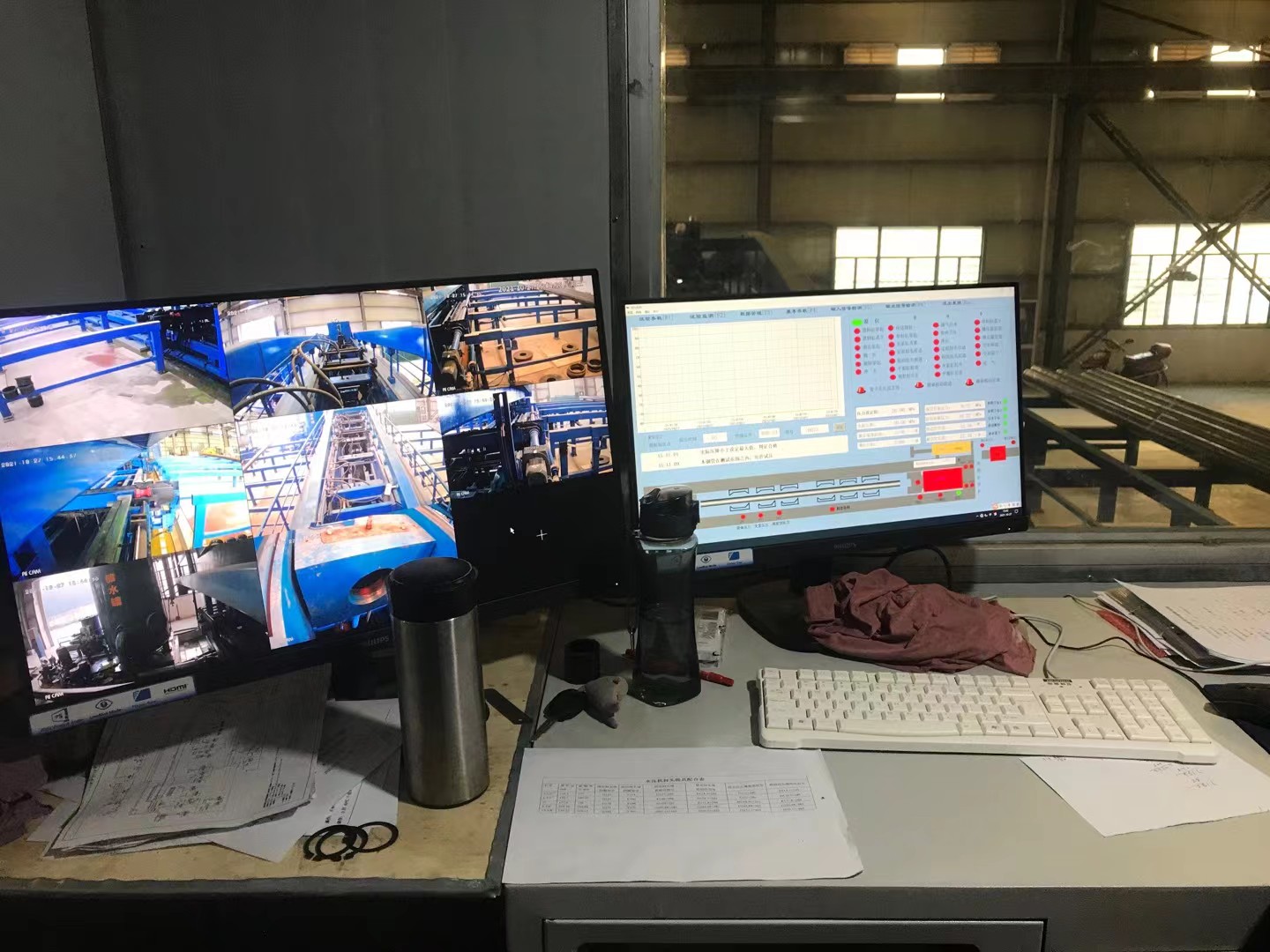
A low-quality or outdated control system may fail to maintain stable pressure.
Solution:
- Upgrade to PLC-controlled systems
- Use proportional valves for precise pressure adjustment
A modern pipe pressure testing machine with advanced control ensures smoother operation.
4. Pump Performance Problems
An unstable or insufficient pump can lead to pressure fluctuation.
Solution:
- Regularly maintain the high-pressure pump
- Ensure sufficient capacity for required pressure levels
- Replace worn components
5. Sensor Inaccuracy
Incorrect sensor readings can give the impression of unstable pressure.
Solution:
- Use high-precision pressure sensors
- Calibrate sensors regularly
6. Pipeline Vibration or External Factors
External vibration or unstable installation may affect pressure readings.
Solution:
- Install the machine on a stable foundation
- Reduce vibration sources near the equipment
How to Fix Pressure Instability Effectively
To improve the performance of your pipe pressure testing machine, follow these steps:
✔ Step 1: Eliminate Air Completely
✔ Step 2: Improve Sealing System
✔ Step 3: Use Stable Pressure Control (PLC)
✔ Step 4: Maintain Pump System
✔ Step 5: Calibrate Sensors Regularly
Recommended Parameters for Stable Testing
Parameter
Recommended Value
Pressure Stability
±1%
Test Medium
Water
Air Removal
Required
Control System
PLC Automatic
Holding Time
30–120 seconds
Real Factory Case: Solving Pressure Instability
A steel pipe manufacturer experienced unstable pressure during testing with their pipe pressure testing machine.
After implementing the following improvements:
- Upgraded sealing system
- Installed high-precision sensors
- Improved air removal process
Results:
- Stable pressure throughout testing
- Reduced false failures
- Improved production efficiency
How to Choose a Stable Pipe Pressure Testing Machine
When selecting a pipe pressure testing machine, consider:
- Pressure control system quality
- Pump stability
- Sensor accuracy
- Sealing mechanism design
- Automation level
Choosing the right equipment can prevent most pressure instability issues from the beginning.
Conclusion
Pressure instability in a pipe pressure testing machine is a common but solvable issue. By identifying the root causes—such as air, sealing problems, or control system limitations—and applying the right solutions, manufacturers can achieve stable and reliable testing results.
If you are experiencing pressure instability or planning to upgrade your testing system, feel free to contact us for professional advice and customized solutions.