








In many factories, a Pipe pressure testing machine is one of the most heavily used pieces of equipment — running daily under high pressure, water exposure, and continuous cycles.
Yet here’s the problem:
Many machines fail not because of poor quality — but because of poor maintenance.
If properly managed, a Pipe pressure testing machine can last years longer, reduce downtime, and maintain high testing accuracy.
This article shares practical, real factory-level strategies to extend service life — not theory, but what actually works on the shop floor.
Why Service Life Matters More Than You Think
Extending the lifespan of your Pipe pressure testing machine is not just about saving money.
It directly impacts:
- Production continuity
- Testing accuracy
- Safety performance
- Customer trust
Regular maintenance and inspection can minimize wear, reduce downtime, and prevent unexpected failures
In short: longer machine life = higher ROI.
What Causes Early Failure in Pipe Pressure Testing Machines?
From real factory observations, the most common causes include:
- Water residue leading to corrosion
- Lack of lubrication in moving parts
- Worn seals and valves
- Dirty or contaminated fluids
- Poor maintenance scheduling
Even high-end Pipe pressure testing machine systems will degrade quickly without proper care.
8 Proven Ways to Extend Pipe Pressure Testing Machine Service Life
1. Clean the Machine After Every Test
Water, rust, and debris are silent killers.
- Wipe the test chamber and surfaces daily
- Remove sediment and scaling
- Keep hoses and fittings clean
Regular cleaning prevents corrosion and buildup over time
Simple habit, huge impact.
2. Perform Routine Component Inspections
A reliable Pipe pressure testing machine depends on small parts:
- Check valves, hoses, and connectors
- Look for leaks or loose fittings
- Replace worn seals early
Early detection prevents major failures later.
3. Maintain Pump and Hydraulic System Health
The pump is the heart of the system.
Best practices:
- Clean internal channels
- Monitor vibration and noise
- Lubricate moving parts
- Ensure stable power supply
Contamination or cavitation can cause severe damage if ignored
4. Use Clean and Consistent Fluids
Fluid quality directly affects machine lifespan.
- Avoid mixing different hydraulic oils
- Monitor oil level and temperature
- Replace contaminated fluids
Dirty or inconsistent fluids accelerate wear in hydraulic components
5. Follow a Preventive Maintenance Schedule
This is where most factories fail.
A proper schedule includes:
|
Frequency |
Key Tasks |
|
Daily |
Cleaning, leak checks |
|
Weekly |
Valve & hose inspection |
|
Monthly |
Filter cleaning, seal checks |
|
Quarterly |
System calibration |
|
Annually |
Full system overhaul |
Preventive routines help avoid unexpected breakdowns and extend service life significantly
6. Regular Calibration and Accuracy Checks
A Pipe pressure testing machine must remain precise.
- Calibrate pressure gauges and sensors
- Verify data accuracy
- Replace drifting instruments
Accurate calibration ensures reliable results and prevents faulty testing
7. Replace Wear Parts Before Failure
Every machine has consumables:
- Seals
- Filters
- O-rings
- Valves
Replacing them regularly is essential to maintain reliability and extend machine life
8. Store and Operate in Proper Environment
Environment matters more than most realize.
- Keep machine in dry, clean space
- Avoid extreme humidity or temperature
- Protect electrical systems from moisture
Proper storage prevents corrosion and electrical damage
Before vs After Proper Maintenance
The difference is not the machine — it’s the management.
Aspect
Poor Maintenance
Proper Maintenance
Machine Lifespan
3–5 years
8–12+ years
Downtime
Frequent
Minimal
Repair Cost
High
Controlled
Testing Accuracy
Inconsistent
Stable
ROI
Low
High
Real Factory Insight
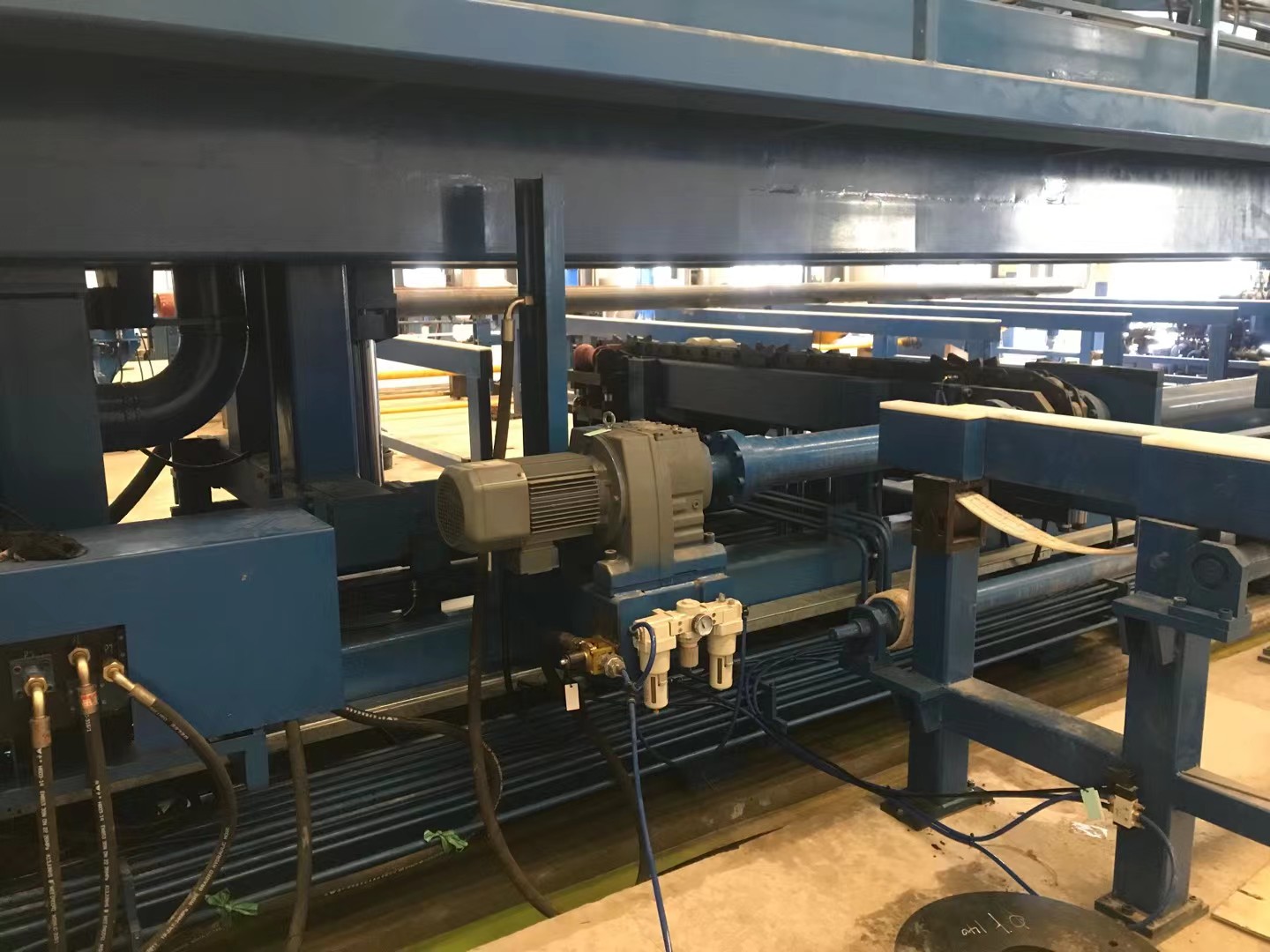
One factory using a Pipe pressure testing machine had:
- Frequent seal failures
- Pressure instability
- High maintenance costs
After implementing:
- Weekly inspections
- Fluid management
- Scheduled part replacement
Results within 3 months:
- 40% fewer breakdowns
- Stable pressure performance
- Extended machine lifespan
Common Mistakes to Avoid
Even experienced factories make these errors:
- Ignoring small leaks
- Skipping maintenance schedules
- Using low-quality replacement parts
- Mixing hydraulic fluids
- Delaying calibration
These shortcuts always lead to higher long-term costs.
Final Thoughts: Maintenance Is Your Best Investment
A Pipe pressure testing machine is a long-term asset — but only if you treat it like one.
By applying:
- Preventive maintenance
- Proper cleaning
- Timely part replacement
You can:
- Extend service life
- Reduce downtime
- Improve testing reliability
And most importantly — maximize your return on investment.