








Modern cities depend on reliable pipelines. Water supply networks, drainage systems, fire protection lines, bridge projects, tunneling works, and municipal utility systems all require pipes that can handle pressure safely over many years.
That is why a professional Pipe pressure testing machine is essential for construction and infrastructure pipe production. Before pipes are delivered to a jobsite, contractors and manufacturers need proof that every batch meets pressure, leakage, and durability requirements.This article explains how a Pipe pressure testing machine supports construction and infrastructure projects, what buyers should look for, and how the right system improves quality, efficiency, and customer confidence.
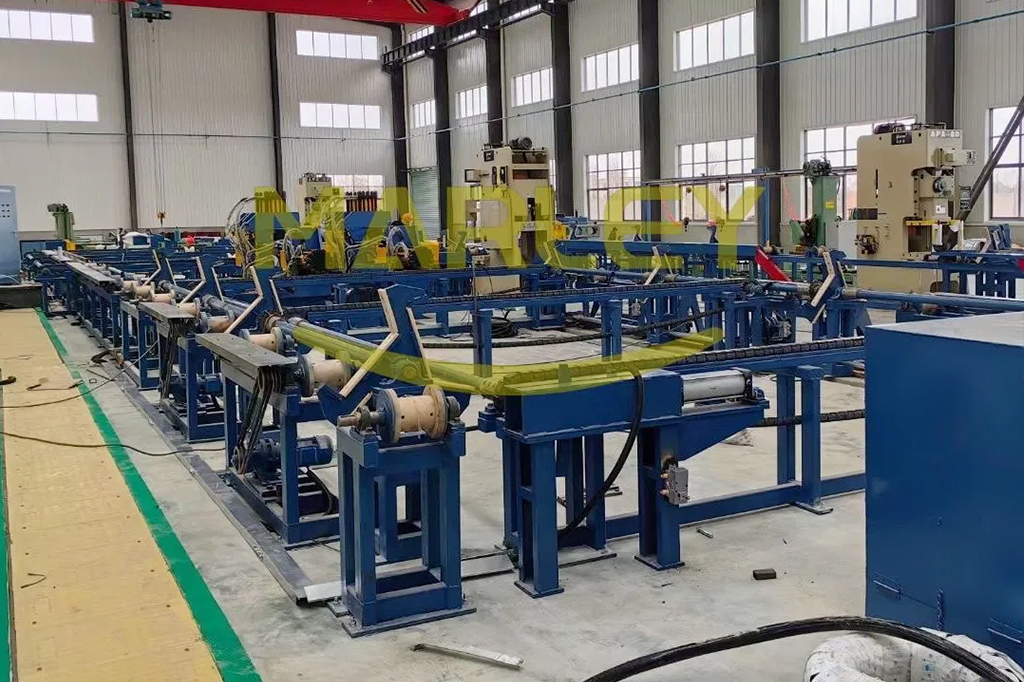
Why Pressure Testing Matters in Construction Projects
Construction and infrastructure pipes are often buried underground, installed inside buildings, or integrated into public systems. Once installed, repairs are expensive and disruptive.
A proper hydrostatic pressure test helps verify:
- Pipe wall strength
- Leak-tight sealing performance
- Joint reliability
- Manufacturing consistency
- Compliance with project standards
Hydrostatic testing typically fills the pipe with water, removes air, raises pressure to a target level, and monitors for leakage or pressure drop. This remains one of the safest and most common testing methods because water stores less energy than compressed gas.
That is why many factories rely on a Pipe pressure testing machine before shipment.
Where Pipe Pressure Testing Machines Are Used in Infrastructure Markets
A modern Pipe pressure testing machine is widely used for:
- Municipal water supply pipes
- Drainage and sewage pressure lines
- Building fire sprinkler pipes
- HVAC and utility piping
- Bridge and tunnel pipe systems
- Steel structural casing pipes
- Plastic pressure pipes (PVC / PE / PPR)
- Industrial plant infrastructure pipelines
Construction buyers increasingly request test records before accepting deliveries.
8 Key Requirements for Pipe Pressure Testing Machine in Construction Pipe Production
1. Multi-Material Compatibility
Infrastructure projects use many pipe materials. Your Pipe pressure testing machine should support:
- Carbon steel pipes
- Stainless steel pipes
- PVC pipes
- PE / HDPE pipes
- Composite pipes
Flexible sealing and adjustable fixtures reduce changeover time.
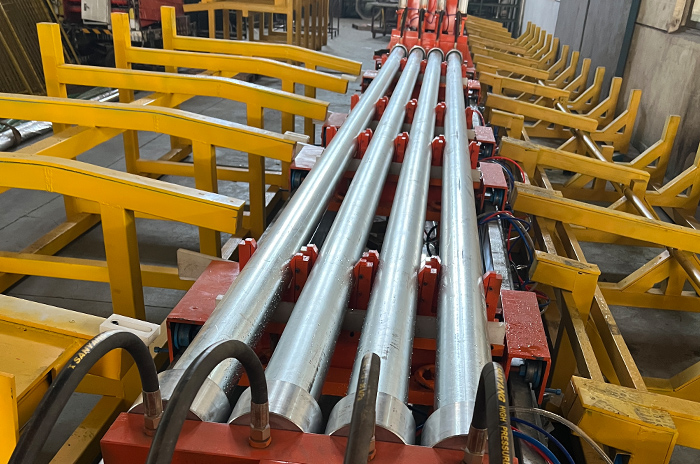
2. Wide Size Range
Construction projects may require both small and large diameters.
Choose a Pipe pressure testing machine that handles:
| Pipe Type | Typical Need |
|---|---|
| Small building pipe | Fast batch testing |
| Medium municipal pipe | Stable pressure holding |
| Large infrastructure pipe | Heavy-duty clamping |
| Thick-wall pipe | High pressure capability |
3. Stable Pressure Accuracy
In construction supply chains, repeatable quality matters more than “maximum speed.”
A professional Pipe pressure testing machine should offer:
- Smooth pressure ramp-up
- Accurate pressure sensors
- Stable hold pressure
- Automatic leak detection
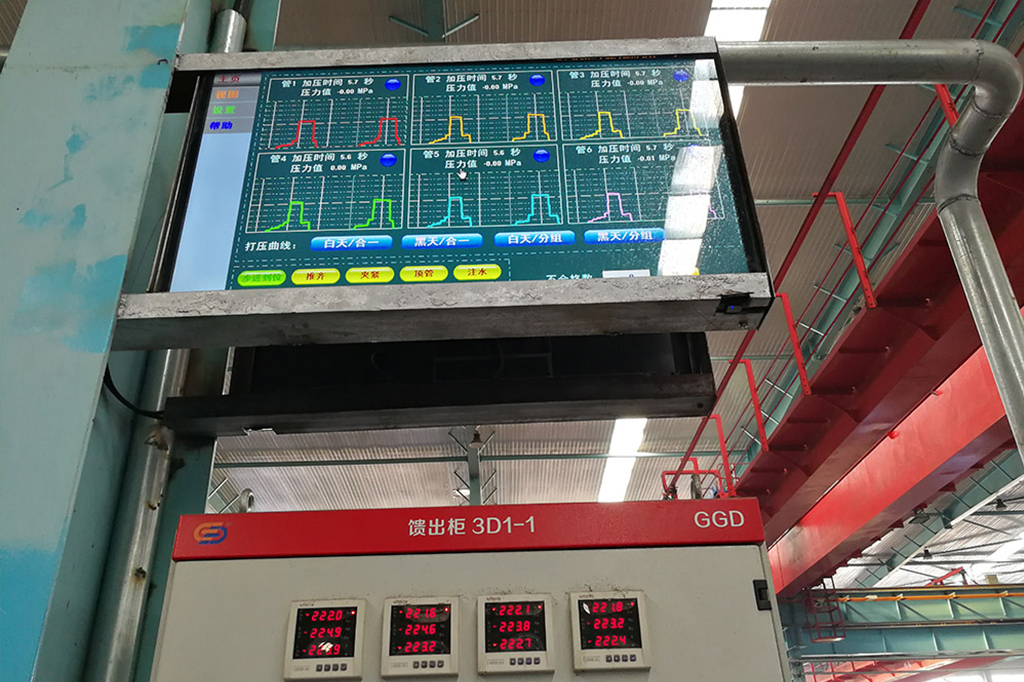
Modern systems often log pressure curves and alert operators to abnormal drops.
4. Fast Testing Cycle for Project Deadlines
Large projects need thousands of pipes delivered on schedule.
To improve output, the right Pipe pressure testing machine should include:
- Fast filling system
- Quick clamp design
- Automated test sequence
- Rapid draining process
Faster testing means faster delivery and better factory throughput.
5. PLC Automation for Consistency
Manual systems depend too much on operator experience.
A PLC-controlled Pipe pressure testing machine helps by automating:
- Fill time
- Pressure ramping
- Hold duration
- Pass/fail judgment
- Report storage
Automated cycles improve consistency and reduce human error.
6. Strong Safety Protection
Pressure testing always requires safety controls.
Look for:
- Safety guarding
- Emergency stop
- Pressure relief valves
- Interlocked doors
- Alarm system
Reliable safety systems protect workers and reduce downtime.
7. Corrosion Resistance for Daily Factory Use
Because hydrostatic testing uses water, machine durability matters.
A high-quality Pipe pressure testing machine should include:
- Anti-rust frame coating
- Stainless contact components
- Durable seals
- Easy drainage design
This extends service life in demanding factory environments.
8. Test Record Traceability
Many contractors and distributors now request proof of testing.
Useful features include:
- Pressure charts
- Serial number matching
- Date/time reports
- Digital export files
This helps resolve claims and improves buyer trust.
Manual Testing vs Modern Pipe Pressure Testing Machine
| Feature | Manual Setup | Modern Pipe Pressure Testing Machine |
|---|---|---|
| Pressure Accuracy | Variable | High |
| Testing Speed | Slow | Fast |
| Repeatability | Low | Excellent |
| Data Recording | Manual | Automatic |
| Safety | Lower | Higher |
| Large Order Capacity | Limited | Strong |
Real Factory Example
A supplier producing municipal water pipes for a city project struggled with delivery delays because testing was manual.
After upgrading to an automated Pipe pressure testing machine, results included:
- 35% faster cycle time
- Better batch consistency
- Easier inspection approval
- Lower labor dependency
For project suppliers, that directly improves competitiveness.
Common Buying Mistakes to Avoid
When choosing a Pipe pressure testing machine, avoid focusing only on price.
Common mistakes:
- Pressure range too low
- No automation system
- Slow fixture changeover
- Weak after-sales support
- Poor seal quality
- No report function
Cheap machines often cost more later through downtime and rework.
Why Contractors Prefer Suppliers With Testing Capability
Construction buyers prefer manufacturers who can prove quality quickly.
A supplier using a modern Pipe pressure testing machine can usually offer:
- Faster approvals
- Lower risk shipments
- More reliable quality
- Easier compliance documentation
That creates trust and repeat business.
Final Thoughts
Construction and infrastructure projects cannot afford pipeline failures. A dependable Pipe pressure testing machine helps manufacturers supply safer, stronger, and more consistent pipes for public works, buildings, and utilities.
The right machine improves:
- Production speed
- Quality control
- Safety
- Customer confidence
- Long-term ROI
If your company supplies construction pipe markets, investing in the right testing system is a smart growth move.