








For many pipe manufacturers, testing is not optional — it is the final checkpoint before shipment. But one major question still divides factory owners: should you continue with manual testing methods, or invest in a Pipe pressure testing machine?
At first glance, manual testing may seem cheaper because labor already exists and the upfront investment is low. But when you calculate labor hours, downtime, inconsistent results, rejected pipes, delayed delivery, and safety risk, the answer often changes quickly.In this article, we compare real factory costs, efficiency, and long-term return so you can choose the smarter path.
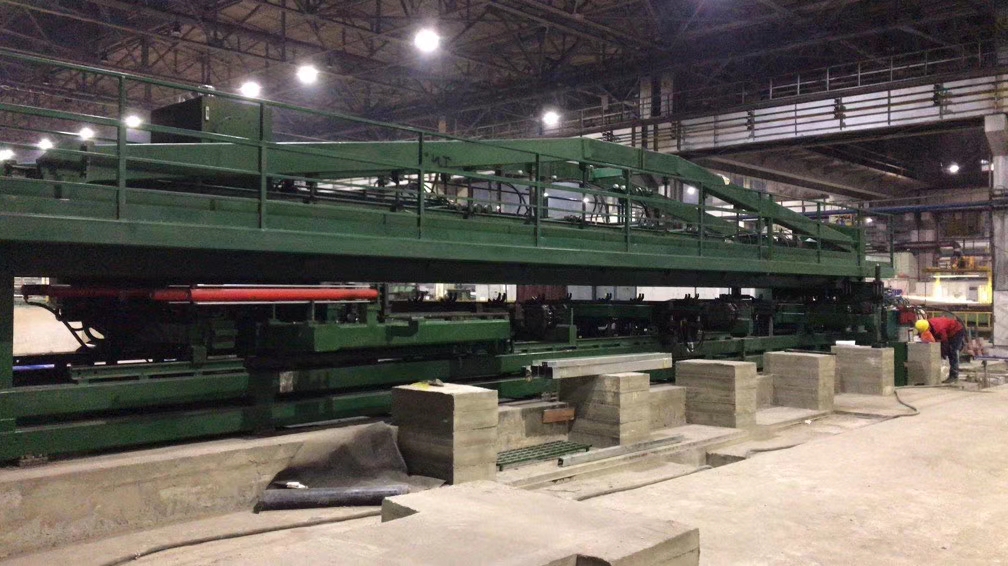
What Is the Difference?
Manual Testing
Manual testing usually relies on:
- Hand-operated or basic pump systems
- Separate gauges
- Manual filling and venting
- Visual leak inspection
- Handwritten records
- Operator judgment
This method is common in smaller workshops or low-volume production lines.
Pipe pressure testing machine
A modern Pipe pressure testing machine usually includes:
- Automated pressure control
- Fast filling and venting systems
- Stable hold-pressure testing
- Digital data recording
- Repeatable cycles
- Safety interlocks
- Faster loading/unloading options
Modern hydrostatic testing systems emphasize fast, accurate, and stable pressure control with automated settings.
Upfront Cost vs Real Cost
Many buyers only compare purchase price. That is a mistake.
Manual testing has lower startup cost, but often higher ongoing cost. A Pipe pressure testing machine has higher capital cost, but usually lower cost per pipe over time.
Cost Comparison Table
|
Cost Factor |
Manual Testing |
Pipe pressure testing machine |
|
Initial investment |
Low |
Medium to High |
|
Labor cost |
High |
Low to Medium |
|
Test speed |
Slow |
Fast |
|
Repeatability |
Depends on operator |
High |
|
Scrap / retest risk |
Higher |
Lower |
|
Documentation |
Weak |
Strong |
|
Safety level |
Lower |
Higher |
|
Cost per pipe (volume production) |
Higher |
Lower |
Industrial hydro testing systems can range widely in price depending on automation and capacity, from tens of thousands to large turnkey systems above $200,000.
1. Labor Cost: The Hidden Expense
Many factories underestimate labor.
Manual testing often needs:
- 2–4 workers
- More setup time
- More monitoring time
- More rework when leaks occur
Industry discussions note hydro testing in production environments often requires multiple workers and becomes manpower-heavy.
By contrast, one Pipe pressure testing machine operator can often supervise a larger output line.
Example
If manual testing uses 3 workers per shift and automation uses 1 worker, monthly savings can become significant within one year.
2. Speed: Production Delay Is Expensive
Every minute a pipe waits in testing delays shipment.
Manual testing commonly loses time in:
- Filling pipes slowly
- Air bleeding manually
- Rechecking gauges
- Writing reports
- Repeating failed cycles
A Pipe pressure testing machine shortens cycle time through automatic pressurization and repeatable sequences.
For mills shipping hundreds of pipes monthly, speed savings often exceed labor savings.
3. Accuracy: False Failures Cost Money
Manual testing depends heavily on experience.
That creates risks such as:
- False leak diagnosis
- Wrong pressure hold time
- Missed pressure drop
- Human recording errors
A calibrated Pipe pressure testing machine applies the same standard every cycle, helping reduce disputes and unnecessary scrap.
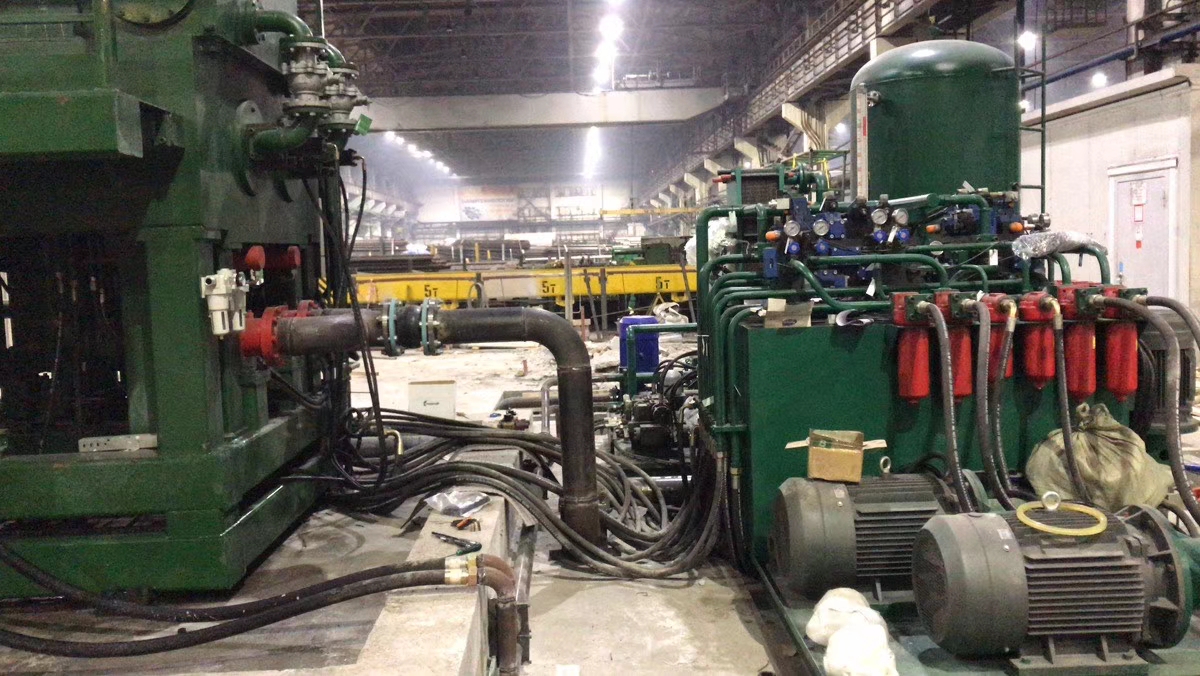
4. Safety: Often Ignored Until Something Happens
Testing under pressure always carries risk.
Manual setups with poor venting, rushed fittings, or inconsistent procedures can expose workers to hazards. Engineering discussions regularly note hydro testing is safer than pneumatic testing because water stores less energy than compressed gas.
Modern Pipe pressure testing machine systems usually add:
- Controlled pressure ramping
- Automatic shutdown
- Safer operator distance
- Locked guarding zones
One accident can cost more than automation.
5. Data & Customer Confidence
Large buyers increasingly request traceable reports.
Manual testing often provides:
- Paper notes
- Incomplete records
- Hard-to-audit results
A Pipe pressure testing machine can store:
- Test pressure curves
- Hold times
- Pass/fail logs
- Batch history
- Exportable reports
This helps win export orders and customer trust.
Which Saves More Cost by Factory Type?
Factory Type
Better Choice
Small custom workshop (low volume)
Manual or semi-auto
Growing regional mill
Pipe pressure testing machine
Export pipe producer
Pipe pressure testing machine
High-volume steel pipe mill
Pipe pressure testing machine
API / strict quality market
Pipe pressure testing machine
Real ROI Thinking
Many owners ask: “How long until payback?”
A Pipe pressure testing machine may recover cost through:
- Lower labor expense
- Fewer rejected pipes
- Faster throughput
- Less downtime
- More orders from better quality reputation
For active mills, ROI can arrive faster than expected.
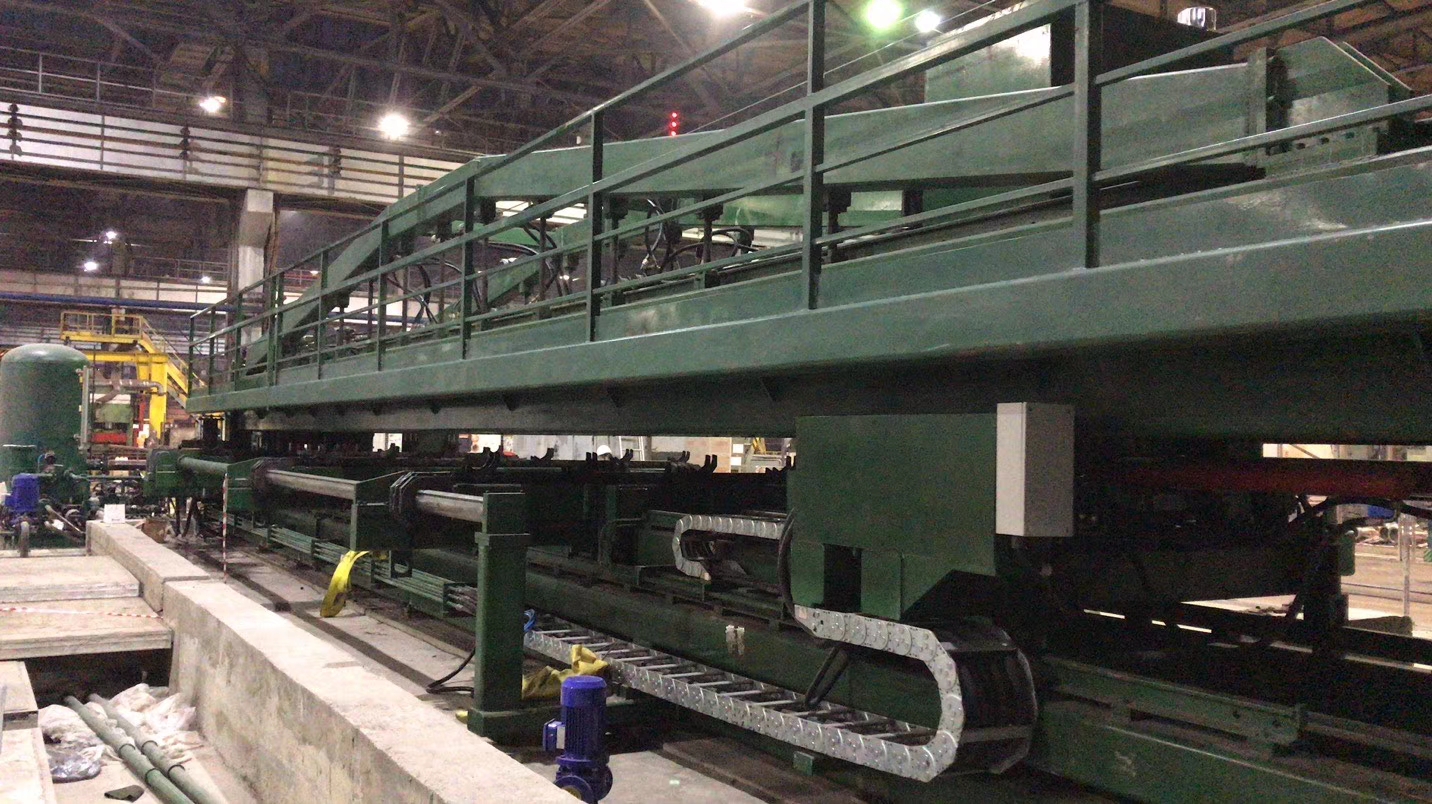
Questions to Ask Before Buying
Before investing in a Pipe pressure testing machine, ask:
- What is daily production volume?
- How many operators are currently used?
- What is retest percentage?
- How many shipment delays come from testing?
- Do customers require digital reports?
- What pipe diameters must be covered?
These answers reveal whether manual testing is still truly “cheap.”
If output is low and budgets are tight, manual testing can still work short term.
But for most growing pipe manufacturers, a Pipe pressure testing machine saves more total cost over time through labor reduction, faster cycles, lower reject rates, stronger safety, and better customer confidence.
Manual testing may save money today. Automation usually saves more money next year.