







In the pipe manufacturing business, buying equipment is rarely just about comparing prices. Most factory owners learn this after their first few years in production. A cheaper machine may save money upfront, but if it slows down testing, leaks during pressure holding, or constantly needs maintenance, the real cost becomes much higher later.
That is especially true when choosing a hydro testing machine for pipe.
Whether you produce seamless pipe, ERW pipe, stainless steel tube, or heavy-wall industrial pipe, the testing stage is where product quality becomes real. Customers may never see your workshop, but they will definitely notice if a pipe fails in service.
This is why experienced production managers do not only ask for a quotation. They usually walk through a checklist first.
Not the kind of checklist you see in sales brochures — the real one used on factory floors.
Why Choosing the Wrong Hydro Testing Machine Creates Problems Later
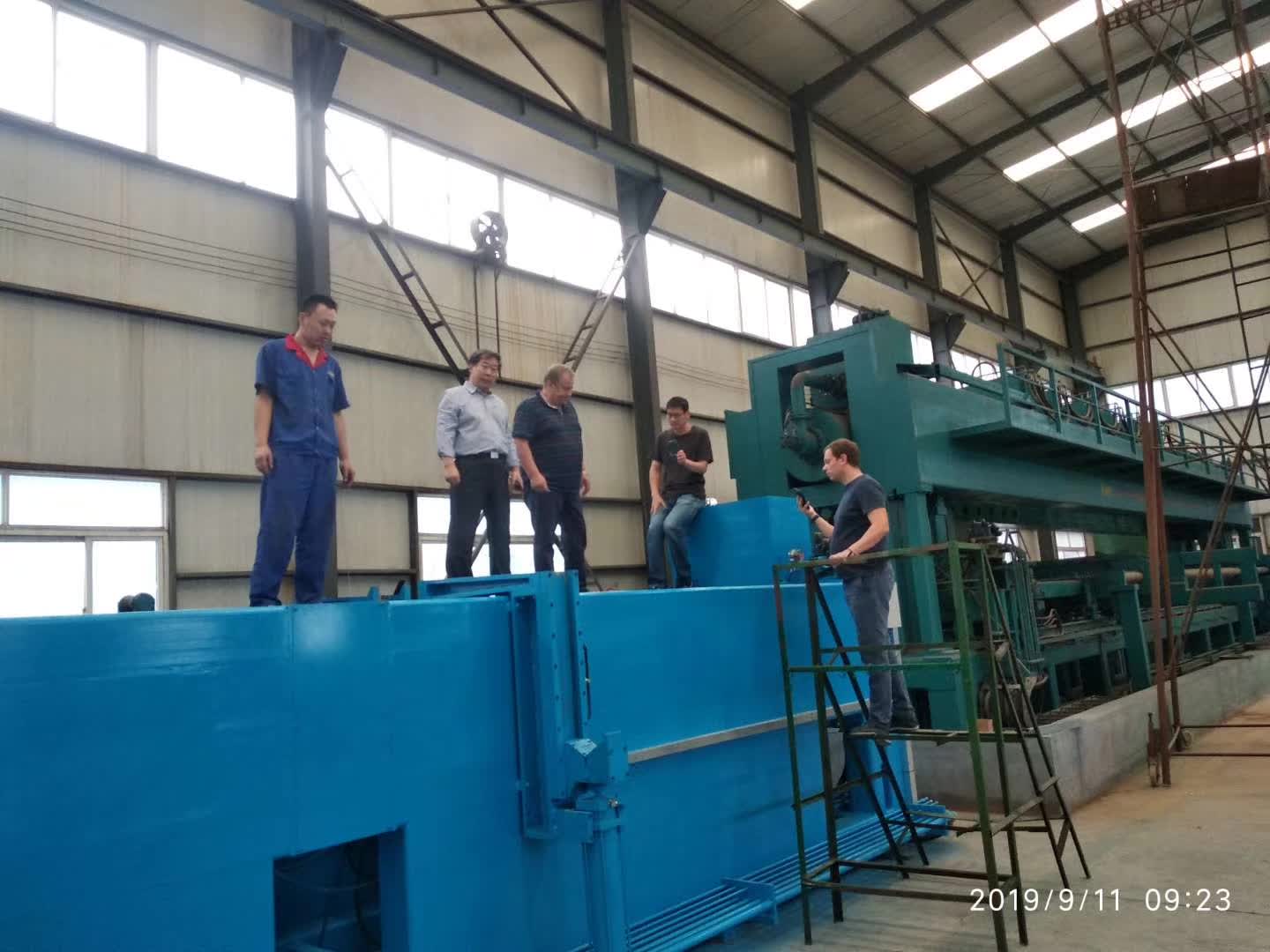
A hydro testing machine for pipe affects more than pressure testing. It impacts:
- Daily production speed
- Pipe rejection rates
- Operator workload
- Water consumption
- Maintenance downtime
- Customer confidence
Many factories only realize this after installation.
One workshop owner in Southeast Asia once mentioned that their first hydro tester looked “good enough” during purchase discussions. But after six months, pressure fluctuations started appearing during long pipe testing cycles. Operators had to repeat tests frequently, and production slowed down every week.
The machine itself still worked. The problem was consistency.
That is the difference between buying a machine and buying a production solution.
First Thing to Check: Does the Machine Truly Match Your Pipe Range?
This sounds basic, but it causes more problems than most people expect.
A hydro testing machine for pipe should not only “technically support” your pipe dimensions. It should handle them comfortably during continuous production.
Before buying, experienced factories usually confirm:
|
Pipe Parameter |
What Needs Attention |
|
Pipe OD range |
Minimum and maximum diameter |
|
Pipe length |
Stability during long pipe testing |
|
Wall thickness |
Pressure capability and sealing stability |
|
Pipe material |
Stainless steel, carbon steel, alloy steel |
|
Production speed |
Cycle time per pipe |
|
Pipe surface condition |
Protection against clamp damage |
For example, testing stainless steel pipe is often more demanding than testing ordinary carbon steel pipe. Poor sealing design can scratch pipe ends or create unstable pressure holding.
If your production includes multiple pipe sizes, flexibility becomes even more important. A machine that constantly requires manual adjustment can slow down the entire line.
Pressure Stability Matters More Than Maximum Pressure
Many suppliers advertise maximum testing pressure first.
But experienced buyers usually ask another question:
“How stable is the pressure during the full holding cycle?”
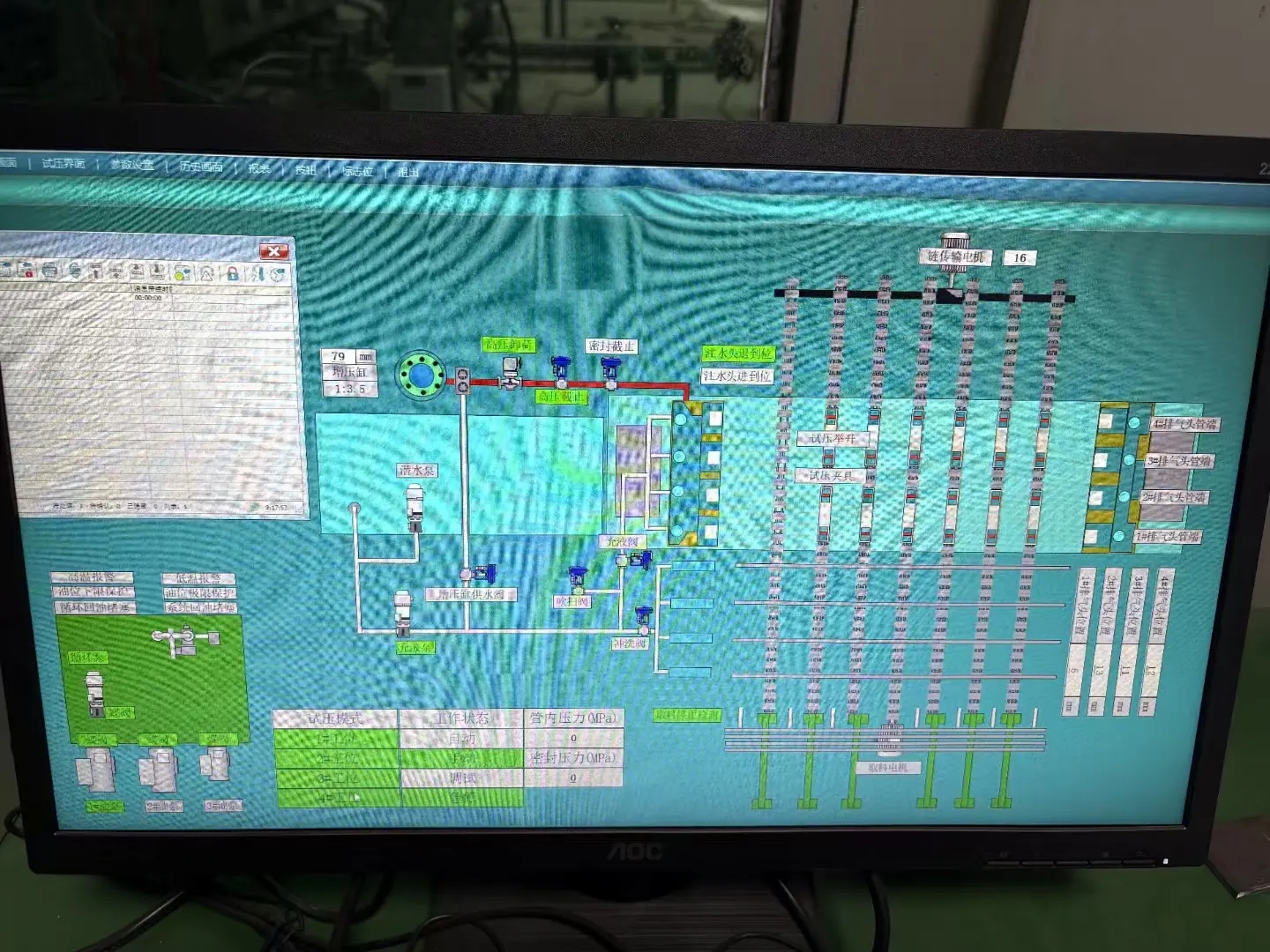
A reliable hydro testing machine for pipe should maintain smooth pressure without obvious fluctuation. Stable pressure is critical for accurate leak detection.
In real production, unstable pressure creates two expensive risks:
- Good pipes fail inspection unnecessarily
- Defective pipes pass testing accidentally
Neither situation is acceptable when exporting pipes for oil & gas, construction, water systems, or industrial projects.
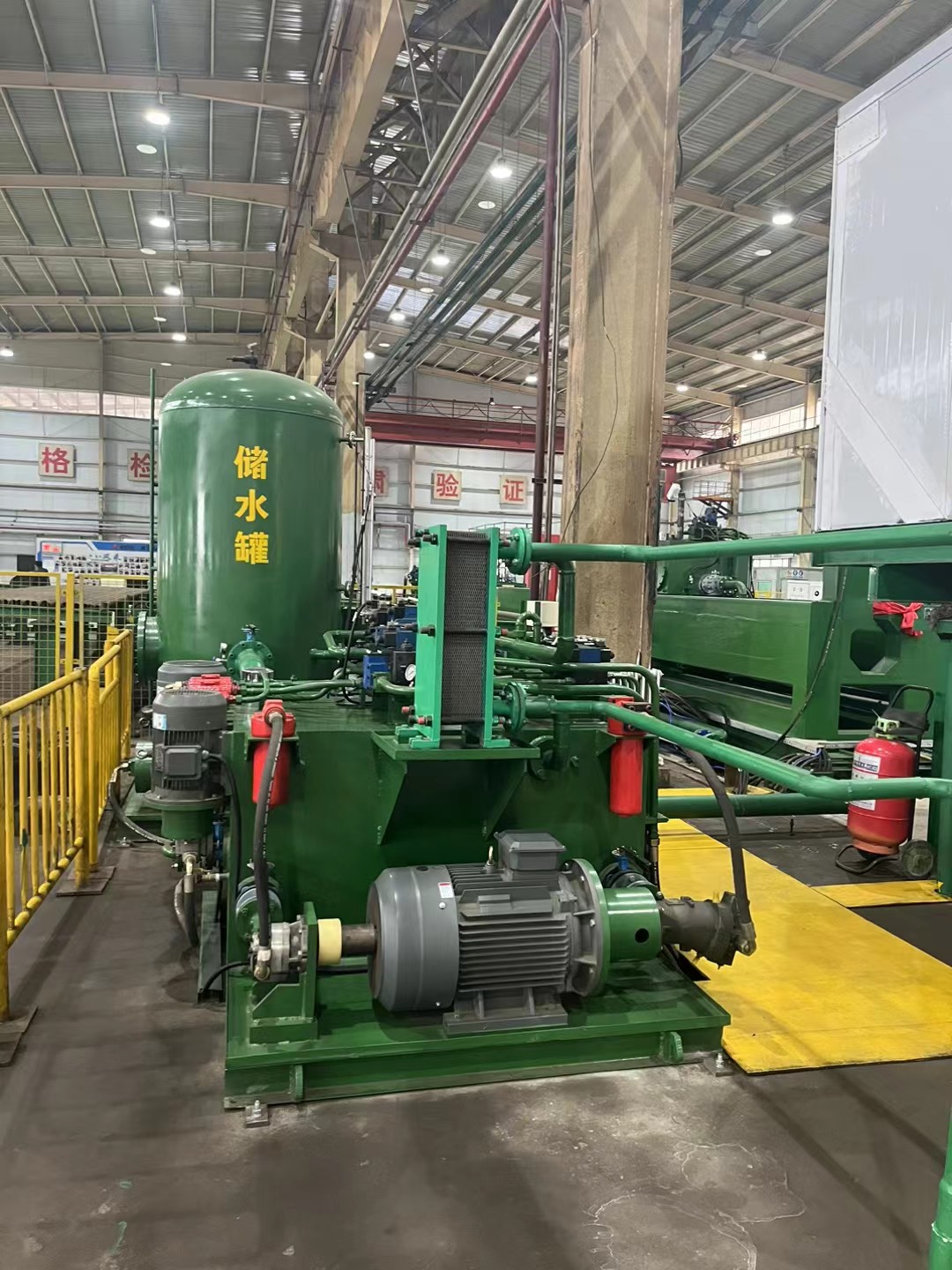
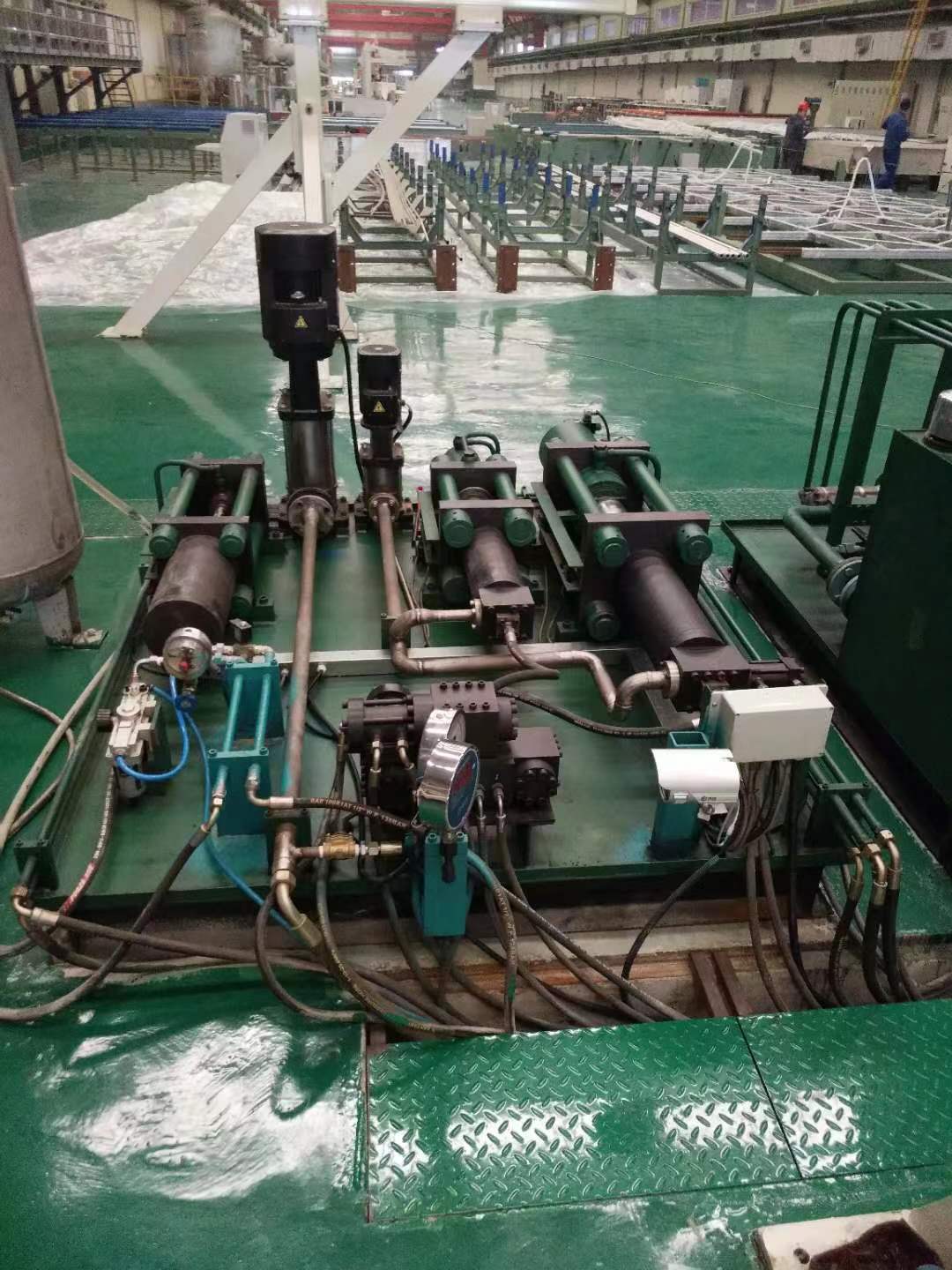
A well-designed hydraulic system should provide:
- Stable pressure increase
- Accurate holding time
- Controlled pressure release
- Reliable leak monitoring
Factories running high-volume production lines usually notice pressure control quality very quickly.
The Sealing System Often Decides Daily Efficiency
If you ask maintenance teams what causes the most frustration during hydro testing, many will mention sealing problems.
The sealing system inside a hydro testing machine for pipe directly affects:
- Test stability
- Water leakage
- Cycle speed
- Maintenance frequency
- Operator confidence
Cheap sealing heads may work fine during demonstration videos. But after months of real production, wear becomes obvious.
Good sealing systems usually have:
- Strong wear resistance
- Easy replacement structure
- Fast adjustment capability
- Reliable alignment with pipe ends
This becomes especially important for factories running multiple shifts.
When seals fail too often, operators lose time, water consumption increases, and the testing line becomes less predictable.
Automation Should Match Your Factory Reality
Not every factory needs a fully automatic system.
This is something many equipment buyers eventually realize.
Some suppliers push the most advanced automation package possible. But in real workshops, the best solution depends on production style, labor structure, and maintenance capability.
A semi-automatic hydro testing machine for pipe may actually perform better for smaller factories because:
- Maintenance is simpler
- Operator training is easier
- Spare parts are cheaper
- Downtime troubleshooting is faster
Meanwhile, fully automatic systems make more sense when:
- Production volume is high
- Labor cost is rising
- Pipe specifications are consistent
- Continuous production is required
Experienced factory owners usually focus on long-term practicality rather than flashy automation features.
Maintenance Access Is More Important Than Many Buyers Think
A machine always looks clean before shipment.
The real question is what happens after one year of production.
Can operators replace seals quickly?
Can hydraulic valves be accessed easily?
Are spare parts standardized?
Can troubleshooting be done without stopping the entire line?
These questions matter because every hour of downtime affects delivery schedules.
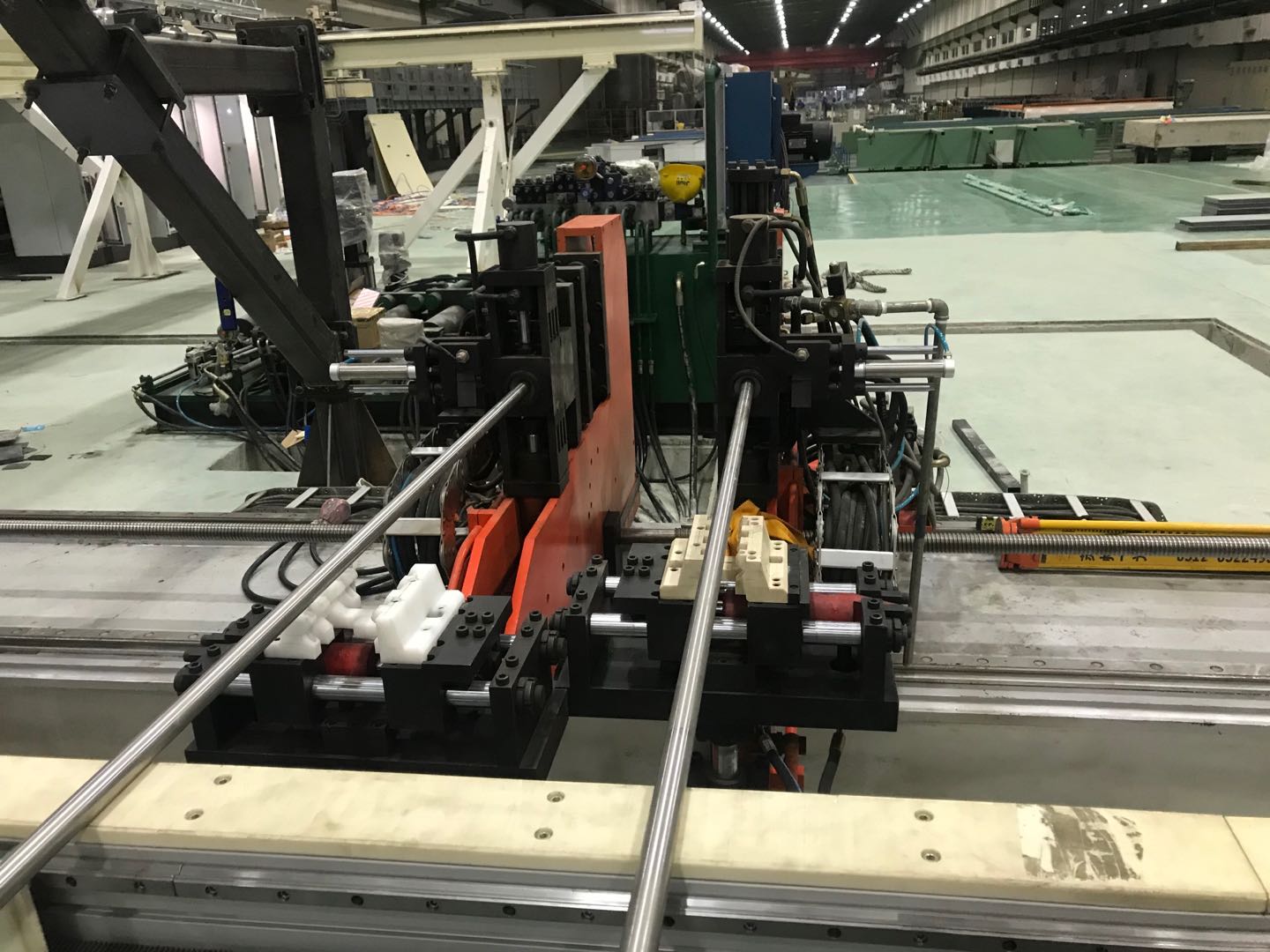
A well-designed hydro testing machine for pipe should allow fast maintenance access without forcing technicians to dismantle half the machine.
Factories with long-term stable production usually prioritize maintainability almost as much as testing performance itself.
Water Recycling and Workshop Cleanliness Matter Too
Older hydro testing systems often waste large amounts of water and leave workshop floors constantly wet.
Modern factories pay more attention to:
- Water recycling systems
- Drainage efficiency
- Filtration systems
- Cleaner operating environments
A modern hydro testing machine for pipe should support cleaner production conditions, especially in export-oriented manufacturing facilities where factory image also matters during customer visits.
Clean workshops are not only about appearance. They usually indicate better organization and more stable production management.
Safety Design Should Never Be Treated as Optional
Hydro testing involves high pressure. Safety cannot depend entirely on operator experience.
A properly designed hydro testing machine for pipe should include:
|
Safety Feature |
Purpose |
|
Pressure protection system |
Prevent over-pressure accidents |
|
Emergency stop function |
Fast shutdown during abnormal situations |
|
Protective guards |
Reduce operator risk |
|
Stable machine frame |
Improve structural safety |
|
Controlled pressure release |
Prevent sudden discharge impact |
Factories with strong safety standards usually experience fewer interruptions and more stable long-term production.
What Experienced Pipe Factories Usually Prioritize
After years of operation, many pipe manufacturers stop focusing only on purchase price.
Instead, they care more about:
- Stable testing performance
- Low downtime
- Easy maintenance
- Reliable supplier support
- Long equipment lifespan
Because in real production, a stable machine often becomes cheaper over time than a low-cost machine with constant problems.
A dependable hydro testing machine for pipe helps factories maintain production schedules, reduce operator stress, and improve customer confidence.
That is the reason many experienced buyers spend more time evaluating machine details before making final decisions.
Buying a hydro testing machine for pipe is not only about technical specifications. It is about how the machine performs after months and years inside a real production workshop.
The right system should:
- Match your actual pipe range
- Maintain stable testing pressure
- Provide reliable sealing performance
- Remain easy to maintain
- Support safe daily operation
Factories that evaluate these details carefully usually avoid many costly mistakes later.