








When pipe factories talk about increasing production output, most people immediately think about faster forming mills, higher welding speed, or automated handling systems.
But in many real production lines, the biggest bottleneck is actually somewhere else:the testing section.
A slow or unstable pipe hydro testing machine can quietly reduce the efficiency of the entire factory. Pipes begin waiting in queues, operators repeat failed tests, sealing problems create downtime, and suddenly the production line that looked fast on paper becomes much slower in reality.
This is why many steel pipe manufacturers eventually realize something important:A good hydro testing system does not just test pipes.It directly affects total factory output.
Why Hydro Testing Becomes a Production Bottleneck
In smaller workshops, testing speed may not seem critical.
But once production volume increases, every extra minute during pressure testing affects:
- shipment schedules
- labor efficiency
- machine utilization
- order turnaround time
Especially in:
- ERW pipe mills
- seamless steel pipe production
- stainless steel tube factories
- API export lines
the hydro testing station often becomes the slowest stage of the process.
This is where a modern pipe hydro testing machine starts making a major difference.
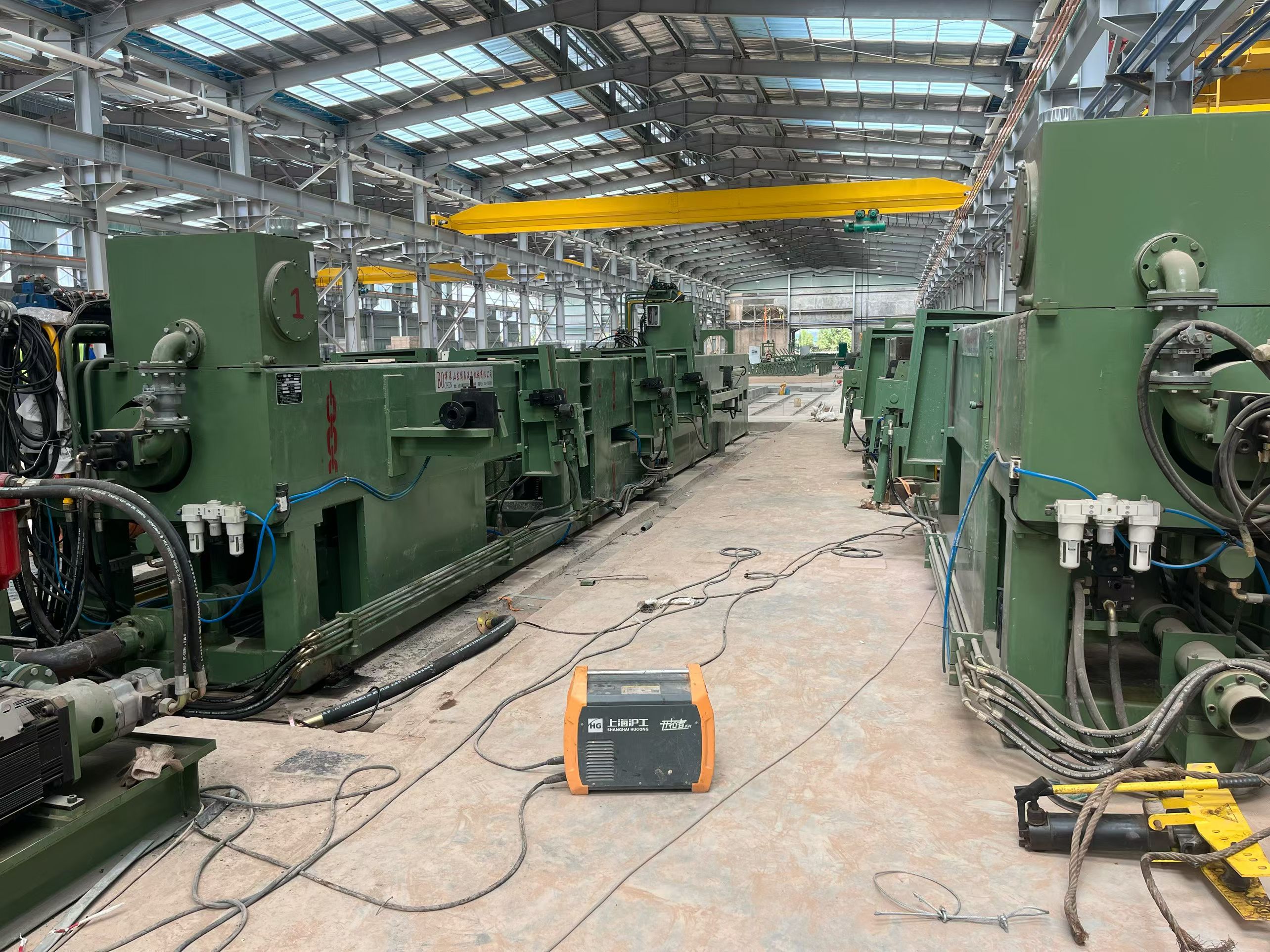
Real Factory Example: Output Increased Without Changing the Pipe Mill
One medium-sized ERW pipe factory in Southeast Asia upgraded from an older manual pressure testing setup to a semi-automatic pipe hydro testing machine.
Interestingly, they did not upgrade:
- the forming mill
- the welding section
- the cutting system
Only the testing section changed.
But within weeks, production output improved noticeably because:
- loading time decreased
- retesting dropped
- sealing became more stable
- operators handled more pipes per shift
The production line itself was already capable of higher speed.
The old testing process was simply holding it back.
How a Pipe Hydro Testing Machine Improves Output
|
Area |
Traditional Testing |
Modern Pipe Hydro Testing Machine |
|
Pipe loading |
Mostly manual |
Faster positioning system |
|
Sealing process |
Frequent adjustment |
Stable automatic clamping |
|
Pressure build-up |
Slower |
Controlled rapid pressurization |
|
Retest rate |
Higher |
Lower |
|
Data recording |
Manual paperwork |
Automatic logging |
|
Operator workload |
Heavy |
Reduced |
Many factories underestimate how much time is lost before testing even begins.
In older systems:
- pipe alignment takes longer
- operators reposition pipes manually
- sealing head adjustment slows the cycle
Modern pipe hydro testing machine systems often integrate:
- hydraulic centering
- roller conveyors
- automatic positioning
- faster clamp movement
This reduces idle time between cycles.
And in high-volume production, small time savings repeated hundreds of times per day become significant.
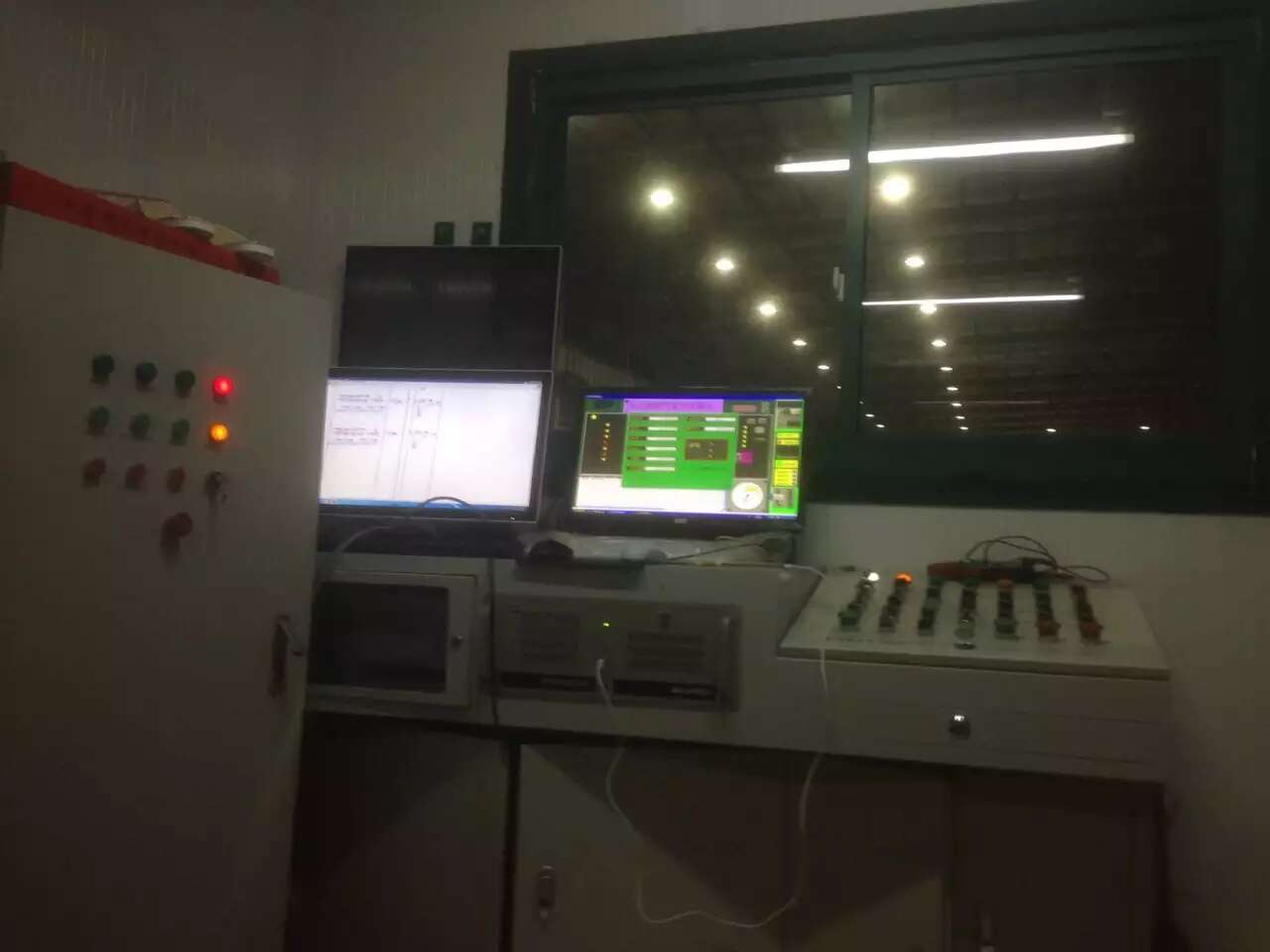
2. Stable Sealing Reduces Retesting
This is one of the biggest hidden productivity improvements.
Older or unstable sealing systems often create:
- false leakage alarms
- pressure instability
- repeated testing cycles
In practice, retesting wastes more time than many factory managers realize.
A stable pipe hydro testing machine reduces unnecessary retests through:
- better centering accuracy
- improved sealing pressure control
- more reliable clamp systems
Factories often notice output improvement simply because fewer pipes need to be tested twice.
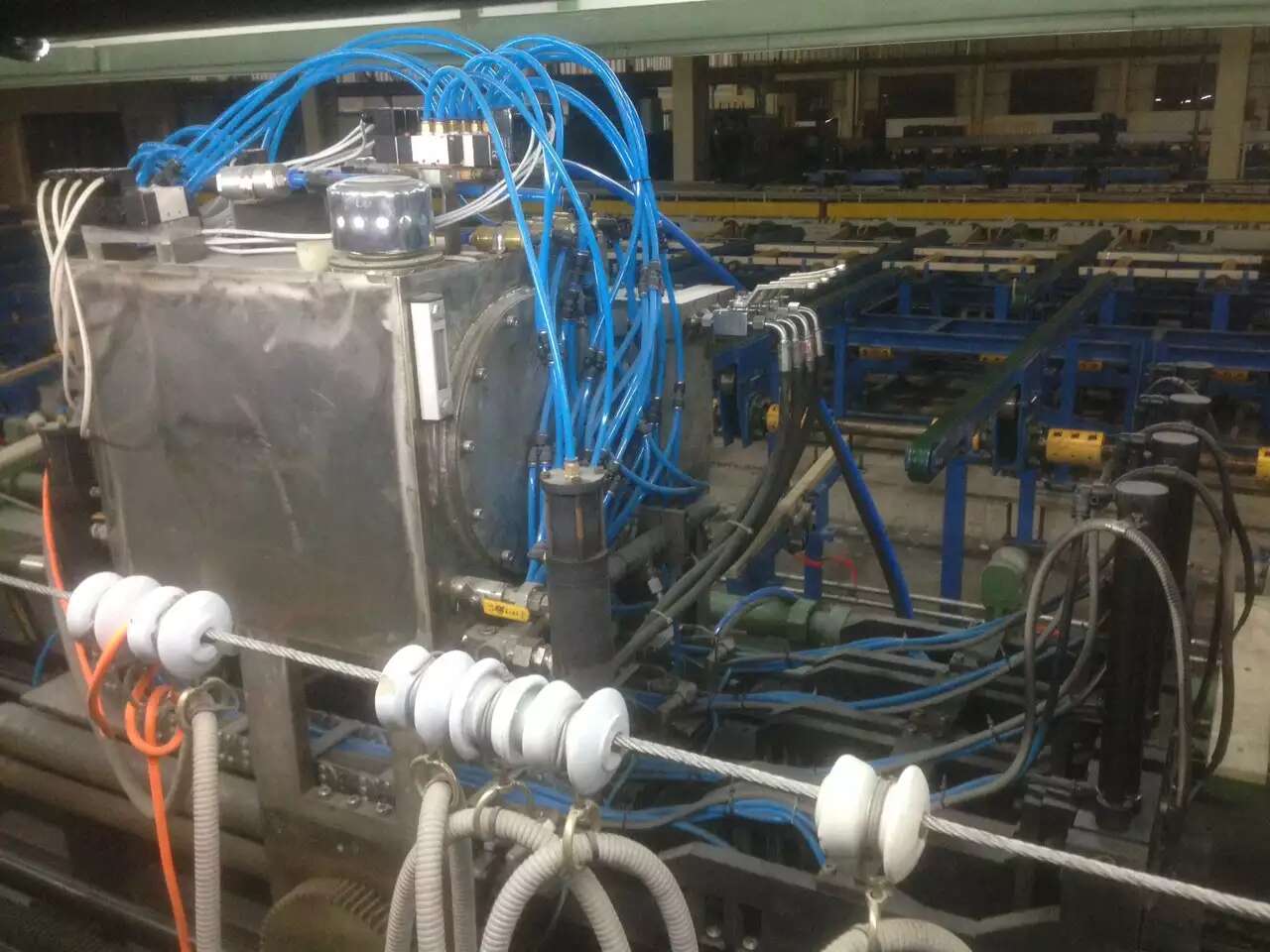
3. Faster Pressure Build-Up and Holding
Modern systems use:
- improved hydraulic response
- PLC-controlled pressure ramping
- optimized water circulation
This allows the pipe hydro testing machine to:
- reach target pressure faster
- stabilize more quickly
- complete cycles consistently
Older systems often lose time during:
- pressure fluctuation
- slow stabilization
- manual valve adjustment
Typical Production Efficiency Comparison
|
Testing Method |
Average Cycle Stability |
Typical Output Efficiency |
|
Manual hydro test |
Low |
Limited |
|
Semi-automatic system |
Moderate to high |
Improved |
|
Fully automatic pipe hydro testing machine |
High |
Maximum consistency |
4. Less Operator Fatigue = Better Long-Term Efficiency
This is something many managers only notice after upgrading.
Manual testing systems usually require:
- more physical movement
- constant adjustment
- repeated checking
- higher concentration during sealing
As shifts continue, fatigue increases and productivity drops.
A modern pipe hydro testing machine reduces operator workload through:
- simplified control systems
- automatic pressure sequences
- reduced manual handling
This helps maintain more stable output throughout the day.
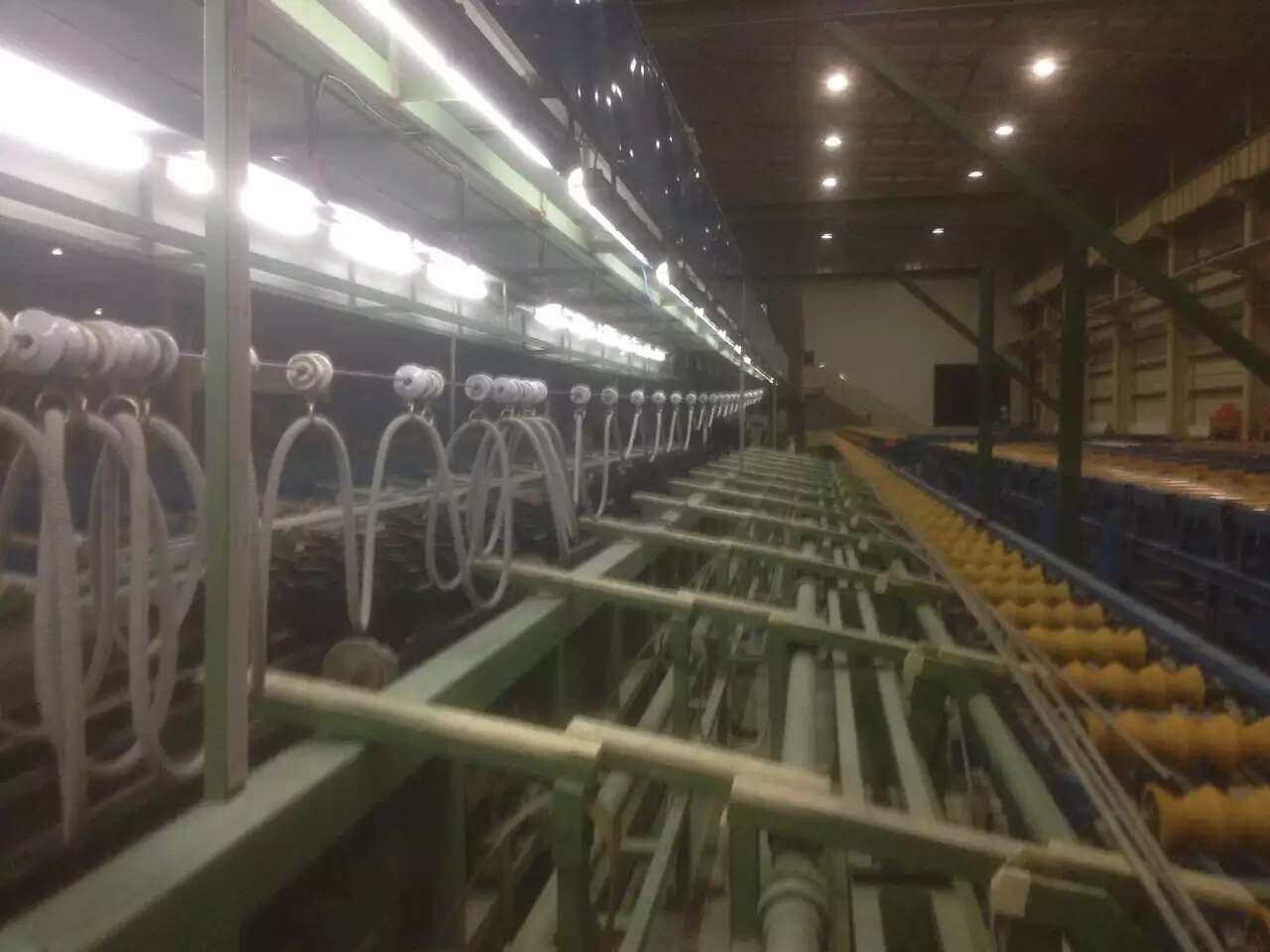
5. Data Recording Also Saves Time
Older testing methods often create production delays because records are written manually.
Modern pipe hydro testing machine systems can automatically store:
- pressure curves
- test times
- pass/fail records
- production history
This helps:
- quality audits
- export documentation
- customer reporting
- production tracking
And importantly, it reduces paperwork time for operators.
6. Maintenance Stability Affects Output More Than Speed
Many factories focus only on testing speed when buying equipment.
But experienced maintenance teams usually care more about:
- downtime frequency
- seal replacement speed
- hydraulic reliability
- spare part availability
Because a very fast machine that stops frequently may actually reduce overall output.
In real factories, stable operation is often more valuable than extreme speed.
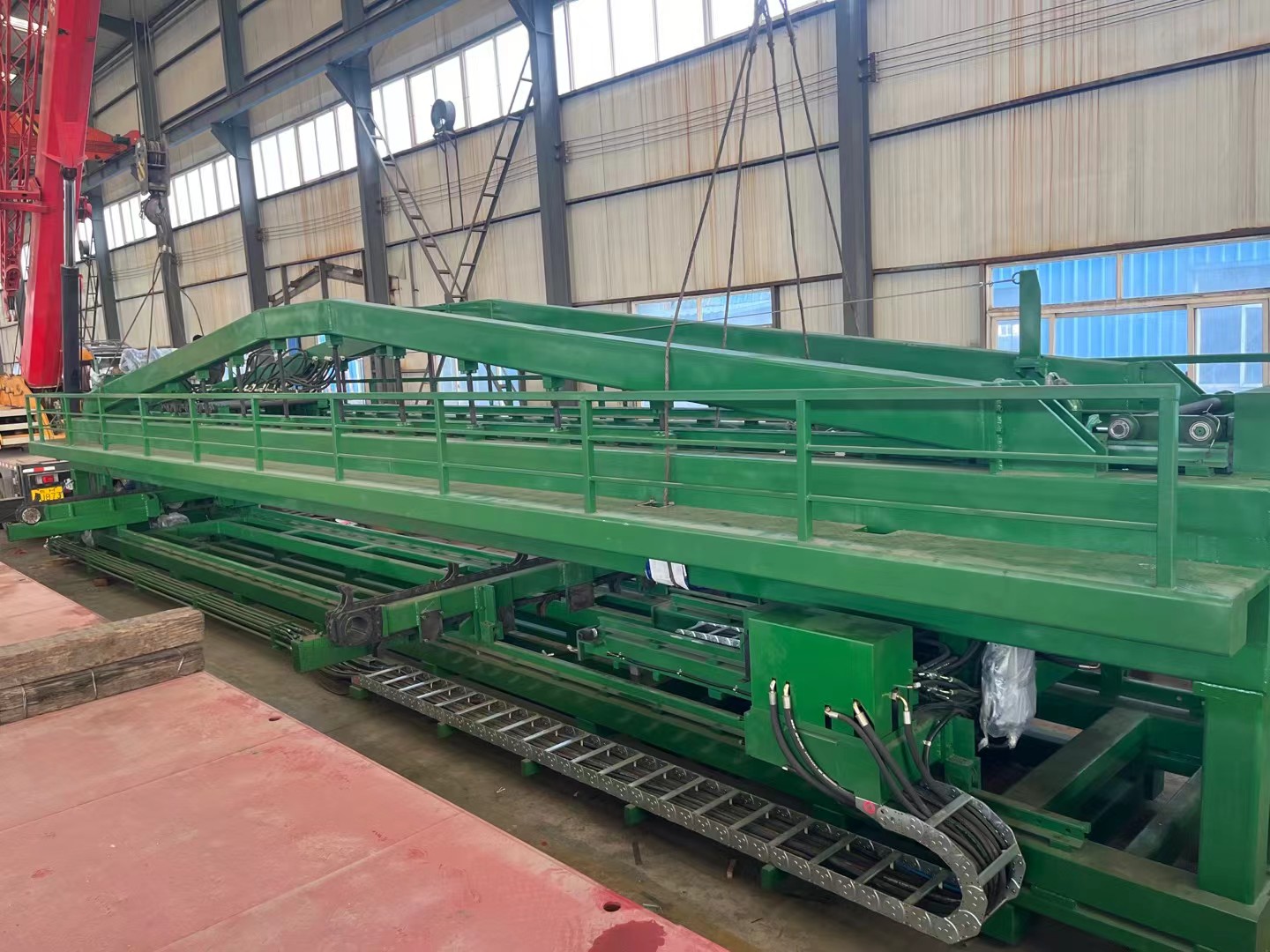
Real Output Improvement Depends on More Than Machine Speed
Factories usually improve output fastest when they combine:
- stable testing cycles
- good upstream pipe quality
- proper operator training
- regular seal maintenance
- optimized production flow
A pipe hydro testing machine works best when it becomes part of the entire production efficiency strategy.
So, how fast can a pipe hydro testing machine improve output?
In many factories, improvements begin almost immediately after installation — not because the machine magically increases production speed, but because it removes delays that already existed in the testing process.
The biggest gains usually come from:
- fewer retests
- faster loading
- stable sealing
- reduced downtime
- lower operator fatigue
And in long-term pipe manufacturing, consistency always improves output more than speed alone.