








If you work in stainless steel tube manufacturing long enough, you eventually realize something:
The pressure test station is where small production problems finally become visible.
A tube may look perfect after polishing, sizing, or welding. But once it enters the Pipe pressure testing machine, hidden issues start showing up — tiny pinholes, unstable weld seams, poor end preparation, even problems caused earlier during forming.
That is why experienced stainless steel tube manufacturers usually pay much more attention to hydro testing than new factories do.
On paper, a pressure test looks simple.In real production, especially for stainless steel tubes, it rarely is.
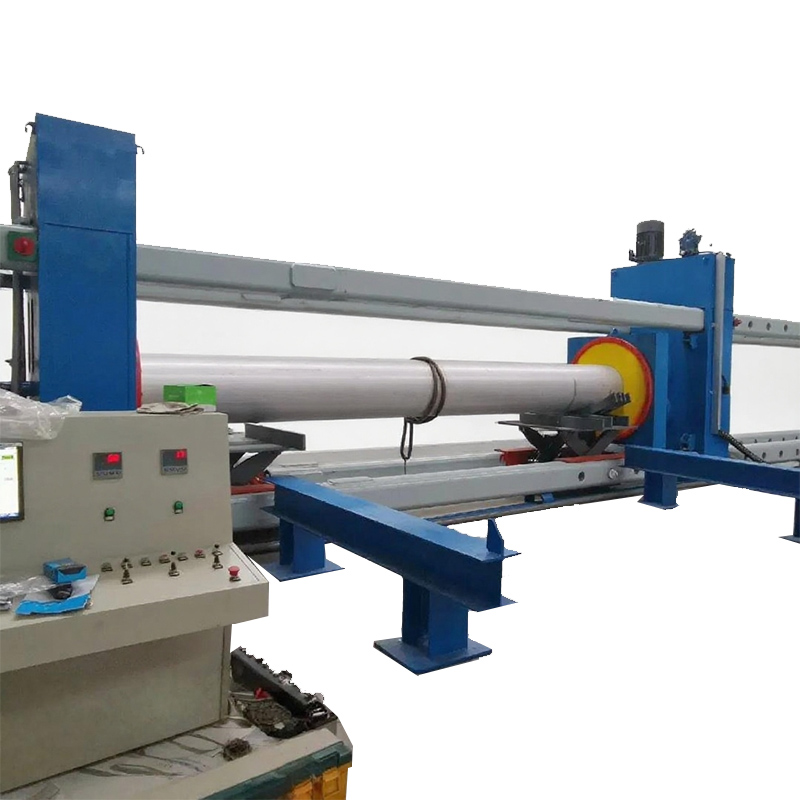
Why Stainless Steel Tube Testing Is Different
Compared with carbon steel pipes, stainless steel tubes are often produced for industries where leakage tolerance is extremely low:
- food processing
- heat exchangers
- medical tubing
- chemical systems
- clean fluid transport
- high-pressure instrumentation lines
In these applications, even a very small leak can create serious customer complaints later.
That is why a stable and reliable Pipe pressure testing machine becomes critical for stainless steel tube manufacturers.
The challenge is that stainless steel production itself creates several testing difficulties:
- thinner wall thickness
- smoother surface finish
- smaller diameter tolerance
- more sensitive sealing conditions
- higher cosmetic requirements
A testing system that works well for regular steel pipe may perform poorly with stainless steel tubing.
Real Factory Problem: “The Tube Passes Visually but Fails Pressure Test”
This happens more often than many buyers expect.
In one stainless tube workshop producing polished tubes for heat exchanger applications, operators noticed random failures during hydro testing even though weld appearance looked normal.
After several inspections, the actual issue was found:
the polishing process slightly affected end-face flatness, causing unstable sealing during testing.
The tube itself was not defective.
The sealing contact was.
That is why experienced factories do not only look at pressure capability when choosing a Pipe pressure testing machine. They focus heavily on:
- sealing stability
- alignment accuracy
- pressure consistency
- sensitivity to micro leakage
1. Sealing System Quality Matters More for Stainless Steel Tubes
This is probably the most overlooked point.
Because stainless steel tube surfaces are smoother and sometimes thinner, sealing pressure must be controlled more carefully.
If clamping force is too high:
- tube deformation may occur
- cosmetic damage becomes visible
- sealing rubber wears faster
If clamping force is too weak:
- false leakage alarms appear
- pressure holding becomes unstable
A professional Pipe pressure testing machine for stainless steel tube production should include:
- precision centering system
- adjustable sealing pressure
- high-quality sealing materials
- fast seal replacement structure
Factories producing multiple tube diameters especially benefit from flexible sealing systems.
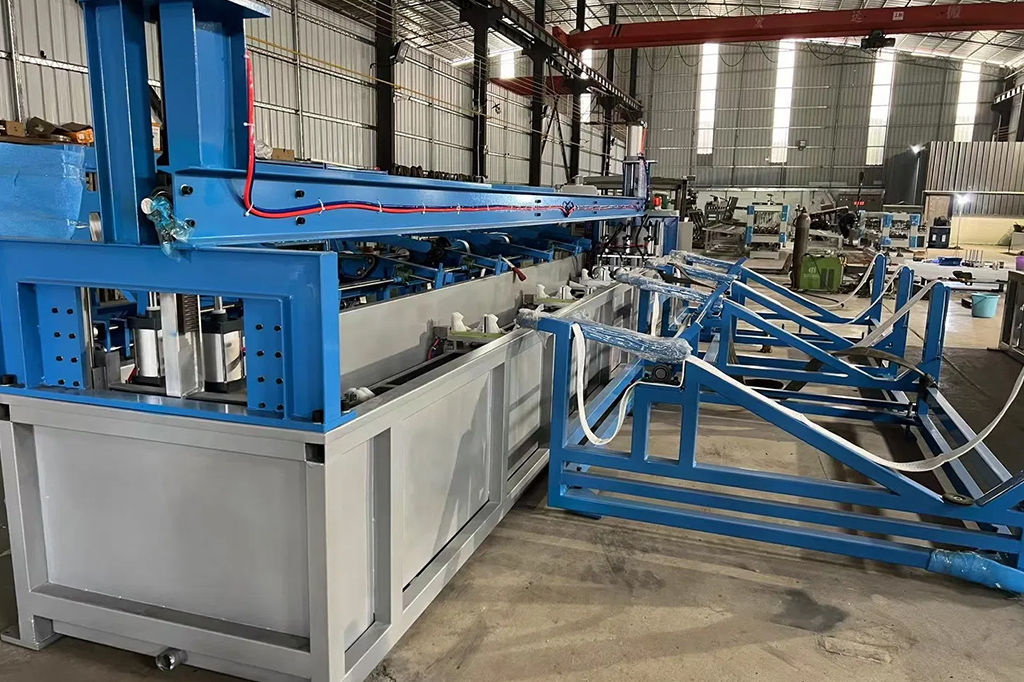
2. Small Leaks Are Harder to Detect Than Many People Think
In stainless steel tube production, leak size is often extremely small.
Sometimes the pressure drop is barely noticeable.
This is where cheaper machines usually struggle.
A good Pipe pressure testing machine should maintain:
- stable hold pressure
- accurate pressure sensing
- repeatable testing cycles
Otherwise:
- defective tubes may pass
- good tubes may fail unnecessarily
Both situations become expensive.
Especially for export-oriented manufacturers.
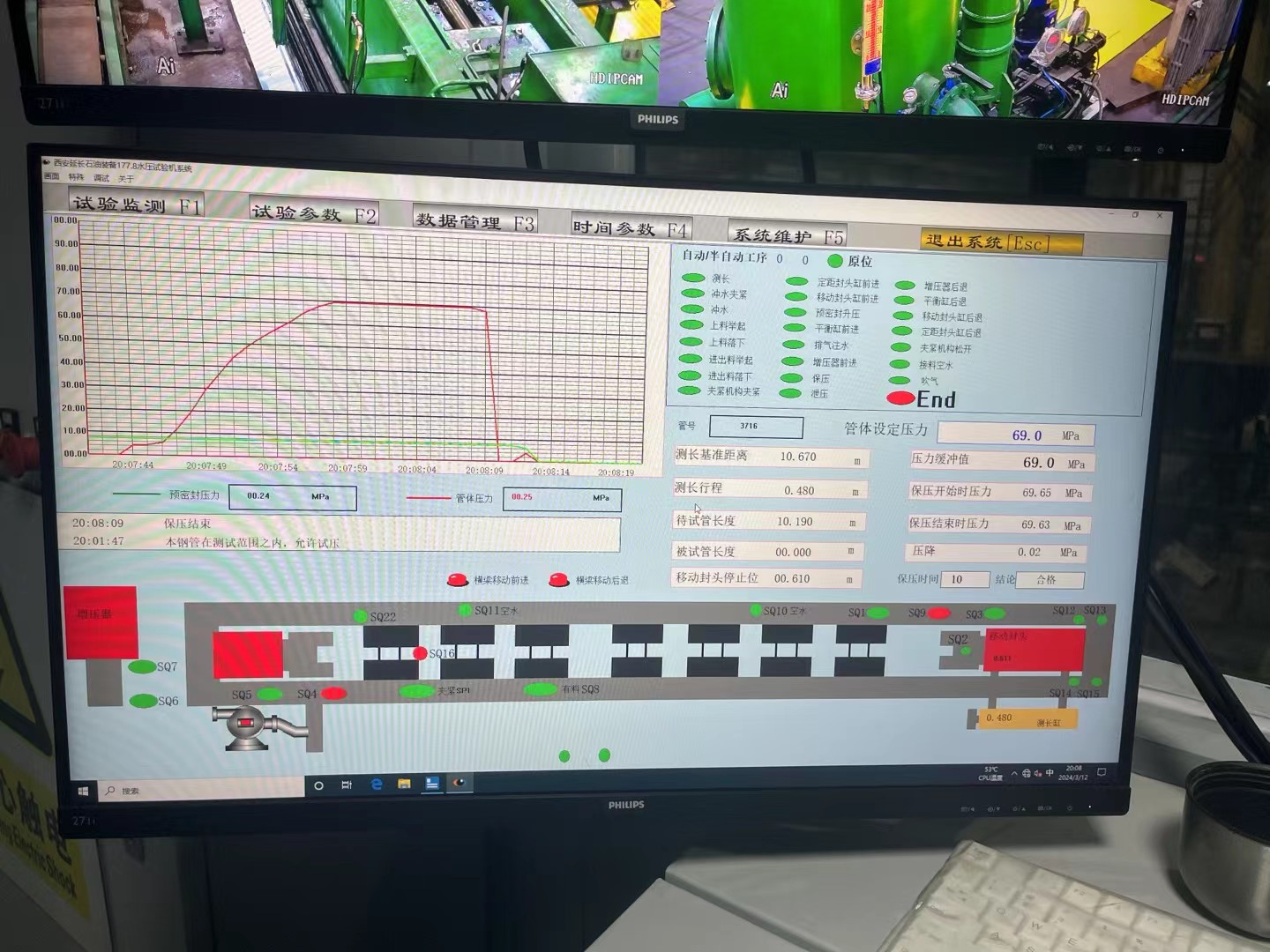
3. Tube End Preparation Affects Testing More Than Expected
Many factories underestimate this issue.
In actual production, poor tube-end preparation creates:
- unstable sealing
- water leakage
- repeated retesting
- unnecessary downtime
Common causes include:
- burrs
- uneven cutting
- polishing residue
- tube ovality
A reliable Pipe pressure testing machine helps reduce these issues through better alignment and sealing adaptability, but upstream process control still matters.
This is why strong factories treat hydro testing as part of the whole production system — not a separate process.
4. Automation Is Useful — But Stability Is More Important
Many suppliers aggressively promote fully automatic systems.
But stainless steel tube manufacturers often care more about:
- stable operation
- easy maintenance
- quick diameter changeover
- low downtime
A highly complicated machine that frequently stops production becomes a bigger problem than a simpler stable system.
In practice, many successful factories prefer:
- semi-automatic operation
- stable PLC control
- simpler hydraulic structure
- easier maintenance access
Especially in medium-sized stainless tube workshops.
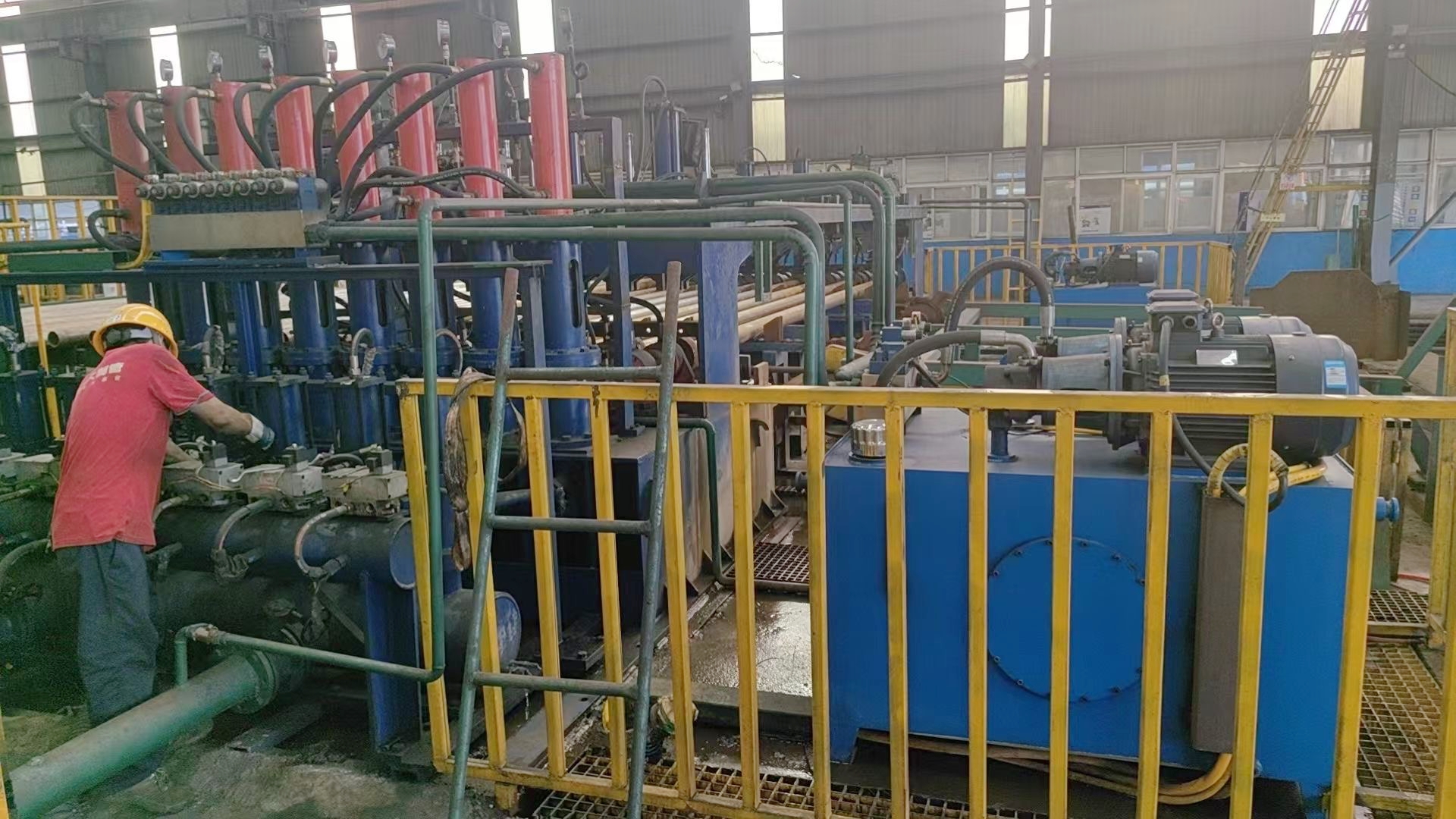
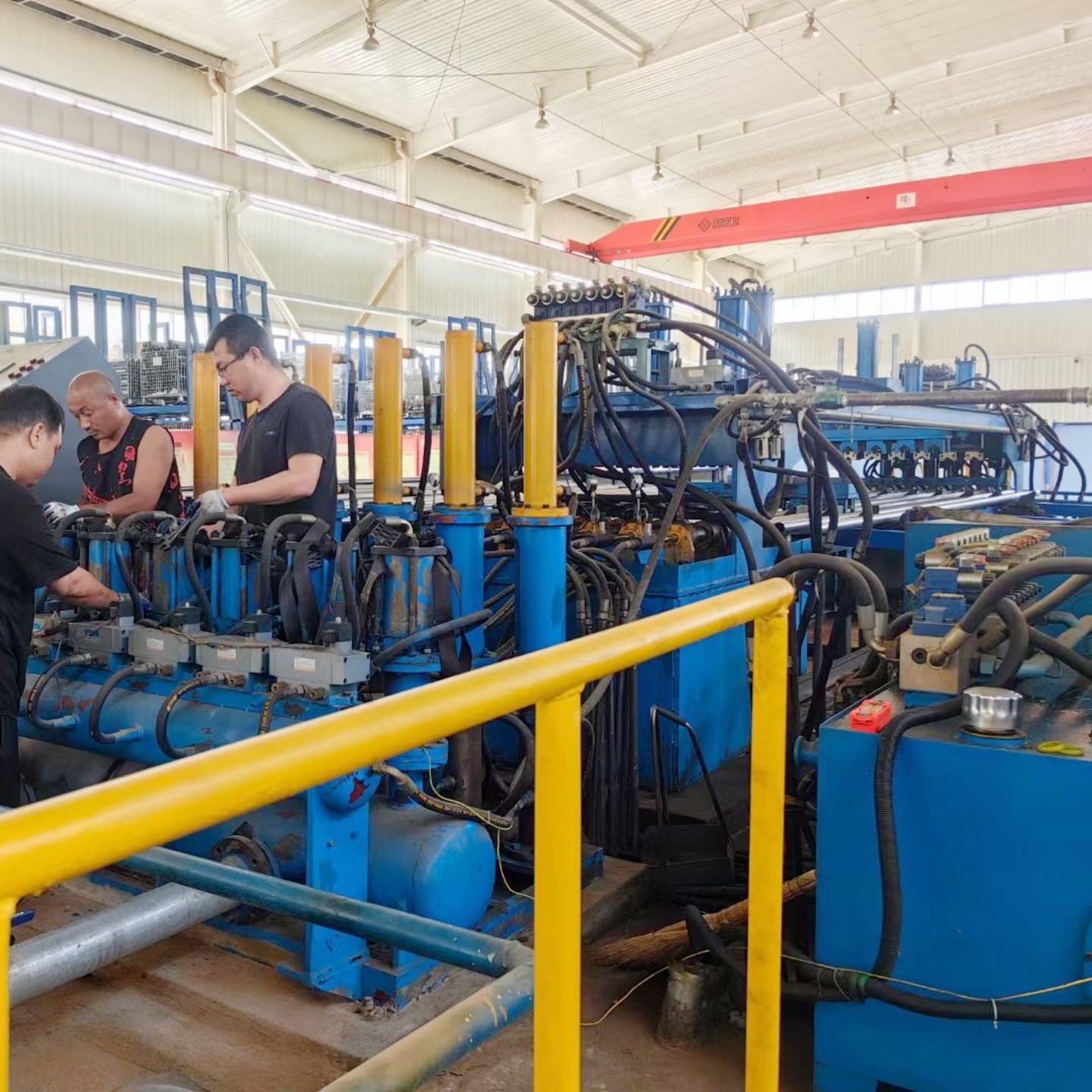
5. Maintenance Experience Matters More Than Brochures
This is something almost no supplier talks about honestly.
In real factories, maintenance determines long-term performance.
The most common daily maintenance problems include:
- seal wear
- pressure sensor drift
- hydraulic leakage
- valve response delay
- water contamination inside system
An experienced maintenance team can usually identify hydro testing issues early before they affect pass rates.
That is why smart stainless steel tube manufacturers ask questions like:
- How quickly can seals be replaced?
- Is remote troubleshooting available?
- Are spare parts standardized?
- How difficult is calibration?
Not just:
“What is the maximum pressure?”
6. Why Export Buyers Care About Testing Data
For many stainless steel tube exporters, pressure testing is no longer only about “pass or fail.”
Customers increasingly request:
- digital pressure records
- traceability reports
- batch history
- testing curve export
A modern Pipe pressure testing machine should support:
- PLC data storage
- automatic report generation
- traceable production logs
This improves:
- audit readiness
- customer confidence
- long-term quality reputation
What Experienced Stainless Steel Tube Factories Usually Do Differently
The best manufacturers usually focus on:
- stable sealing
- consistent calibration
- controlled testing cycles
- preventive maintenance
- operator training
They understand that the Pipe pressure testing machine is not only a testing tool.
It is part of the factory’s reputation.
Because once defective stainless steel tubing reaches the customer, the real cost becomes much higher than the testing process itself.
For stainless steel tube manufacturers, choosing the right Pipe pressure testing machine is not about buying the most expensive system.
It is about finding a machine that can:
- detect small leaks accurately
- maintain stable pressure
- adapt to multiple tube sizes
- reduce downtime
- support long-term production reliability
In real factories, consistency always matters more than marketing specifications.