








What New Pipe Manufacturers Often Learn After Production Actually Starts
Setting up a new pipe workshop usually feels straightforward in the early planning stage.
Choose machines. Arrange production flow. Install utilities. Start production.
But many pipe manufacturers discover something after the first few months: small setup decisions made during installation often create bigger production problems later.
A testing machine positioned too close to other equipment slows maintenance work. Poor water circulation design increases operating costs. Pipe movement paths that looked efficient on paper create unnecessary handling during real production.
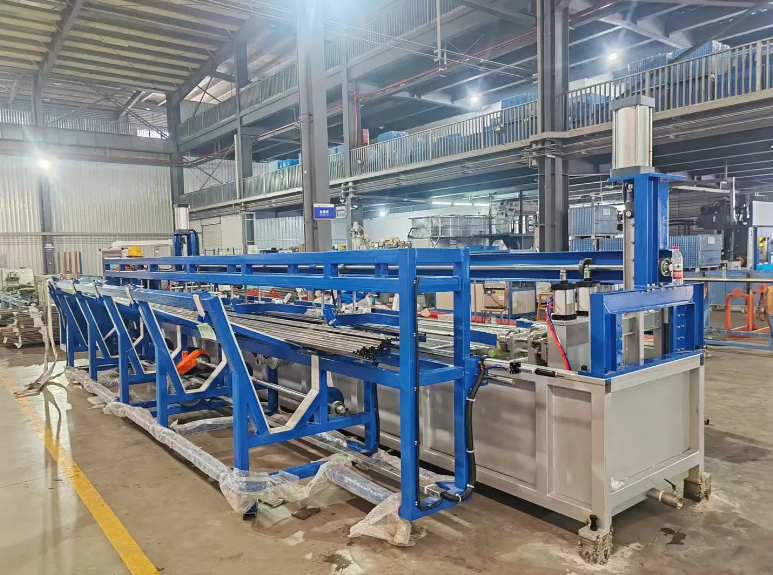
For companies installing a pipe hydro testing machine for the first time, setup planning matters more than many people expect.
A well-planned installation supports production efficiency for years. A rushed layout often creates long-term limitations.
Whether producing stainless steel pipe, carbon steel pipe, structural tube, or export-grade industrial pipe, these setup considerations help new workshops avoid common mistakes.
Start With Pipe Flow, Not Equipment Position
One mistake newer workshops sometimes make is choosing machine locations before studying pipe movement.
Experienced factories usually work in the opposite direction.
Before positioning a pipe hydro testing machine, production teams often map material flow first:
Raw pipe storage → Pipe preparation → Hydro testing → Inspection → Drying → Packing → Shipment
The goal is simple.
Keep pipe movement direct.
Reduce unnecessary transport.
Minimize operator walking distance.
When pipe handling becomes inefficient, the impact builds over time.
Ten extra seconds per pipe may not seem important.
Multiply that by hundreds or thousands of pipes every month.
Small inefficiencies become operating costs.
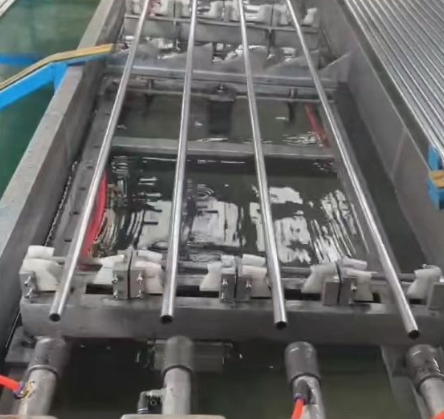
Workshop Layout Problems New Factories Commonly Notice Later
| Workshop Decision | What Happens Later |
|---|---|
| Testing equipment installed too close together | Maintenance becomes slower and more difficult |
| Pipe loading area too small | Material handling creates delays |
| Drainage planning done too late | Water management problems appear during operation |
| Expansion space not reserved | Future production upgrades become harder |
| Operator movement ignored | Labor efficiency gradually decreases |
Production flow affects more than speed.
It affects maintenance pressure, operating consistency, and long-term scalability.
Factories planning growth should think beyond today's production target.
Leave More Maintenance Space Than You Think You Need
Many new workshops try to maximize floor utilization.
Every meter feels valuable.
The result sometimes creates a problem.
Equipment becomes difficult to service.
A pipe hydro testing machine requires access for:
- Hydraulic servicing
- Seal replacement
- Electrical inspection
- Sensor adjustment
- Water circulation maintenance
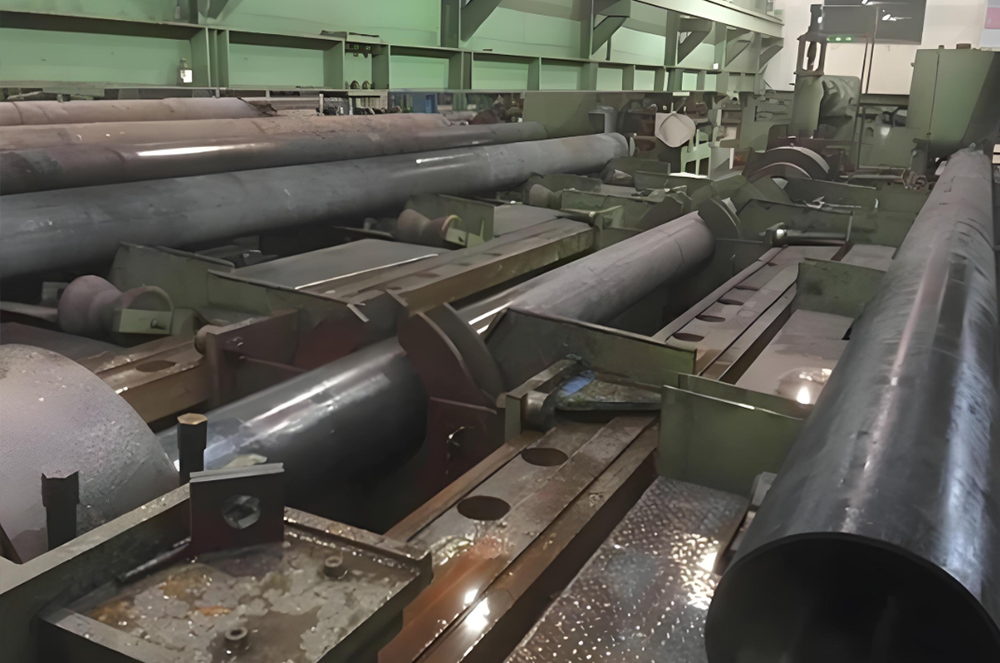
Water System Planning Deserves More Attention
Water management is one of the areas new workshops underestimate most.
A pipe hydro testing machine depends heavily on stable water circulation.
Poor water planning creates operational issues quickly.
Examples include:
- Higher water usage
- Difficult drainage conditions
- Pump strain
- Maintenance complications
- Wet production areas
Experienced production teams often plan water systems before equipment arrives.
Good planning usually includes:
| Water System Area | Why Production Teams Prioritize It |
|---|---|
| Recovery tank location | Improves maintenance access |
| Drainage direction | Helps reduce standing water |
| Circulation pipeline layout | Supports smoother operation |
| Filtration access | Makes cleaning easier |
| Pump accessibility | Reduces maintenance time |
Water systems that feel simple during installation become very important after production begins.
Think About Expansion Before Expansion Happens
Many factories purchase equipment based only on today's production volume.
Growth changes requirements quickly.
A workshop producing one pipe specification today may handle multiple product types next year.
A pipe hydro testing machine installation should leave room for future flexibility.
Production managers often ask:
Will pipe sizes expand?
Will production volume increase?
Will automation upgrades happen later?
Will more testing stations be added?
Factories planning growth early often avoid expensive redesign later.
Future flexibility rarely feels important during installation.
It becomes important during expansion.
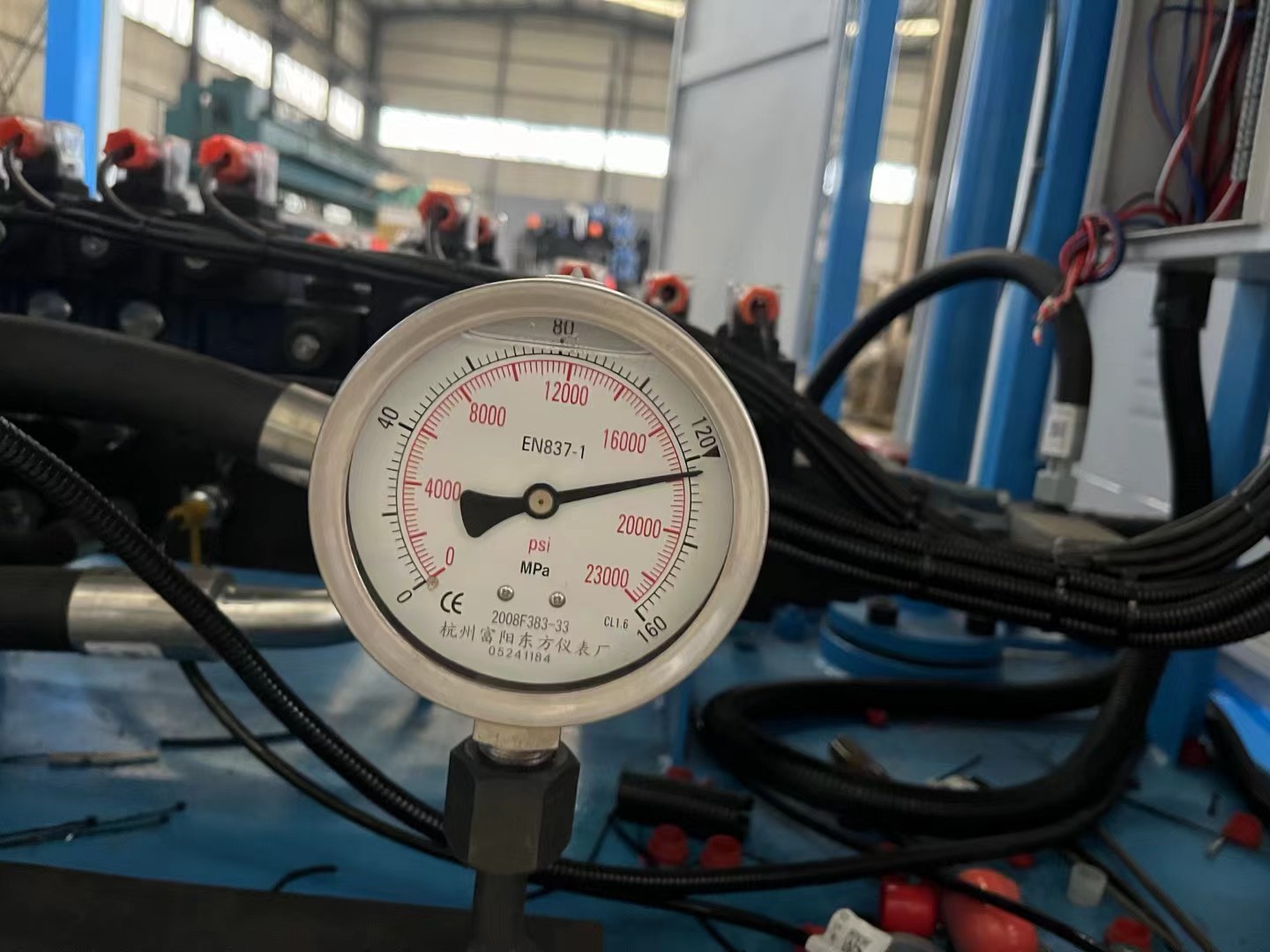
Operator Movement Matters More Than Most New Workshops Expect
One interesting thing experienced production teams often study is operator movement.
Not machine movement.
People movement.
A properly positioned pipe hydro testing machine reduces unnecessary walking and improves workflow consistency.
Operators should maintain efficient visibility toward:
- Pipe loading area
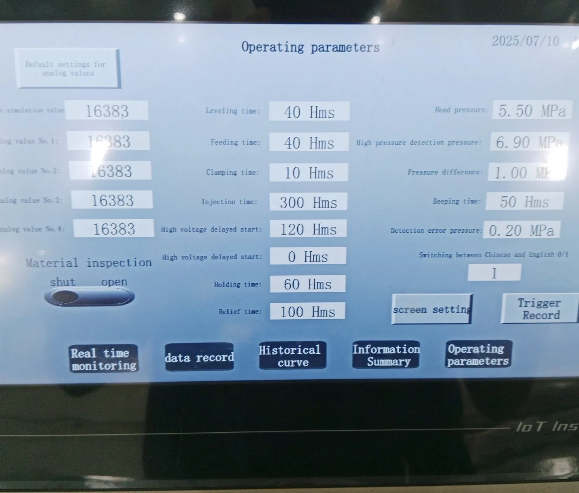
- Pressure monitoring screen
- Emergency controls
- Water system indicators
- Pipe unloading section
Small movement improvements repeated every shift create measurable efficiency gains.
Well-designed workshops often feel smoother to operate.
Operators notice the difference quickly.
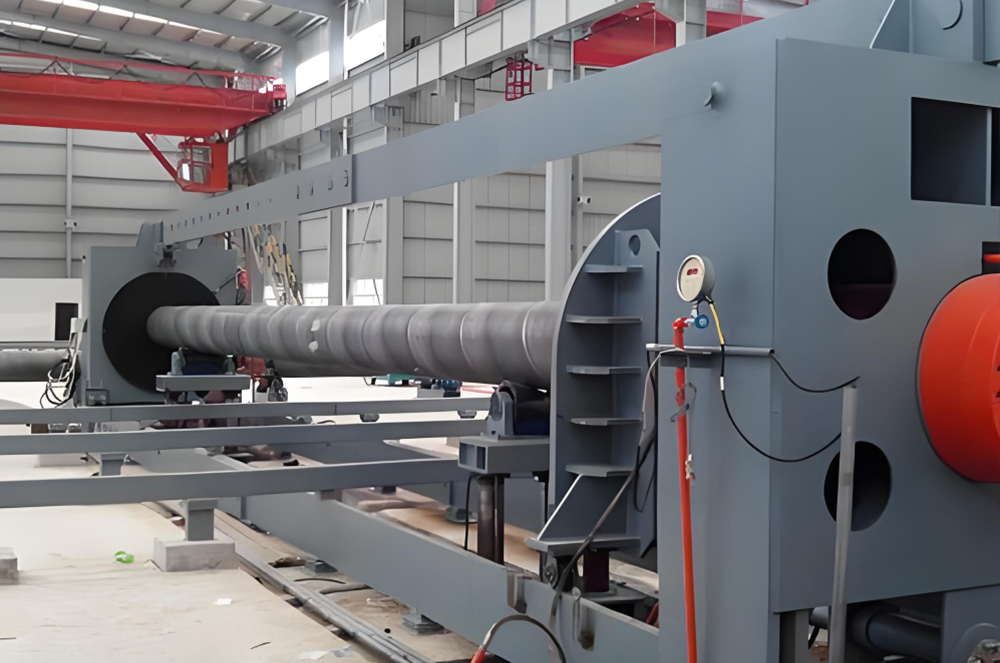
Common Setup Decisions That Affect Long-Term Efficiency
| Production Decision | Long-Term Operational Impact |
|---|---|
| Reserving maintenance access space | Faster servicing and lower downtime |
| Installing water recovery systems early | Better operating efficiency |
| Separating loading and unloading areas | Cleaner production flow |
| Planning electrical routing carefully | Easier troubleshooting |
| Leaving future expansion space | Lower modification costs later |
Many workshop improvements happen before production even begins.Good planning creates advantages that compound over time.
Safety Planning Should Start During Installation
Safety improvements become harder after production starts.
A pipe hydro testing machine setup should include safety thinking from the beginning.
Production teams commonly evaluate:
- Operator access paths
- Emergency stop accessibility
- Drainage safety
- Pipe handling clearance
- Maintenance protection space
Factories with stable safety systems often experience smoother production consistency as well.
One Lesson Experienced Pipe Factories Learn Early
Equipment alone does not create production efficiency.
Layout decisions matter.
Maintenance planning matters.
Water systems matter.
Future expansion planning matters.
A well-installed pipe hydro testing machine supports years of stable production.
A rushed installation often creates small daily frustrations that gradually become larger operating costs.
Factories that invest time in setup planning usually benefit later.
Not because production becomes perfect.
Because production becomes easier to manage.
Installing a pipe hydro testing machine in a new workshop is more than placing equipment inside available floor space.
The strongest production systems usually begin with thoughtful planning.
Pipe flow.
Maintenance access.
Water circulation.
Operator efficiency.
Future expansion flexibility.
These decisions shape workshop performance long after installation finishes.
For growing pipe manufacturers, setup planning is not separate from production success.
It becomes part of it.
FAQ
What should new workshops consider before installing a pipe hydro testing machine?
Pipe movement, maintenance space, water circulation planning, electrical systems, and future production expansion should all be considered.
Why does workshop layout matter?
Efficient layouts improve productivity, maintenance efficiency, and daily operating consistency.
How much maintenance space should hydro testing equipment have?
Requirements vary by machine design, but maintenance accessibility should always be prioritized.
Should factories plan expansion during initial installation?
Yes. Early planning often reduces modification costs later.