








In pipe manufacturing and testing plants, the real difference between efficient operations and costly downtime is not simply whether equipment can perform a test — it is whether it can perform consistently every single day.
A Pipe pressure testing machine that receives proper daily inspections typically delivers more stable test results, fewer unexpected shutdowns, and a longer service life. In many factories, equipment failures that appear “sudden” often show warning signs one or two days earlier — they are simply overlooked.
This practical Pipe pressure testing machine Daily Inspection Guide focuses on real factory experience rather than theory. It covers the most important inspection points before startup, during operation, and after shutdown.
Why Daily Inspection of a Pipe Pressure Testing Machine Matters
A Pipe pressure testing machine operates under demanding conditions. High-pressure water, continuous vibration, seal wear, and clamping force fatigue all influence equipment performance over time.
Many production facilities experience avoidable issues because they focus only on whether the machine starts successfully.
Common problems include:
- Ignoring pressure curve stability
- Delaying seal replacement
- Overlooking insufficient pipe clamping
- Missing early leakage signs in pumps or pipelines
- Failing to identify sensor drift
Daily inspection is not extra work. It is preventive maintenance that reduces future downtime.
Pipe Pressure Testing Machine Daily Inspection Guide: What Should Be Checked Every Day
The checklist below can be used before machine startup every day.
Daily Inspection Checklist
|
Inspection Item |
What to Check |
Possible Problem |
Recommended Action |
|
Power and Control System |
Indicator lights, emergency stop, button response |
Slow startup, abnormal indicators |
Check electrical circuits |
|
Hydraulic or Pressure System |
Pump sound, pressure build-up speed |
Noise, unstable pressure rise |
Inspect pump and water supply |
|
Sealing Components |
Seals, sealing heads, pipe-end contact |
Water leakage, poor sealing |
Replace worn seals |
|
Clamping Mechanism |
Alignment and locking condition |
Pipe movement during testing |
Re-adjust clamping position |
|
Pipes and Connections |
Hoses, valves, joints |
Leakage or loose fittings |
Tighten or replace components |
|
Pressure Gauges and Sensors |
Zero position and reading stability |
Gauge drift or unstable display |
Recalibrate instruments |
|
Water Tank and Filtration |
Water level and cleanliness |
Blocked filter or low water level |
Clean and refill |
|
Safety Protection System |
Safety doors, alarms, limit switches |
Alarm failure |
Stop and inspect |
Five-Minute Inspection Before Startup
Many operators power on equipment and immediately begin production. For a Pipe pressure testing machine, spending five minutes on inspection can prevent much larger problems later.
1. Check Equipment Appearance
Walk around the machine.
Look for:
- Water leakage
- Oil stains
- Loose bolts
- Damaged hoses
- Moisture near fittings
New leakage marks often indicate early sealing problems.
2. Verify Pipe Alignment
Improper pipe positioning can create uneven force distribution during testing.
A properly aligned Pipe pressure testing machine produces more reliable pressure testing results.
3. Confirm Pressure Gauge Zero Position
Pressure gauges should return completely to zero before testing.
Incorrect gauge readings may lead to inaccurate test conclusions.
4. Test Safety Systems
Inspect:
- Emergency stop buttons
- Safety doors
- Limit switches
- Warning alarms
Daily inspection should always include safety verification.
Key Observations During Machine Operation
Testing does not end after pressure reaches the target value.
Operators should monitor machine behavior throughout the entire process.
Watch for:
- Pressure fluctuations
- Slow pressure build-up
- Unusual pump noise
- Minor water leakage
- Pressure loss during holding time
- Abnormal water return flow
Experienced technicians often identify issues before equipment failure occurs.
Four Important Checks After Shutdown
Shutdown procedures influence future machine stability.
1. Confirm Complete Pressure Release
Residual pressure may create safety risks during the next operation cycle.
2. Drain Remaining Water
Standing water can shorten component lifespan.
Proper drainage helps maintain long-term reliability.
3. Inspect Seal Wear
Check sealing components for:
- Cracks
- Hardening
- Deformation
- Edge wear
Damaged seals should be replaced immediately.
4. Record Daily Operating Conditions
Recommended records include:
- Test pressure
- Holding time
- Abnormal conditions
- Maintenance actions
Tracking machine history improves troubleshooting efficiency.
Why Does a Pipe Pressure Testing Machine Become Unstable Suddenly?
Most equipment problems develop gradually.
Common causes include:
Seal Aging
Sealing components experience continuous wear.
Old seals often cause:
- Pressure drop
- Leakage
- Unstable holding pressure
Loose Connections
Long-term operation can loosen fittings and valves.
Even small connection movement may affect testing accuracy.
Poor Water Quality
Contaminated water accelerates wear on valves and sealing components.
Filtration maintenance is important.
Inconsistent Operation Procedures
Different operators may follow different practices.
Standard operating procedures improve testing consistency.
For any Pipe pressure testing machine, process consistency matters as much as machine quality.
Recommended Daily Inspection Workflow
A practical factory workflow may follow these steps:
Pre-start Inspection → Idle Running → Pipe Positioning → Clamping Confirmation → Pressure Build-Up Monitoring → Holding Pressure Verification → Pressure Release → Water Drainage → Inspection Record Completion
Following a standard process improves equipment reliability.
For facilities operating a Pipe pressure testing machine continuously, daily inspection routines significantly reduce downtime.
Frequently Overlooked Details
Small details often influence long-term machine performance.
Operators should also check:
- Scale buildup around sealing areas
- Pipe-end surface condition
- Clamp centering accuracy
- Excessive vibration during pressure increase
- Air trapped inside the system
- Water accumulation around the machine
Individually, these issues may seem minor.
Combined, they can reduce testing efficiency and equipment lifespan.
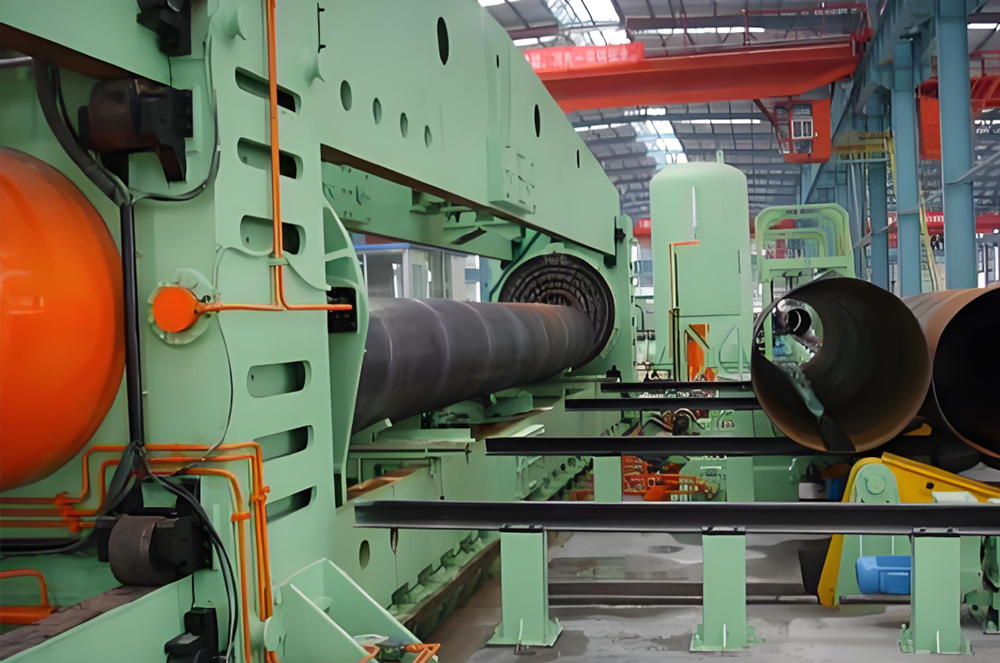
A Pipe pressure testing machine delivers value not only through successful pressure testing but through long-term stability, consistency, and reliability.
Good daily inspection habits reduce failures, improve testing quality, and extend equipment service life.
In industrial pipe production, preventive inspection is often far more effective than emergency maintenance.
A structured Pipe pressure testing machine Daily Inspection Guide helps keep testing operations stable and predictable.