








In many steel pipe factories, the hydro testing area is usually one of the busiest sections on the production line. Pipes may look perfectly fine from the outside, but manufacturers still need to know one thing before shipment:
Can the pipe actually handle pressure safely?
That is why a reliable hydro testing machine for pipe is so important.
Whether producing seamless steel pipes, welded pipes, API pipes, or stainless steel tubes, hydrostatic testing has already become a standard step in modern production. For many buyers, especially in oil, gas, fire protection, and construction projects, pressure testing records are just as important as pipe dimensions.
This is also why factories are paying more attention to choosing a stable and efficient hydro testing machine for pipe instead of relying on older manual testing methods.
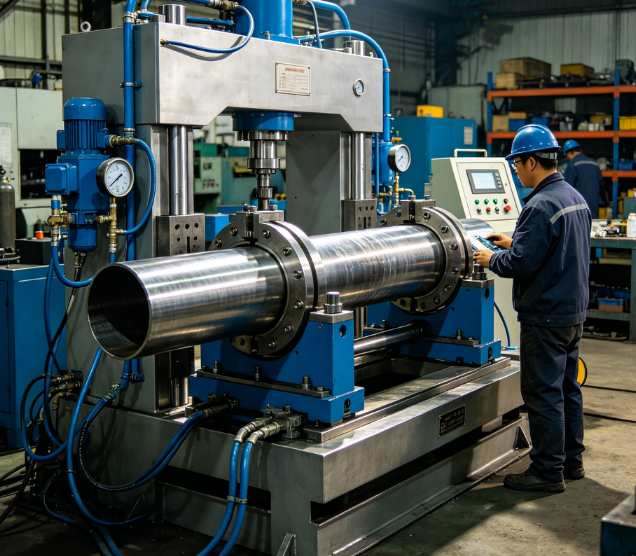
The Main Purpose of a Hydro Testing Machine for Pipe
Simply speaking, the job of a hydro testing machine for pipe is to check whether a pipe can safely hold pressure without leaking, cracking, or deforming.
The machine fills the pipe with water, increases internal pressure to the required level, and keeps that pressure stable for a certain period of time.
If the pipe loses pressure or shows leakage, it fails the test.
It sounds simple, but in actual production, this process helps factories avoid many future problems.
A small welding defect that is invisible to the eye may quickly appear during hydrostatic testing. Without proper testing, that same pipe could later fail at the customer’s site — and that becomes a much bigger issue.
Leak Detection Is Still the Most Important Function
The most basic function of a hydro testing machine for pipe is leak detection.
In real factory production, leakage problems usually come from:
- Poor welding quality
- Small cracks
- Pinholes
- Weak pipe-end sealing
- Material defects
Sometimes the leakage is obvious. Sometimes it is extremely small and only appears after pressure reaches a certain point.
Experienced operators often say the pressure holding stage tells the real story.
If pressure starts dropping slowly during holding time, there is usually a problem somewhere in the pipe or sealing system.
That is why stable pressure control matters so much for a professional hydro testing machine for pipe.
Pressure Resistance Testing Helps Avoid Future Failures
Different pipes are used in completely different working environments.
For example:
|
Pipe Application |
Pressure Requirement |
|
Oil pipelines |
High pressure |
|
Fire protection pipes |
Stable long-term pressure |
|
Water supply pipes |
Leak-free performance |
|
Boiler tubes |
High safety reliability |
|
Structural pipes |
Basic pressure stability |
A good hydro testing machine for pipe allows manufacturers to simulate these pressure conditions before the pipe leaves the factory.
This process helps customers feel more confident about the final product quality.
Automatic Clamping and Sealing Make Production Faster
Older testing methods often required operators to manually position and seal pipes. That process was slower and sometimes inconsistent.
Modern hydro testing machine for pipe systems usually include automatic functions such as:
- Hydraulic clamping
- Automatic centering
- Pipe-end sealing
- Pressure adjustment
- Automatic water filling
In actual production workshops, these functions save a lot of time.
For factories running large quantities of steel pipes every day, automatic positioning and sealing can improve overall efficiency significantly.
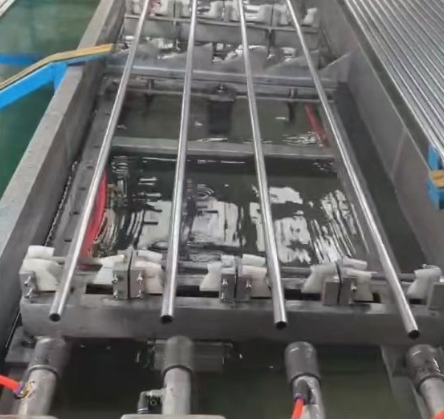
Stable Pressure Holding Is More Important Than Many People Think
Some people focus only on maximum pressure value, but experienced factory operators usually pay more attention to pressure stability.
During hydrostatic testing, the machine must keep pressure steady for a set period of time.
If pressure fluctuates too much, the test result may become unreliable.
A stable hydro testing machine for pipe should maintain smooth pressure curves without sudden drops or excessive vibration.
In many factories, unstable pressure is often linked to:
- Worn seals
- Air inside the system
- Poor water quality
- Hydraulic issues
- Loose pipe connections
That is why routine maintenance is always important.
Digital Control Systems Are Becoming More Common
Today, more steel pipe manufacturers want testing records that can be saved and tracked later.
Because of this, many newer hydro testing machine for pipe models now include:
- PLC control systems
- Touch screen operation
- Automatic data recording
- Pressure curve monitoring
- Test report printing
For export projects, customers often request hydrostatic testing records as part of quality inspection documents.
Factories with automatic data systems usually handle these requests more easily.
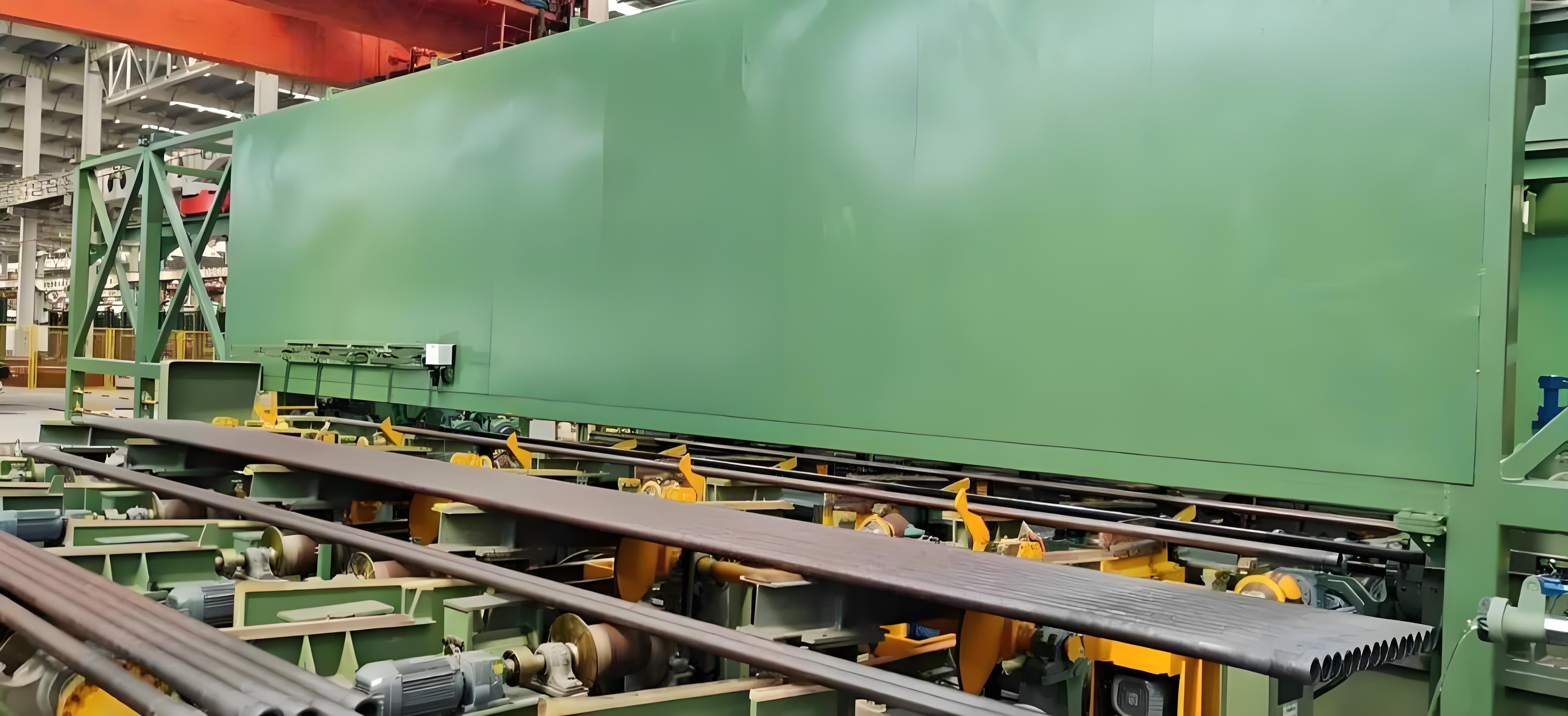
Common Problems Operators Watch for During Testing
Even with automatic equipment, experienced operators still pay close attention during testing.
Some common warning signs include:
|
Problem |
Possible Cause |
|
Pressure drops slowly |
Small leakage |
|
Excessive vibration |
Air trapped in system |
|
Water leakage near sealing head |
Seal wear |
|
Slow pressure build-up |
Pump or valve issue |
|
Unstable pressure display |
Sensor calibration problem |
In many cases, operators can identify equipment problems early just by listening to machine sounds or watching pressure changes carefully.
This kind of practical experience is still very valuable, even with modern automation.
Why Hydro Testing Is Important for Steel Pipe Factories
In recent years, buyers have become stricter about pipe quality.
Many projects now require:
- Pressure testing reports
- Inspection records
- Quality traceability
- Stable testing standards
Without a reliable hydro testing machine for pipe, it becomes much harder for factories to meet these requirements consistently.
For steel pipe manufacturers, hydrostatic testing is no longer just a production step — it is part of product credibility.
Choosing the Right Hydro Testing Machine for Pipe
Factories usually consider several things before buying equipment.
Important Factors
|
Factor |
Why It Matters |
|
Pipe diameter range |
Determines production compatibility |
|
Maximum testing pressure |
Affects application scope |
|
Automation level |
Influences labor efficiency |
|
Sealing performance |
Impacts testing accuracy |
|
Pressure stability |
Improves test reliability |
|
Maintenance convenience |
Reduces downtime |
A cheaper machine may reduce initial cost, but long-term stability is often more important in daily production.Many factories eventually realize that reliable performance saves more money than low purchase price alone.
Real Production Experience: Small Details Often Cause Big Problems
In actual workshops, many hydro testing problems are caused by small details operators overlook.
For example:
- Old sealing rings not replaced in time
- Dirty water affecting valves
- Pipe ends not cleaned properly
- Loose hydraulic fittings
- Air remaining inside pipelines
These issues may seem minor at first, but they often affect testing stability later.
Factories with good maintenance habits usually keep their hydro testing machine for pipe running more smoothly over the long term.
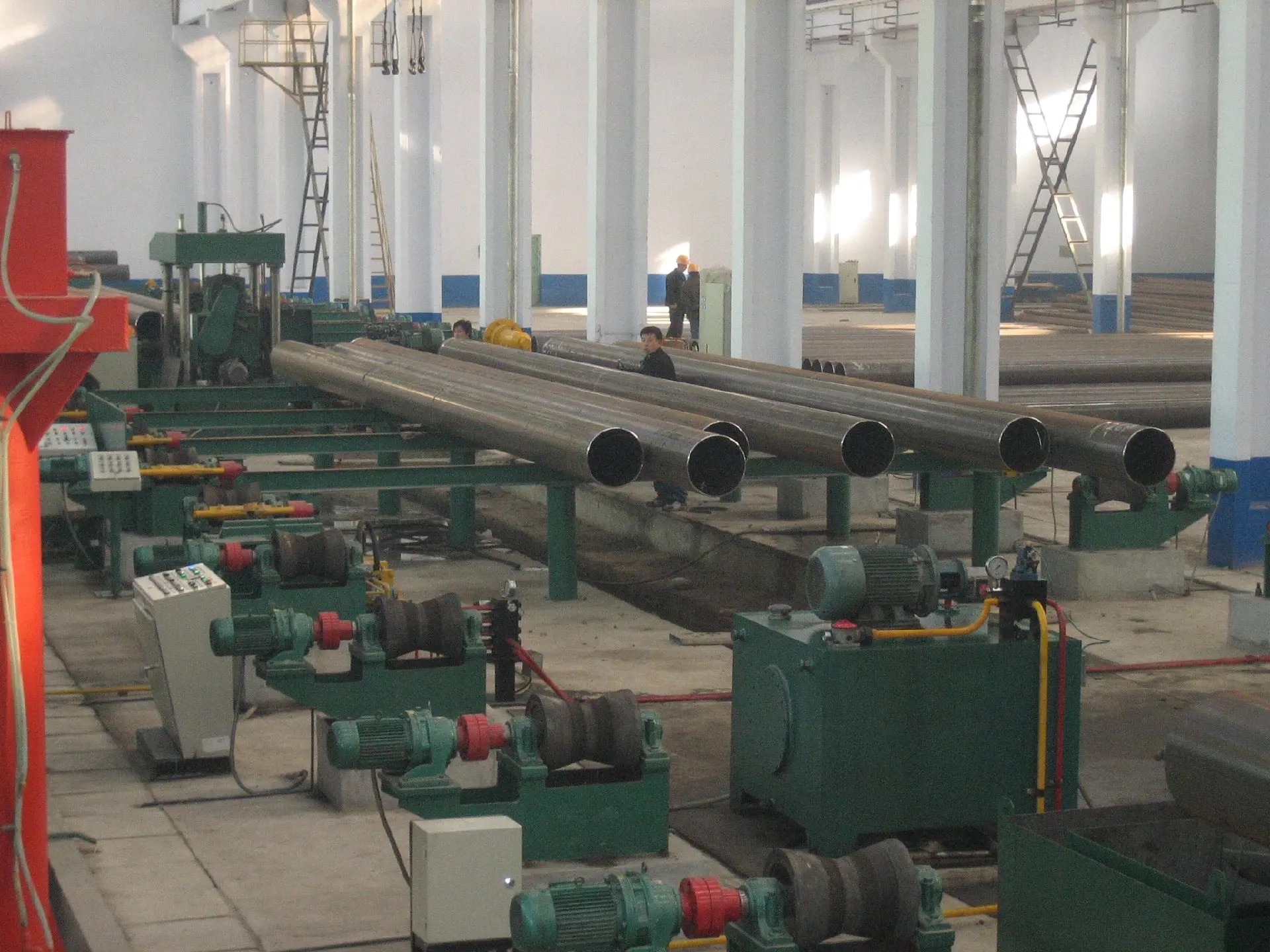
A modern hydro testing machine for pipe does much more than simply increase water pressure inside a steel pipe.
It helps manufacturers detect leakage, verify pressure resistance, improve production efficiency, and maintain product quality standards.
As steel pipe applications continue expanding worldwide, stable hydrostatic testing equipment has become an essential part of reliable pipe manufacturing.
For many factories, a dependable hydro testing machine for pipe is not just testing equipment anymore — it is part of the factory’s reputation.