








In modern pipe manufacturing, production efficiency and safety are no longer separate goals. A well-configured Pipe Hydro Testing Machine can help factories improve testing speed, reduce downtime, and maintain reliable product quality at the same time.
Many pipe mills invest heavily in advanced equipment, but daily performance often depends on how the machine is set up and maintained. In our experience working with pipe testing systems, small adjustments in machine settings, sealing preparation, and operator routines can make a significant difference in both productivity and safety.
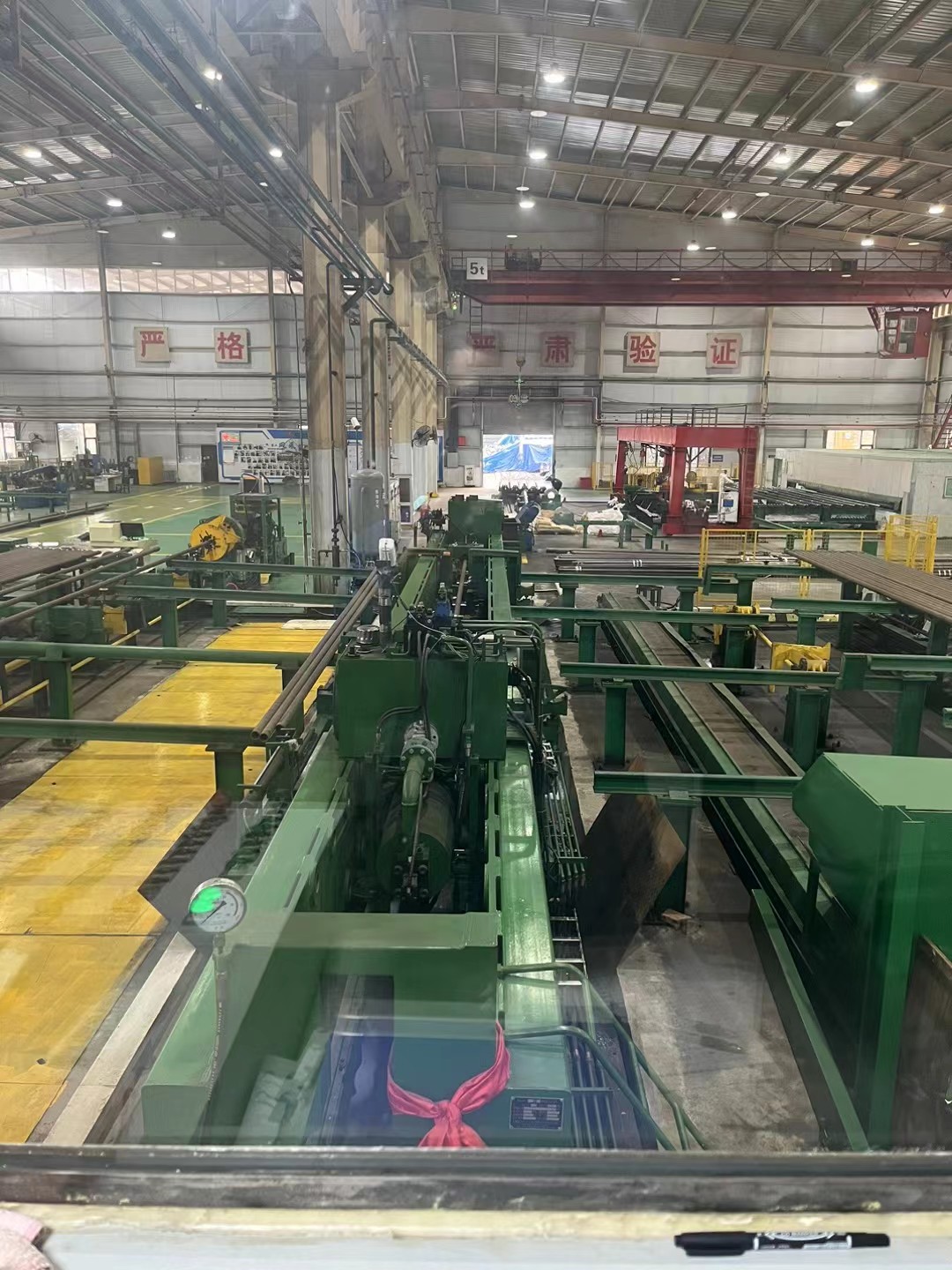
This article shares practical Pipe Hydro Testing Machine setup tips that can help operators achieve smoother daily operation while reducing common testing problems.Why Proper Machine Setup Matters
A Pipe Hydro Testing Machine operates under high pressure and repetitive production cycles. If the machine is not configured correctly, operators may encounter:
- Slow testing cycles
- Unstable pressure readings
- Frequent seal leakage
- Increased maintenance costs
- Unexpected production interruptions
On the other hand, a properly adjusted Pipe Hydro Testing Machine allows factories to increase output while maintaining testing accuracy and workplace safety.Start with a Daily Pre-Operation Inspection. Before the first pipe enters the testing station, operators should complete a basic inspection.
|
Inspection Item |
Purpose |
|
Sealing heads |
Prevent pressure leakage |
|
Pressure sensors |
Ensure accurate readings |
|
Hydraulic system |
Maintain stable machine movement |
|
Water supply system |
Guarantee consistent testing pressure |
|
Emergency stop devices |
Improve operational safety |
Many production delays can be traced back to problems that could have been identified during a five-minute inspection routine.
A daily checklist is one of the easiest ways to keep a Pipe Hydro Testing Machine running efficiently.
Optimize Sealing Head Adjustment
The sealing system is one of the most critical parts of any Pipe Hydro Testing Machine.
If sealing pressure is too low, water leakage may occur during testing. If it is too high, seal wear may increase and pipe ends could become damaged.
Experienced operators typically focus on:
- Correct sealing force
- Proper seal alignment
- Clean pipe end surfaces
- Regular seal replacement
Maintaining optimal sealing conditions not only improves testing accuracy but also helps extend component life.
Eliminate Air Before Pressurization
One common cause of unstable testing results is trapped air inside the pipe.
When air remains in the system, pressure readings may fluctuate and testing efficiency may decrease. Before starting the pressure cycle, operators should ensure that:
- The pipe is completely filled with water
- Air is released through venting points
- Water flow remains stable
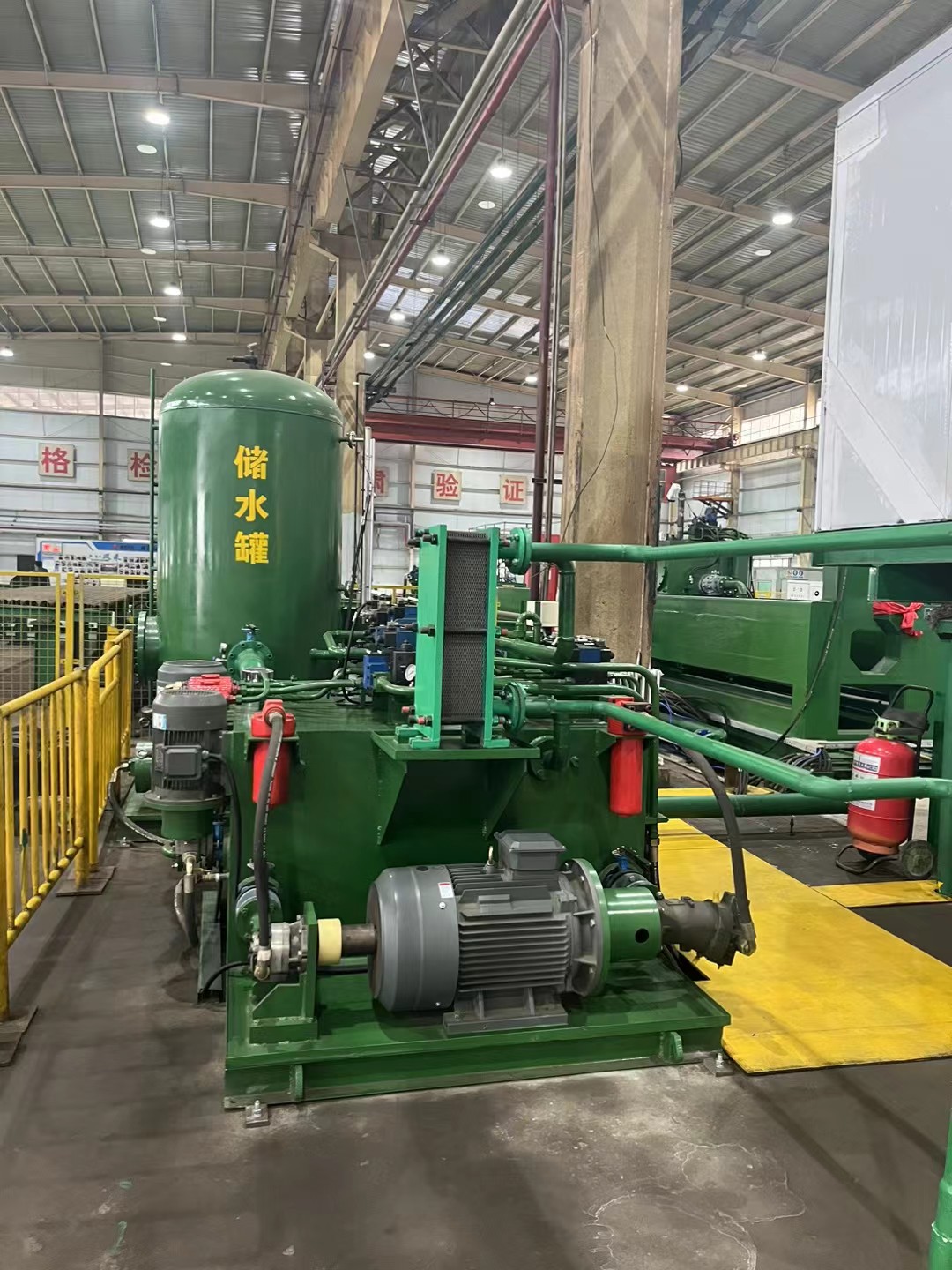
Many factories report noticeable performance improvements after optimizing the venting process of their .
Set Appropriate Pressure Parameters
Higher pressure does not always mean better testing.
The testing pressure should be configured according to:
- Pipe diameter
- Wall thickness
- Material grade
- Customer specifications
- Applicable testing standards
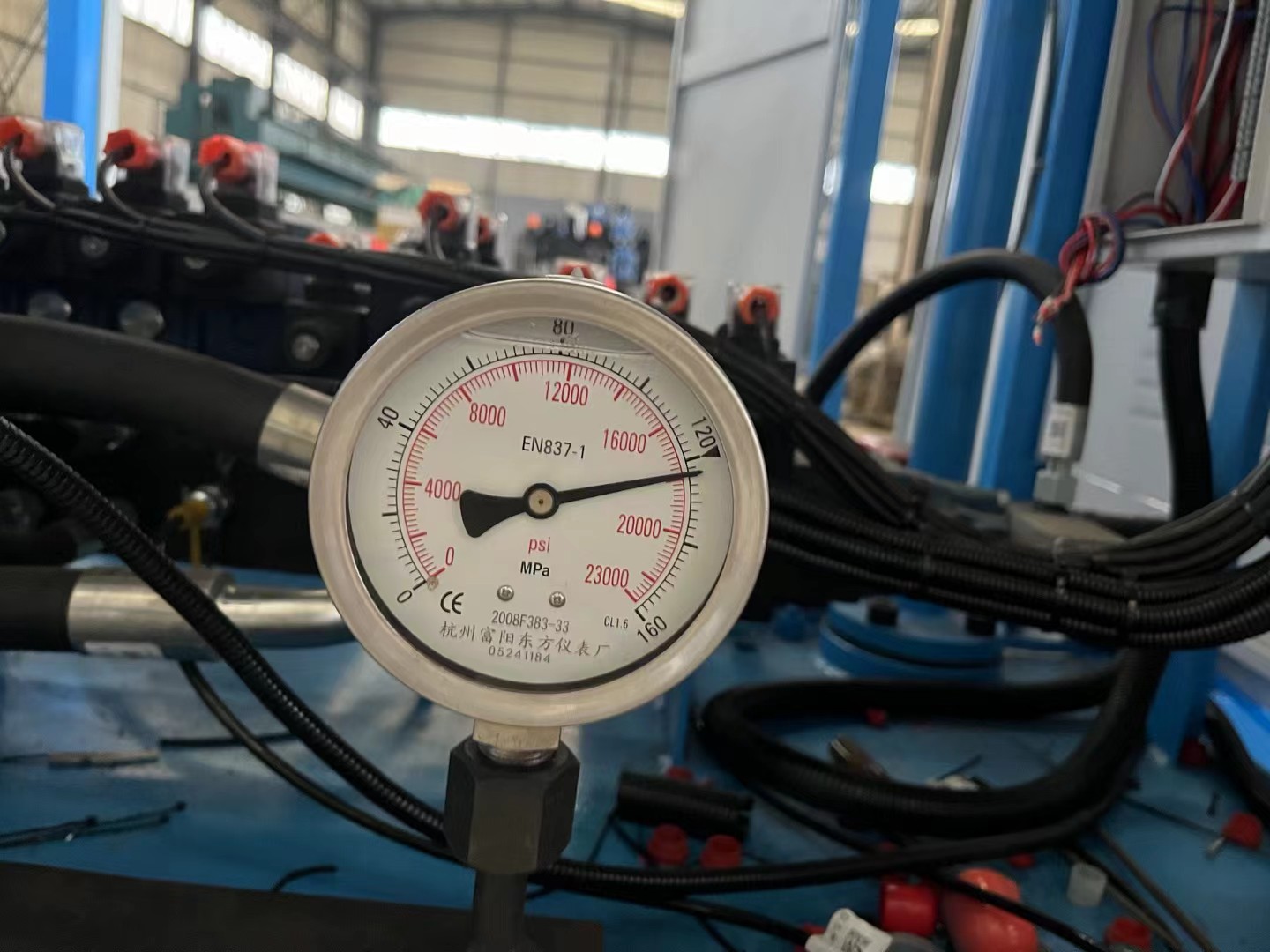
Overly aggressive settings can increase equipment wear and reduce operational efficiency. A properly configured Pipe Hydro Testing Machine balances testing reliability with long-term equipment protection.
Keep the Water System Clean
Water quality is often overlooked, but it directly affects machine performance.
Contaminated water can lead to:
- Valve blockage
- Pump wear
- Sensor contamination
- Reduced system reliability
To maintain stable operation, factories should regularly:
- Clean water filters
- Inspect circulation systems
- Remove sediment buildup
- Monitor water quality
A clean water system helps the Pipe Hydro Testing Machine maintain consistent pressure and reduce maintenance requirements.
Train Operators to Recognize Early Warning Signs
Modern automation improves efficiency, but operator awareness remains valuable.
Experienced personnel often notice small changes before they become major failures.
Common warning signs include:
- Unusual pump noise
- Slower pressure build-up
- Minor seal leakage
- Pressure fluctuations
- Abnormal hydraulic movement
Quick response to these symptoms helps prevent larger production interruptions and improves overall machine reliability.
Safety Should Always Be Part of Setup
Speed is important, but safety should never be sacrificed.
Every Pipe Hydro Testing Machine should include routine safety checks such as:
- Emergency stop testing
- Hydraulic system inspection
- Protective guard verification
- Pressure relief system testing
A safer testing environment protects both operators and equipment while reducing the risk of costly downtime.
Improving daily performance does not always require major equipment upgrades. In many cases, faster and safer operation comes from better setup practices, regular inspections, and consistent maintenance.
A properly configured Pipe Hydro Testing Machine can deliver higher productivity, more stable testing results, and lower operating costs. For pipe manufacturers focused on quality and efficiency, attention to these daily details can make a significant difference over time.