








If you've ever searched for a Pipe Pressure Testing Machine, you've probably noticed that many suppliers claim their equipment can handle "all pipe sizes" and "all testing requirements." In reality, choosing the wrong machine is one of the most common and expensive mistakes pipe manufacturers make.
Over the years, we've spoken with pipe mills producing everything from small-diameter water pipes to large API line pipes for oil and gas projects. One thing is clear: the best Pipe Pressure Testing Machine is not always the biggest, most expensive, or most automated model. It's the one that matches your actual production requirements.
Before investing in new testing equipment, here are five mistakes buyers should avoid.
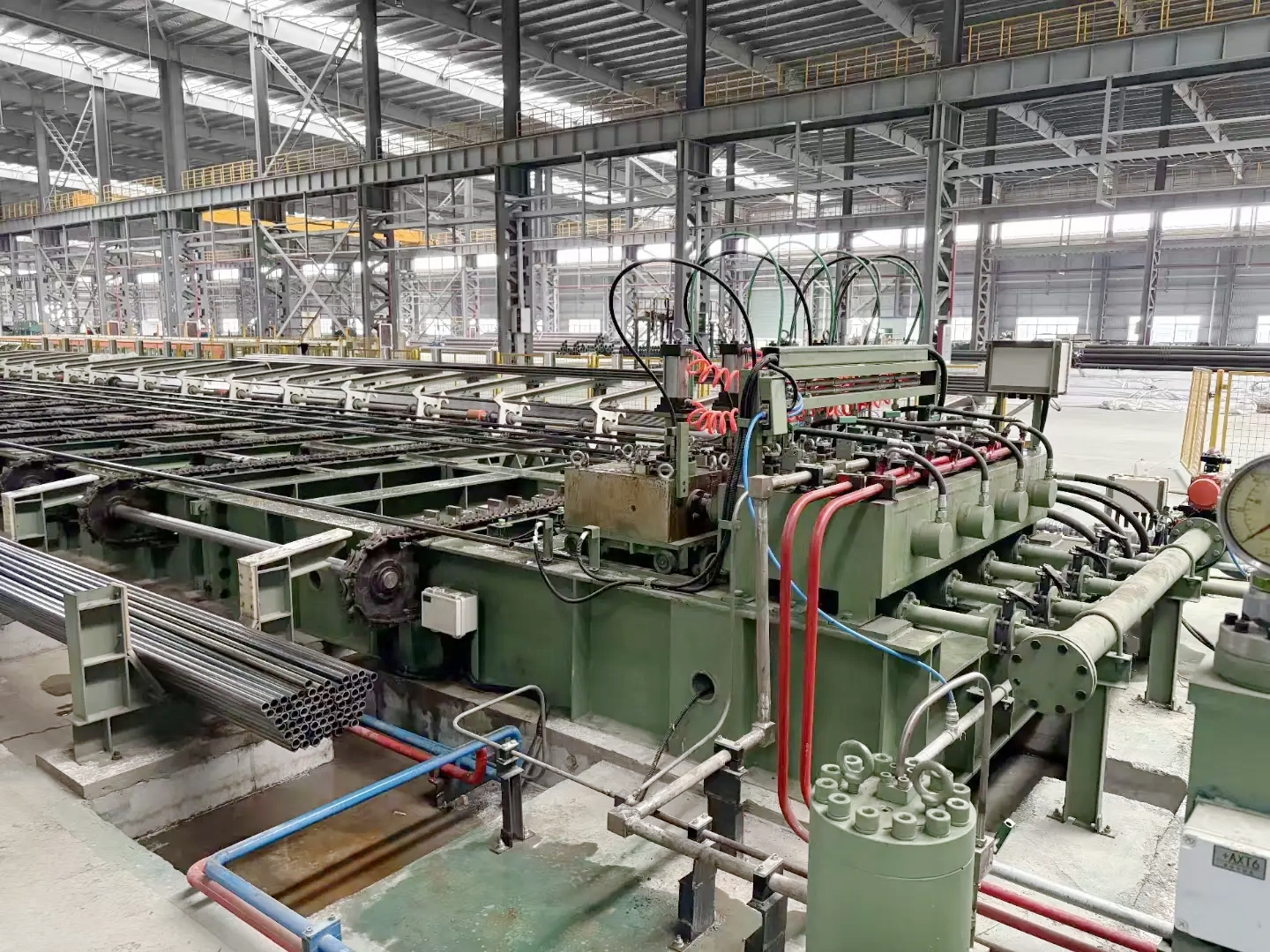
Mistake #1: Choosing a Machine Based Only on Maximum Pressure
Many buyers focus on one number: maximum testing pressure.
At first glance, it seems logical. Higher pressure should mean better performance, right?
Not necessarily.
We once discussed a project with a customer producing structural steel pipes. Their required testing pressure was relatively moderate, but they were considering a much larger Pipe Pressure Testing Machine designed for high-pressure oil and gas applications.
The result?
Higher investment costs, greater energy consumption, and unnecessary maintenance expenses.
Instead of asking, "What's the highest pressure this machine can reach?" buyers should ask:
- What pressure range do my products actually require?
- What standards must I comply with?
- Will my future projects require higher pressure capabilities?
A properly sized Pipe Pressure Testing Machine often delivers better efficiency than an oversized system.
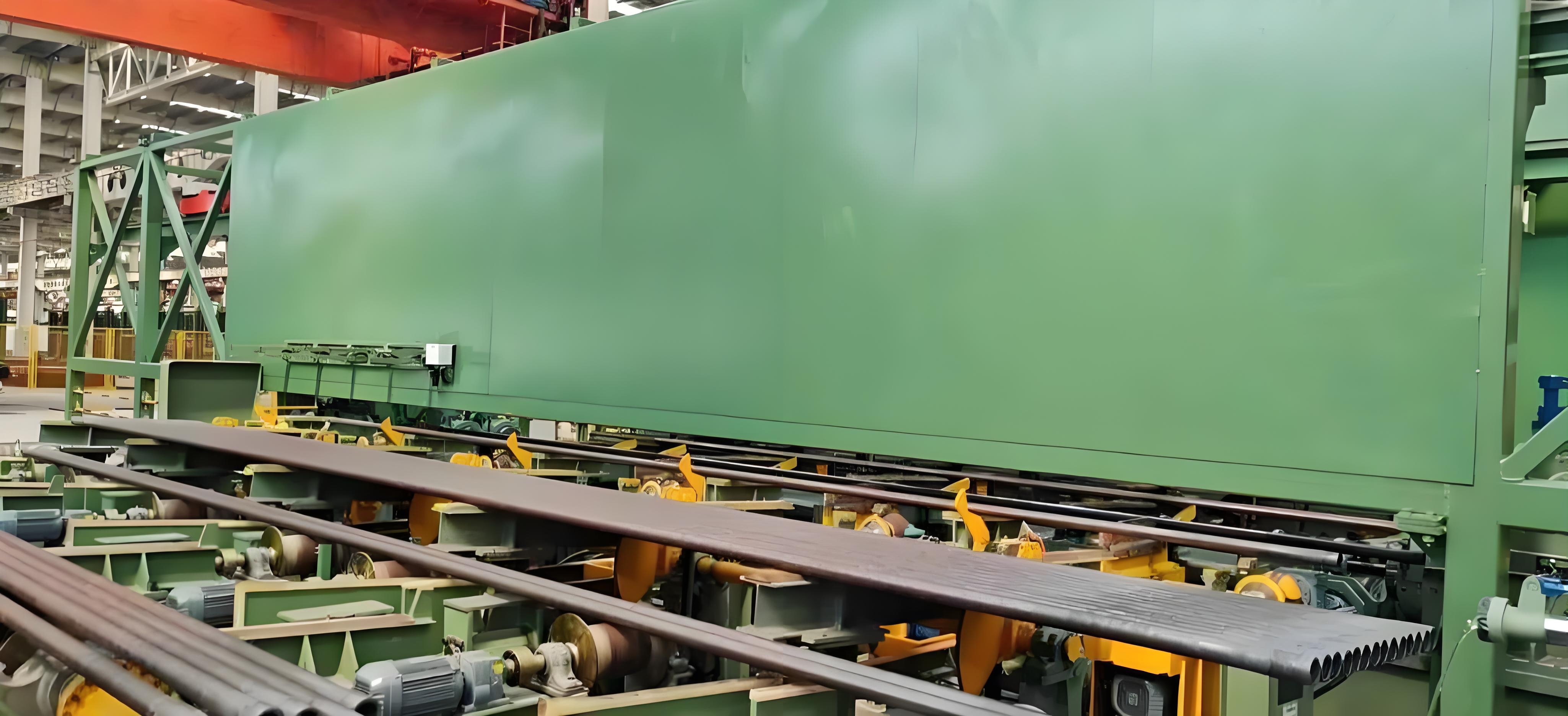
Mistake #2: Ignoring Future Pipe Diameter Expansion
One of the most common issues we see involves pipe diameter growth.
A factory may currently produce pipes between 89 mm and 219 mm. To reduce costs, they purchase equipment specifically designed for that range.
Six months later, a new customer requests 273 mm or even 325 mm pipes.
Suddenly, the existing Pipe Pressure Testing Machine becomes a bottleneck.
|
Current Pipe Range |
Future Risk |
|
89–219 mm |
Unable to test larger products |
|
114–273 mm |
Expansion may require equipment replacement |
|
Multi-size production |
Requires flexible machine design |
When evaluating a Pipe Pressure Testing Machine, it is often worth considering not only today's production plan but also next year's business opportunities.
A slightly wider capacity range can save significant investment later.
Mistake #3: Assuming API, ASTM, and EN Pipes Need the Same Testing Setup
Many first-time buyers believe pressure testing is simply about filling a pipe with water and applying pressure.
The reality is much more complicated.
Different pipe standards often require different testing procedures, pressure recording methods, and traceability requirements.
For example:
|
Standard |
Typical Requirement |
|
API |
Strict pressure records and traceability |
|
ASTM |
Consistent pressure performance |
|
EN |
Detailed testing procedures |
|
ISO Projects |
Documentation and quality verification |
Before selecting a machine, buyers should clearly define which standards their customers require.
Ignoring this step often creates problems during customer audits and third-party inspections.
Mistake #4: Underestimating the Value of Automation
Several years ago, many manufacturers viewed automation as a luxury.
Today, that mindset is changing.
A manual or semi-automatic Pipe Pressure Testing Machine may appear less expensive initially, but labor costs, production speed, and consistency often tell a different story.
Consider these questions:
- How many pipes are tested per shift?
- How many operators are required?
- How much downtime occurs during product changeovers?
For high-volume production, automated systems offer advantages such as:
- Faster loading and unloading
- Consistent pressure control
- Reduced operator dependency
- Automatic test record generation
The goal is not maximum automation at any cost. The goal is selecting a Pipe Pressure Testing Machine that supports the factory's actual production volume.
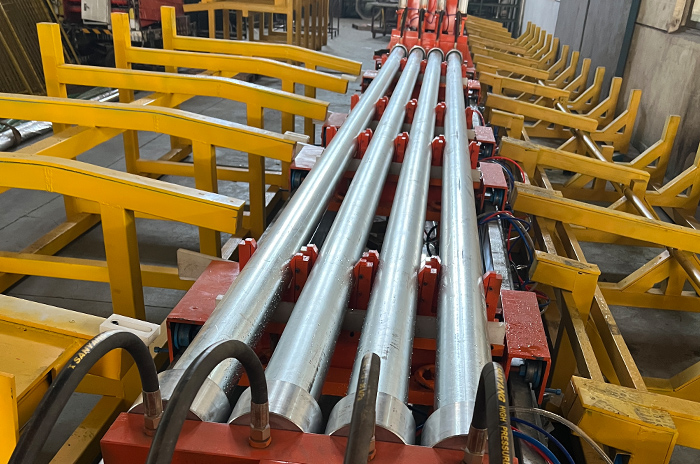
Mistake #5: Comparing Suppliers by Price Alone
This may be the most expensive mistake of all.
A lower quotation often looks attractive during procurement discussions. However, the purchase price is only one part of the total cost.
Buyers should also evaluate:
- Sealing system quality
- Hydraulic component reliability
- Pressure sensor accuracy
- Spare parts availability
- Technical support response time
- Machine lifespan
One factory owner once told us:
"The cheapest machine became the most expensive machine after two years."
Frequent seal replacement, unexpected downtime, and delayed technical support can quickly outweigh the initial savings.
When comparing a Pipe Pressure Testing Machine, lifecycle cost is often more important than purchase price.
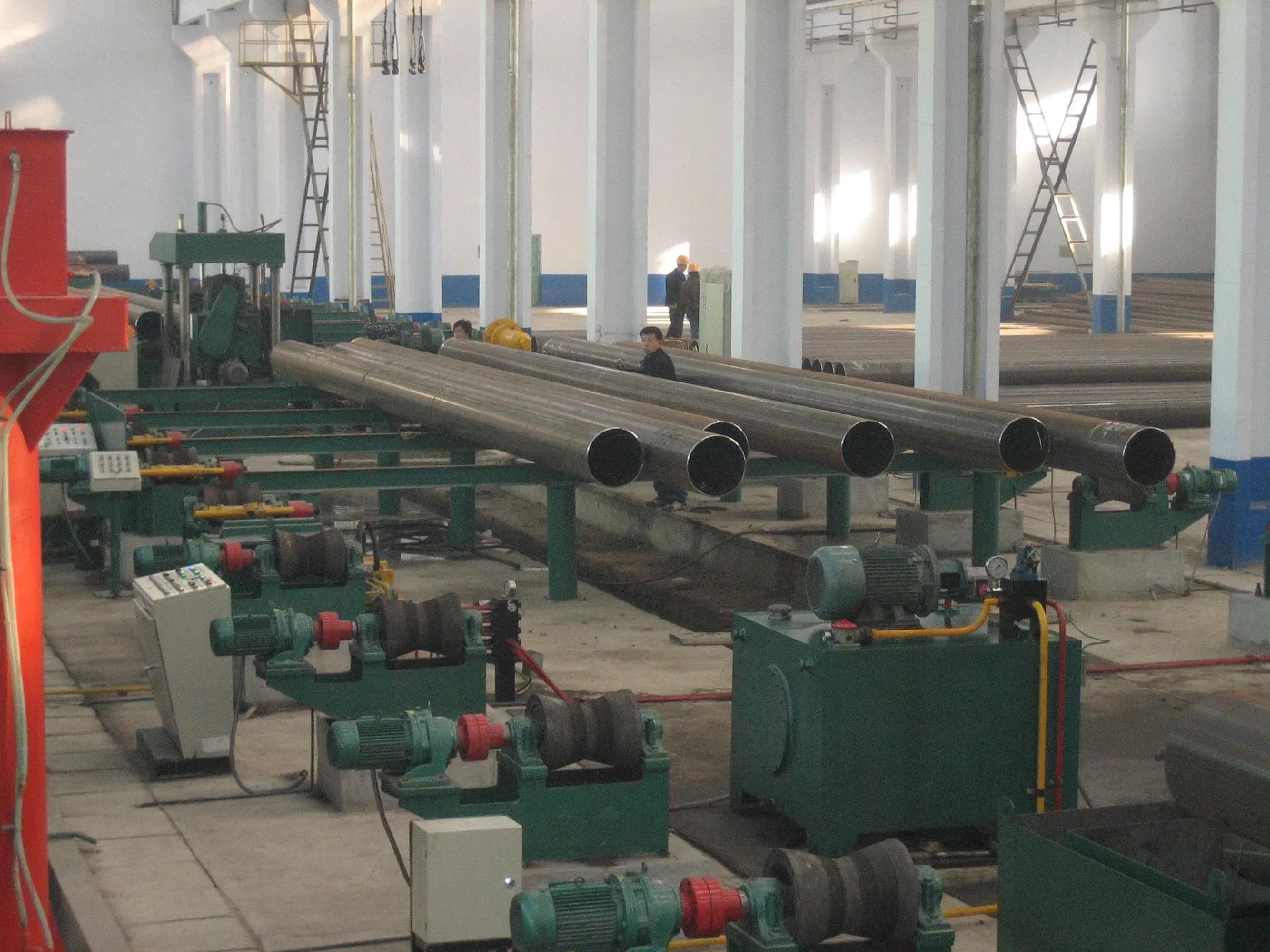
What Experienced Buyers Ask Before Purchasing
Experienced pipe manufacturers rarely start with machine specifications.
Instead, they start with production requirements.
Their questions typically include:
- What pipe sizes will we produce over the next five years?
- Which international standards must we meet?
- How much testing data do customers require?
- How many shifts will the machine operate daily?
- How quickly can spare parts be supplied?
The answers to these questions often determine which Pipe Pressure Testing Machine is truly the best fit.
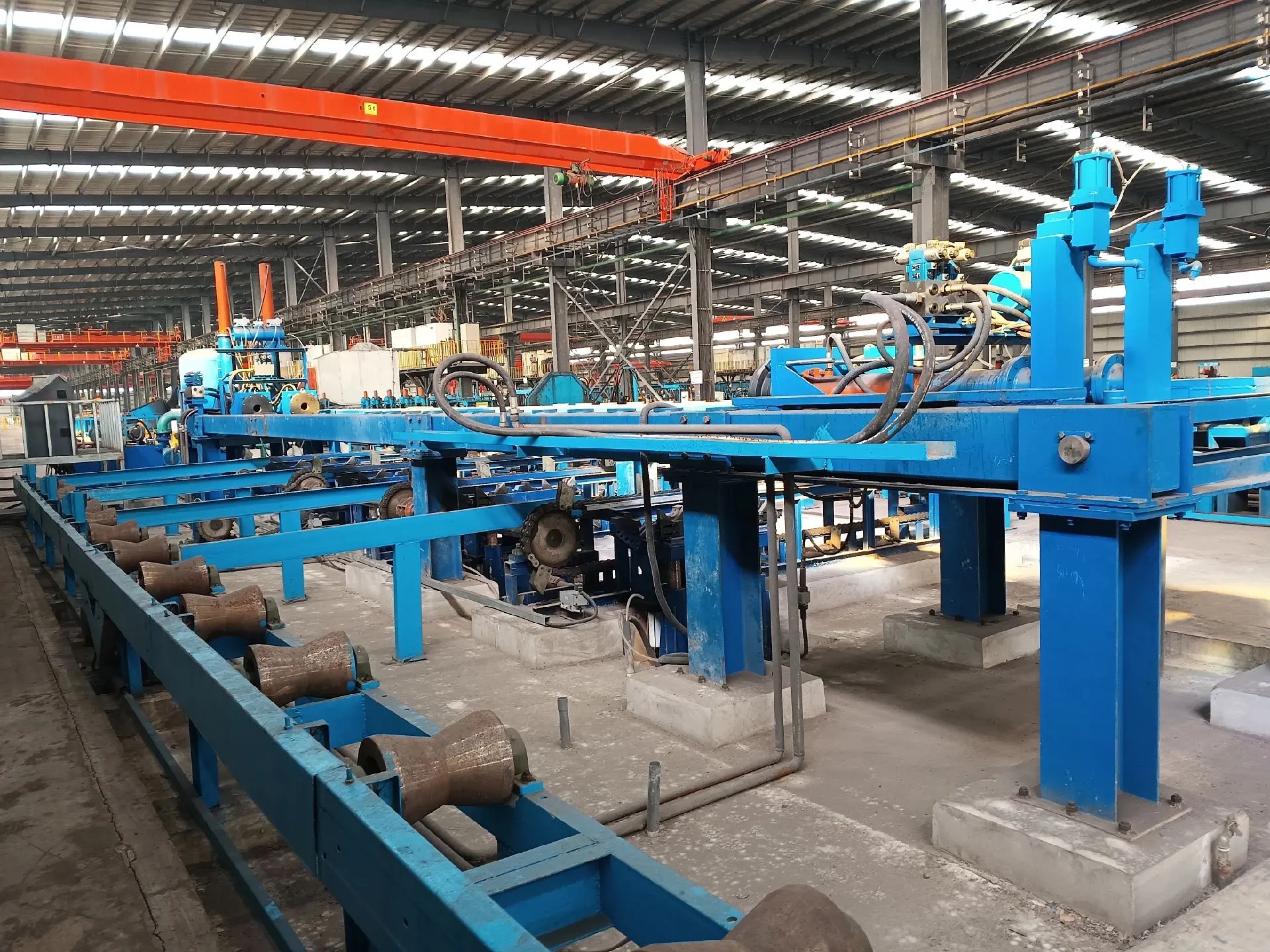
Selecting a Pipe Pressure Testing Machine is not simply an equipment purchase. It is a long-term production decision that affects efficiency, quality control, maintenance costs, and future growth.
The buyers who achieve the best results are usually not the ones chasing the lowest price or the highest pressure rating. They are the ones who understand their products, their customers, and their future production plans.
Avoiding these five common mistakes can help manufacturers choose a Pipe Pressure Testing Machine that delivers reliable performance for many years while supporting business expansion and customer satisfaction.