








In a pipe mill, the most expensive defects are often the ones you cannot see with the naked eye. A weld may look clean. A cut edge may look normal. The pipe may even pass dimensional inspection. But once pressure is applied, a weak seam, a sealing issue, or a hidden material flaw can show up immediately.
That is exactly why a Pipe Pressure Testing Machine matters before shipment.
For American pipe manufacturers, the goal is not only to test whether a pipe “holds pressure.” The real goal is to catch weak points early, reduce field failure risk, and protect both the mill’s reputation and the customer’s project schedule. In practice, a Pipe Pressure Testing Machine is one of the last and most important checkpoints before product release.
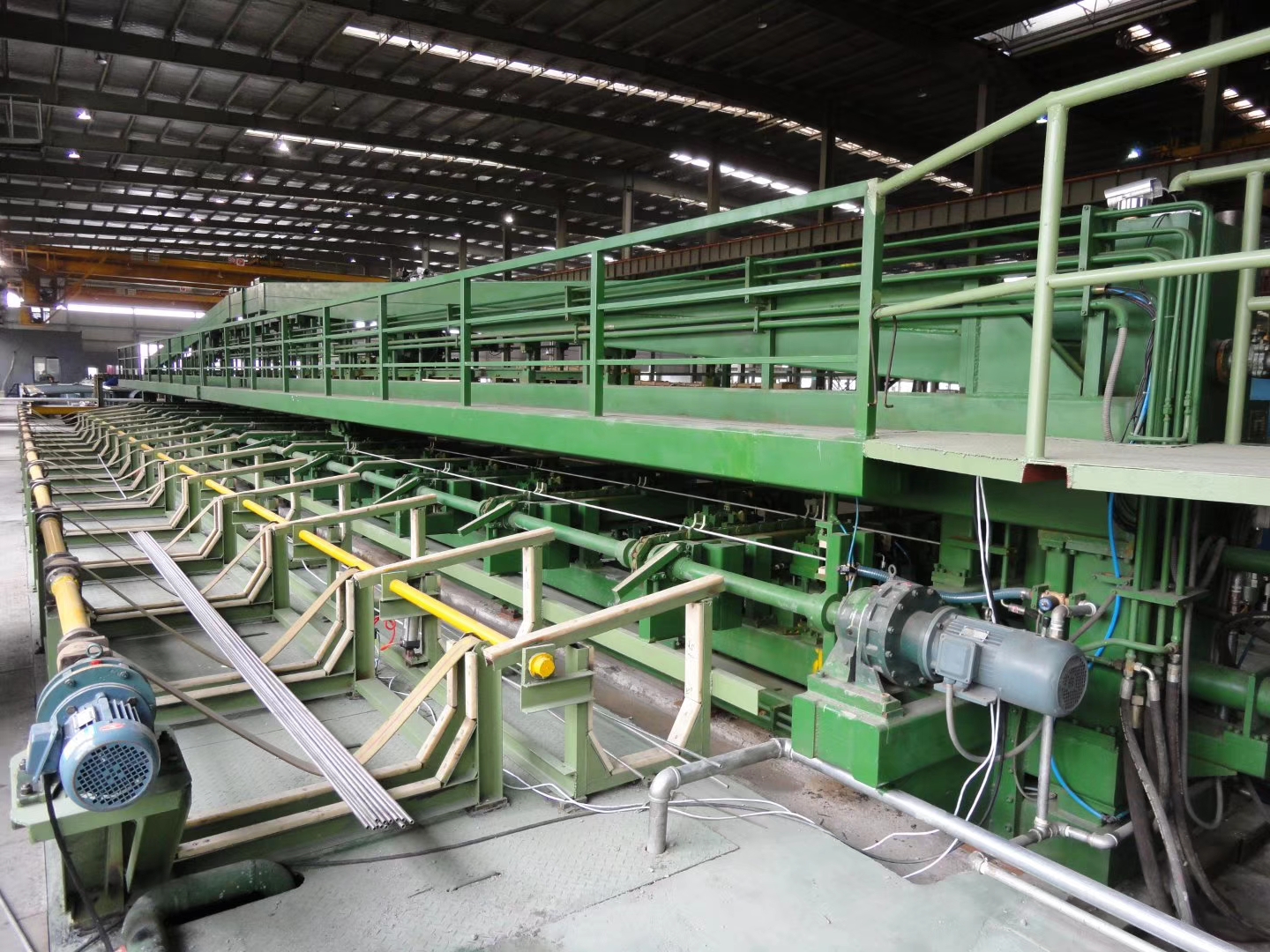
Why weak points are often missed before pressure testing
Most weak points do not announce themselves during visual inspection. A pipe can pass a quick shop-floor check and still fail under load because of:
- incomplete weld penetration
- micro cracks near the seam
- poor end sealing
- wall thickness inconsistency
- forming stress left from production
- contamination or surface defects around the joint area
A Pipe Pressure Testing Machine helps expose these problems by applying controlled internal pressure and holding it long enough to reveal leakage, pressure loss, or structural weakness.
In a real production environment, that matters more than any brochure claim. A pipe that fails in the plant is a controlled problem. A pipe that fails in the field is a customer problem.
What the machine actually reveals
A well-run Pipe Pressure Testing Machine does more than “pass or fail” a pipe. It gives the production team a clearer picture of where the process needs attention.
|
Test Result |
What It Usually Suggests |
What Engineers Check Next |
|
Pressure drops too fast |
Leakage or weak sealing point |
End seals, weld seam, pipe ends |
|
Visible water leakage |
Open defect or poor joint area |
Surface condition, weld quality |
|
Pressure curve unstable |
Air trapped or inconsistent pipe quality |
Filling process, venting, material stability |
|
Repeated failures on same size |
Process issue on that product line |
Forming settings, welding parameters |
|
Random failures across batches |
Material or maintenance issue |
Incoming material, machine calibration |
When engineers review results from a Pipe Pressure Testing Machine, they are not just looking for rejection. They are looking for patterns. Patterns tell the truth about the process.
A practical shop-floor example
A mid-size pipe manufacturer in the U.S. was producing carbon steel pipes for water infrastructure projects. Their visual inspection looked solid, and early batch checks were passing. But once the pipes reached pressure testing, a small number began failing at the same location near one end.
At first, the team suspected the testing equipment. After a closer review, the issue turned out to be a combination of end-forming inconsistency and slight sealing mismatch during the pressure test. The Pipe Pressure Testing Machine did its job: it exposed the weak point before the pipes left the plant.
The result was not just fewer defective shipments. The mill also adjusted its end preparation process and avoided a problem that could have shown up later in installation.
That is the real value of a Pipe Pressure Testing Machine. It does not just reject bad product. It helps the plant find where the process is drifting.
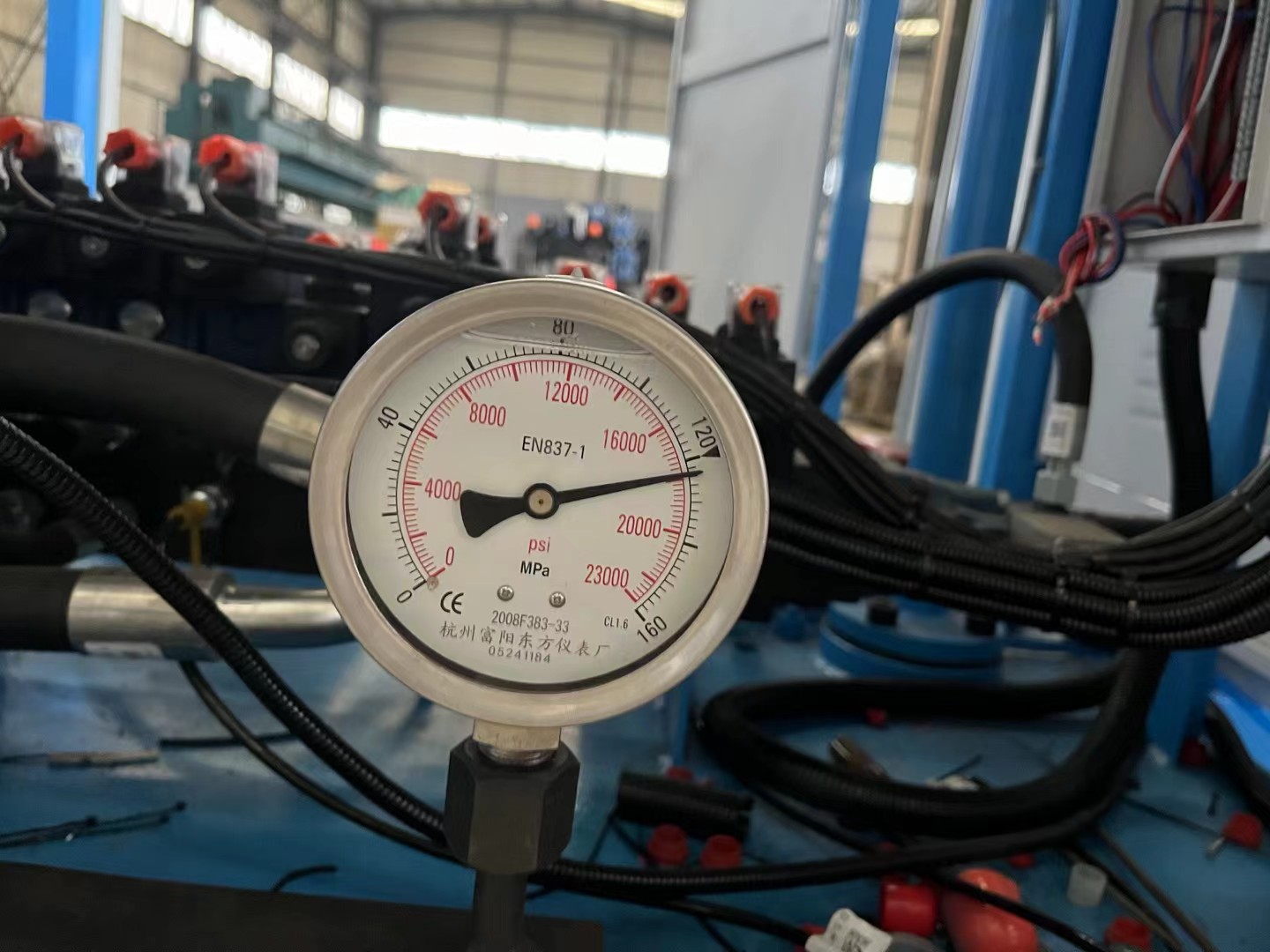
Why American buyers care about this stage
For U.S. buyers, especially procurement managers and project engineers, shipment quality is about more than paperwork. They want assurance that the product they receive has already been checked under realistic load conditions.
That is why a Pipe Pressure Testing Machine is often viewed as part of the quality assurance system, not just a production accessory.
A reliable pressure test can help:
- reduce warranty risk
- support project documentation
- improve customer confidence
- lower field failure claims
- protect on-time delivery schedules
If a supplier can show stable testing records from a Pipe Pressure Testing Machine, the conversation with buyers becomes much easier. It sends a clear message: the mill is controlling quality before the product reaches the job site.
What makes testing accurate in the first place
A Pipe Pressure Testing Machine only works well when setup and maintenance are taken seriously. Accuracy depends on a few basic but important factors:
|
Key Factor |
Why It Matters |
|
Seal condition |
Prevents false leakage results |
|
Pressure sensor calibration |
Ensures reliable readings |
|
Water filling and venting |
Removes trapped air that distorts the test |
|
Pipe alignment |
Keeps the test stable and repeatable |
|
Pump performance |
Maintains consistent pressure build-up |
Even a high-end Pipe Pressure Testing Machine can produce poor results if the pipe is not positioned correctly or if the sealing system is worn out. In many plants, the difference between a smooth shift and a shutdown is not the machine itself, but the discipline around the machine.
Where weak points usually show up
In real production, weak points often appear in the same places:
- weld seam transition areas
- pipe ends after cutting or end-finishing
- sections with wall thickness variation
- areas affected by improper cooling or forming stress
- pipes that were handled roughly before testing
That is why an experienced operator does not just watch the pressure number. He or she watches the pattern, the sound, the seal behavior, and the pipe response during the test cycle. A Pipe Pressure Testing Machine becomes more useful when the team knows how to read the results correctly.
Why shipment-stage testing is worth the time
Some factories still see pressure testing as a delay. In reality, it is usually the opposite. Catching a defect before shipment saves time, labor, freight cost, and reputation damage.
A Pipe Pressure Testing Machine gives the plant one more chance to correct the process before the product becomes the customer’s problem. That is especially important for export orders, infrastructure contracts, and repeat business.
If a shipment fails in the field, the cost is rarely limited to one pipe. It can affect the entire project relationship.
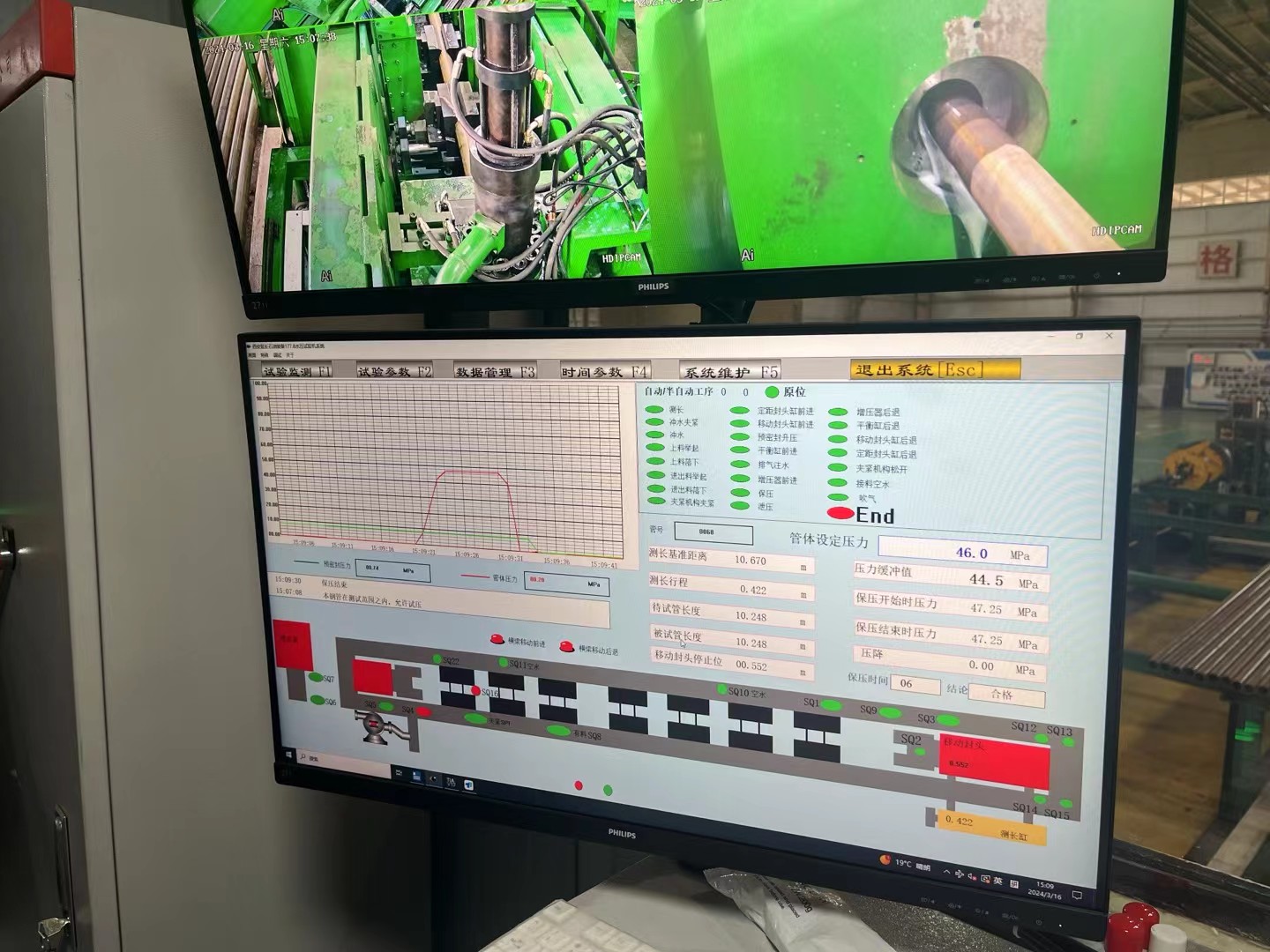
A Pipe Pressure Testing Machine is one of the most practical tools for detecting weak points before shipment. It helps pipe mills identify hidden defects, improve process control, and send stronger product to market.
For American buyers and plant engineers, that matters because quality is not judged by appearance alone. It is judged by performance under pressure.
When the machine is set up correctly and the test results are reviewed with a real engineering mindset, the Pipe Pressure Testing Machine becomes more than a test station. It becomes a quality gate that protects the entire supply chain.