








Operating a pipe testing line for the first time is one of those moments that looks simple on paper—but feels very different in real production.
A Pipe Hydrotest Machine is not complicated in theory: load the pipe, seal both ends, fill with water, pressurize, hold, and check for leakage. But in a real steel pipe or tube factory, small operational mistakes can lead to false failures, unstable pressure readings, or unnecessary retesting.
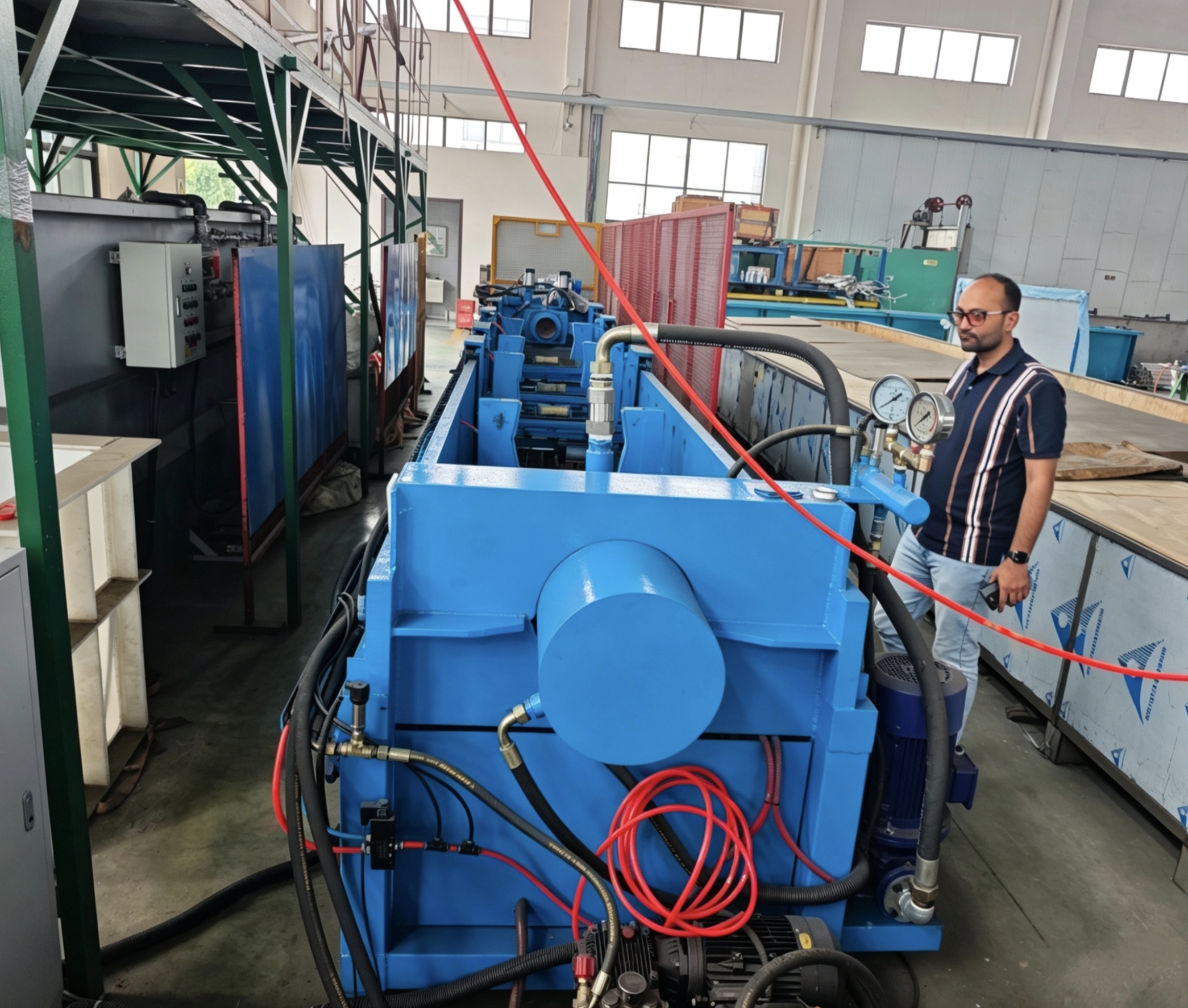
Before you start: what first-time operators must understand
Before touching the control panel, operators should understand one key idea:
A Pipe Hydrotest Machine does not “fix” pipe quality—it reveals it.
That means your setup, sealing, and venting are just as important as the pressure itself.
Most early-stage problems come from preparation, not from the machine.
Step 1: Pipe loading and alignment
Improper loading is one of the fastest ways to get inaccurate results.
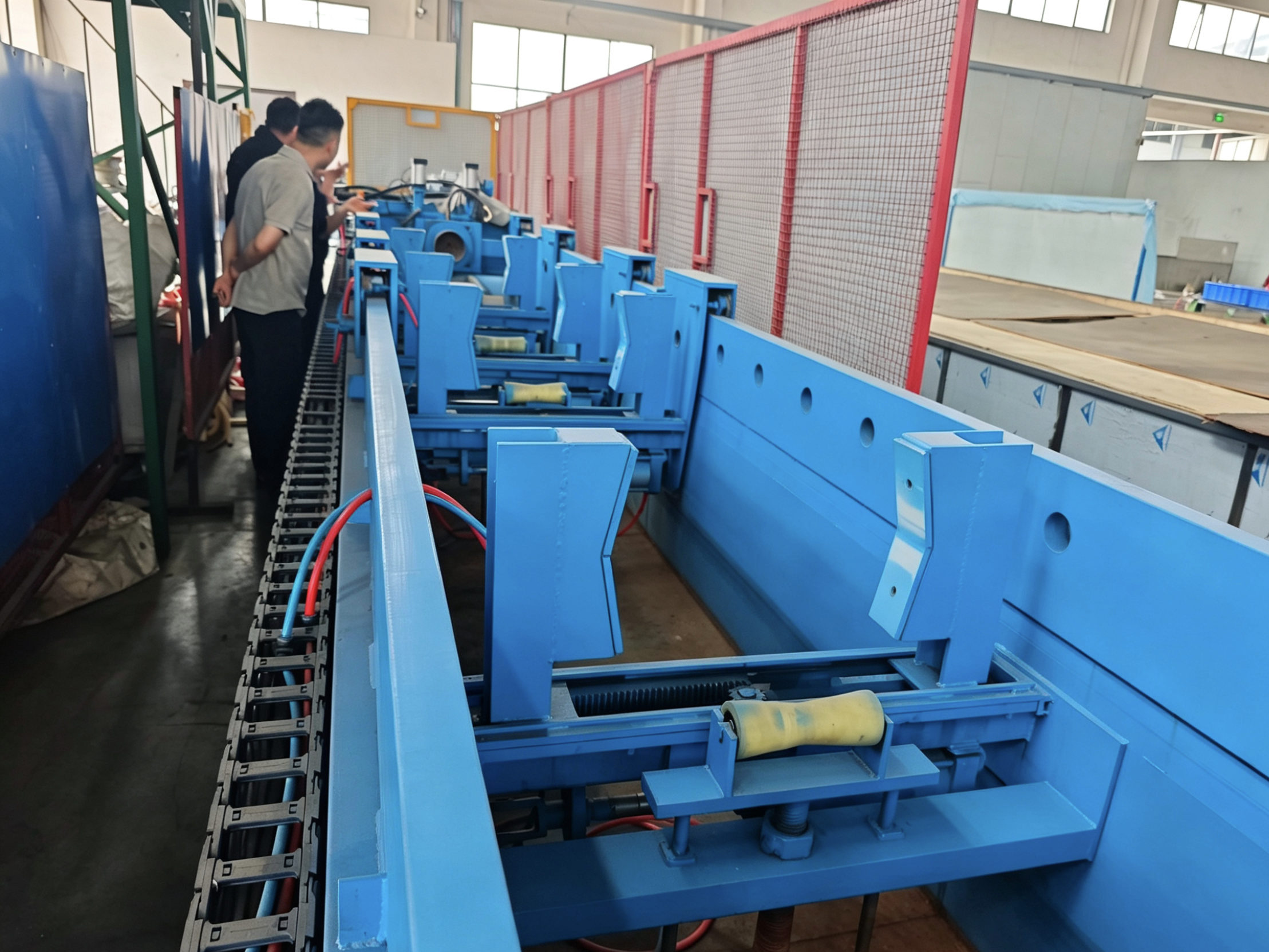
If the pipe is not aligned correctly, the sealing heads will not close evenly, which can lead to:
- false leakage signals
- uneven pressure distribution
- repeated test cycles
|
Common Loading Issue |
Result |
Practical Fix |
|
Pipe not centered |
Seal failure or false leakage |
Re-adjust roller position |
|
Pipe surface contamination |
Seal slipping |
Clean pipe ends before loading |
|
Incorrect pipe support |
Pipe vibration during pressurization |
Adjust support rollers |
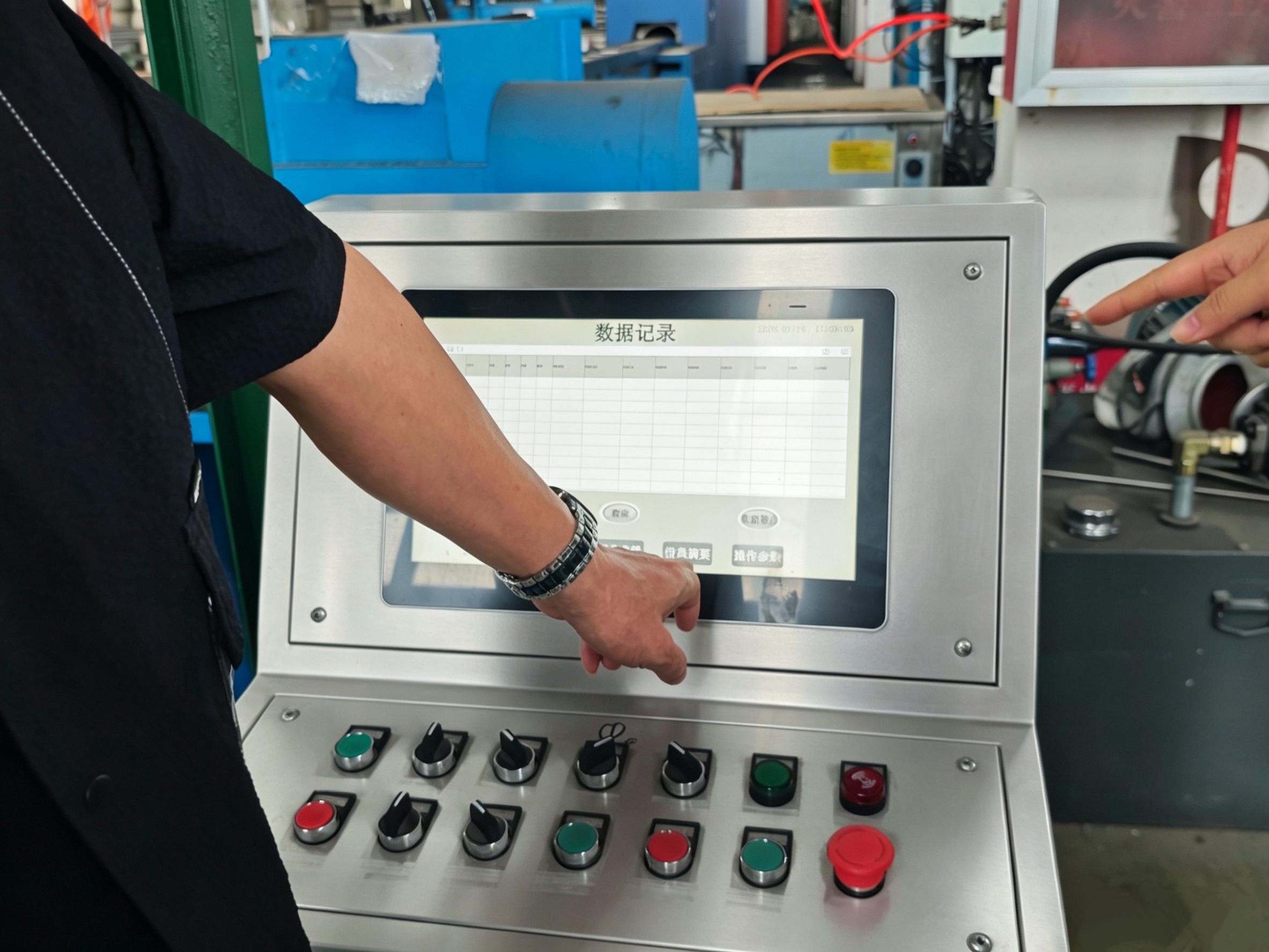
Step 2: Sealing system check
Sealing is where most first-time operators make mistakes.
If the sealing force is too low, you will get leakage. If it is too high, you risk damaging pipe ends—especially on stainless or thin-wall pipes.
Before starting production, always check:
- sealing ring condition
- hydraulic clamping pressure
- contact surface cleanliness
- alignment of sealing heads
A properly configured Pipe Hydrotest Machine should seal smoothly without forcing the pipe into position.
Step 3: Filling and venting the pipe
Air trapped inside the pipe is one of the most common reasons for unstable test results.
If air is not fully removed, the system may show:
- unstable pressure readings
- delayed pressure rise
- incorrect pass/fail results
A first-time operator should always ensure:
- vent valves are fully open during filling
- water flow is steady and complete
- no trapped air pockets remain inside the pipe
A Pipe Hydrotest Machine is only as accurate as its filling process.
Step 4: Pressure increase and monitoring
This is where operators tend to overreact.
Pressure should never be “forced” quickly just to save time.
A stable Pipe Hydrotest Machine will:
- increase pressure gradually
- stabilize before holding phase
- maintain consistent reading without fluctuation
| Pressure Behavior | Meaning |
|---|---|
| Fast unstable rise | Air in system or pump imbalance |
| Slow but steady rise | Normal condition |
| Sudden drop | Possible leakage or seal issue |
First-time users should focus more on stability than speed.
Step 5: Holding time and inspection
Once target pressure is reached, the system enters the holding phase.
This is where real quality verification happens.
Operators should watch:
- pressure stability over time
- visible leakage points
- seal behavior under load
In one U.S. pipe mill training project, operators initially assumed small pressure fluctuations were machine faults. After review, it was found that venting was incomplete. Once corrected, the Pipe Hydrotest Machine produced stable and repeatable results across batches.
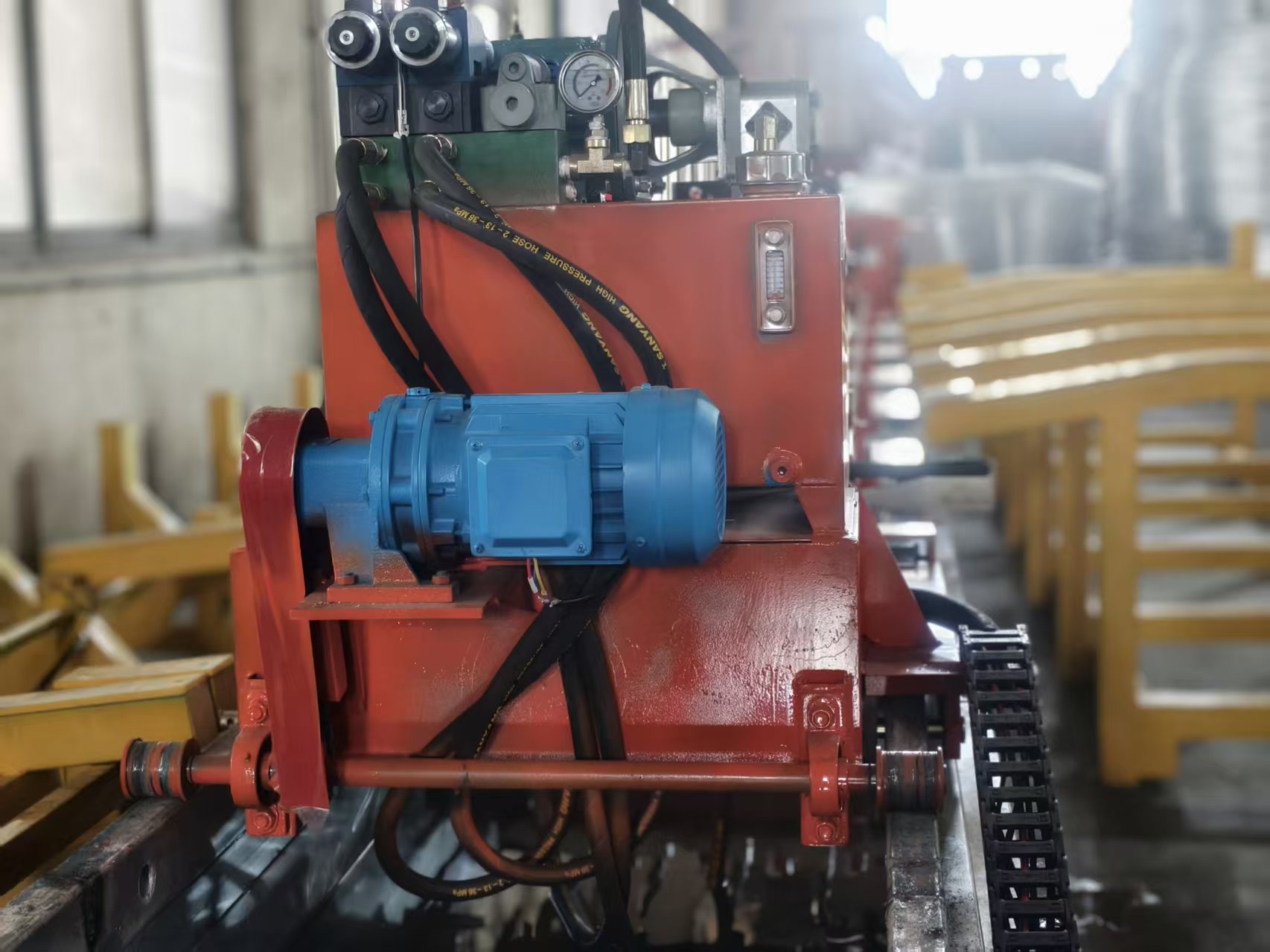
Step 6: Unloading and cycle reset
After testing, pipes must be unloaded carefully to avoid damaging seals or rollers.
A smooth cycle should look like:
- pressure release
- sealing head retraction
- pipe unloading
- system reset for next cycle
A well-designed Pipe Hydrotest Machine minimizes downtime between cycles. Poor unloading practices often reduce overall plant efficiency more than testing itself.
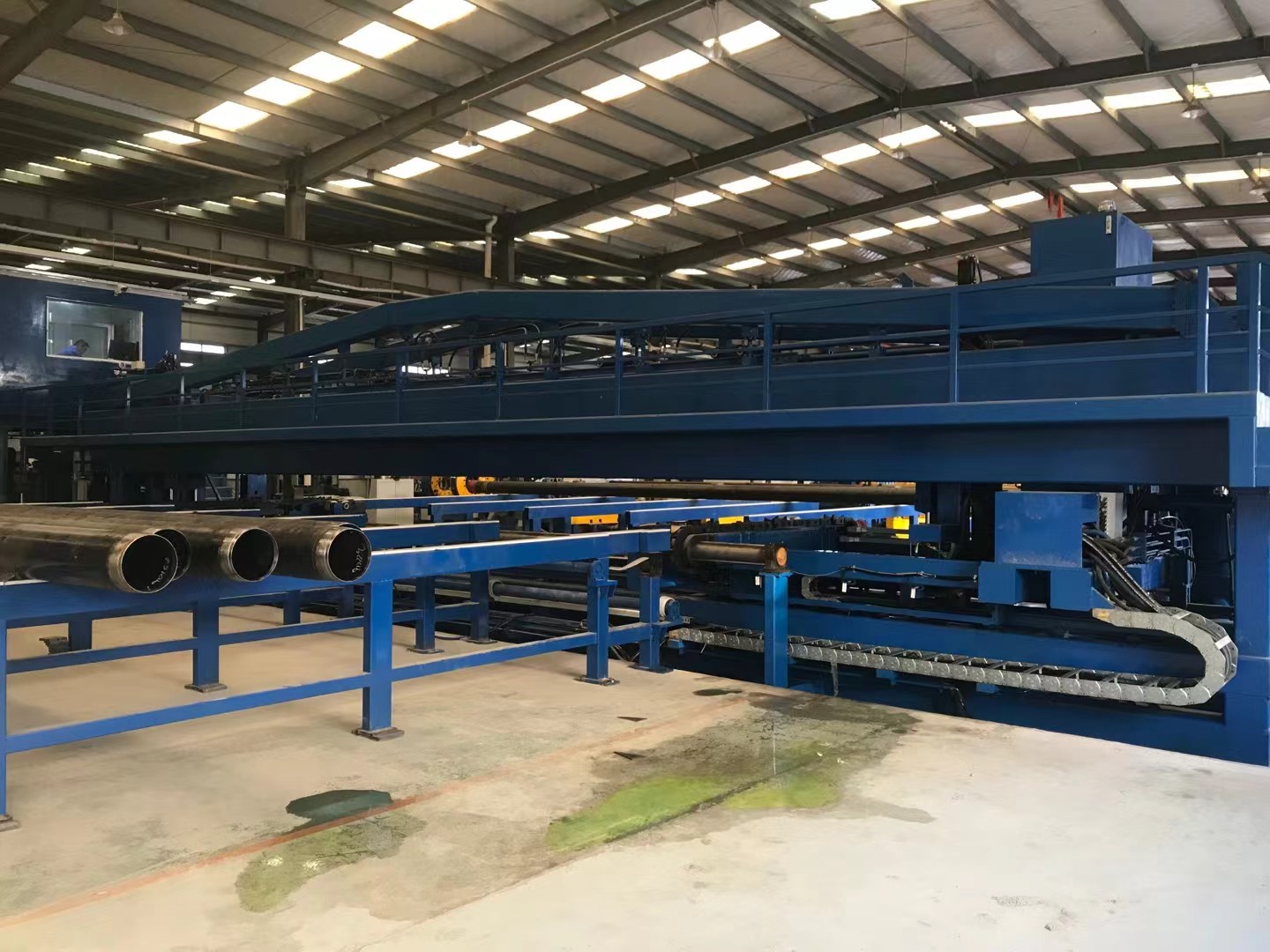
Common first-time mistakes
Most issues during early operation are predictable:
- skipping venting step
- over-tightening sealing force
- rushing pressure increase
- ignoring pipe surface condition
- inconsistent loading alignment
|
Mistake |
Impact |
Severity |
|
Poor venting |
False failure results |
High |
|
Over-sealing |
Pipe end damage |
High |
|
Fast pressurization |
Unstable readings |
Medium |
|
Improper loading |
Seal leakage |
Medium |
A Pipe Hydrotest Machine is very forgiving when used correctly—but very sensitive when setup is inconsistent.
Real-world training example
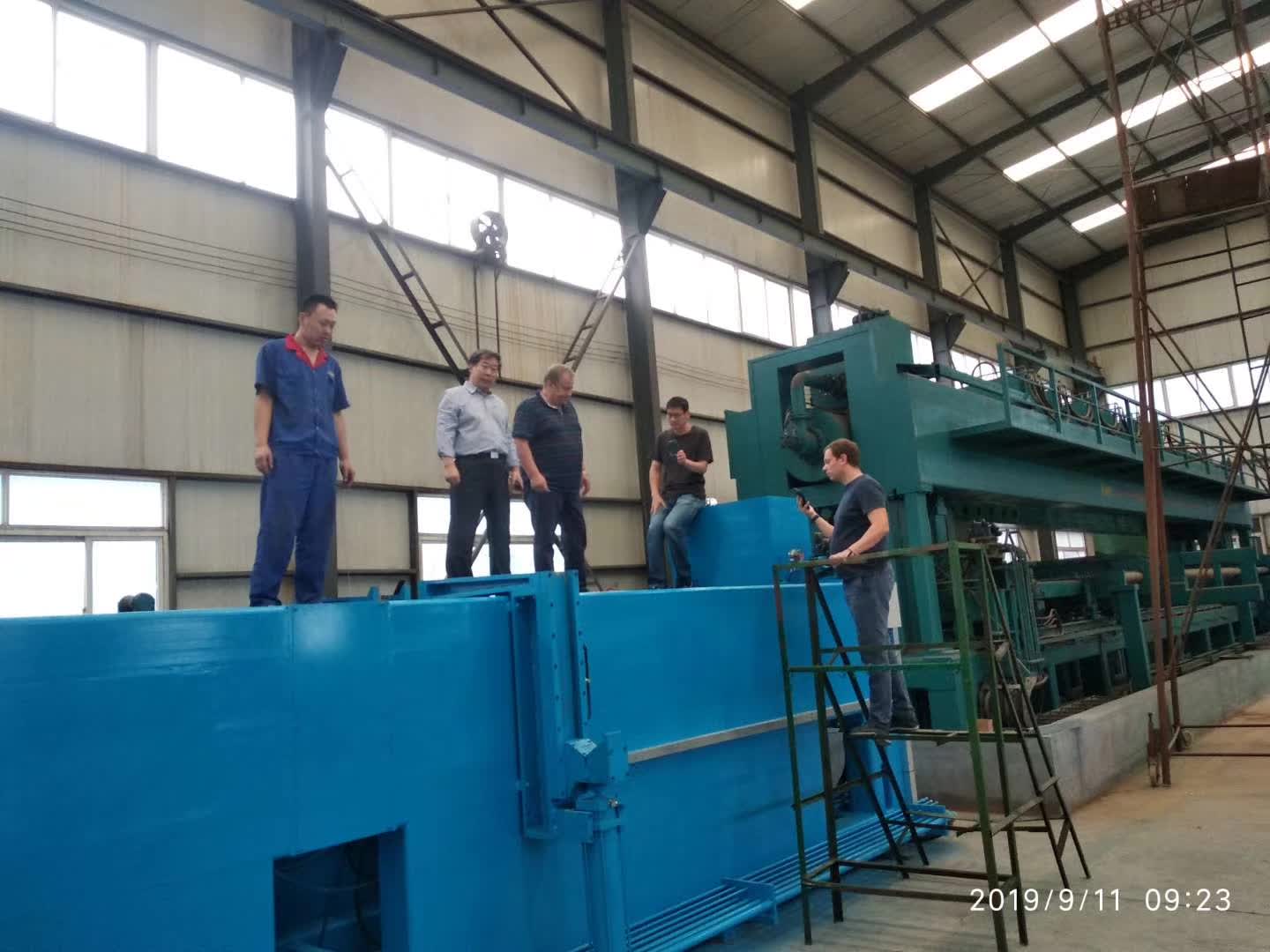
During a commissioning project at a North American pipe facility, new operators were experiencing frequent “leak failures” during the first week of production.
At first, the machine was suspected.
After inspection, engineers discovered the real issue: incomplete venting combined with uneven pipe loading. Once operators were trained to standardize the setup sequence, failure rates dropped significantly within two days.
The Pipe Hydrotest Machine itself was not changed—only the operation discipline was improved.
Best practices for first-time users
Experienced engineers usually follow a simple mindset:
- Don’t rush pressure cycles
- Treat sealing as critical, not secondary
- Always confirm venting before pressurization
- Watch patterns, not just single results
- Record abnormal behavior for process improvement
A Pipe Hydrotest Machine becomes more efficient when operators treat it as a diagnostic tool, not just a pass/fail station.
For first-time users, operating a Pipe Hydrotest Machine is less about complexity and more about discipline.Most production issues are not caused by the machine itself, but by inconsistent setup, sealing, and venting procedures.
Once the workflow becomes standardized, the system delivers exactly what it is designed for: reliable, repeatable, and traceable pipe quality verification.In modern pipe manufacturing, that consistency is what separates average production from export-grade performance.