








In steel pipe manufacturing, hydrostatic testing is often the final quality checkpoint before products are released to customers. A pipe may look perfect after forming, welding, sizing, and visual inspection, but the real test comes when pressure is applied.The challenge is that many hydro testing failures are not caused by the pipe itself. They are caused by operational mistakes, improper setup, or inconsistent testing procedures.
This article looks at the most common errors made when operating a hydro testing machine for pipe, why they happen, and how experienced manufacturers avoid them.
Why Hydro Testing Errors Matter
When a hydro testing machine for pipe is not operated correctly, the consequences go beyond a failed test.
Potential impacts include:
- False rejection of good pipes
- Undetected leakage issues
- Production delays
- Increased labor costs
- Customer complaints after shipment
- Reduced confidence in quality records
For U.S. pipe manufacturers serving infrastructure, construction, and energy projects, reliable testing is not optional—it is part of maintaining credibility with customers.
Mistake #1: Incomplete Air Removal Before Pressurization
One of the most common mistakes is rushing the filling process.
Many operators focus on reaching test pressure quickly but forget that trapped air inside the pipe can dramatically affect test results.
When air remains inside the pipe:
- Pressure readings become unstable
- Pressure curves fluctuate
- False failures may occur
- Retesting becomes necessary
|
Problem |
Typical Result |
|
Air trapped inside pipe |
Unstable pressure readings |
|
Incomplete venting |
Inconsistent test results |
|
Fast filling process |
Higher retest rates |
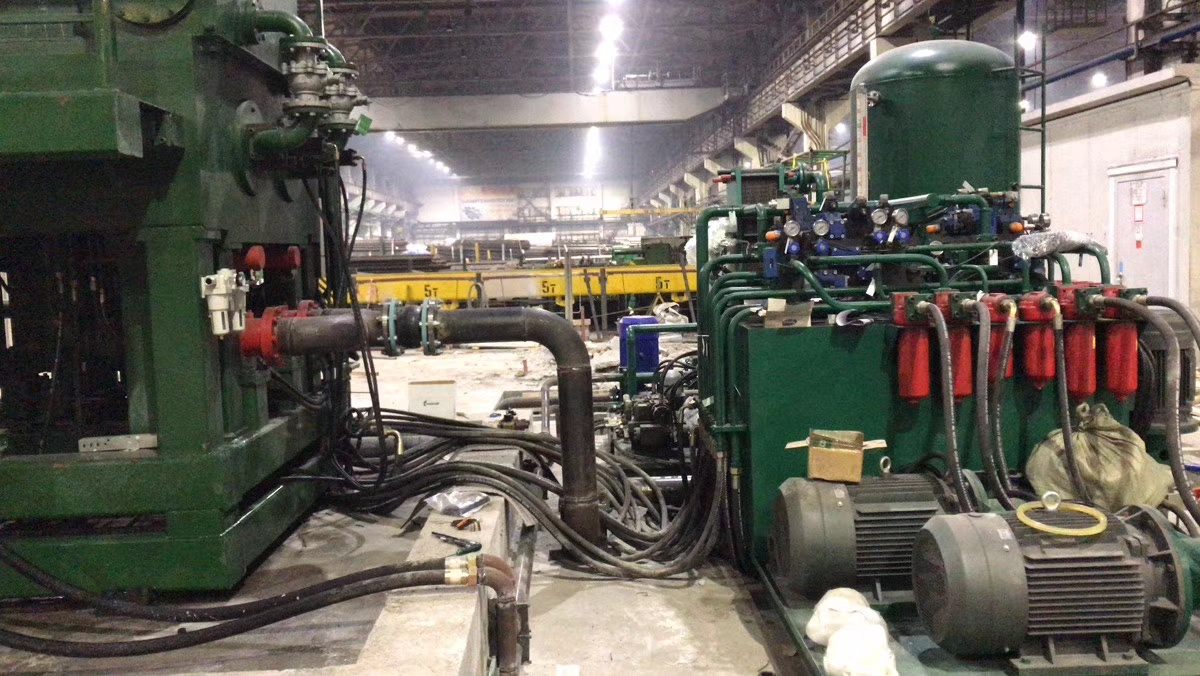
Experienced operators understand that a hydro testing machine for pipe is only as accurate as the filling and venting process that comes before the test.
Mistake #2: Ignoring Seal Wear
Seals are among the hardest-working components on any hydro testing machine for pipe.
Over time, sealing rings naturally wear down. Small amounts of wear may not be obvious during visual inspection but can create significant leakage problems during testing.
Common warning signs include:
- Increased water leakage
- Longer setup times
- Inconsistent test performance
- More frequent retests
One maintenance manager at a steel pipe mill described seal replacement as "cheap insurance." Replacing worn seals on schedule is far less expensive than losing production hours to troubleshooting.
Mistake #3: Applying Excessive Sealing Force
Many new operators assume tighter is better.
In reality, excessive sealing force can create new problems:
- Pipe end deformation
- Seal damage
- Increased maintenance costs
- Unstable sealing performance
A properly adjusted hydro testing machine for pipe should achieve reliable sealing through correct alignment and pressure balance—not brute force.
This is especially important when testing thinner-wall pipes or stainless steel products.
Mistake #4: Using the Same Settings for Every Pipe
Not all steel pipes behave the same way.
Different products may require different:
- Pressure ramp rates
- Hold times
- Clamping forces
- Testing procedures
Yet many factories leave the hydro testing machine for pipe configured exactly the same for every production run.
|
Pipe Type |
Testing Requirement |
|
Structural Pipe |
Standard pressure hold |
|
API Line Pipe |
Strict documentation and traceability |
|
Thin-Wall Pipe |
Careful pressure control |
|
Heavy-Wall Pipe |
Extended stabilization time |
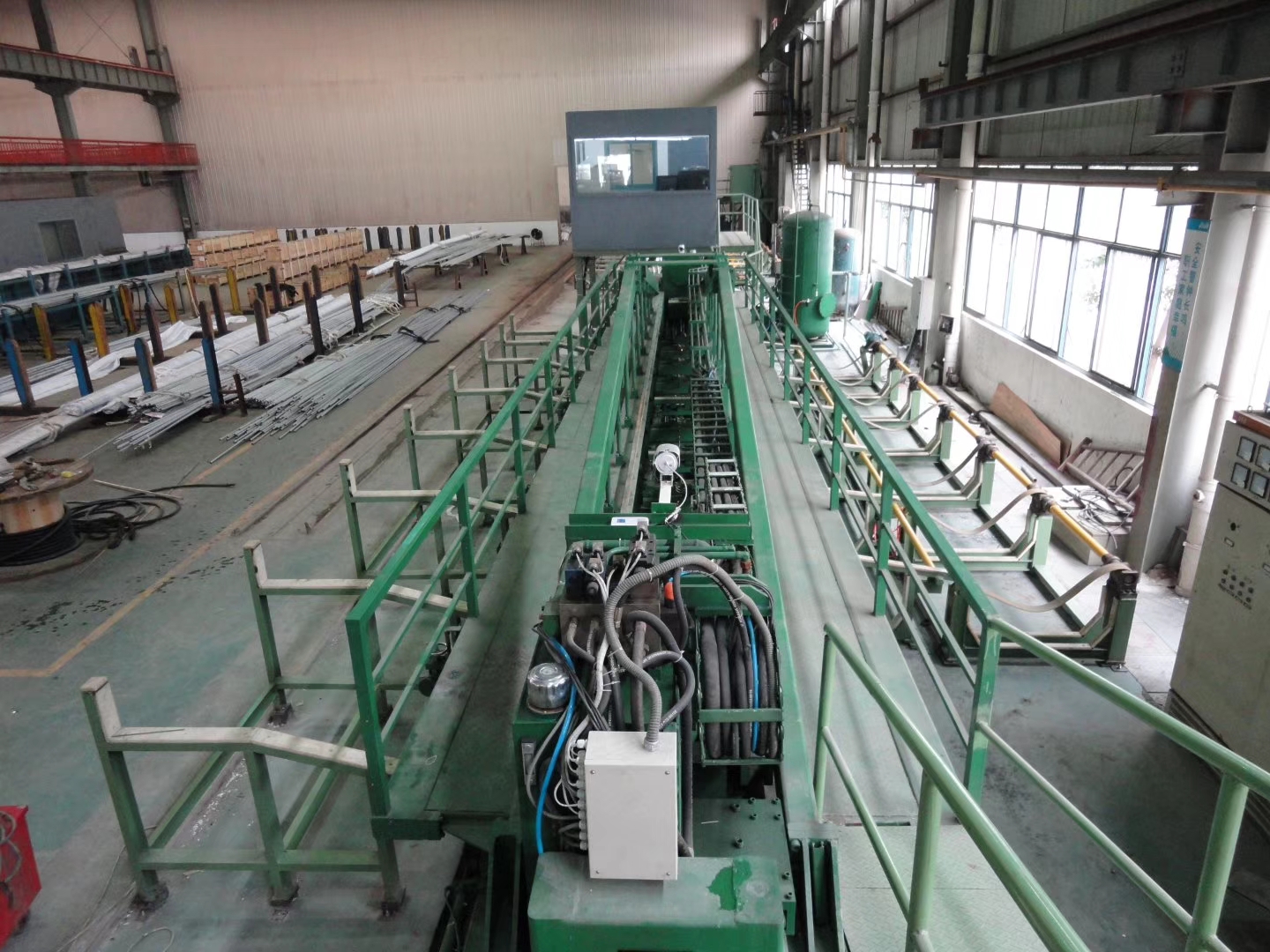
Successful manufacturers adjust testing parameters to match product requirements rather than relying on a single setup.
Mistake #5: Focusing Only on Pass/Fail Results
One of the biggest missed opportunities in hydro testing is ignoring the data.
A modern hydro testing machine for pipe provides valuable information about production quality trends.
For example:
- Repeated failures at one pipe size
- Consistent leakage near pipe ends
- Pressure fluctuations in specific batches
These patterns often reveal upstream production issues before they become larger problems.
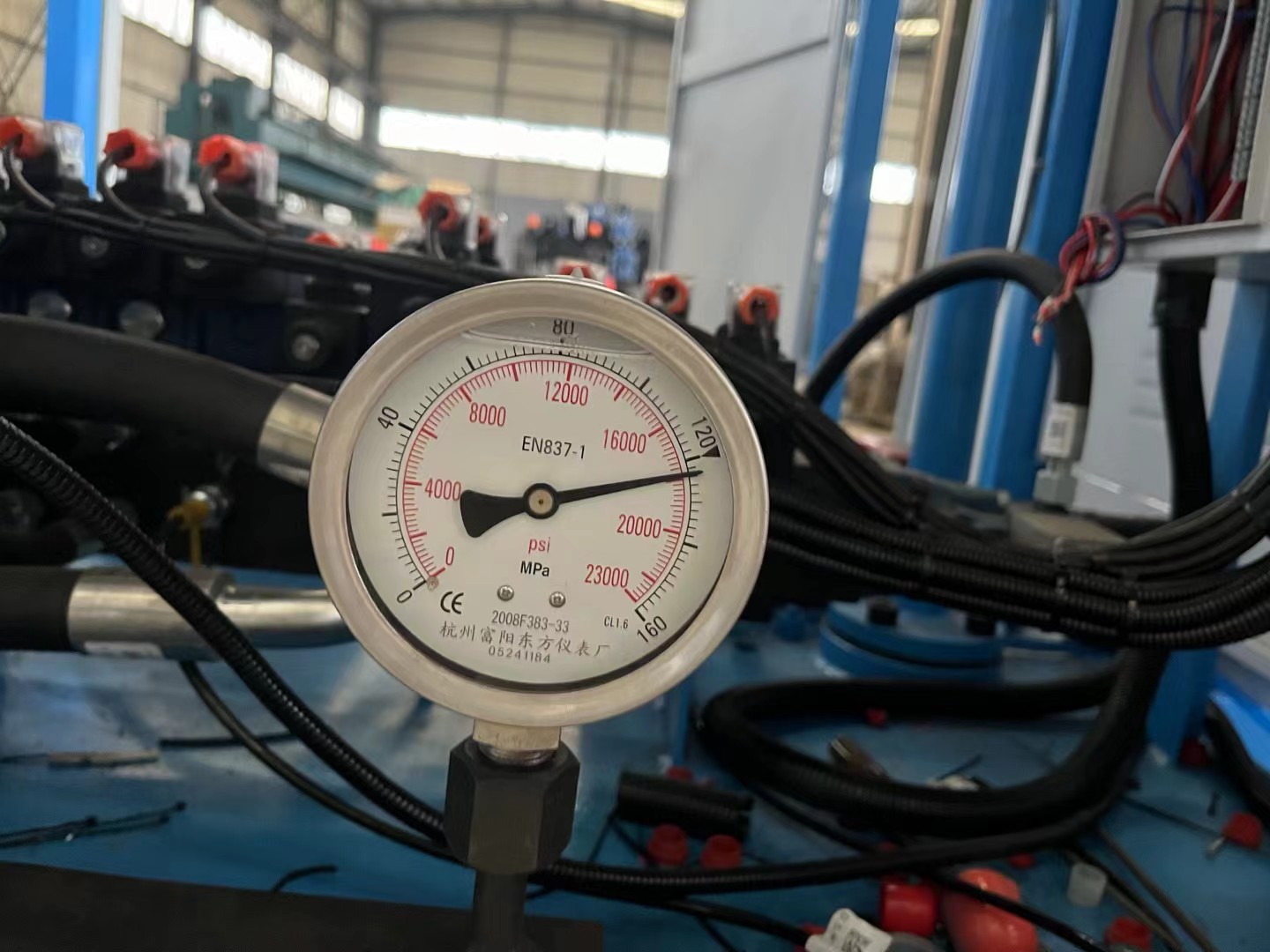
The best engineering teams treat hydro testing as a diagnostic tool, not just an inspection station.
A Real Production Example
Several years ago, a steel pipe manufacturer experienced an increase in hydro test failures on a particular production line.
Initial investigations focused on the hydro testing machine for pipe itself.
However, after reviewing test records, engineers noticed that nearly all failures occurred on pipes produced during one specific shift.
The root cause turned out to be a welding parameter change made earlier in the process.
Without hydro testing data, identifying the issue would have taken much longer.
The lesson was simple: test results tell a story if you know how to read them.
How Leading Pipe Mills Reduce Testing Errors
Top-performing facilities generally follow a few consistent practices:
Standardized Operator Training
Every operator follows the same testing sequence.
Scheduled Seal Inspections
Preventive maintenance replaces components before failures occur.
Regular Calibration
Pressure sensors and measurement systems remain accurate.
Product-Specific Test Settings
Parameters are adjusted according to pipe specifications.
Test Data Analysis
Quality teams review trends instead of focusing only on individual failures.
These practices help maximize the value of the hydro testing machine for pipe while reducing unnecessary downtime.
What Buyers Should Ask Suppliers
If you're purchasing a new hydro testing machine for pipe, don't focus only on pressure ratings and machine dimensions.
Ask questions such as:
- How easy is seal replacement?
- What data recording options are available?
- How quickly can spare parts be supplied?
- What operator training is included?
- How flexible are testing parameters?
The answers often have a greater impact on long-term productivity than the machine's headline specifications.
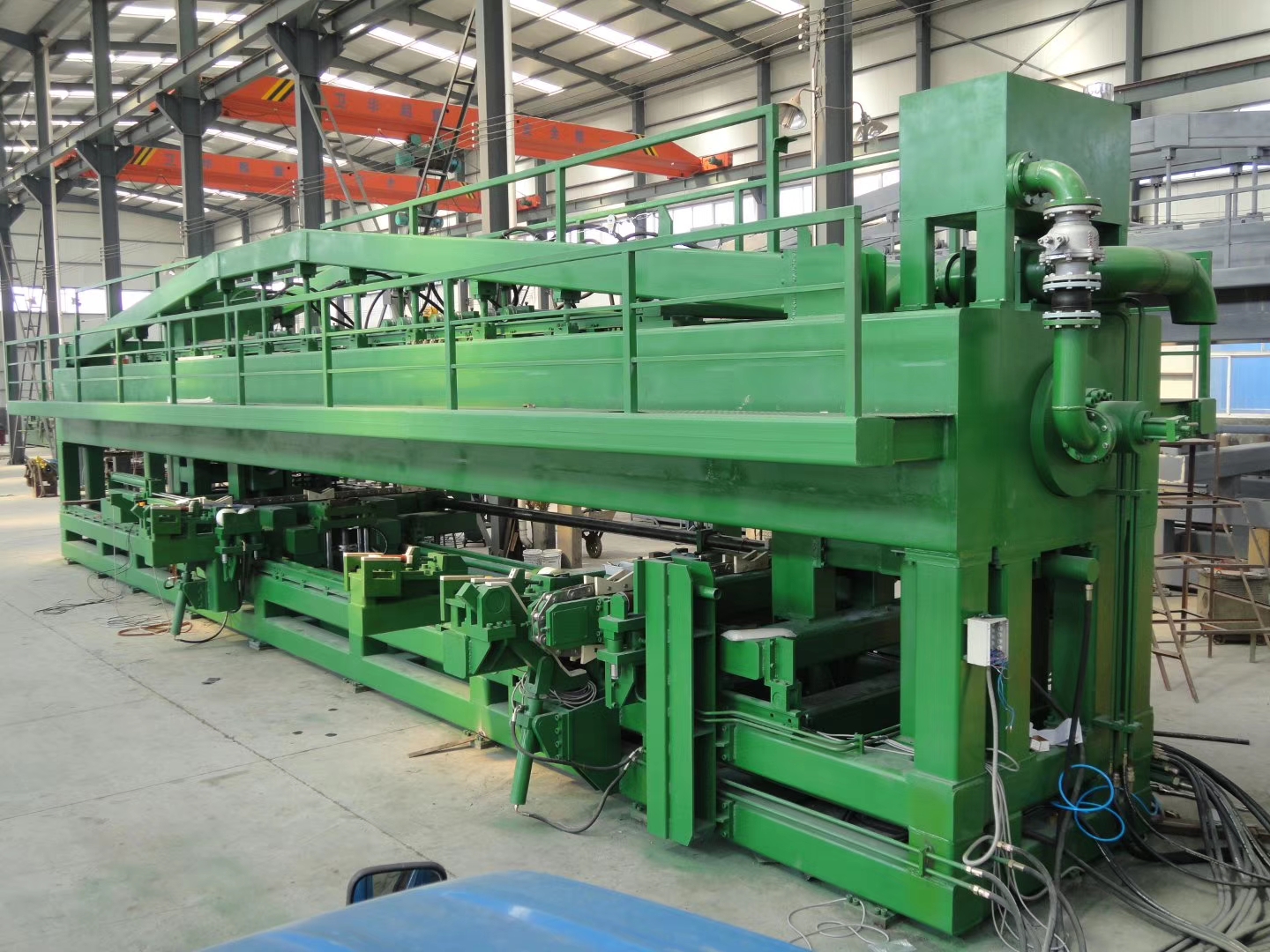
Most hydro testing issues are not caused by equipment failure but by small operational mistakes that build up over time. By properly maintaining and operating a hydro testing machine for pipe, manufacturers can improve testing accuracy, reduce unnecessary retesting, identify production problems earlier, and ensure higher product quality before shipment. For today's steel pipe manufacturers, consistent procedures, regular maintenance, and attention to detail are often the key factors that separate an efficient, reliable testing operation from one that struggles with downtime, quality risks, and customer complaints.