








Most manufacturers only think about replacing a hydro testing machine for pipe when it stops working.
In reality, the biggest costs usually appear long before a complete breakdown.
A machine that still passes pressure tests can quietly become less efficient. Testing cycles get longer, operators spend more time making adjustments, maintenance becomes more frequent, and energy consumption gradually increases. None of these issues seem serious on their own, but together they can add thousands of dollars to annual operating costs.
Because these changes happen gradually, they're easy to overlook. Many factories simply accept them as part of normal production.
The good news is that these warning signs are usually visible well before they affect delivery schedules or product quality. Recognizing them early gives manufacturers the opportunity to reduce operating costs, improve testing efficiency, and avoid unexpected downtime.
Here are seven signs that your pipe hydro testing machine may be costing your business more than you realize.
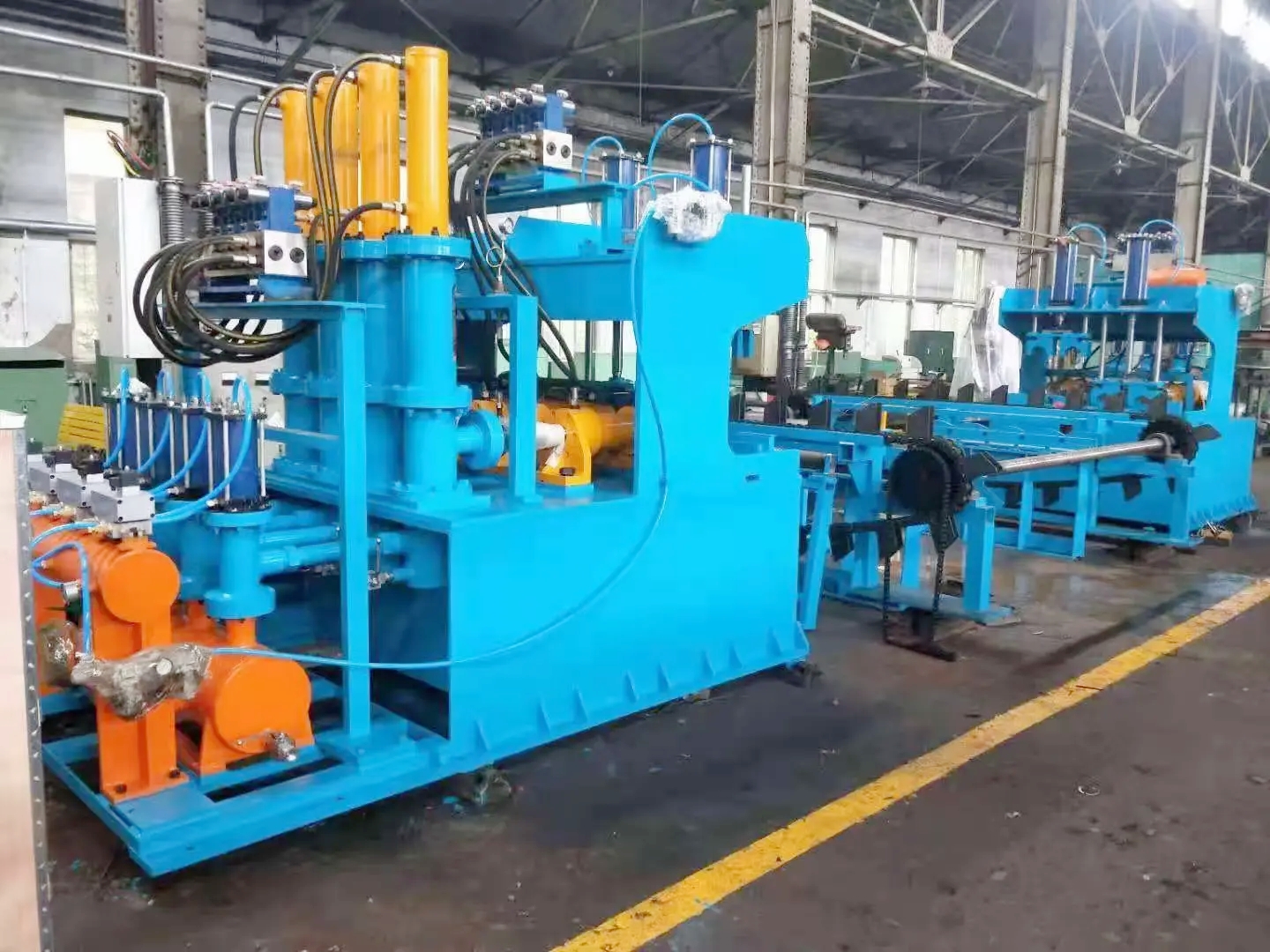
Sign #1 — Testing Cycles Keep Getting Longer
A small increase in testing time doesn't seem like a problem at first.
Perhaps each pipe takes an extra 10 or 15 seconds to complete the pressure test. Operators may not even notice the difference during a busy shift.
However, when hundreds of pipes are tested every day, those extra seconds quickly become lost production hours.
Longer testing cycles are often caused by worn sealing components, slower hydraulic response, aging pumps, or valves that no longer react as quickly as they once did. In some cases, outdated control systems also add unnecessary waiting time between testing steps.
Instead of focusing only on whether the machine passes the pressure test, monitor how long each cycle actually takes.
If testing speed continues to decline while production requirements stay the same, your hydro testing machine for pipe may already be increasing manufacturing costs without showing any obvious signs of failure.
Sign #2 — Maintenance Is Becoming More Frequent
Every hydro testing machine requires routine maintenance.
The difference is whether maintenance follows a predictable schedule—or becomes an unexpected interruption.
If technicians are replacing seals more often than before, troubleshooting hydraulic leaks every few weeks, or repeatedly adjusting the same components, the problem may be larger than normal wear.
Frequent maintenance affects more than repair costs.
Each service interruption reduces production time, increases labor expenses, and can delay customer deliveries if the machine is unavailable when it's needed most.
Rather than asking, "How much does this repair cost?", consider a more important question:
"Why is the same problem happening again?"
Identifying the root cause early is often far less expensive than continuing to repair the same issue over and over again.
Quick Comparison: Healthy Machine vs. Costly Machine
|
Performance Indicator |
Healthy Machine |
Machine Increasing Costs |
|
Testing cycle time |
Stable and consistent |
Gradually becomes longer |
|
Maintenance schedule |
Planned preventive maintenance |
Frequent unplanned repairs |
|
Hydraulic system |
Stable pressure output |
Pressure fluctuations or leaks |
|
Operator adjustments |
Minimal |
Increasing manual intervention |
|
Daily production |
Consistently meets targets |
Output slowly declines |
Sign #3 — Operators Keep Making Manual Adjustments
A reliable pipe pressure testing machine should produce consistent results without constant operator intervention.
If experienced operators regularly adjust pressure settings, reposition seals, reset alarms, or repeat test cycles, the issue may not be operator error—it may indicate that the equipment is no longer performing consistently.
This situation often develops slowly.
At first, operators compensate for small performance changes without reporting them. Over time, these repeated adjustments become part of the daily routine, masking underlying mechanical or hydraulic problems.
Manual intervention also creates another challenge: inconsistent testing.
When different operators make different adjustments, test results can become less repeatable, making quality control more difficult and increasing the risk of unnecessary retesting or rejected products.
A well-maintained pipe testing equipment should support the operator—not rely on the operator to compensate for declining machine performance.
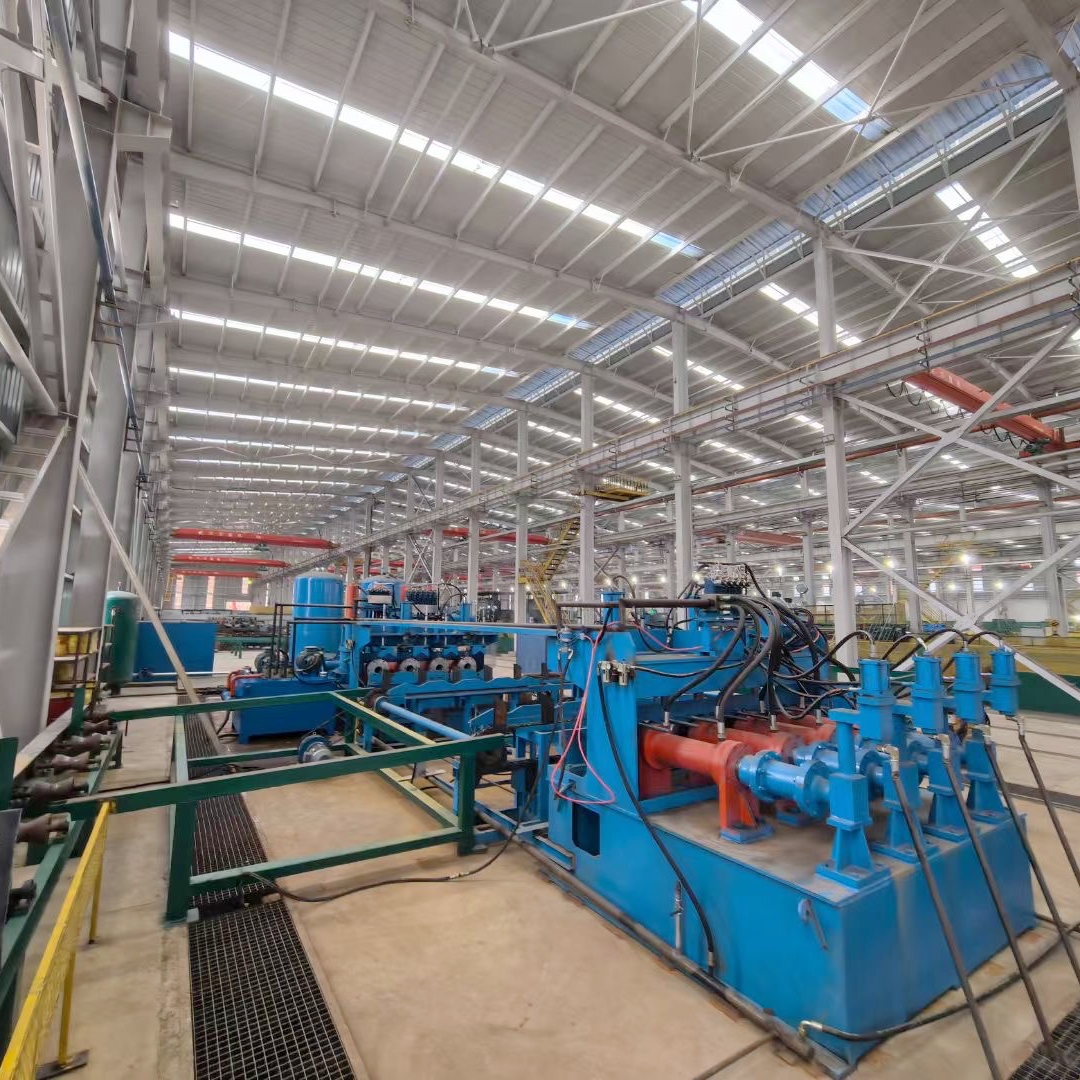
Sign #4 — Your Utility Bills Keep Rising Even Though Production Hasn't Changed
Here's something many factories never compare.
Last year's utility bill.
This year's utility bill.
If production volume is almost the same but electricity or water costs continue climbing, your hydro testing machine for pipe may be using more resources than it should.
The machine doesn't have to fail to become less efficient.
Hydraulic pumps lose efficiency.
Seals wear down.
Pressure systems work harder to achieve the same result.
None of these problems stop production overnight.
They simply make every pressure test a little more expensive.
Sign #5 — Pressure Readings Aren't as Consistent as They Used to Be
Operators often notice this before maintenance teams do.
One pipe passes.
The next identical pipe requires another test.
Then another.
When pressure readings begin drifting, many people immediately suspect the sensor.
Sometimes they're right.
Just as often, the real cause is worn seals, unstable hydraulic pressure, or valves that no longer respond as quickly as they once did.
The result isn't only more retesting.
It's lost production time.
Sign #6 — Unexpected Stops Are Becoming Part of the Shift
Ask your production supervisor a simple question.
"How many times did the testing line stop last week?"
If nobody knows the answer, that's already a warning sign.
Small interruptions rarely make the maintenance report.
But they reduce output every single day.
One alarm.
One reset.
Another hydraulic adjustment.
Individually they seem insignificant.
Together they can cost far more than one major repair.
Sign #7 — Your Factory Has Changed, but the Machine Hasn't
Five years ago, your current machine may have been exactly what you needed.
Today your customers may expect faster deliveries.
Higher testing pressures.
Larger pipe diameters.
More production.
The equipment hasn't changed.
Your business has.
Sometimes replacing an aging pipe hydro testing machine isn't about fixing a problem.
It's about removing a production bottleneck before it limits future growth.
What Do These Warning Signs Really Mean?
No machine stays in peak condition forever.The question isn't whether your equipment will eventually require attention.The question is whether you'll recognize the warning signs early enough to avoid unnecessary production costs.That's why experienced manufacturers monitor machine performance—not just machine failures.