








If you've never worked inside a pipe mill, it's easy to assume a hydro testing machine for pipe does one simple job—it fills a pipe with water, applies pressure, and tells you whether the pipe passes or fails.
That's technically true.
But after spending time on a production floor, you realize the machine is doing far more than a pressure test.
In many factories, the hydro test station is where small manufacturing problems show themselves for the first time. A weld that looked perfect upstream. A pipe end that's slightly out of tolerance. A sealing issue that only appears under pressure.
The machine isn't creating those problems.It's exposing them.
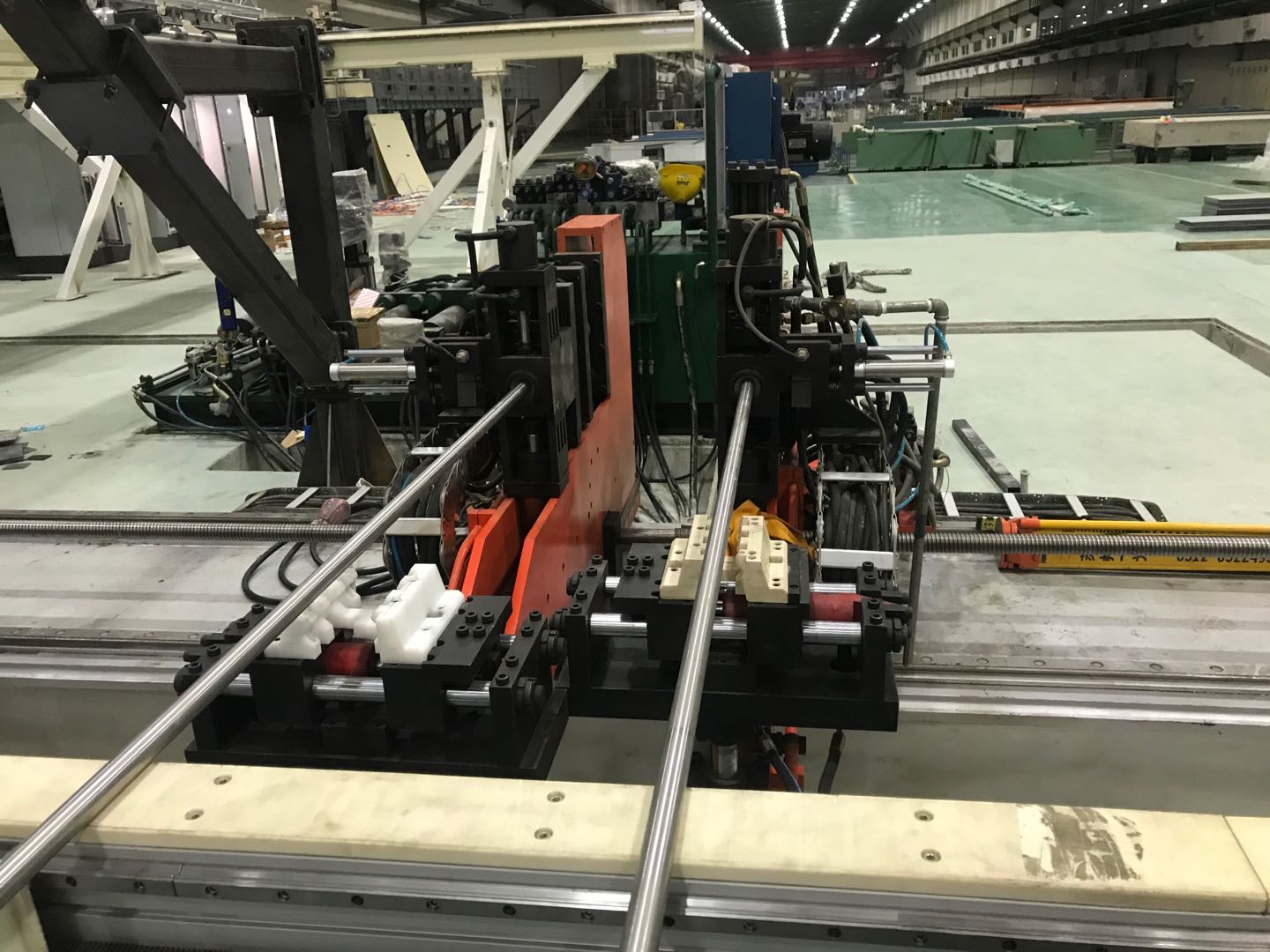
It's the last checkpoint before your customer sees the pipe
By the time a pipe reaches the hydro test station, most of the manufacturing work is already finished.
Forming is complete.
Welding is complete.
Sizing is complete.
If something has gone wrong earlier in the process, this is often the first place engineers can confirm it.
That's why a hydro testing machine for pipe is considered more than a quality-control device. It's one of the most valuable diagnostic tools on the production line.
Pressure is only part of the story
Many first-time buyers focus on one specification:
Maximum test pressure.
Experienced engineers usually ask different questions.
- Does pressure build smoothly?
- Does it remain stable during the holding period?
- Are results repeatable from one shift to the next?
- Can the system record every test automatically?
Those answers often matter more than the pressure rating itself.
A good hydro testing machine for pipe produces consistent data—not just high pressure.
A real example from production
One steel pipe manufacturer contacted us after seeing random pressure loss during hydro testing.
Their first assumption was that the testing machine had developed a fault.
After reviewing several production batches, the maintenance team noticed something unusual.
Every failed test came from the same pipe specification.
The problem wasn't the machine.
It was inconsistent pipe-end preparation before testing.
Once that process was corrected, the pressure-loss issue disappeared without replacing a single component.
That's something experienced production engineers see all the time.
A hydro testing machine for pipe often tells you more about the production process than about the machine itself.
What the machine is really checking
During every test cycle, the system is quietly evaluating several things at once.
|
During the Test |
What It Reveals |
|
Pressure build-up |
Filling efficiency and system response |
|
Pressure holding |
Seal quality and pipe integrity |
|
Pressure stability |
Possible leaks or trapped air |
|
Test data |
Production consistency and traceability |
Notice that only one of those items is directly related to pressure.
The rest help manufacturers understand how stable the entire production process really is.
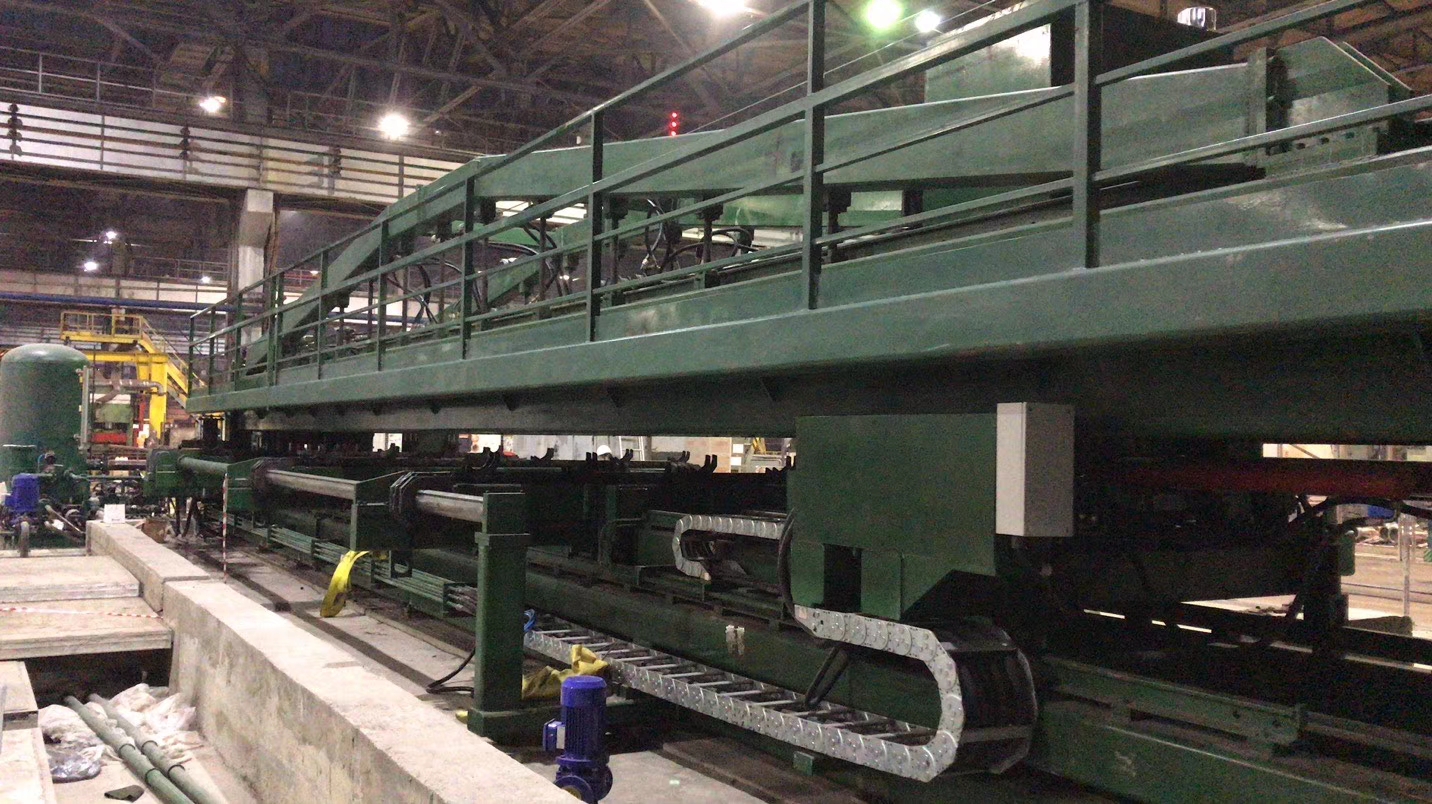
Why modern pipe mills rely on digital testing
Years ago, operators mainly watched pressure gauges.
Today, most automated hydro testing machine for pipe systems store every testing cycle electronically.
That gives manufacturers something they didn't have before:
Traceability.
If a customer raises a quality question months later, engineers can review the original pressure curve instead of relying on handwritten records.
For companies supplying oil & gas, construction, or infrastructure projects, that level of documentation has become just as important as the pressure test itself.
What buyers should really ask before purchasing
When evaluating a hydro testing machine for pipe, don't stop at technical specifications.
Instead, ask questions like:
- How stable is the sealing system after thousands of cycles?
- How quickly can pipe sizes be changed?
- Can the machine export complete testing records?
- What happens if pressure drops unexpectedly?
- How much routine maintenance does the system require?
Those are the questions that affect daily production—not just the machine brochure.
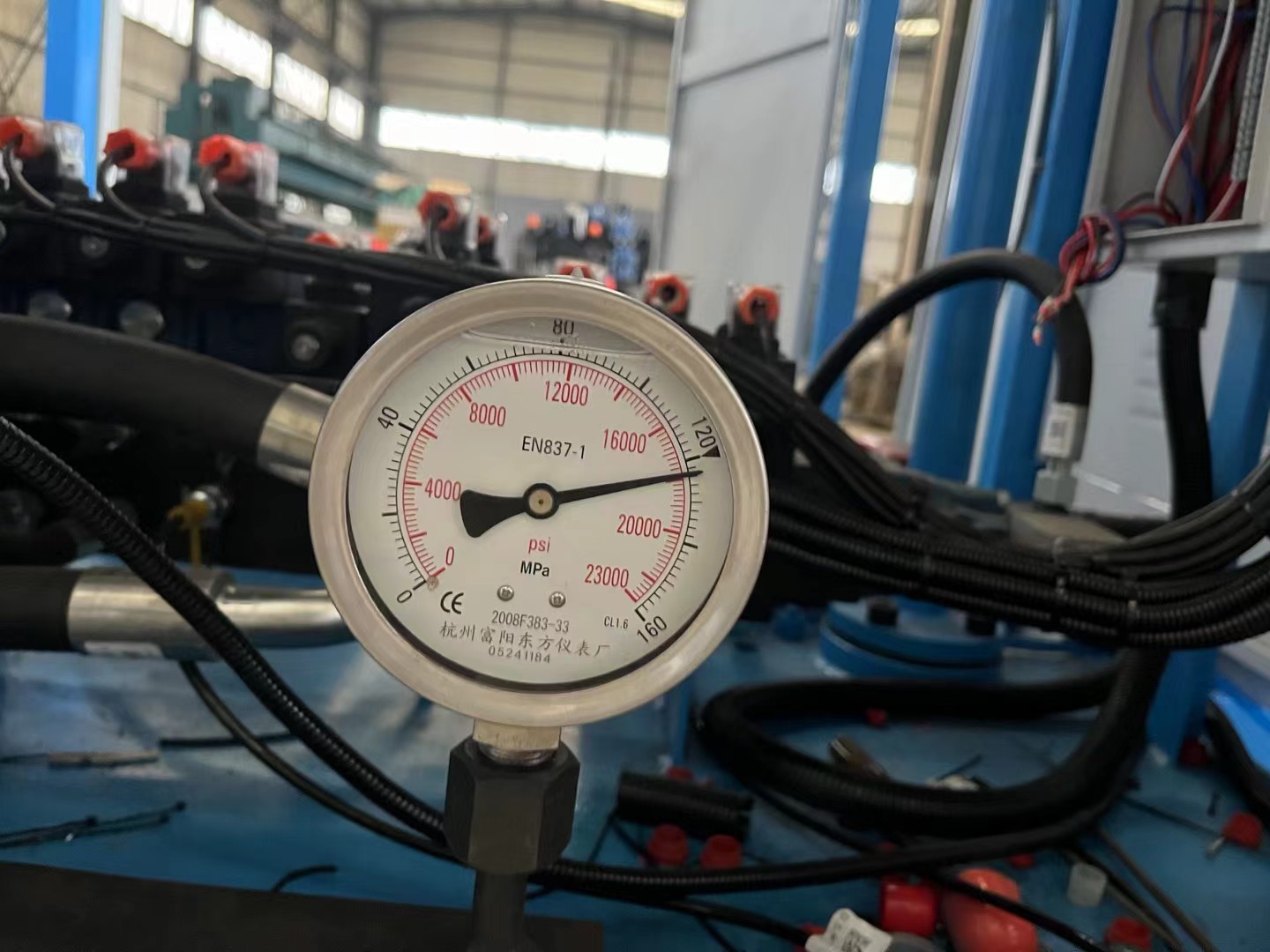
A hydro testing machine for pipe doesn't simply decide whether a pipe passes or fails.
It gives manufacturers confidence that the production process is under control.
It verifies pressure performance, exposes hidden manufacturing issues, supports quality documentation, and helps prevent defective products from reaching customers.
That's why experienced engineers don't see hydro testing as the end of production.
They see it as one of the most valuable sources of information on the entire production line.