








Steel pipe hydrostatic testing requires more than pressure generation. A complete hydro testing machine for Pipe integrates pipe conveying, hydraulic sealing, water filling, PLC control, and automatic data recording into one coordinated operation. Throughout the testing cycle, pressure, holding time, and inspection status are monitored continuously to ensure stable performance and repeatable inspection results.
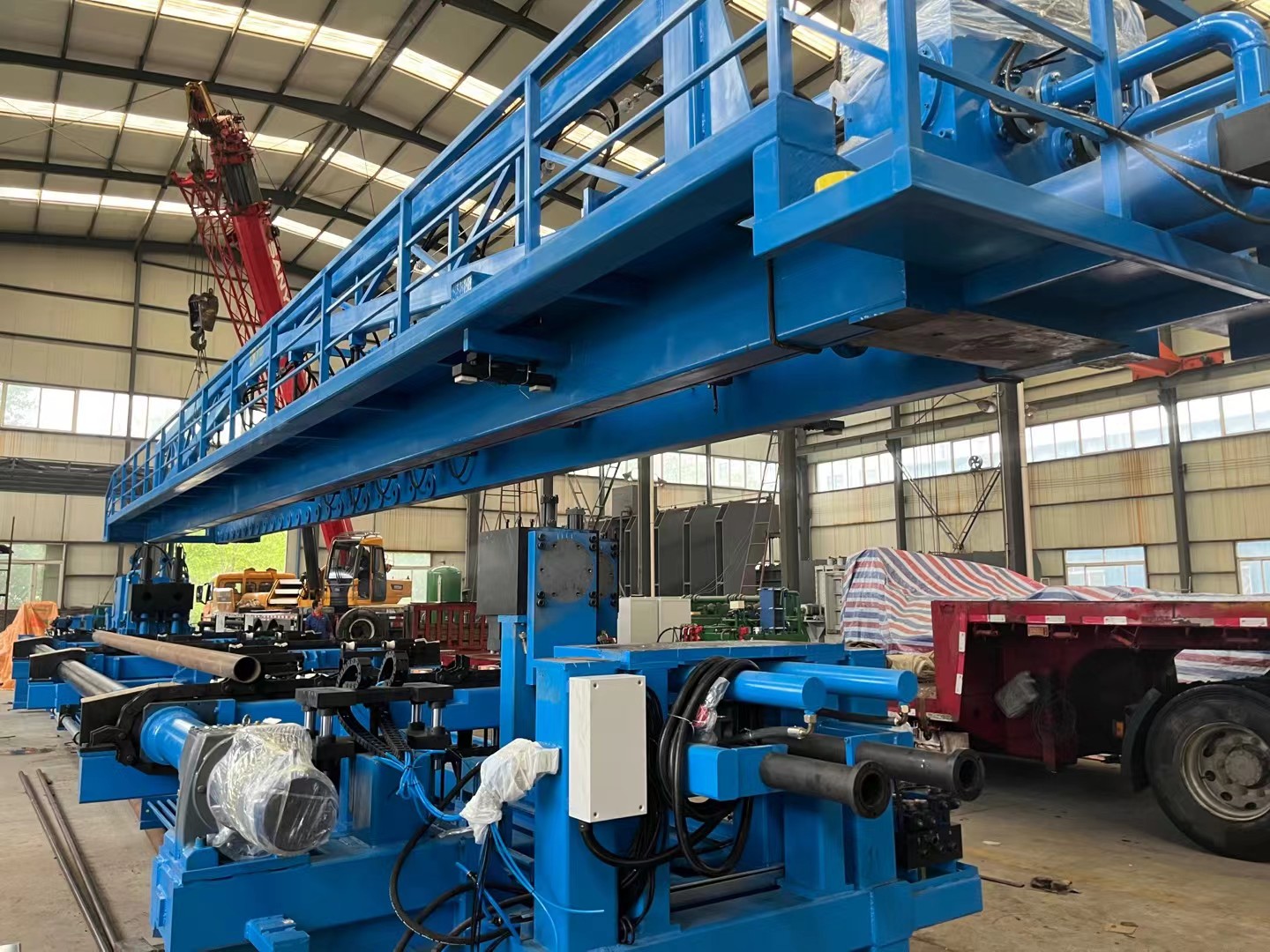
Typical Machine Configuration
|
Item |
Specification |
|
Pipe Diameter |
Ø21.3–Ø660 mm (Customizable) |
|
Pipe Length |
4–18 m |
|
Test Pressure |
Up to 70 MPa (Customizable) |
|
Pressure Medium |
Water |
|
Pressure Holding Time |
Programmable |
|
Pressure Accuracy |
±1% F.S. |
|
Production Mode |
Automatic |
|
Control System |
Siemens PLC |
|
Human-Machine Interface |
Industrial Touch Screen |
|
Test Data |
Automatic Recording & Storage |
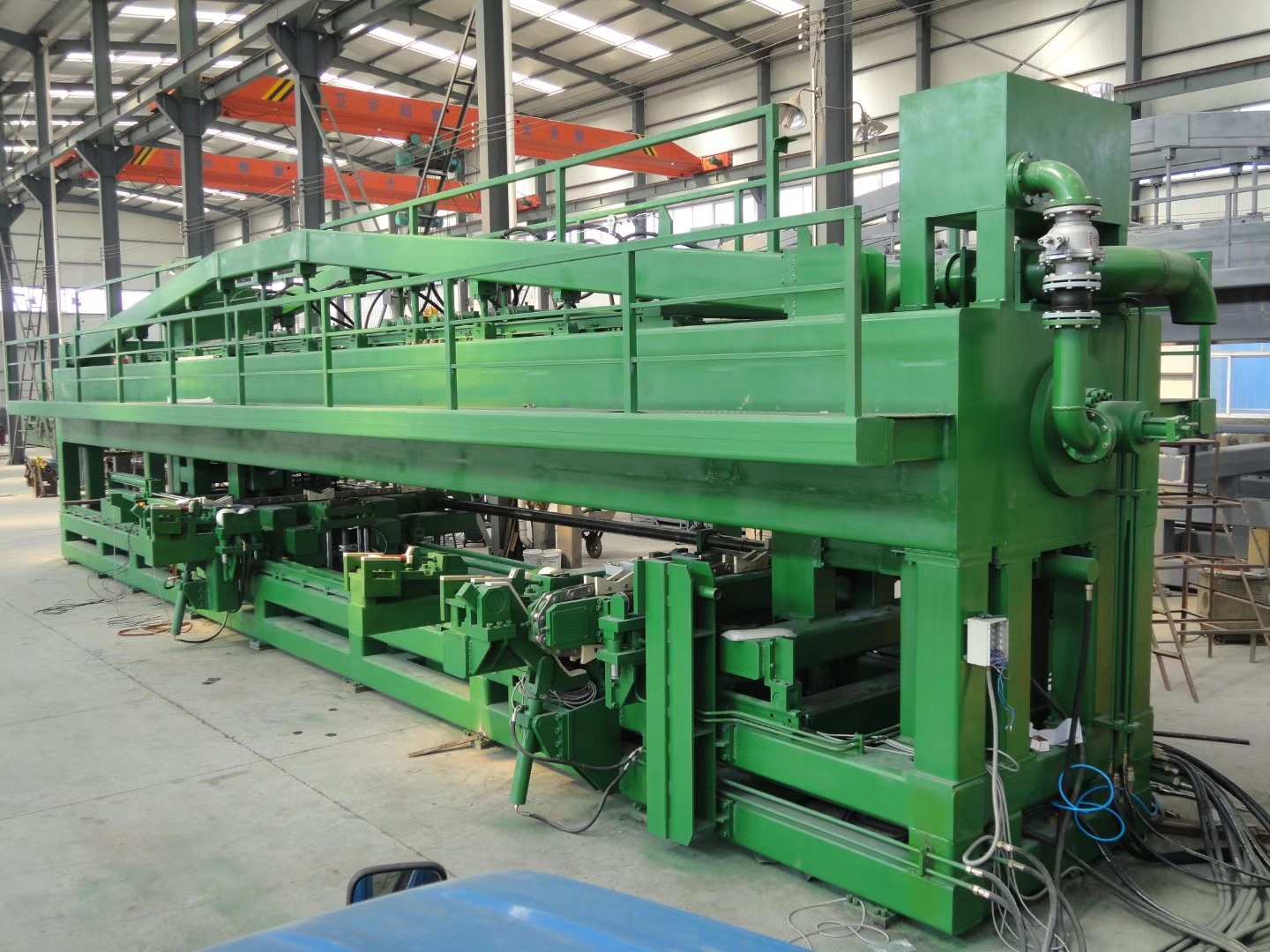
The testing sequence is completed automatically once the pipe enters the testing station. Every subsystem communicates with the PLC throughout the inspection cycle, allowing stable pressure control while reducing manual intervention.
Pipe Loading→Pipe Positioning→Hydraulic Sealing→Water Filling→Pressure Build-up→Pressure Holding→Pressure Release→Data Recording→Pipe Unloading
Each testing stage is completed automatically according to preset operating parameters. Pressure values, holding time, and equipment status are monitored continuously, while inspection results are stored automatically for production traceability.
Control Platform
|
System |
Function |
|
Pipe Conveying System |
Transfers and positions the pipe automatically |
|
Hydraulic Sealing System |
Maintains reliable sealing during testing |
|
Water Filling & Pressure Generation System |
Fills the pipe and builds testing pressure |
|
Siemens PLC |
Coordinates machine sequence |
|
Pressure Sensors |
Monitor water and hydraulic pressure |
|
HMI |
Parameter setting and real-time monitoring |
|
Data Management |
Stores pressure curves and inspection records |
The control platform combines machine operation with production data management. Test pressure, holding time, inspection status, and historical records are stored automatically, allowing operators to review production data whenever quality verification or maintenance is required.
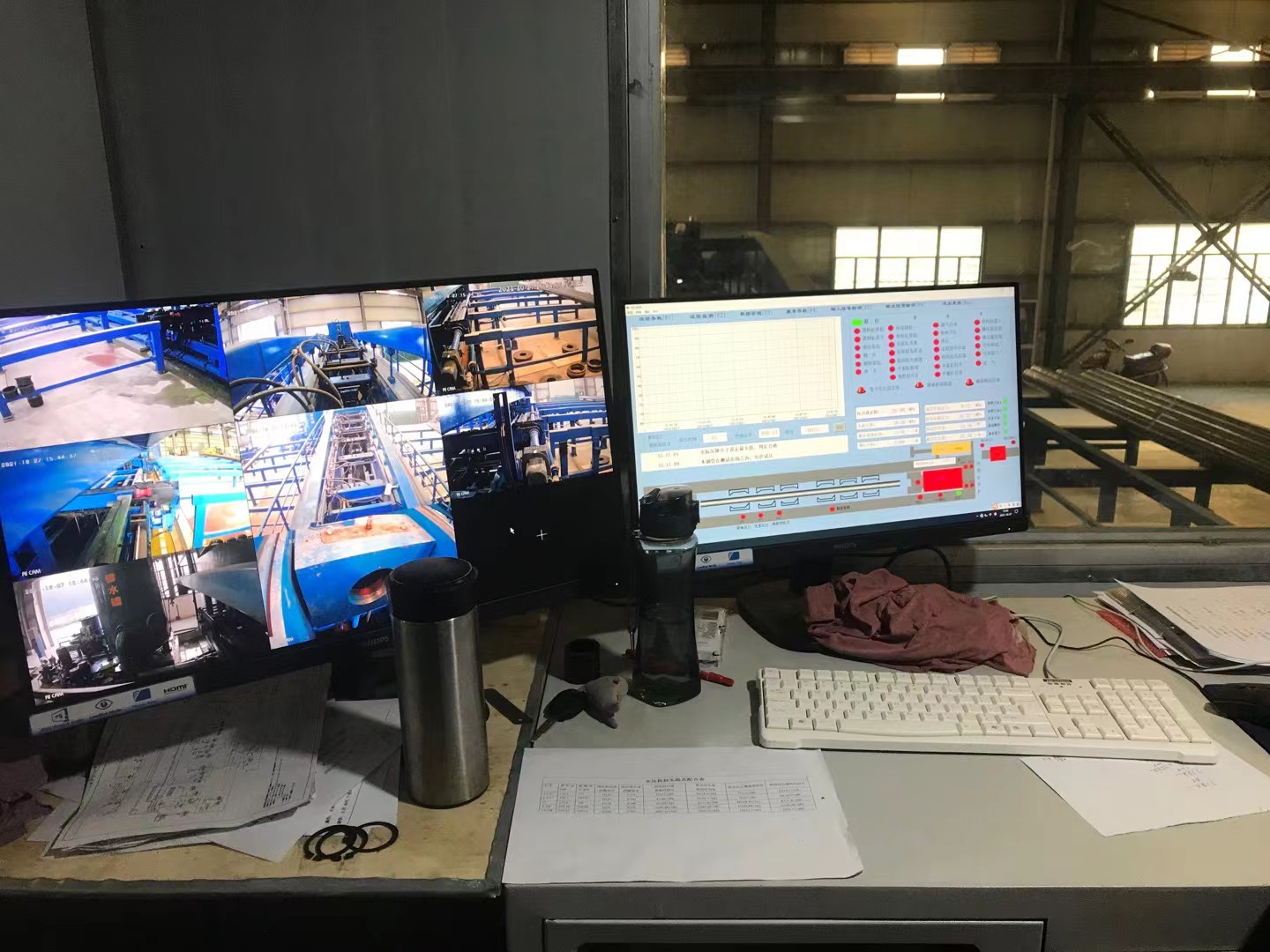
Modern hydrostatic testing is no longer evaluated only by maximum pressure capacity. Stable hydraulic control, accurate pressure monitoring, reliable sealing performance, and automatic data management have become equally important in supporting continuous steel pipe production.
Marley Machinery continues to optimize these engineering systems, helping manufacturers improve testing consistency while meeting the requirements of modern pipe production lines.