








If you're planning to invest in a pipe hydro testing machine, preparing a few key technical details before requesting a quotation will help suppliers recommend the right solution, reduce unnecessary back-and-forth communication, and make it much easier to compare quotations from different manufacturers.
The Information Every Supplier Needs Before Preparing a Quotation
The following details have the greatest influence on machine selection and quotation accuracy.
|
Technical Detail |
Why It Matters |
|
Pipe outside diameter |
Determines machine size and sealing system |
|
Pipe length |
Affects frame design and support rollers |
|
Required test pressure |
Determines the hydraulic system configuration |
|
Daily production capacity |
Helps choose the appropriate automation level |
|
Pipe material |
Influences sealing method and testing conditions |
|
Applicable standards |
Defines testing procedures and reporting requirements |
|
Factory layout |
Ensures the equipment fits your production line |
|
Future production plans |
Helps avoid capacity limitations after expansion |
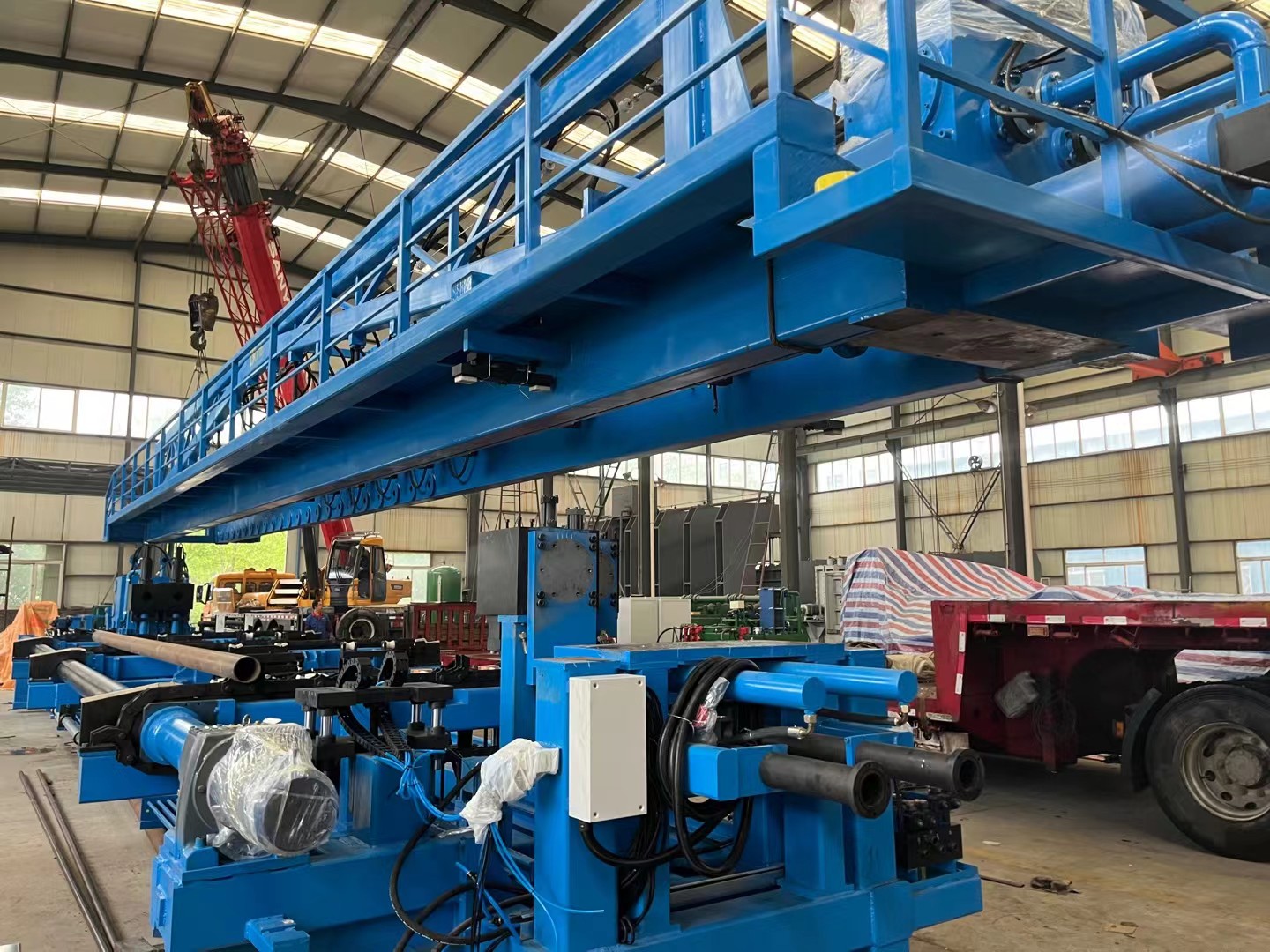
Three Technical Details That Have the Greatest Impact
While every item in the table is important, three specifications usually have the biggest influence on the machine's configuration and final quotation.
1. Pipe Diameter Defines the Entire Testing Range
The first question most engineers ask is:
"What's the minimum and maximum pipe diameter you produce?"
That's because the sealing system, clamping mechanism, and machine frame are all designed around the pipe size.
For example, equipment built for 25–114 mm tubes is very different from a machine designed for 406–914 mm transmission pipes. The difference isn't only the physical size—it also affects the hydraulic cylinders, sealing heads, loading method, and overall machine structure.
One common mistake is providing only the largest pipe size.
If most of your production consists of smaller pipes, that information should also be included. It helps suppliers recommend a configuration that balances efficiency, flexibility, and investment cost.
2. Test Pressure Influences More Than the Hydraulic Pump
Many buyers assume test pressure only affects the pump.
In reality, it influences almost every critical component of the machine.
Higher pressure may require stronger clamping systems, reinforced structural components, higher-rated sensors, upgraded valves, and additional safety protection. That's one reason why two machines with similar dimensions can have very different prices.
If you're unsure about the required test pressure, don't worry. Providing the pipe specification or testing standard is often enough for an experienced supplier to recommend the appropriate configuration.
3. Daily Production Determines the Right Level of Automation
A fully automatic machine isn't always the best investment.
The right solution depends on how many pipes need to be tested each shift.
For smaller production volumes, a semi-automatic machine often provides the best balance between efficiency and cost. For high-volume production lines, however, automatic loading, testing, and unloading can significantly reduce labor requirements and improve throughput.
Rather than asking, "Should I choose an automatic machine?", a better question is:
"Which level of automation matches my production capacity?"
That simple change in thinking often leads to a more practical—and more cost-effective—equipment recommendation.
The Details Buyers Often Overlook
After discussing pipe diameter, test pressure, and production capacity, many buyers believe they've provided everything a supplier needs.
In reality, some important details are often mentioned much later—sometimes after the quotation has already been prepared.
For example, a supplier may recommend a standard testing system, only to learn later that the customer requires API 5L compliance. In other cases, the available workshop space turns out to be too limited for the proposed equipment layout.
These situations don't necessarily increase the machine price, but they almost always lead to revised quotations, additional engineering work, and longer project lead times.
Before requesting a quotation, make sure the following information has also been considered.
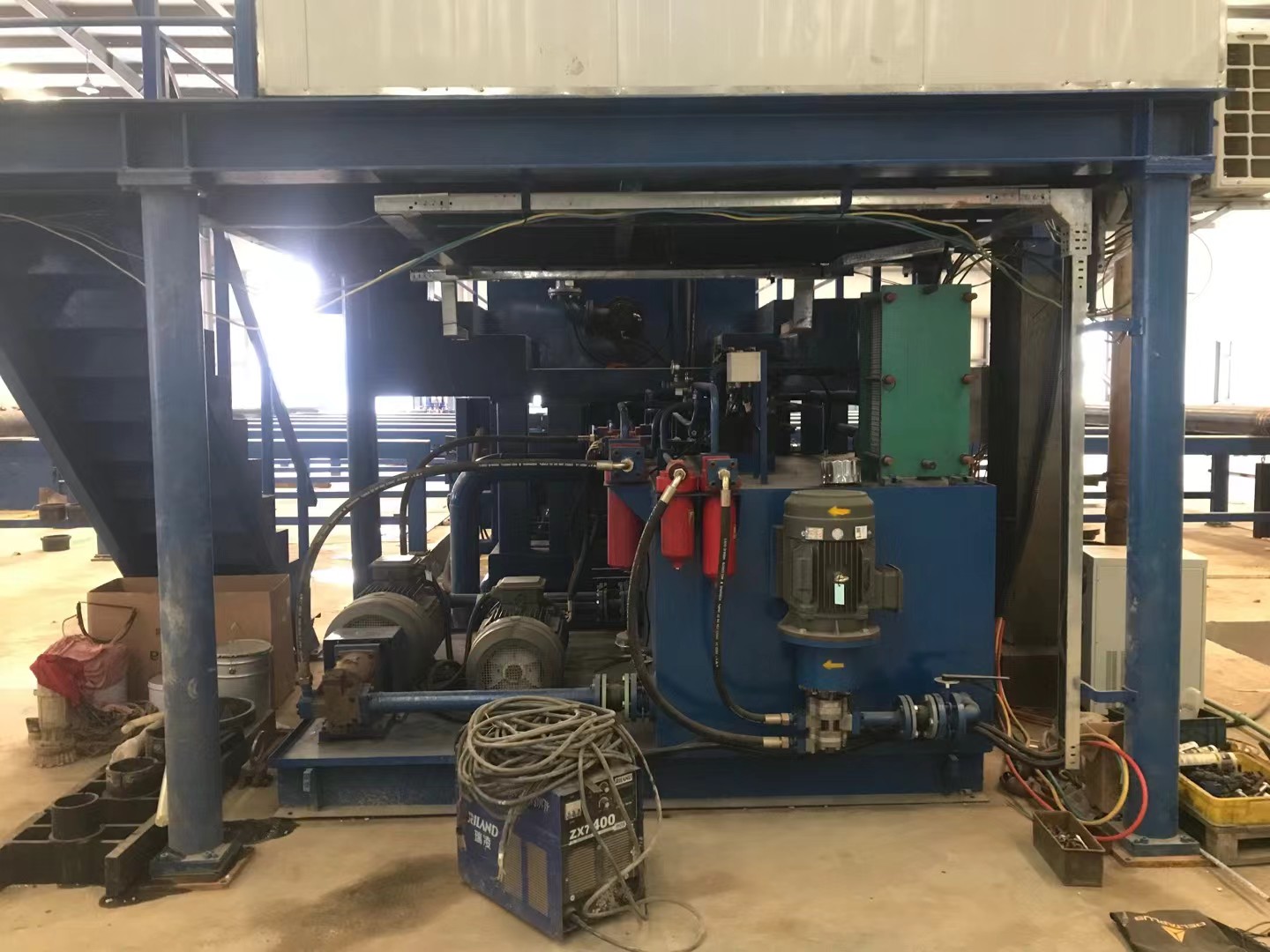
Information Buyers Often Forget
| Missing Information | Possible Impact on the Quotation |
|---|---|
| Pipe material | May require a different sealing solution or testing process. |
| Testing standard (API, ASTM, EN, etc.) | Can affect test pressure, holding time, and inspection reports. |
| Factory layout | May require changes to the machine dimensions or installation plan. |
| Automation requirements | Different automation levels can significantly change the quotation. |
| Future production expansion | Helps suppliers recommend equipment with room for future growth. |
A reliable quotation doesn't begin with a price—it begins with accurate technical information.
By preparing these eight details before requesting a quote for a pipe hydro testing machine, you'll save time, reduce unnecessary revisions, and make it much easier to compare solutions from different suppliers.
The goal isn't simply to purchase a testing machine. It's to choose a solution that fits your production line today while supporting your business as it grows in the future.