








Venus Pipes & Tubes, a steel pipe manufacturer in Gujarat, India, purchased a steel pipe hydro testing machine from Wuxi Marley Machinery on August 28, 2024.
The machine was configured specifically around the customer's pipe sizes, testing pressure, pipe lengths, sealing requirements, and automation needs. It is used for hydrostatic pressure testing of steel pipes at the customer's manufacturing facility.
This project is a good example of how we approach hydro testing equipment: we start with the customer's actual pipe and testing requirements and then determine the machine configuration.
Customer and Project Information
|
Item |
Details |
|
Customer |
Venus Pipes & Tubes |
|
Location |
Gujarat, India |
|
Order Date |
August 28, 2024 |
|
Equipment |
Steel Pipe Hydro Testing Machine |
|
Application |
Steel Pipe Hydrostatic Testing |
|
Automation |
Fully Automatic |
|
Sealing Method |
Sealing Ring |
Venus Pipes & Tubes operates in the steel pipe manufacturing industry, where hydrostatic testing is used to check the pressure-bearing integrity of finished pipe products.
For this project, the hydro testing machine was intended for routine testing of the customer's steel pipes as part of its manufacturing process.
Video of the Testing Machine
We also recorded a video during the equipment testing process.
The video shows the machine operating through the testing process, including automatic pipe loading, positioning, hydrostatic testing, and unloading.
The footage was originally recorded for customer confirmation and provides a direct view of the actual machine operation.
Pipe Range Required by the Customer
The customer's pipe range was one of the main factors in configuring the equipment.
The required diameter ranges were:
- 6–38 mm
- 38–114 mm
The machine also needed to accommodate pipe lengths from 3 m to 18 m.
This combination of diameter and length requirements affects more than the testing heads. Pipe positioning, support, sealing, handling, and the overall machine arrangement all need to work with the specified range.
We therefore did not configure the machine around only one representative pipe size.
Instead, we considered the complete range that the customer needed to test.
7 MPa Maximum Test Pressure
The required maximum test pressure for the machine is 7 MPa.
During hydrostatic testing, water is introduced into the pipe before the pressure is raised to the required test level. The pipe is then held at the specified pressure before the testing cycle is completed.
The main process can be understood as:
Loading → Positioning → Sealing → Water Filling → Pressurization → Pressure Holding → Pressure Release → Unloading
The hydraulic and control systems need to work together throughout this sequence.
For us, pressure capacity is therefore only one part of the machine design. The complete testing cycle also has to match the customer's production process.
Sealing Ring Sealing
For the Venus Pipes & Tubes project, the specified sealing method is sealing ring sealing.
The sealing system plays an important role in maintaining the test condition once the pipe is pressurized.
The suitable sealing arrangement depends on the pipe diameter, pipe-end condition, test pressure, and testing-head configuration.
Because the customer's pipe range covers 6–114 mm, the sealing arrangement had to be considered together with the different pipe sizes rather than treated as a separate standard component.
This is one of the reasons we configure the hydro testing machine according to the actual application.
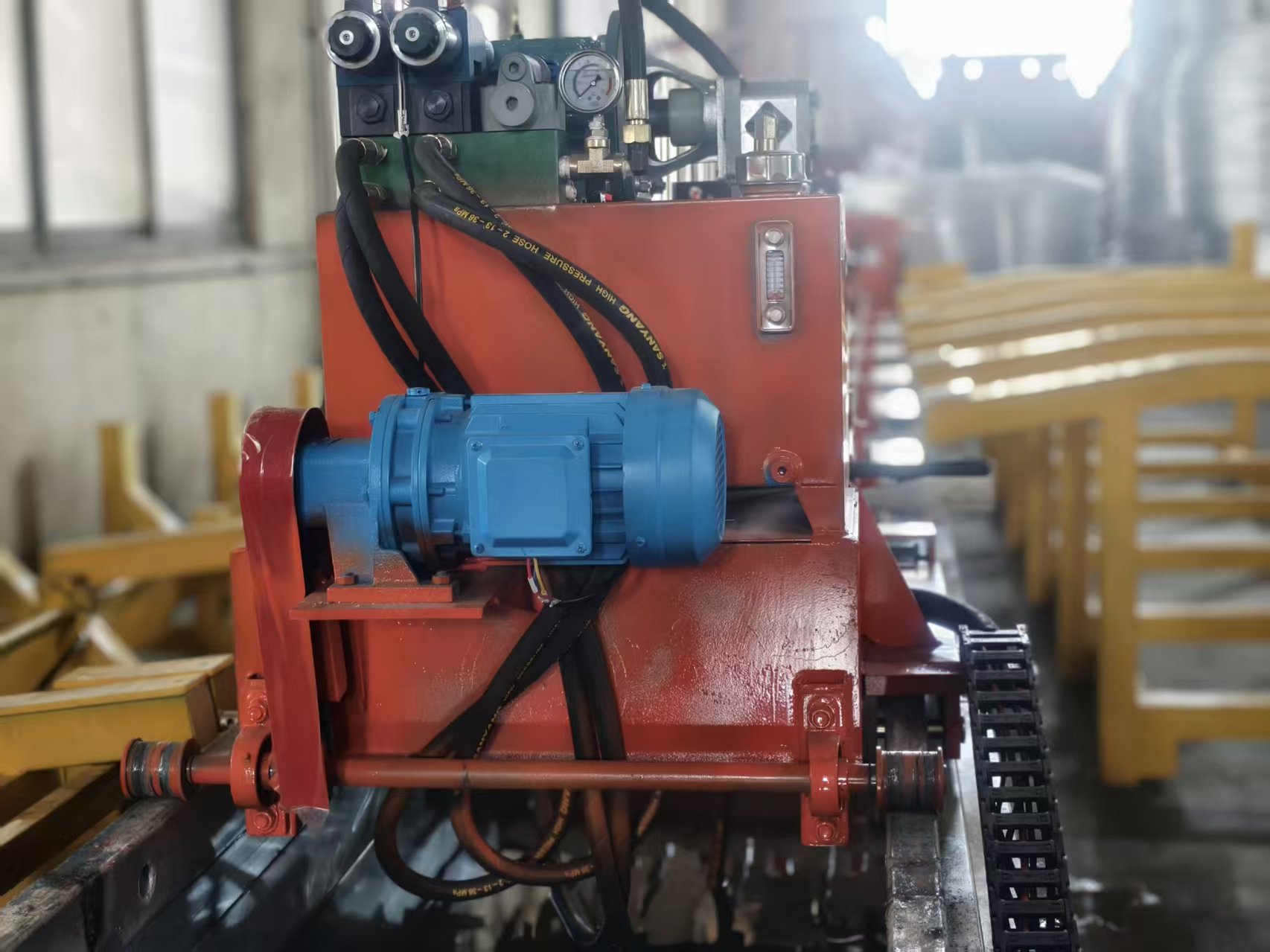
Fully Automatic Testing Process
The machine supplied for this project is configured for fully automatic operation.
For a steel pipe production environment, automation can help coordinate the main operations of the testing cycle and reduce unnecessary manual intervention.
The machine can coordinate operations such as:
- Pipe loading
- Pipe positioning
- Sealing
- Water filling
- Pressure build-up
- Pressure holding
- Pressure release
- Pipe unloading
The objective is not simply to add automation to the machine. The automatic sequence needs to correspond with the actual production process.
When pipe testing is performed repeatedly during production, consistent positioning and repeatable testing operations become important parts of the overall equipment performance.
Why We Build the Machine Around Customer Requirements
There is no single hydro testing machine configuration that is suitable for every steel pipe manufacturer.
A customer producing small-diameter pipes may have completely different requirements from a manufacturer testing large-diameter pipes.
Even when two customers require the same test pressure, their machines may still need different configurations because of differences in:
- Pipe diameter
- Pipe length
- Pipe weight
- Pipe-end condition
- Production capacity
- Sealing requirements
- Handling method
- Factory layout
- Automation requirements
This is why our approach begins with the customer's requirements rather than a fixed machine model.
For the Venus Pipes & Tubes project, the key requirements were a 6–38 mm and 38–114 mm pipe diameter range, 3–18 m pipe length, 7 MPa maximum test pressure, sealing ring sealing, and fully automatic operation.
These requirements provided the basis for the machine configuration.
Project Equipment
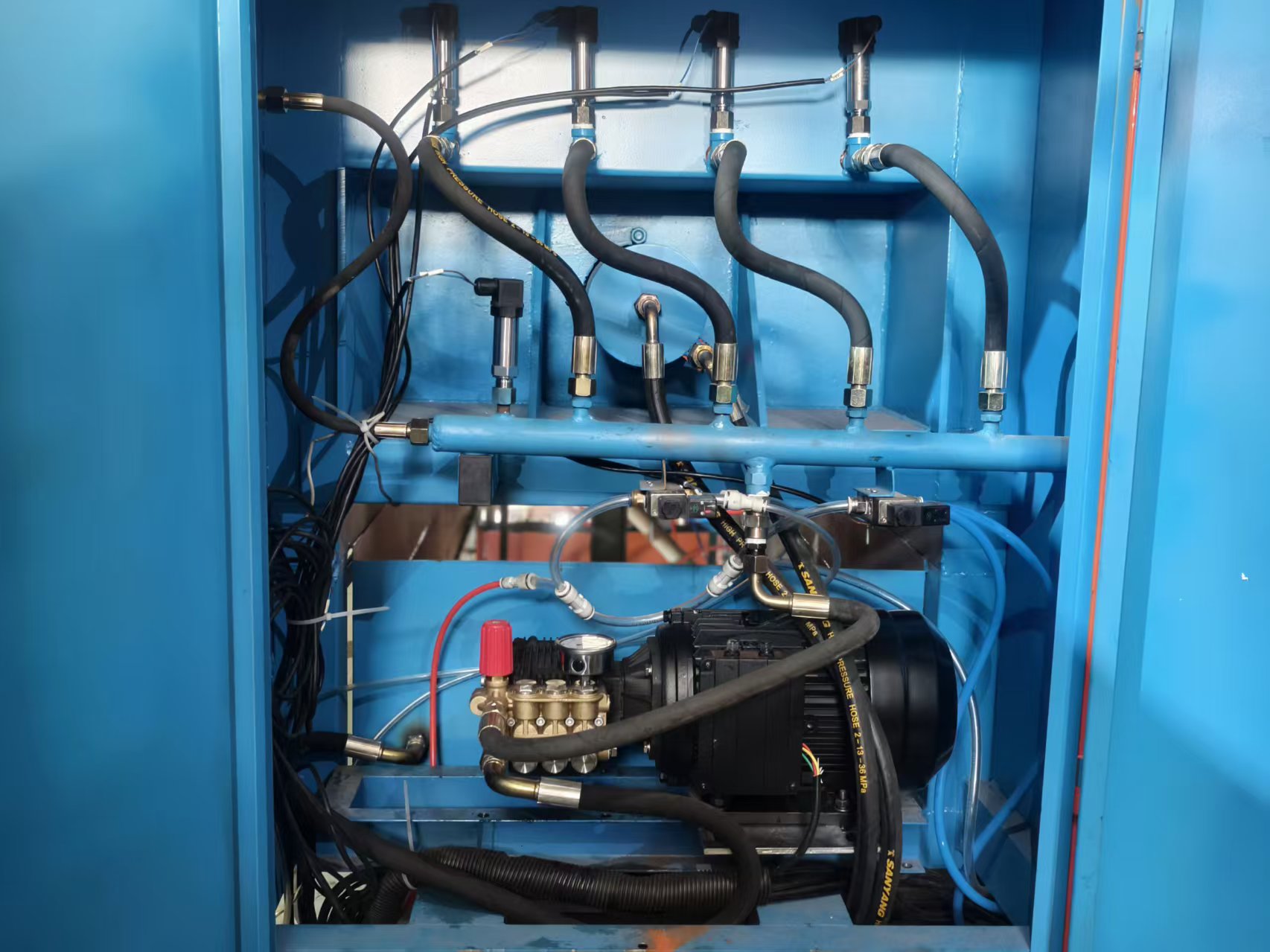
What This Project Shows
The Venus Pipes & Tubes project demonstrates our approach to supplying hydro testing equipment for steel pipe manufacturers.
We do not treat the machine as a fixed product with one configuration for every application.
Instead, we review the customer's actual requirements and configure the equipment around them.
For this project, the machine was developed for:
6–38 mm / 38–114 mm pipe diameters
3–18 m pipe lengths
7 MPa maximum test pressure
Sealing ring sealing
Fully automatic operation
The machine is used by the customer for hydrostatic testing of steel pipes at its manufacturing facility in Gujarat, India.
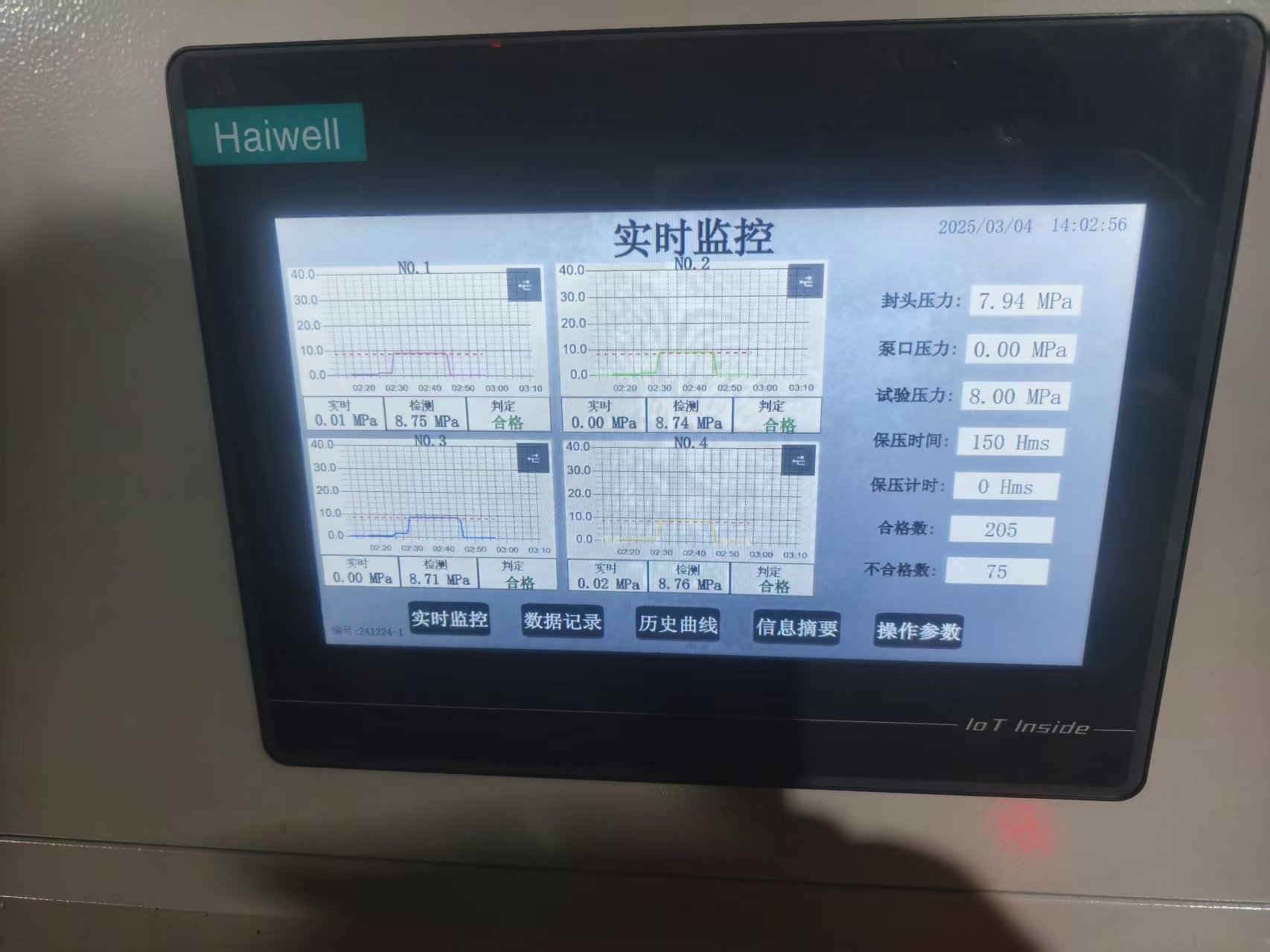
Working With Steel Pipe Manufacturers
When a customer contacts us about a hydro testing machine, we normally recommend providing the pipe diameter range, pipe length, required test pressure, sealing requirements, production requirements, and automation level at the beginning of the discussion.
This information allows us to understand the application before determining the equipment configuration.
The Venus Pipes & Tubes project follows the same principle.
At Wuxi Marley Machinery, we supply and configure steel pipe hydro testing machines according to the customer's actual testing requirements. The final equipment arrangement is determined by the pipe specifications and the production process in which the machine will be used.