








In steel pipe manufacturing, leakage problems are not always visible during production. Small cracks, incomplete welds, material defects, or weak connection areas may remain hidden until the pipe is placed under real working pressure.
For this reason, manufacturers rely on hydrostatic testing equipment to verify pipe strength, pressure resistance, and leak-tight performance before shipment. A properly designed pipe hydrostatic testing machine can detect potential failures that cannot be identified through visual inspection or dimensional checks.
Modern steel pipe hydrostatic testing machines are no longer simple pressure devices. They are integrated systems combining hydraulic technology, automatic control, pressure monitoring, and safety protection to achieve higher testing accuracy and more reliable quality control.
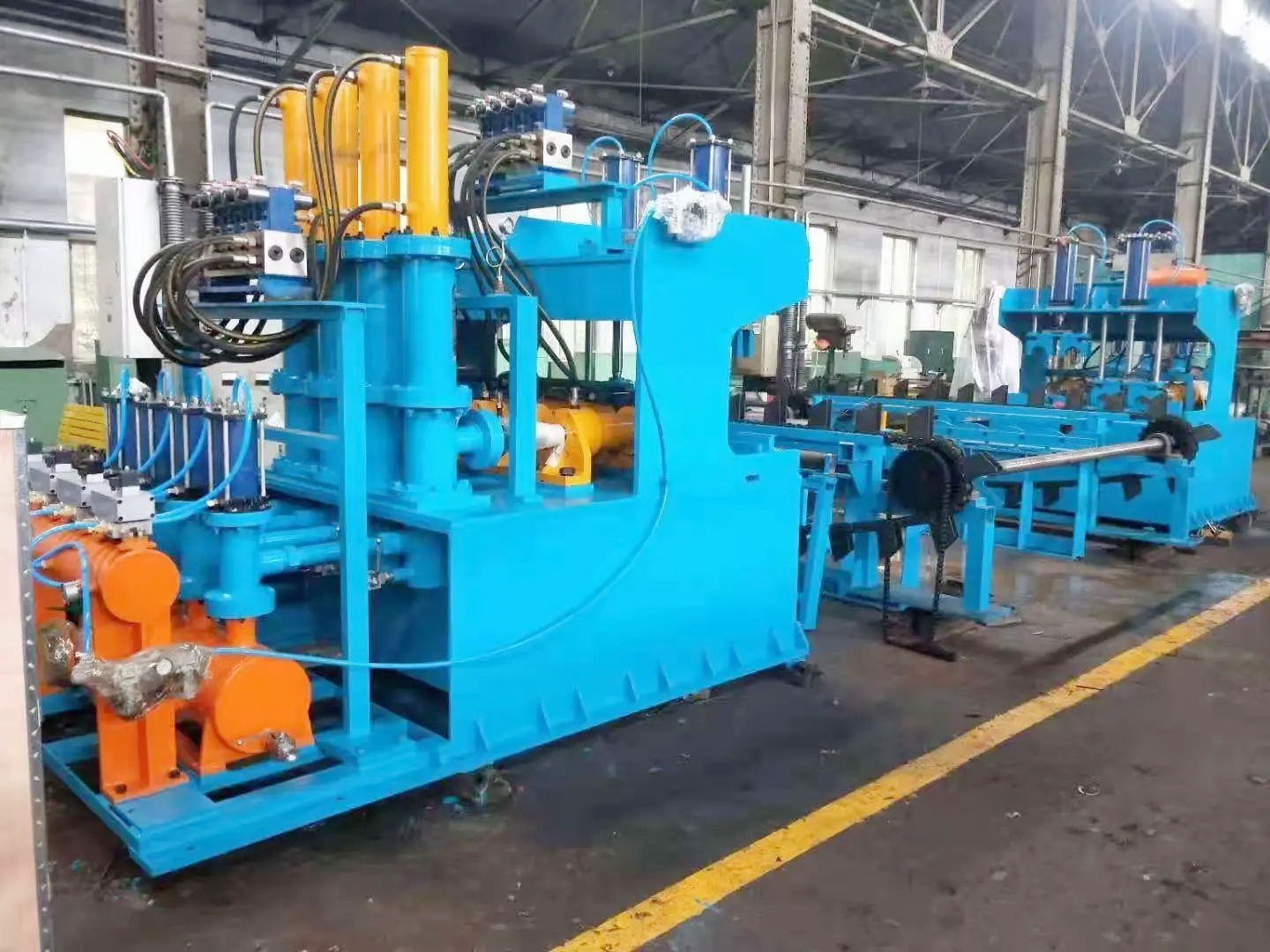
Why Leak Detection Accuracy Matters in Pipe Manufacturing
Steel pipes are widely used in industries where failure can cause serious consequences, including oil and gas transportation, chemical processing, power generation, construction, and water supply systems.
A small leakage problem may result in:
- Production downtime
- Safety risks
- Product rejection
- Increased maintenance costs
- Failure to meet international standards
During manufacturing, pipes may develop defects caused by raw material problems, welding quality issues, forming stress, or heat treatment conditions. Hydrostatic testing provides a practical method to confirm whether a pipe can withstand the required pressure without leakage or deformation.
Unlike air pressure testing, water-based pressure testing uses an incompressible medium, allowing manufacturers to apply high pressure with greater safety and stability.
How Hydrostatic Testing Equipment Detects Pipe Leakage
A professional hydrostatic testing equipment system works by filling the pipe with water, removing internal air, and increasing pressure to a predetermined testing value.
The basic testing process includes:
- Pipe loading and positioning
- Sealing both ends of the pipe
- Filling the pipe with water
- Air removal and water stabilization
- Pressure increase to the required value
- Pressure holding period
- Leakage and deformation inspection
- Automatic pressure release and water drainage
During the pressure holding stage, the system monitors pressure changes. If the pressure decreases beyond the allowable range, the equipment identifies a possible leakage problem.
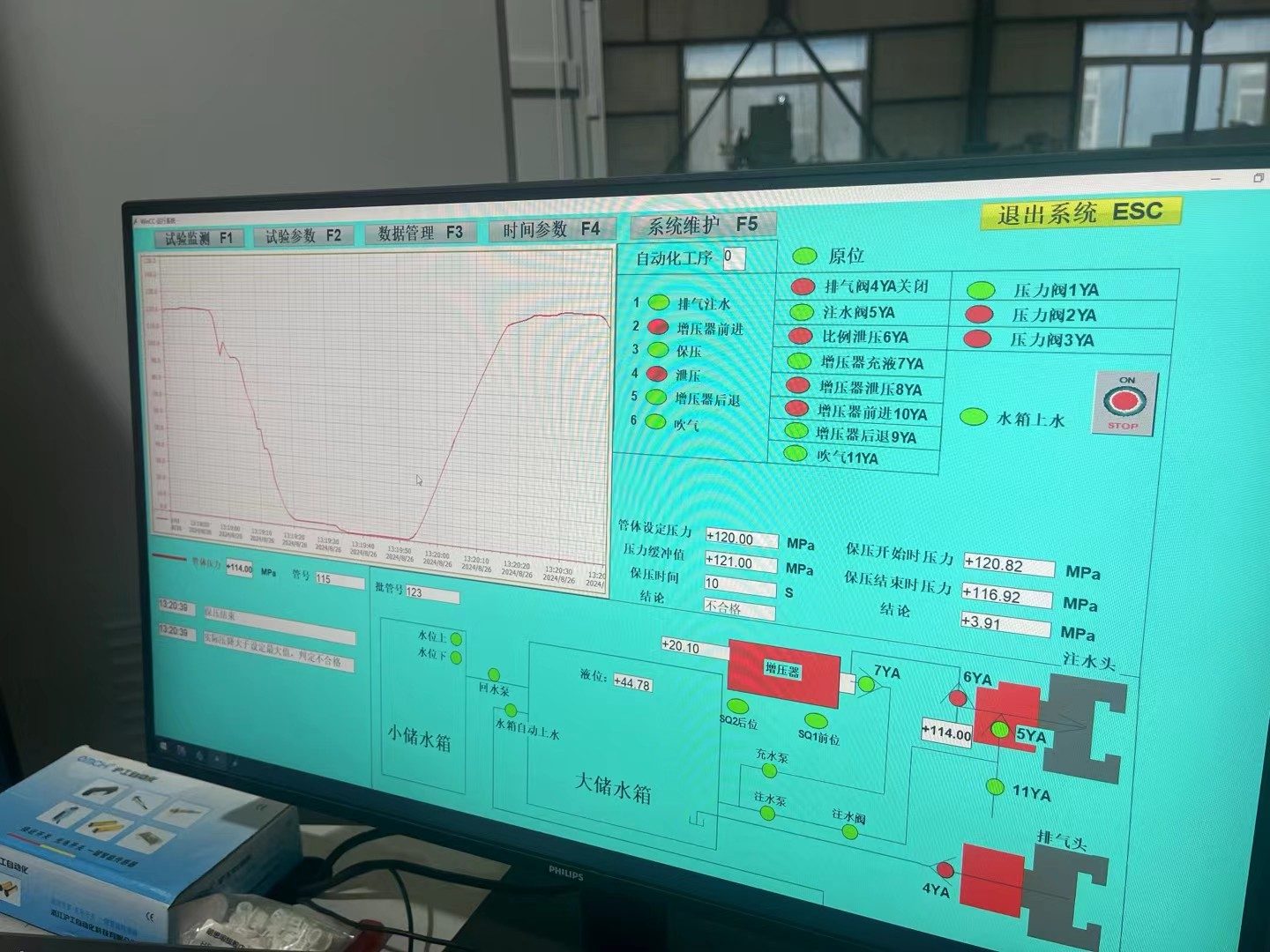
Advanced steel pipe hydrostatic testing machines improve accuracy by controlling pressure increase speed, maintaining stable pressure levels, and recording testing data automatically.
Key Factors Affecting Hydrostatic Leak Detection Accuracy
The accuracy of a hydrostatic testing system depends on several important factors.
1. Pressure Control Stability
Stable pressure control is essential for reliable leak detection.
If pressure fluctuates during testing, the system may generate inaccurate results. High-quality hydrostatic testing machines use precision hydraulic components and automatic control systems to maintain consistent pressure throughout the test cycle.
For large diameter steel pipes, stable pressure control becomes even more critical because internal volume changes can affect testing results.
2. Sealing System Performance
The sealing system directly affects test reliability.
Poor sealing can create false leakage signals, causing qualified pipes to be incorrectly rejected. Industrial pipe testing equipment usually uses specially designed sealing heads according to pipe diameter and pressure requirements.
For manufacturers producing different pipe sizes, adjustable sealing systems improve flexibility and reduce replacement time.
3. Pressure Measurement Accuracy
Pressure sensors are one of the most important components of a hydrostatic testing machine.
High-accuracy pressure transmitters provide real-time monitoring and allow operators to identify small pressure variations during testing.
For applications requiring strict quality control, such as API steel pipes and pressure vessel tubes, accurate pressure measurement is essential for meeting customer requirements.
4. Automatic Data Recording
Modern manufacturers increasingly require traceable inspection records.
Advanced hydrostatic testing equipment for pipe can automatically record:
- Testing pressure
- Holding time
- Pipe identification number
- Test results
- Operator information
These records help manufacturers provide quality documentation and improve production management.
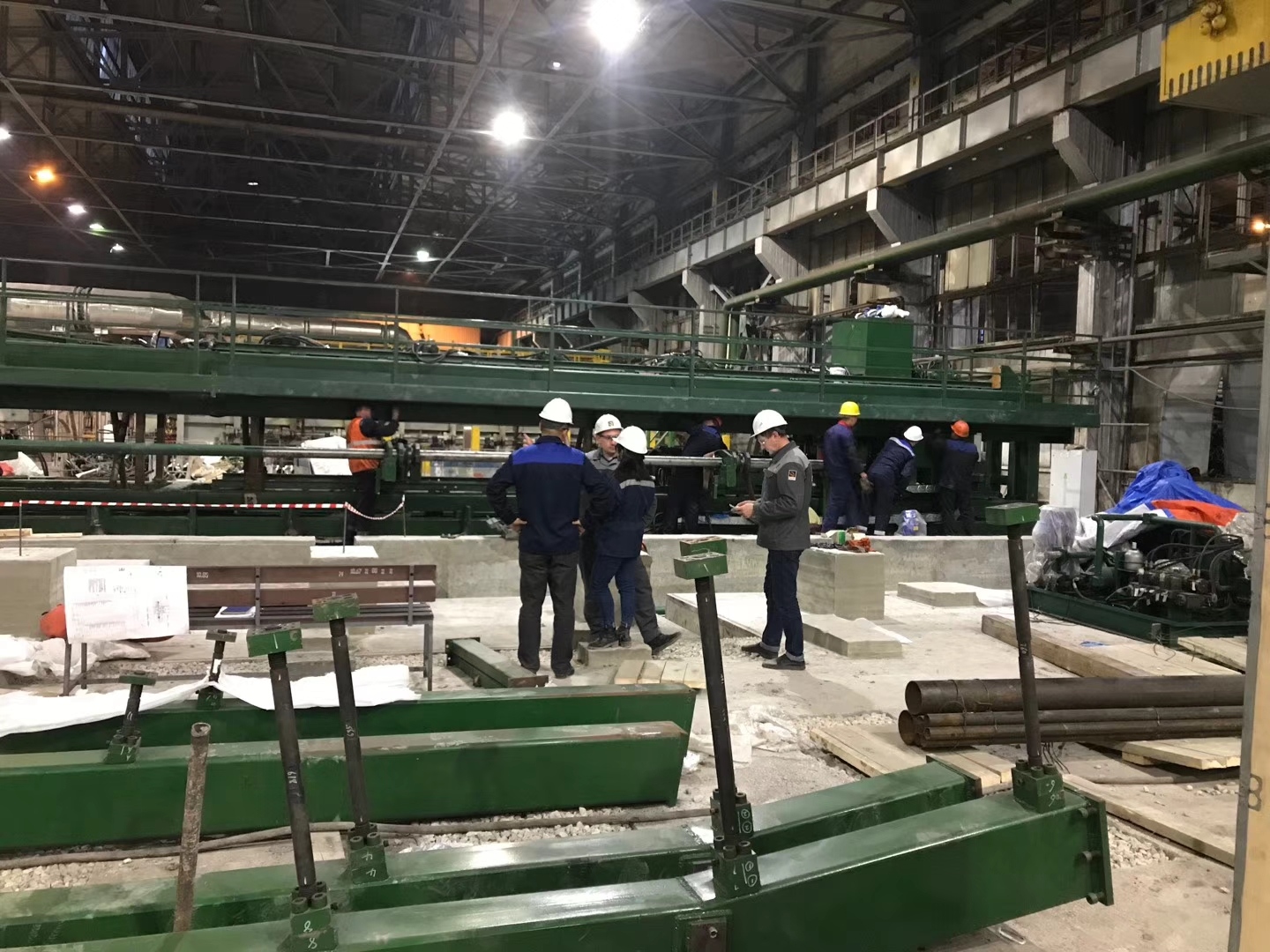
ydrostatic Testing Equipment vs Traditional Manual Testing Methods
Traditional manual pressure testing methods require more operator involvement and often depend on personal experience.
This approach may create several problems:
- Inconsistent testing results
- Longer testing cycles
- Difficult data management
- Higher labor requirements
A modern pipe hydrostatic testing machine improves production efficiency through automation.
The system can complete loading, pressure boosting, testing, pressure release, and unloading procedures with minimal manual operation.
For large-scale steel pipe manufacturers, automation reduces testing time while maintaining consistent inspection standards.
Applications of Steel Pipe Hydrostatic Testing Machines
A steel pipe hydrostatic testing machine is commonly used for different types of pipes, including:
- Seamless steel pipes
- Welded steel pipes
- Stainless steel pipes
- Carbon steel pipes
- API line pipes
- Boiler tubes
- Structural pipes
Different applications require different testing pressures, pipe sizes, and inspection standards.
For example, oil and gas pipeline manufacturers often require strict pressure testing procedures to ensure pipeline reliability during transportation. Stainless steel pipe manufacturers may focus on detecting weld defects and ensuring corrosion-resistant pipe performance.
Choosing the Right Hydrostatic Testing Equipment for Your Production Line
Selecting suitable equipment requires consideration of several production factors:
Pipe Size Range
The machine should match the manufacturer's pipe diameter and length requirements.
A system designed for small tubes cannot efficiently handle large industrial pipes. Large-scale manufacturers usually need customized equipment according to their production range.
Maximum Testing Pressure
Different applications require different pressure levels.
The selected hydrostatic testing machine should provide sufficient pressure capacity while maintaining stable operation.
Automation Level
For continuous production environments, automatic loading, testing, and unloading systems can significantly improve efficiency.
PLC-controlled systems allow operators to monitor the entire process through an industrial interface.
Manufacturing Experience and Technical Support
Hydrostatic testing equipment is a long-term investment. Equipment quality, engineering design, and after-sales support directly influence production reliability.
Working with an experienced manufacturer helps ensure the testing system matches actual production requirements.
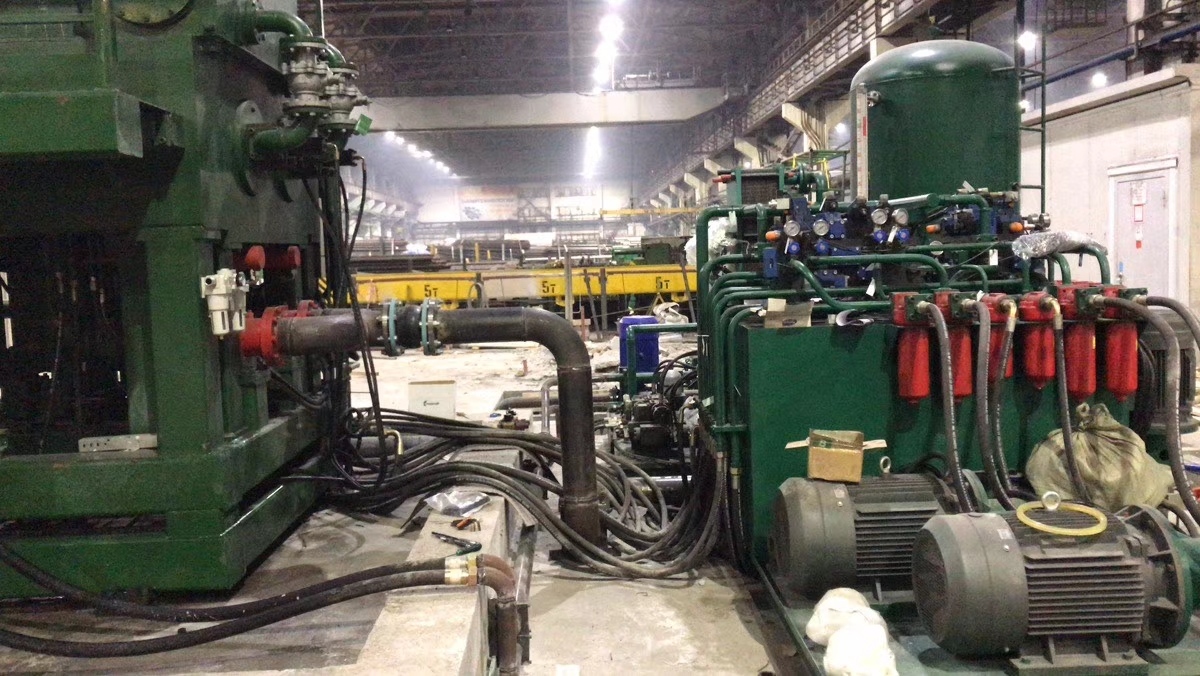
Improving Pipe Quality with Advanced Hydrostatic Testing Technology
Leak detection accuracy is one of the most important indicators of pipe quality control.
A reliable pipe hydrostatic testing machine helps manufacturers identify hidden defects before products reach customers. By combining accurate pressure control, advanced sensors, automatic operation, and data management, modern testing systems provide a more efficient solution for industrial pipe inspection.
For steel pipe manufacturers, investing in a professional pipe hydrostatic testing machine is not only about meeting inspection standards. It is about reducing failure risks, improving production confidence, and delivering consistent product quality.