








As global industries demand safer pipelines, faster production, and stricter quality control, the Pipe pressure testing machine has become far more than a factory utility. Today, it is a strategic piece of equipment used in steel pipe mills, oil & gas projects, municipal infrastructure, and plastic pipe manufacturing worldwide.
What has changed most in recent years is technology.
Modern buyers no longer ask only about pressure range. They ask about automation, digital records, energy efficiency, cycle time, and long-term reliability. That shift is driving rapid innovation in the global Pipe pressure testing machine market.
This article explores how Pipe pressure testing machine technology is developing worldwide, what trends matter most, and how manufacturers can stay competitive.
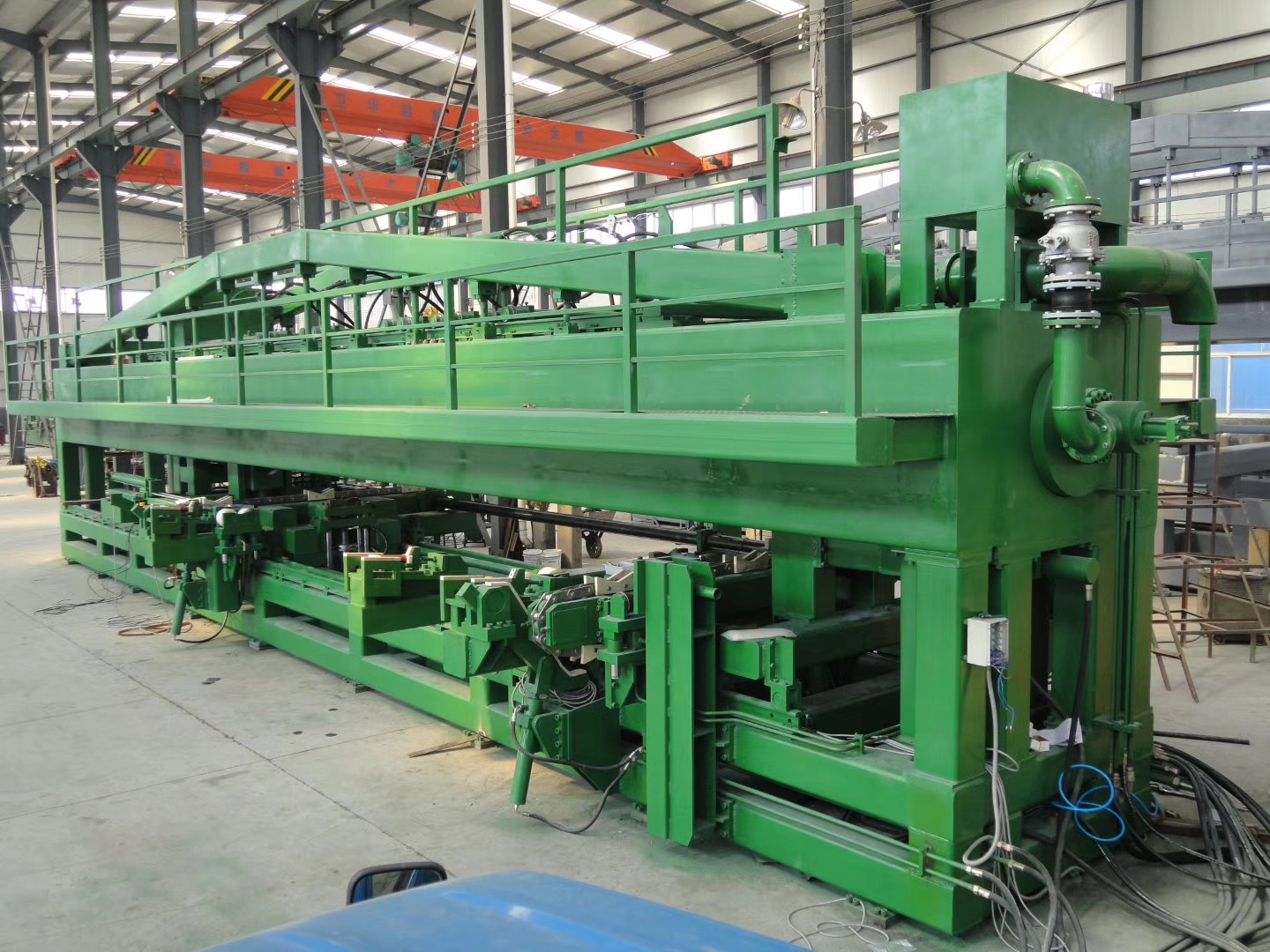
Why Global Demand for Pipe Testing Technology Is Growing
Pipelines remain essential for:
- Oil and gas transmission
- Municipal water systems
- Construction and infrastructure
- Industrial fluid transport
- HVAC and fire systems
- Chemical processing plants
Because failures can cause safety incidents, downtime, and financial loss, pressure testing remains one of the most trusted quality verification methods.
Hydrostatic testing commonly fills the pipe with water, raises pressure to a defined level, and checks for leaks or pressure loss under controlled conditions. It remains widely used because water stores less energy than compressed gas, improving safety.
That is why the demand for advanced Pipe pressure testing machine systems continues to rise.
Global Technology Trends in Pipe Pressure Testing Machines
1. PLC and Full Automation Systems
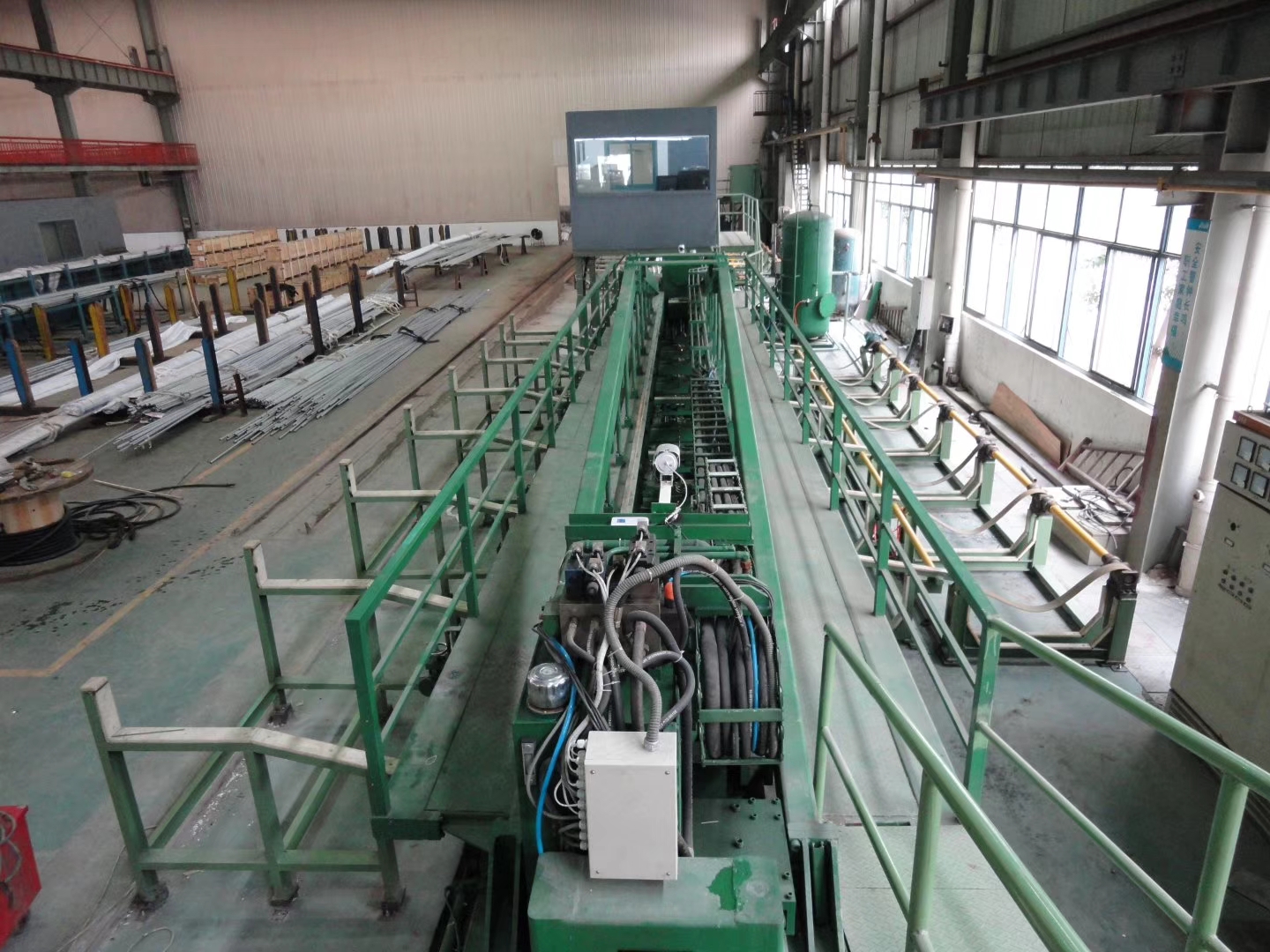
One of the biggest upgrades in the modern Pipe pressure testing machine market is automation.
Factories increasingly prefer machines with:
- PLC control systems
- Touchscreen HMI panels
- Automatic test cycle programs
- Auto pressure hold timing
- Automatic pass/fail judgment
This reduces labor dependency and increases consistency.
Many industrial systems now advertise PLC-controlled operation as a core feature.
2. Real-Time Data Logging and Digital Reports
Global buyers increasingly request traceable records.
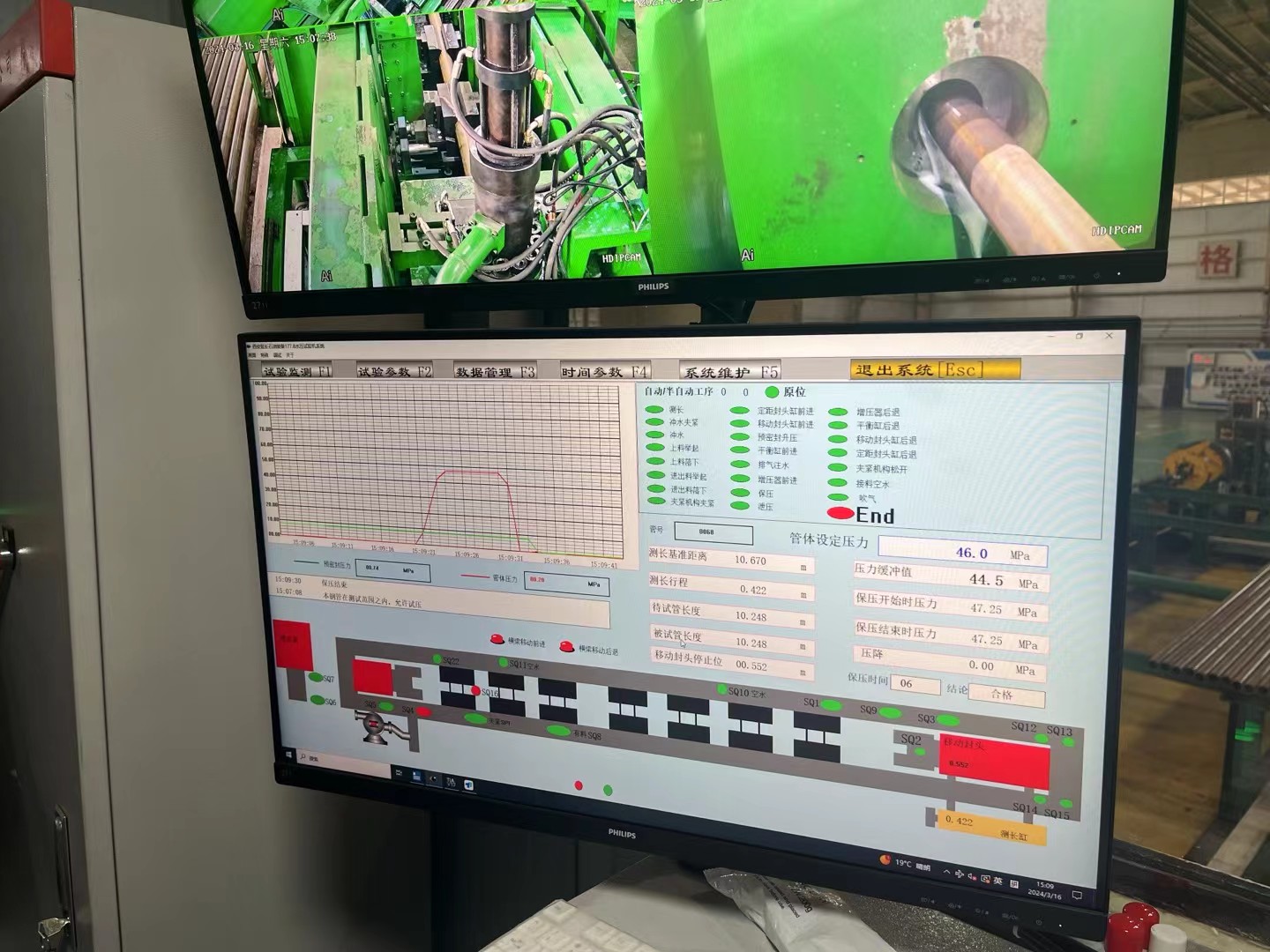
A modern Pipe pressure testing machine may now include:
- Pressure curve recording
- Timestamped reports
- Serial number tracking
- Exportable test files
- Remote monitoring support
This is especially valuable for export pipe orders and audited supply chains.Automated data logging is highlighted as a major benefit in modern hydrostatic systems.
3. Faster Testing Cycle Time
Large factories need throughput, not just accuracy.
Technology improvements now focus on:
- Faster filling systems
- Quick sealing heads
- Multi-stage pressure boosting
- Faster draining cycles
- Reduced idle time between pipes
This helps pipe mills increase output without sacrificing standards.
4. Higher Pressure Capability for Premium Projects
As energy and industrial projects become more demanding, some Pipe pressure testing machine models now support very high pressure ranges.
Industrial sources list systems capable of pressures up to 150 MPa for specific applications.
This trend supports:
- Thick-wall steel pipes
- Line pipe projects
- High-pressure industrial piping
- Specialty engineering sectors
5. Multi-Size Flexible Design
Older machines were often built for narrow size ranges.
Today’s global market favors Pipe pressure testing machine systems that can switch between multiple diameters quickly.
Benefits include:
- Better ROI
- Faster product changeover
- Multi-project flexibility
- Lower downtime
This is important for manufacturers handling varied export orders.
6. Better Sealing Technology
Seal performance directly impacts testing speed and reliability.
Modern systems now use:
- Radial sealing
- End-face sealing
- Improved wear-resistant materials
- Quick-change sealing heads
Multiple sealing options are now common in advanced pipe testing equipment.
7. Energy Efficiency and Sustainability
Factories worldwide are paying more attention to energy costs.
Newer Pipe pressure testing machine designs aim to reduce:
- Pump idle time
- Water waste
- Refill losses
- Power consumption per cycle
Water recycling and smart motor control are becoming more attractive features.
Global Market Comparison by Region
|
Region |
Main Demand Focus |
Technology Preference |
|
Asia |
High volume manufacturing |
Fast cycle + automation |
|
Middle East |
Oil & gas projects |
High pressure + reliability |
|
Europe |
Compliance & efficiency |
Digital records + safety |
|
North America |
Traceability & standards |
Smart controls + reporting |
|
Africa |
Infrastructure growth |
Durable + cost-effective |
What Buyers Now Expect in 2026
A buyer searching for a Pipe pressure testing machine today often expects more than basic pressure capability.
Typical expectations include:
- PLC automation
- Stable pressure control
- Fast testing speed
- Digital reports
- Low maintenance design
- Spare parts support
- Global standard compatibility
Manufacturers that ignore these expectations risk losing tenders.
Real Factory Example
A steel pipe exporter using an older manual system faced:
- Slow cycle time
- Missing documentation
- Customer complaints about records
After upgrading to an automated Pipe pressure testing machine, they gained:
- 30% faster throughput
- Easier customer approval
- Better quality consistency
- Stronger export competitiveness
That is how technology creates business value.
Common Mistakes When Buying for the Global Market
Avoid choosing only by lowest price.
Common mistakes:
- No PLC system
- Weak data recording
- Slow changeover
- Limited pressure range
- Poor after-sales support
- Non-standard electrical configuration
A cheap machine can become an expensive bottleneck.
Future Outlook for Pipe Pressure Testing Machine Technology
The next generation of Pipe pressure testing machine systems is likely to include:
- IoT remote diagnostics
- AI maintenance alerts
- Cloud report storage
- Predictive pressure control
- Fully robotic loading systems
The market is moving from simple machinery to smart manufacturing equipment.
The global Pipe pressure testing machine market is evolving quickly. Buyers want faster, smarter, safer, and more efficient systems.
For manufacturers, upgrading technology means:
- Higher productivity
- Better customer trust
- Easier compliance
- Stronger profit margins
- Greater export success
In today’s competitive market, advanced testing equipment is no longer optional — it is a growth strategy.