








In many factories, the Hydro Testing Machine for Pipe is treated as a “final step” before shipment. But in reality, it’s more like a last safety gate—and if something goes wrong here, everything before it becomes meaningless.
We’ve seen this happen more than once. A client in Southeast Asia once skipped a basic seal inspection to save a few minutes per shift. The result? A pressure drop during testing, three rejected batches, and almost a full day of downtime.
It sounds small—but these are exactly the kinds of issues that daily pre-checks can prevent.
Why Pre-Test Checks Are Not Optional
A Hydro Testing Machine for Pipe doesn’t usually fail all at once. Problems build up quietly:
- A slightly worn seal
- A small hydraulic fluctuation
- Air not fully removed from the pipe
Individually, they seem harmless. Together, they lead to:
- Inconsistent pressure results
- False failures or false passes
- Unexpected machine stops
And if you’re exporting pipes, one bad test result can affect your entire shipment credibility.
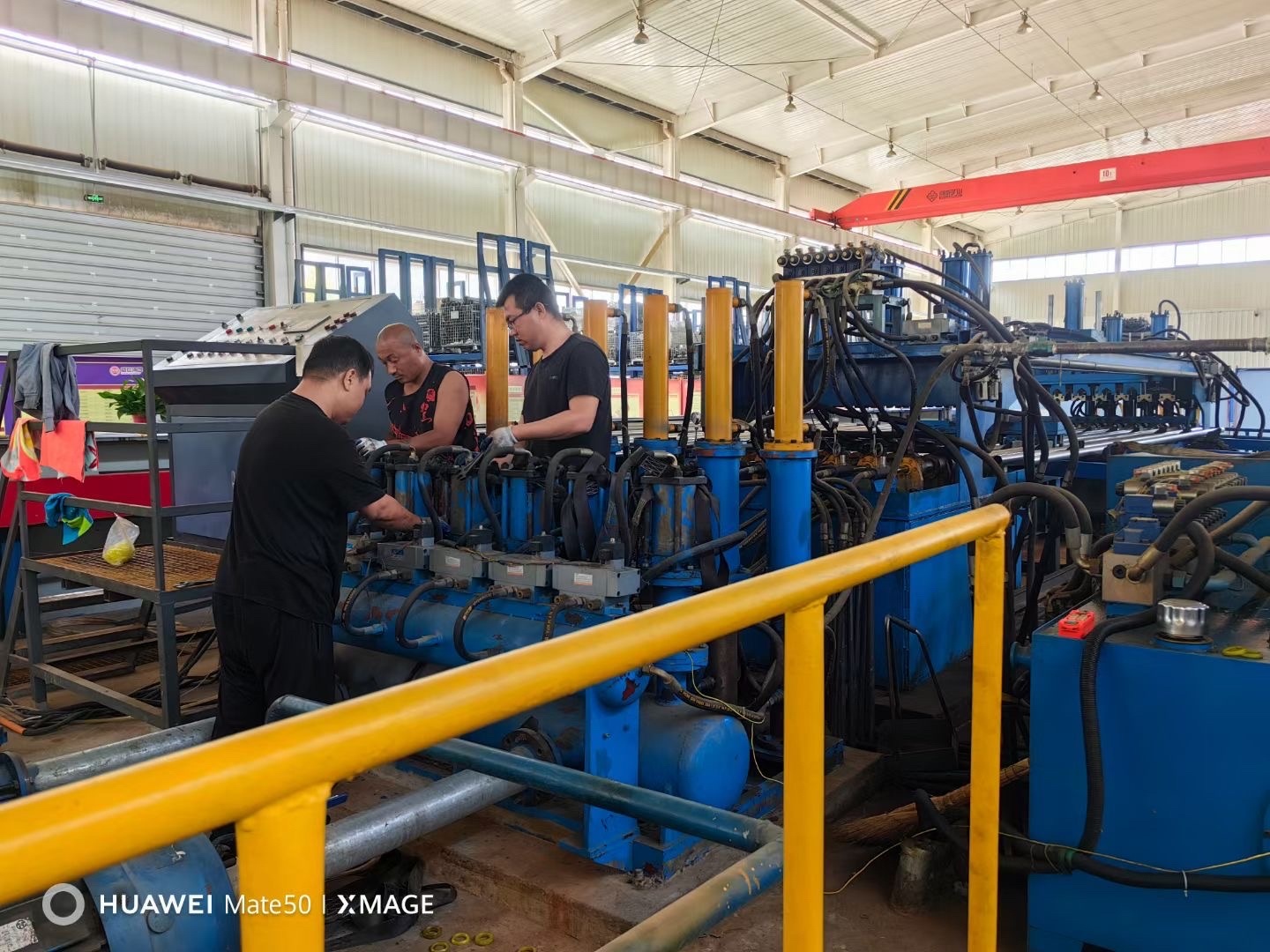
Pre-Test Checklist for Hydro Testing Machine for Pipe
Below is a practical checklist based on real factory operations. This is not theory—this is what experienced operators actually look at before pressing “start”.
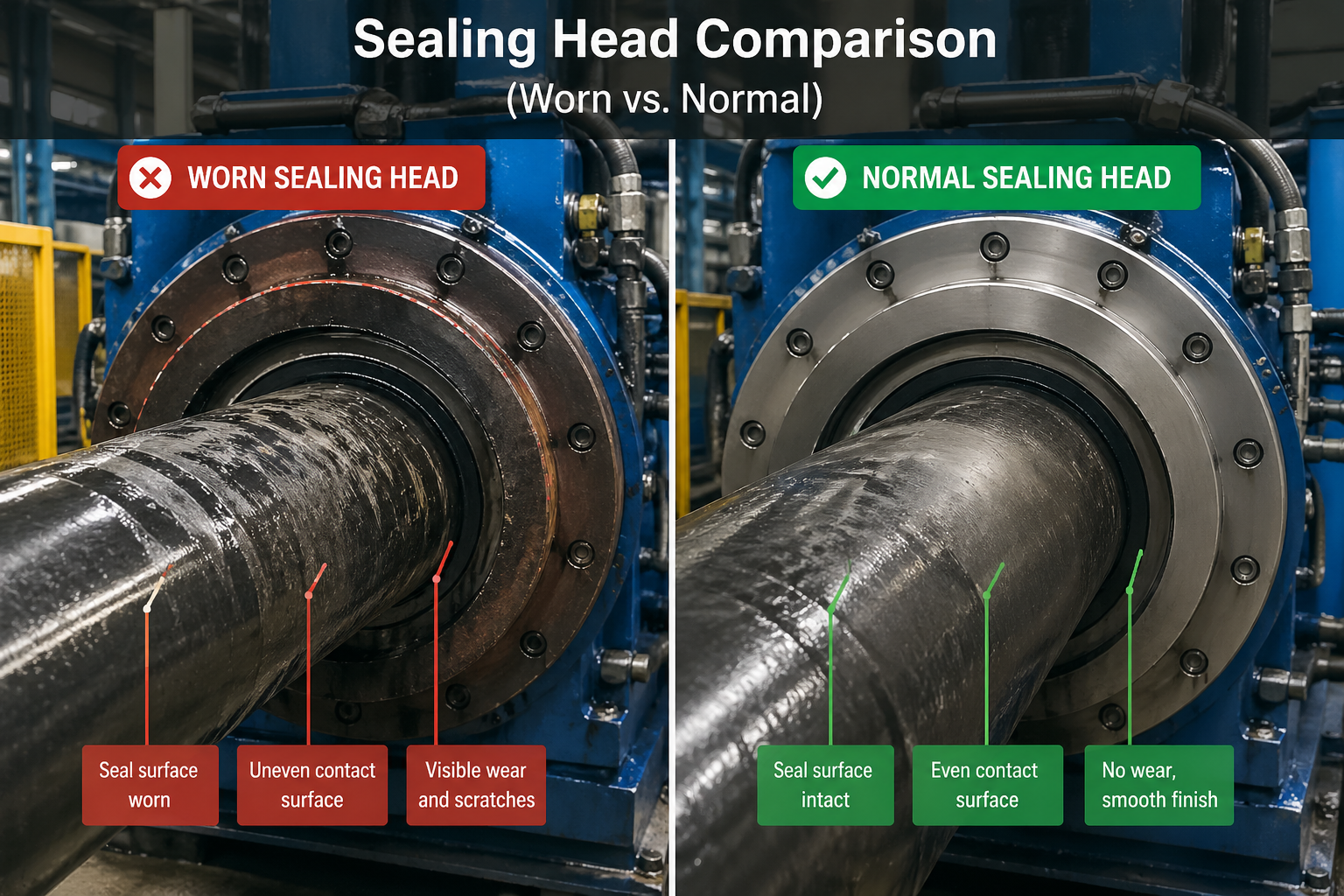
1. Sealing System – The First Thing to Fail
If there’s one component that causes the most trouble in a Hydro Testing Machine for Pipe, it’s the sealing system.
What to check:
- Any visible wear or deformation on seals
- Whether the sealing head aligns properly with the pipe
- Dirt or metal particles on contact surfaces
In many cases, leaks don’t come from broken seals—they come from slight misalignment.
Especially when testing large-diameter pipes (e.g. above 20–24 inches), even a small offset can cause pressure instability.
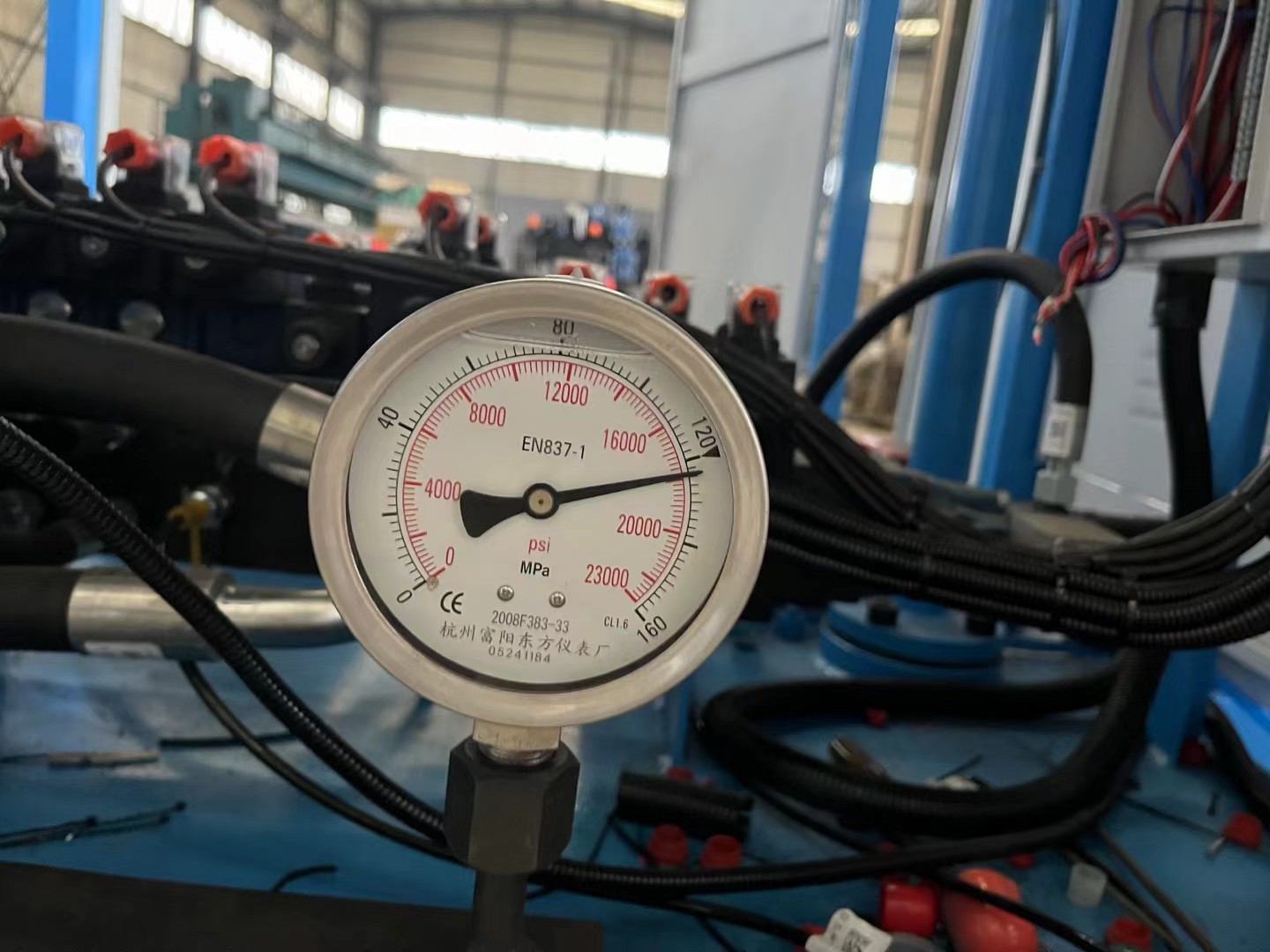
2. Pressure Gauges & Sensors – Don’t Trust Them Blindly
Operators sometimes assume gauges are always accurate. That’s risky.
Before running the Hydro Testing Machine for Pipe, take a few seconds to:
- Check if the gauge returns to zero properly
- Look for unusual fluctuations
- Confirm calibration is still valid
We’ve seen cases where a faulty sensor caused perfectly good pipes to be rejected. That’s expensive—and avoidable.
3. Hydraulic System – Small Leaks, Big Problems
The hydraulic system is the backbone of any Hydro Testing Machine for Pipe.
Here’s a quick inspection table operators often use:
|
Check Item |
What to Look For |
What Happens If Ignored |
|
Oil Level |
Within recommended range |
Pressure instability |
|
Oil Condition |
Clean, no contamination |
Faster component wear |
|
Hose Connections |
Tight, no leakage |
Sudden pressure loss |
|
Pump Operation |
Smooth, no abnormal noise |
Unexpected shutdown |
To be honest, most hydraulic issues don’t appear suddenly—they give early warning signs. The problem is, they’re easy to overlook.
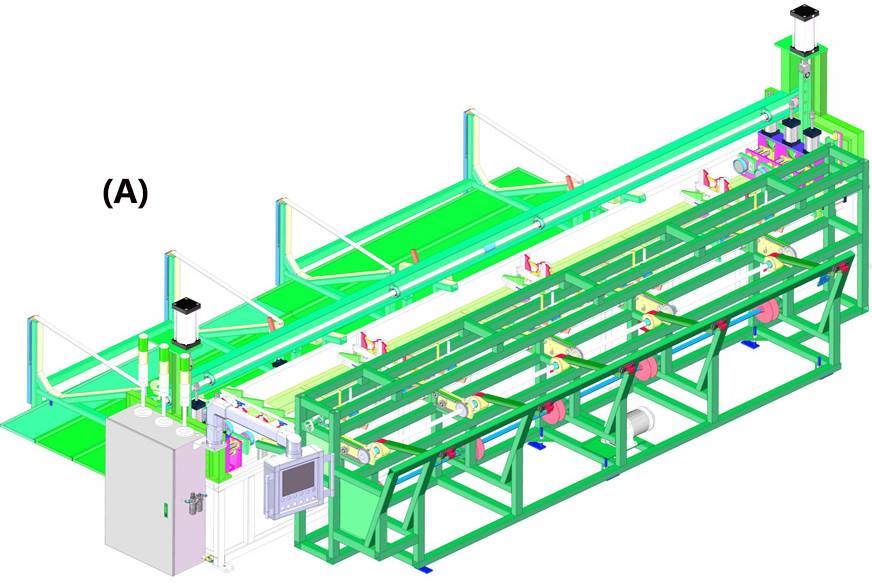
4. Pipe Positioning & Clamping – A Very Common Mistake
This one is more about operation than equipment.
Before starting the Hydro Testing Machine for Pipe, make sure:
- The pipe is centered
- Clamping force is stable
- Both ends align properly with sealing heads
A misaligned pipe doesn’t just affect test results—it can damage seals or even the machine itself.
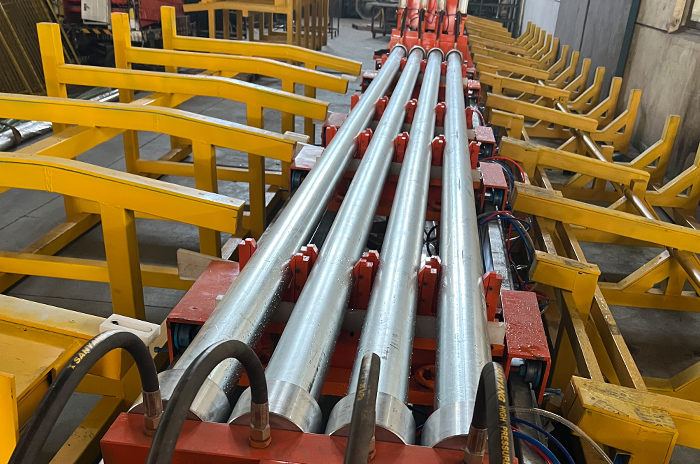
5. Water Filling & Air Removal – Simple but Critical
It sounds basic, but this step is often rushed.
If air remains inside the pipe:
- Pressure readings become unstable
- Test results become unreliable
A good Hydro Testing Machine for Pipe should ensure:
- Complete water filling
- Smooth air discharge
- No trapped air pockets
6. Run a Quick Dry Cycle
Before actual testing, many experienced operators run one empty cycle.
Why?
- To detect abnormal sounds
- To confirm system synchronization
- To catch small issues early
It takes less than a minute—but can save hours later.
7. Safety Systems – Often Checked Last, but Shouldn’t Be
Every Hydro Testing Machine for Pipe is designed with safety features—but they only work if tested.
Quick checks:
- Emergency stop button
- Pressure relief valve
- Safety guards
Especially in high-pressure testing, safety is not something to assume.
Common Operator Mistakes
Across different countries and production lines, the same issues appear again and again:
- Skipping pre-checks to save time
- Using worn seals longer than recommended
- Ignoring small hydraulic leaks
- Not fully removing air
- Continuing operation despite unusual noise
None of these are “major mistakes”—but they lead to major problems.
How Proper Operation Improves Your ROI
A Hydro Testing Machine for Pipe is not a small investment. But the return depends heavily on how it’s used.
With proper checks:
- Fewer retests
- Less downtime
- Longer machine lifespan
- More stable product quality
For export manufacturers, this also means:
Better compliance with API / ASTM / ISO standards
Higher buyer trust
Fewer claims after delivery
Looking to Improve Your Testing Line?
If you’re planning to upgrade or purchase a Hydro Testing Machine for Pipe, it’s not just about specifications.
What really matters:
- Stable pressure control
- Reliable sealing design
- Easy maintenance
- Operator-friendly system
At the end of the day, a machine that is easier to operate correctly will always perform better in real production.
If you’d like recommendations based on your pipe size, pressure range, or production capacity, feel free to reach out. We’ve worked with clients across multiple industries and can suggest practical solutions—not just standard configurations.
A Hydro Testing Machine for Pipe doesn’t guarantee good results on its own.
Consistent, careful operation is what makes the difference.
Most pre-test checks take just a few minutes—but they directly impact:
- Safety
- Accuracy
- Production efficiency
And in a competitive global market, those small details are often what set manufacturers apart.