








In pipe mills, output speed matters. But when a testing line starts slowing down, the first reaction is often to push operators harder or raise pressure settings. That usually does not solve the real problem.
In most cases, the bottleneck is the testing process itself. A well-configured Pipe pressure testing equipment system should move quickly, seal reliably, and keep the pressure cycle stable from one pipe to the next. When it does not, the plant loses time at every step: loading, sealing, pressurizing, holding, and unloading.
For American pipe manufacturers, improving speed is not about rushing the test. It is about removing wasted motion, unstable settings, and repeat failures that keep the line from running at full capacity.
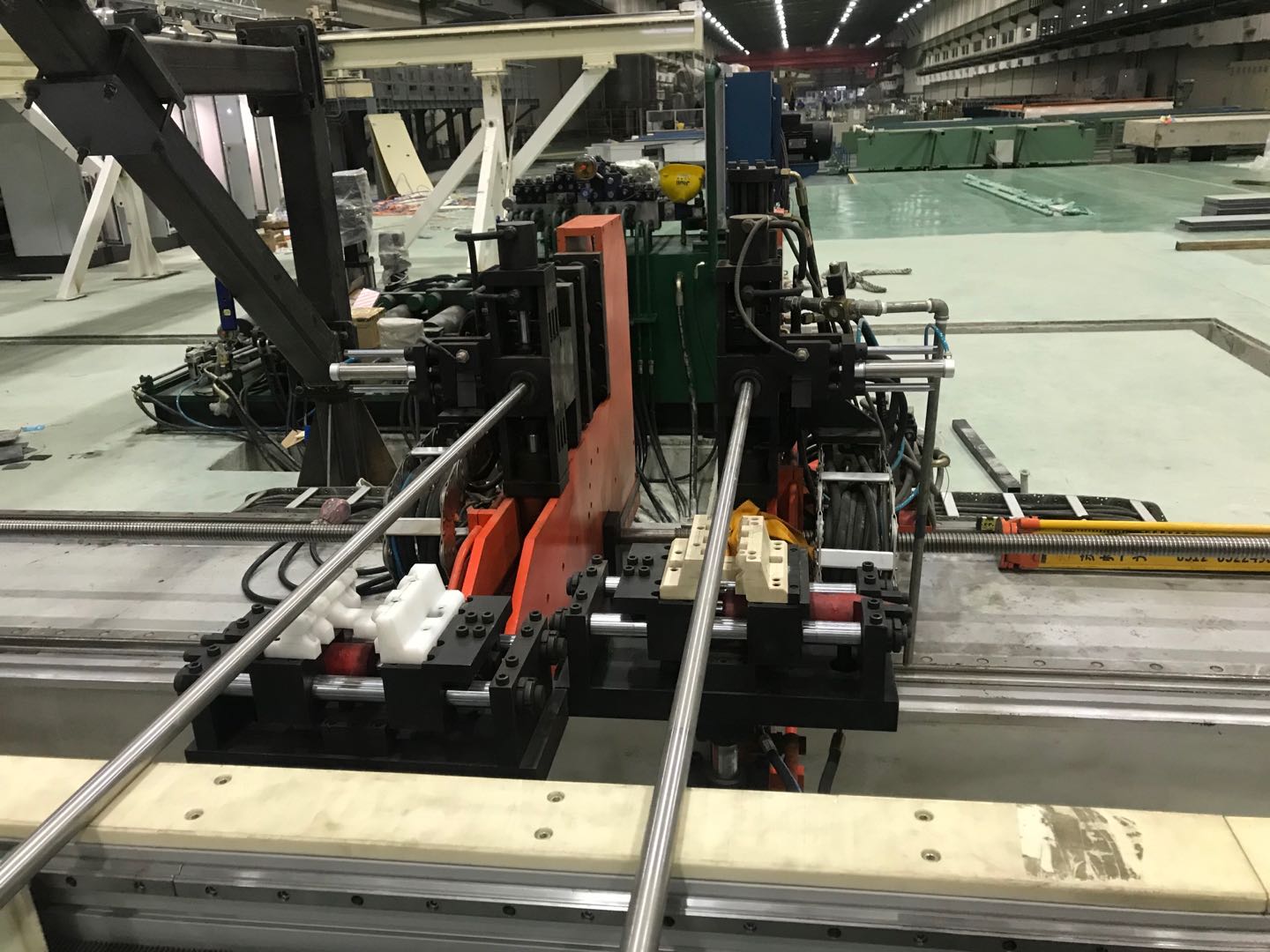
Where output speed is usually lost
A lot of plants think the slowdown comes from the operator. Sometimes that is true, but not always. In real production, the usual causes are more basic.
|
Bottleneck area |
What it looks like on the floor |
What usually causes it |
| Pipe loading | Pipes wait too long before testing | Poor material flow or manual handling |
| Sealing step | The machine pauses too often | Worn seals or slow clamping action |
| Pressure build-up | The test takes too long to reach target | Pump limits or unstable hydraulic response |
| Holding stage | Pipes fail or need retesting | Air trapped in the line or pressure drift |
| Unloading | Finished pipes back up at the exit | Poor line layout or weak automation |
When a Pipe pressure testing equipment line is slow, the answer is usually found in one of these five areas.
1. Reduce waiting time before the test starts
A testing line is only as fast as its feeding process. If pipes arrive one by one in a disorganized way, the machine spends more time waiting than working.
The fastest shops keep pipe transfer smooth and predictable. That may sound simple, but it makes a real difference. Even small changes, such as better pipe staging or a more direct loading path, can improve throughput without changing the machine itself.
A Pipe pressure testing equipment line should never force operators to stop and reset the workflow every few pipes.
2. Keep the sealing system in top condition
Sealing problems are one of the biggest hidden reasons for slow output.
When seals wear out, the operator may need to adjust the head repeatedly or retest pipes that should have passed the first time. That adds time, creates frustration, and reduces daily output.
In practice, a plant that wants better speed should treat sealing parts as high-priority consumables, not as “replace later” items.
A good Pipe pressure testing equipment setup should let the sealing head close quickly and consistently. If the sealing action is slow or uneven, the whole line suffers.
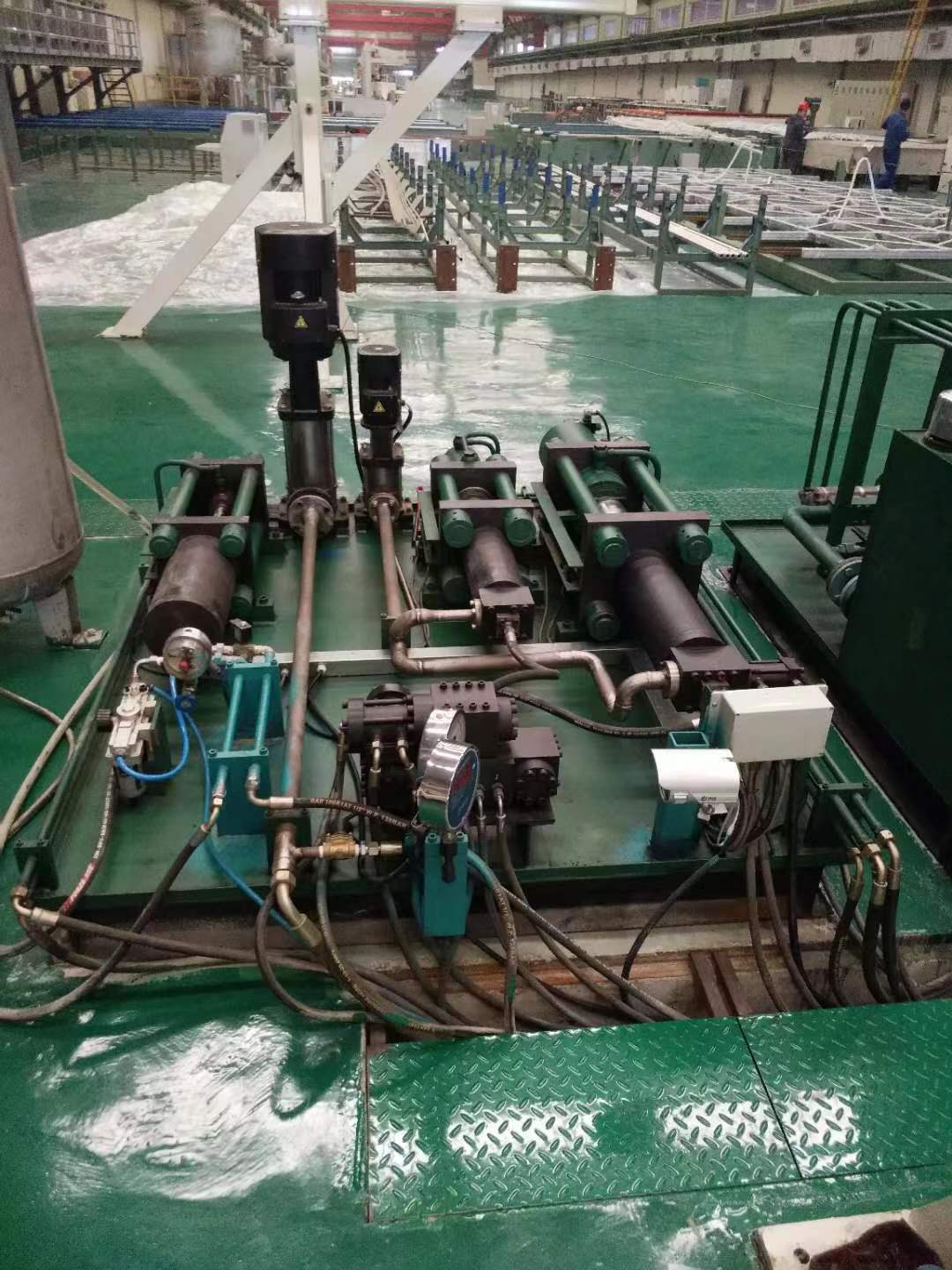
3. Make pressure build-up more stable
Pressure build-up time is often ignored, but it has a major effect on cycle speed.
If the pump is undersized, worn, or poorly maintained, the machine may take longer than necessary to reach the target test pressure. That extra time may not look dramatic on one pipe, but over a full shift it becomes a real production loss.
A pressure system that rises smoothly and repeats the same cycle every time is worth more than one that looks powerful but runs inconsistently.
This is where experienced engineers focus first when they want to improve Pipe pressure testing equipment output speed.
4. Eliminate air and retest losses
Nothing slows a testing line down like a bad first pass.
If the pipe is not fully vented, pressure readings can become unstable. The result is often a repeat test, which immediately cuts output. Many plants discover this only after watching the line for several shifts.
A cleaner filling process, better venting, and more disciplined operator steps can reduce these retests fast. In many cases, that alone improves daily output more than buying a new machine.
A reliable Pipe pressure testing equipment process should give the operator confidence that the result is real the first time.
5. Improve unloading and line layout
Some plants focus so much on the test itself that they forget the exit side of the machine.
If tested pipes cannot move out quickly, the entire line backs up. That means the machine is ready, but production still stops.
This is one reason automatic unloading and better line layout matter. A small layout change can remove unnecessary pauses and keep the testing station running at a better rhythm.
A Pipe pressure testing equipment line is a system, not just a machine. If one part of the flow is weak, the whole system slows down.
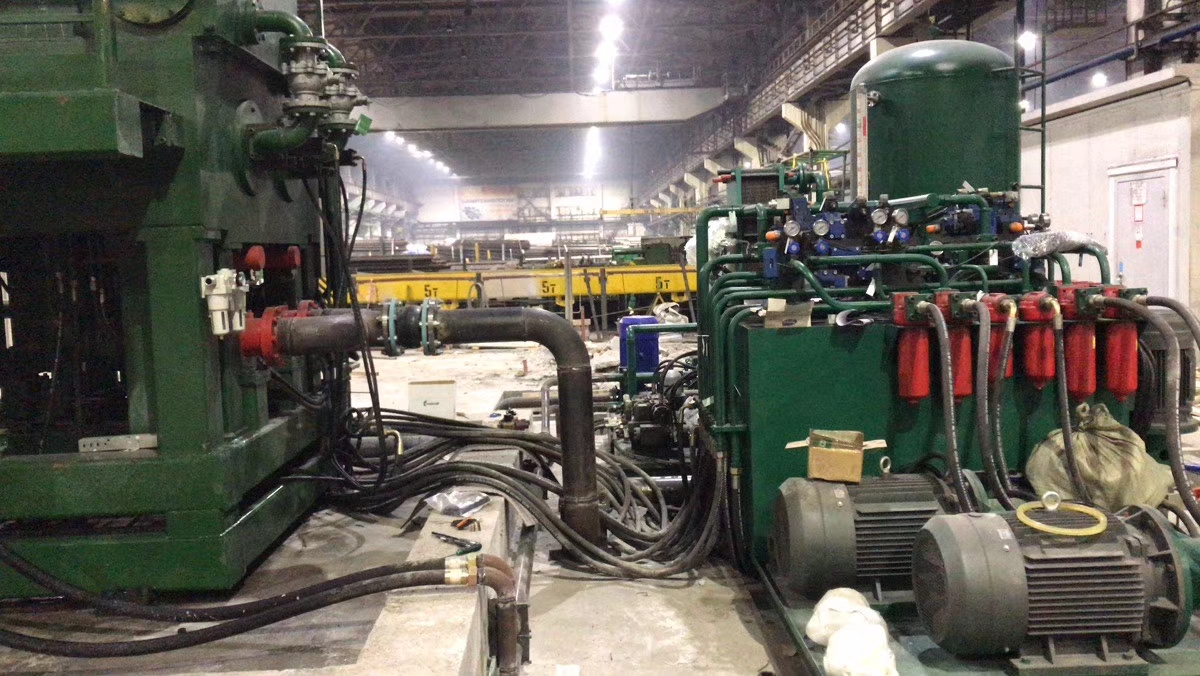
A practical case from the shop floor
A mid-sized pipe mill working on water transmission pipe was running a testing line that looked fine on paper but could not meet the plant’s daily target. The team first blamed operator speed. After a closer look, the real issue was different: slow pipe staging, seal wear, and frequent pressure retests caused by incomplete venting.
After they adjusted the loading area, replaced worn seals earlier, and standardized the venting step, the line speed improved without changing the main machine.
That is the kind of result many plants see when they improve Pipe pressure testing equipment operation in a practical way instead of chasing a bigger machine too early.
What to check if output is still too low
Before spending money on upgrades, engineers usually review these items:
- pipe feeding and unloading speed
- seal wear and replacement timing
- pressure pump response
- venting quality
- operator repeat steps
- layout between testing and next process
A Pipe pressure testing equipment line often becomes faster after removing just two or three small slow points.
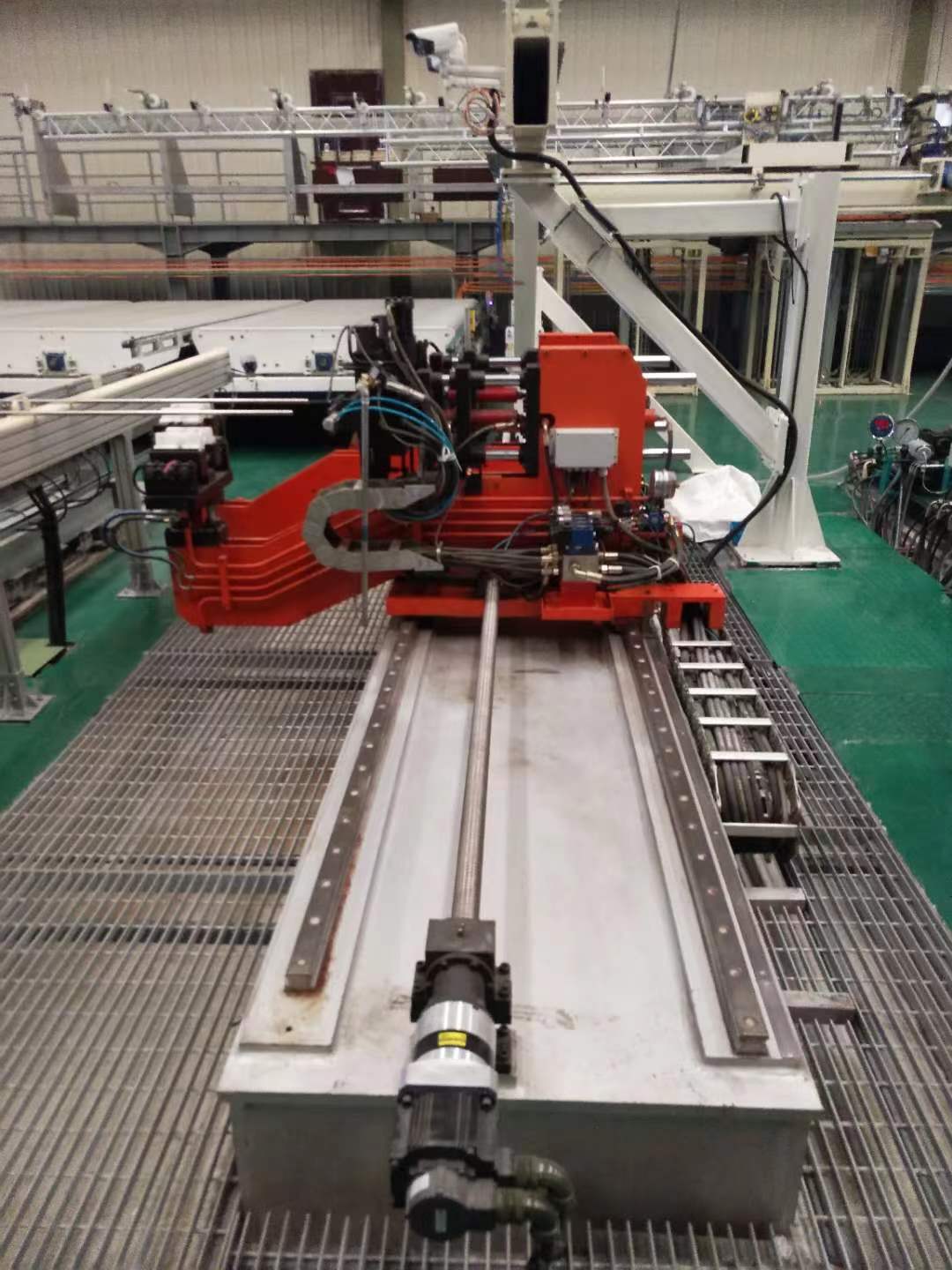
Improving output speed is not about pushing the test harder. It is about making the process cleaner, faster, and more repeatable. When a Pipe pressure testing equipment system is set up correctly, the plant gets better cycle time, fewer retests, and more stable daily production.