







Choosing the best pipe hydrotest machine depends on your pipe specifications, production capacity, testing standards, automation requirements, and long-term operating costs—not simply the machine's maximum pressure. For most steel pipe manufacturers, the ideal hydro testing machine for pipe should match the production line speed, comply with standards such as API and ASTM, deliver stable pressure control, minimize water consumption, and integrate seamlessly with upstream and downstream equipment. Selecting the right machine improves product quality, reduces downtime, and lowers the total cost of ownership.
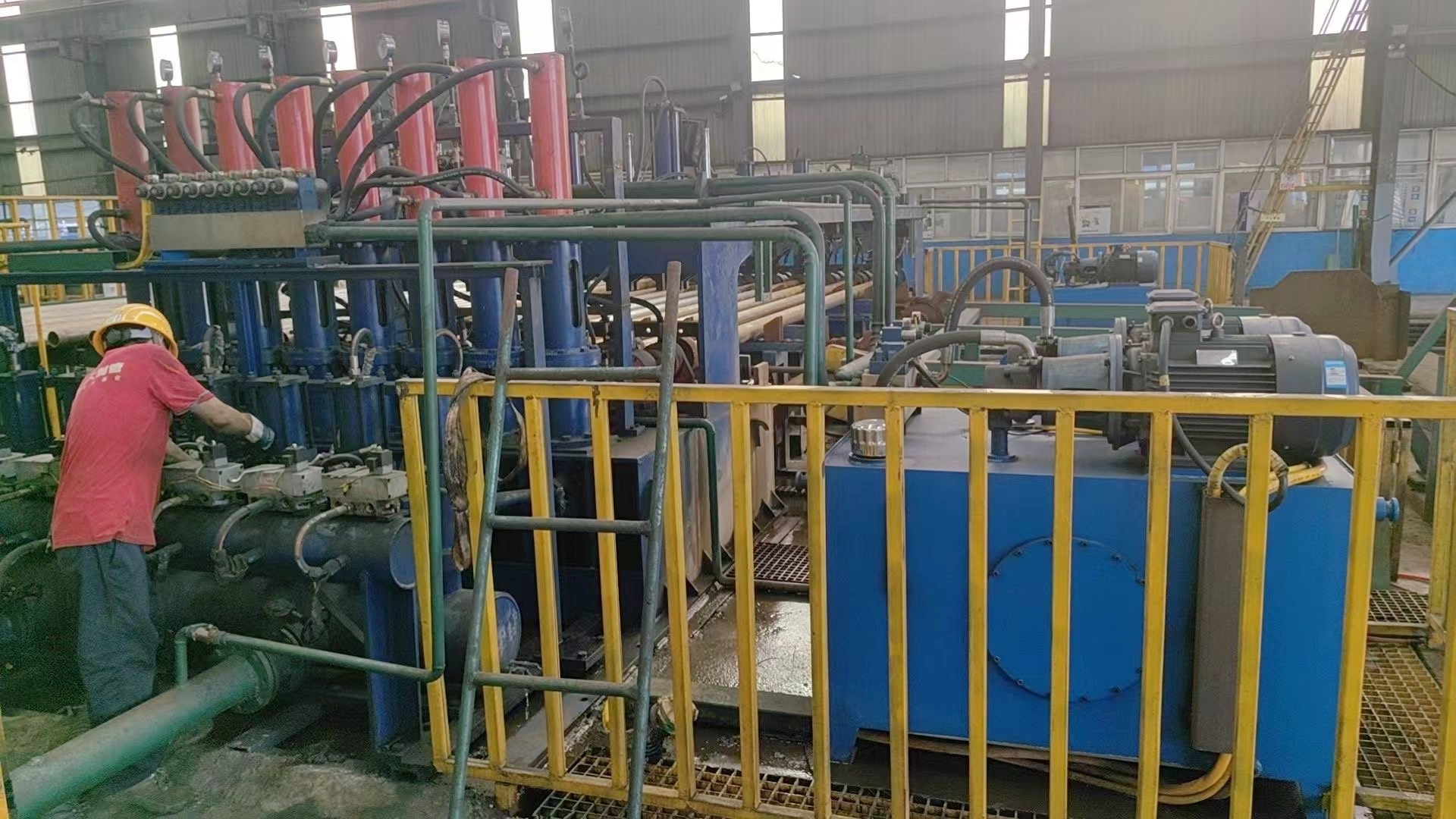
How to Choose the Best Pipe Hydrotest Machine for Your Production Line
A pipe hydro testing machine is one of the most critical quality control systems in a steel pipe manufacturing plant. It verifies whether each pipe can withstand the required internal pressure without leakage or structural failure before shipment.
However, different production lines have different requirements. A machine designed for OCTG production may not be suitable for large-diameter line pipes or structural tubes. Instead of comparing only pressure ratings or prices, manufacturers should evaluate the complete production process.
The following factors should be considered before purchasing a pipe hydrotest machine.
1. Match the Machine to Your Pipe Dimensions
The first consideration is whether the equipment can accommodate your product range.
Key parameters include:
- Pipe outside diameter (OD)
- Wall thickness
- Pipe length
- Material grade
- Maximum testing pressure
Selecting equipment with a working range slightly larger than your current production allows room for future expansion without unnecessary oversizing.
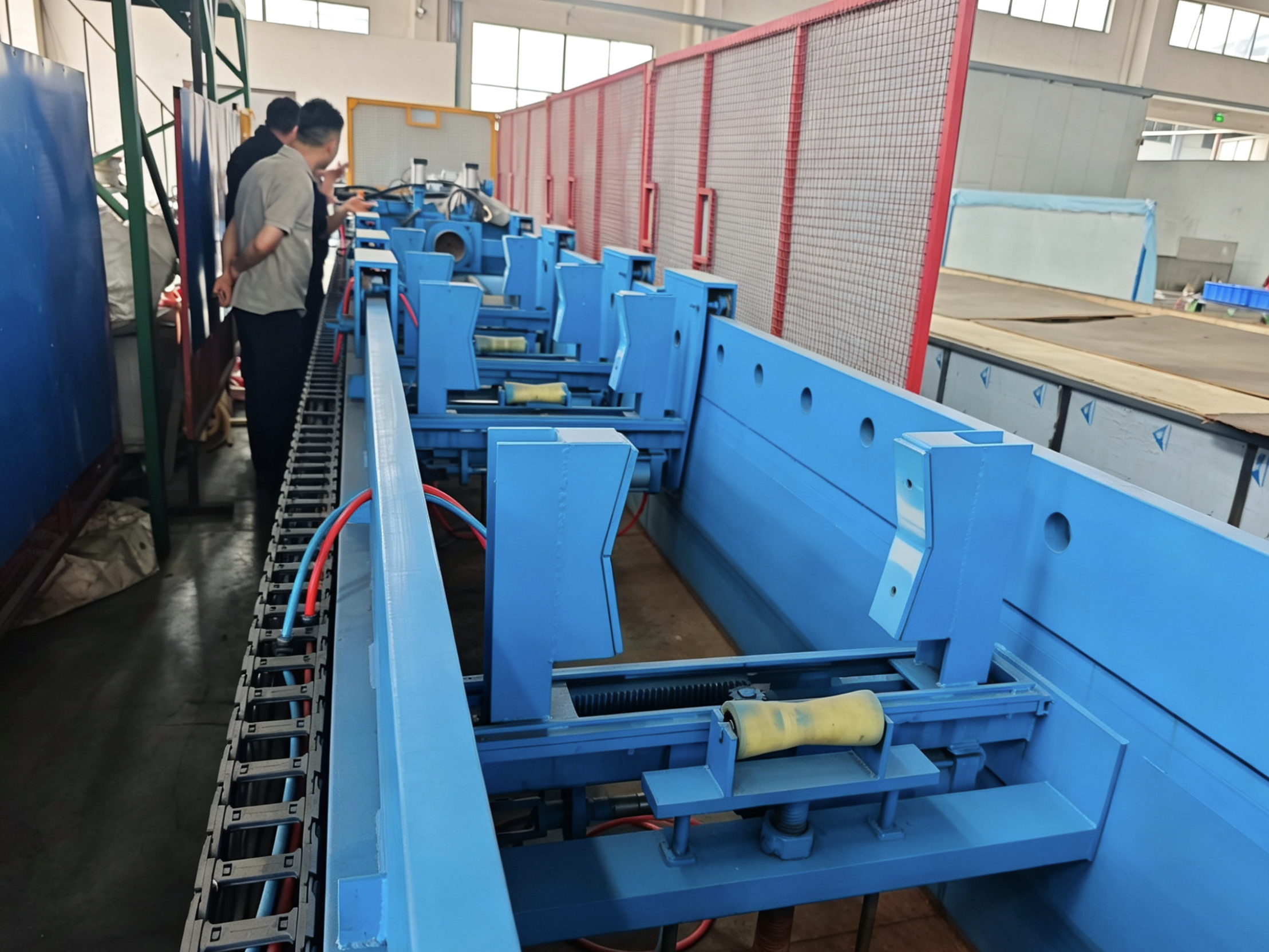
2. Ensure Production Capacity Matches Line Speed
A high-pressure tester becomes a production bottleneck if its testing cycle is slower than the rest of the manufacturing line.
Evaluate:
- Testing cycle time
- Pipe loading and unloading speed
- Automatic sealing time
- Pressure build-up time
- Pressure holding duration
- Water discharge efficiency
For continuous production lines, a fully automated hydro testing machine for pipe typically delivers higher productivity than semi-automatic systems.
3. Verify Compliance with Industry Standards
The equipment should be capable of performing tests according to your target market requirements.
Typical standards include:
- API 5L
- API 5CT
- ASTM specifications
- EN standards
- ISO requirements
The machine should provide:
- Accurate pressure control
- Automatic pressure recording
- Digital test reports
- Pass/fail traceability
- Data storage for quality audits
These features simplify customer inspections and quality certification.
4. Evaluate Automation Level
Automation affects both productivity and labor costs.
Common automation features include:
- Automatic pipe positioning
- Servo-controlled sealing heads
- PLC control system
- Touchscreen HMI
- Barcode or QR code tracking
- Automatic pressure adjustment
- Automatic leak detection
- MES or ERP communication
Modern automated pipe hydro testing machines reduce operator intervention and improve testing consistency.
5. Focus on Pressure Control Accuracy
Stable pressure control directly affects testing reliability.
Look for systems offering:
- Closed-loop pressure control
- High-response proportional valves
- Stable pressure holding
- Minimal pressure fluctuation
- Automatic pressure compensation
Consistent pressure prevents false failures and reduces unnecessary pipe rejection.
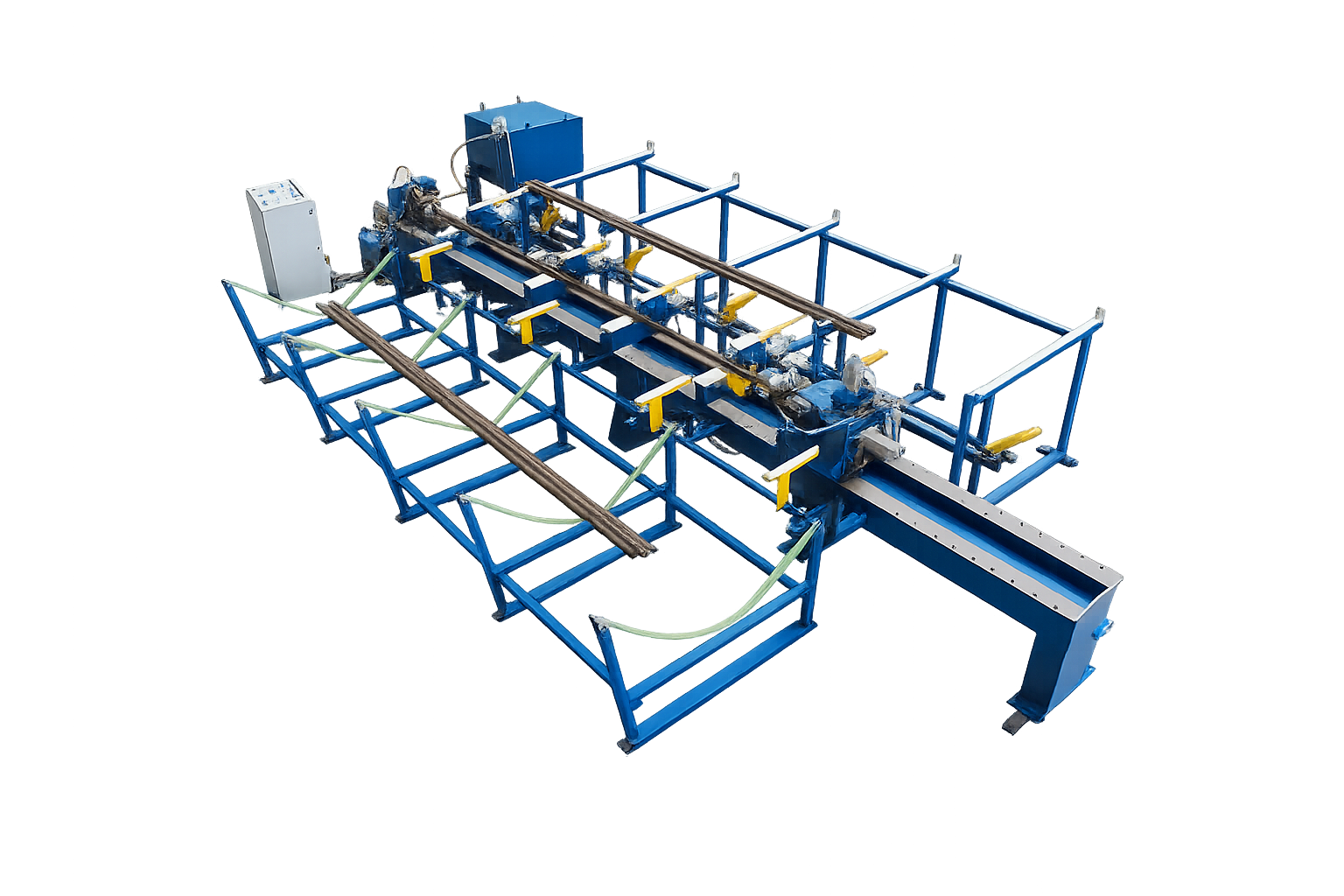
6. Consider Maintenance Requirements
Maintenance costs continue throughout the machine's service life.
Ask suppliers about:
- Seal replacement intervals
- Hydraulic component availability
- Spare parts inventory
- Remote diagnostics
- Technical support
- Software upgrades
Machines with modular designs generally reduce maintenance downtime.
7. Analyze Total Cost of Ownership
The lowest purchase price rarely delivers the lowest operating cost.
Evaluate:
| Selection Factor | Why It Matters |
|---|---|
| Energy consumption | Reduces operating expenses |
| Water recycling system | Saves water and operating cost |
| Maintenance frequency | Increases equipment availability |
| Spare part cost | Lowers lifetime expenses |
| Automation level | Reduces labor cost |
| Equipment lifespan | Improves long-term investment value |
A well-designed pipe hydrotest machine often provides a lower total cost over 10–20 years of operation.
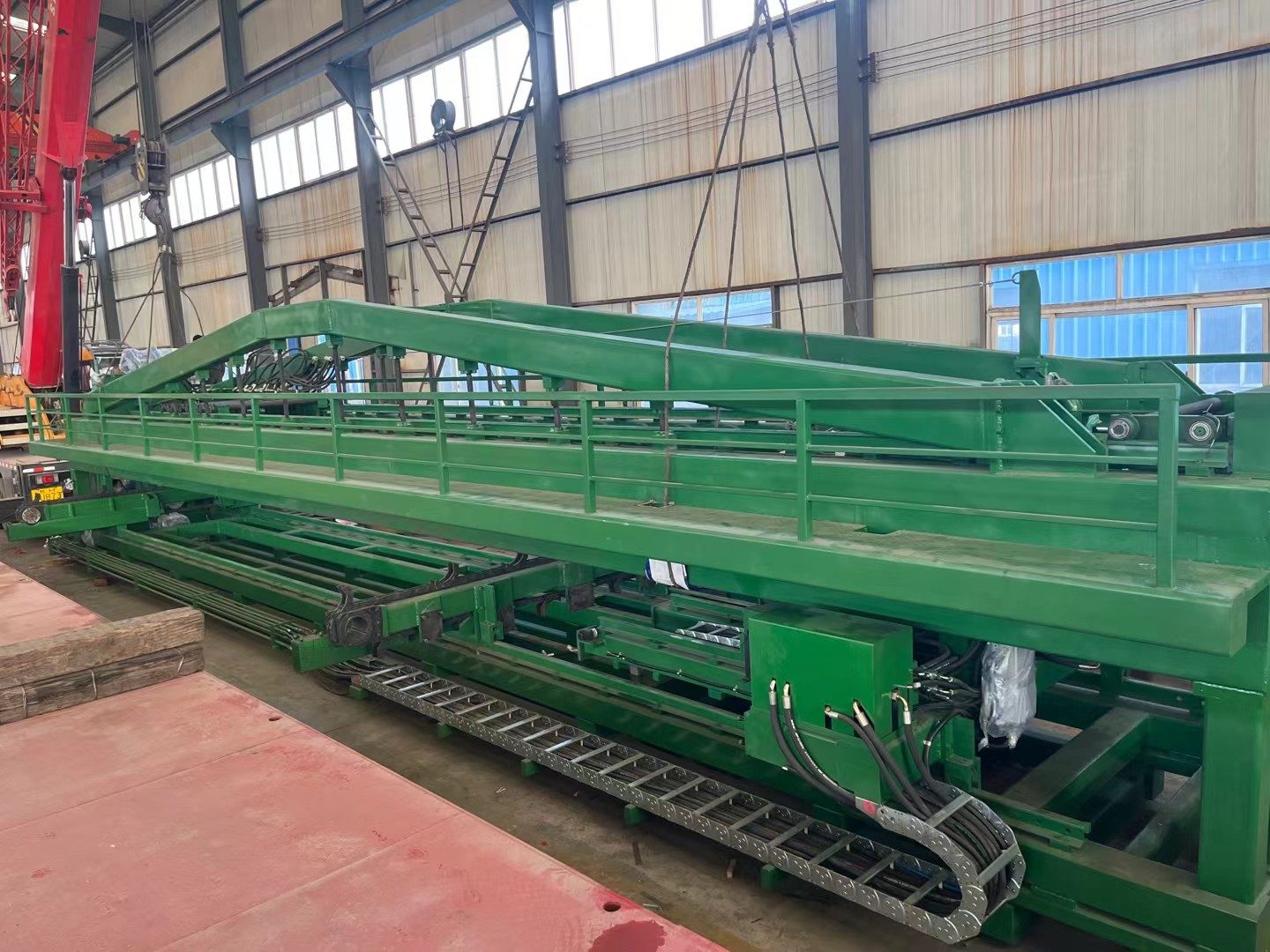
Practical Application
Consider a steel pipe manufacturer producing API 5L line pipes with diameters from 168 mm to 508 mm.
Instead of purchasing the highest-pressure machine available, the engineering team selected a hydro testing machine for pipe that matched their actual pressure requirements, incorporated automatic pipe handling, integrated with the factory MES system, and included water recycling.
The result was:
- Higher testing efficiency
- Reduced labor requirements
- Lower water consumption
- Improved production traceability
- Faster customer inspections
- Reduced operating costs over the equipment lifecycle
The machine met current production needs while allowing future product expansion.
Things to Consider Before Purchasing
Before selecting a pipe hydro testing machine, confirm the following:
- Does the machine cover your complete pipe size range?
- Can it keep pace with your production line?
- Does it comply with customer testing standards?
- Is pressure control sufficiently accurate?
- Can it integrate with existing production equipment?
- Are spare parts readily available?
- Does the supplier provide installation, training, and after-sales support?
- What is the expected lifecycle operating cost?
Answering these questions helps avoid expensive modifications after installation.
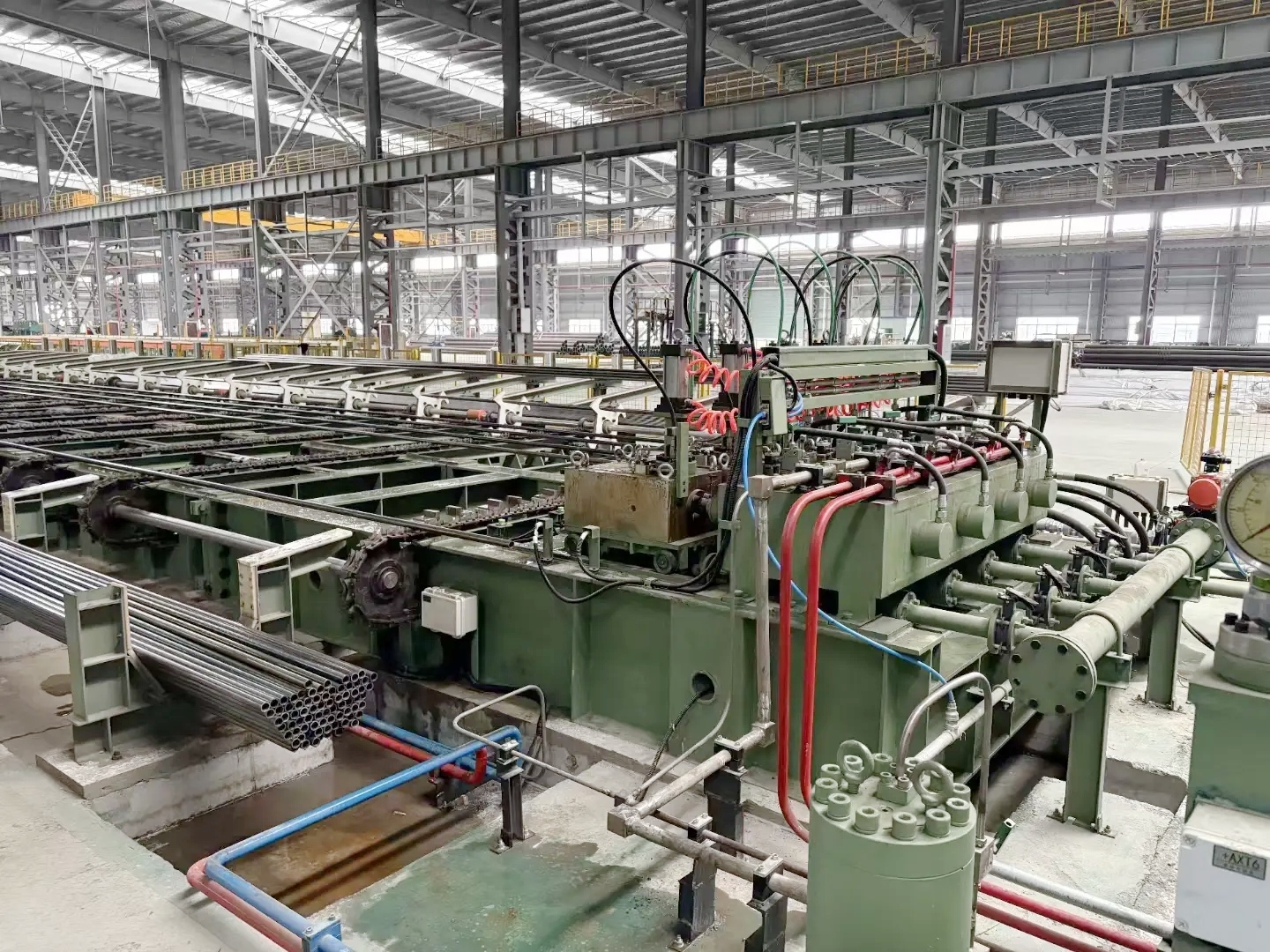
The best pipe hydrotest machine is not necessarily the one with the highest pressure rating or the lowest purchase price. It is the system that fits your production process, delivers reliable testing accuracy, supports future expansion, and minimizes long-term operating costs.
By evaluating pipe specifications, production speed, automation, pressure control, maintenance requirements, and supplier support together, manufacturers can select a hydro testing machine for pipe that improves quality, increases productivity, and delivers a stronger return on investment.