








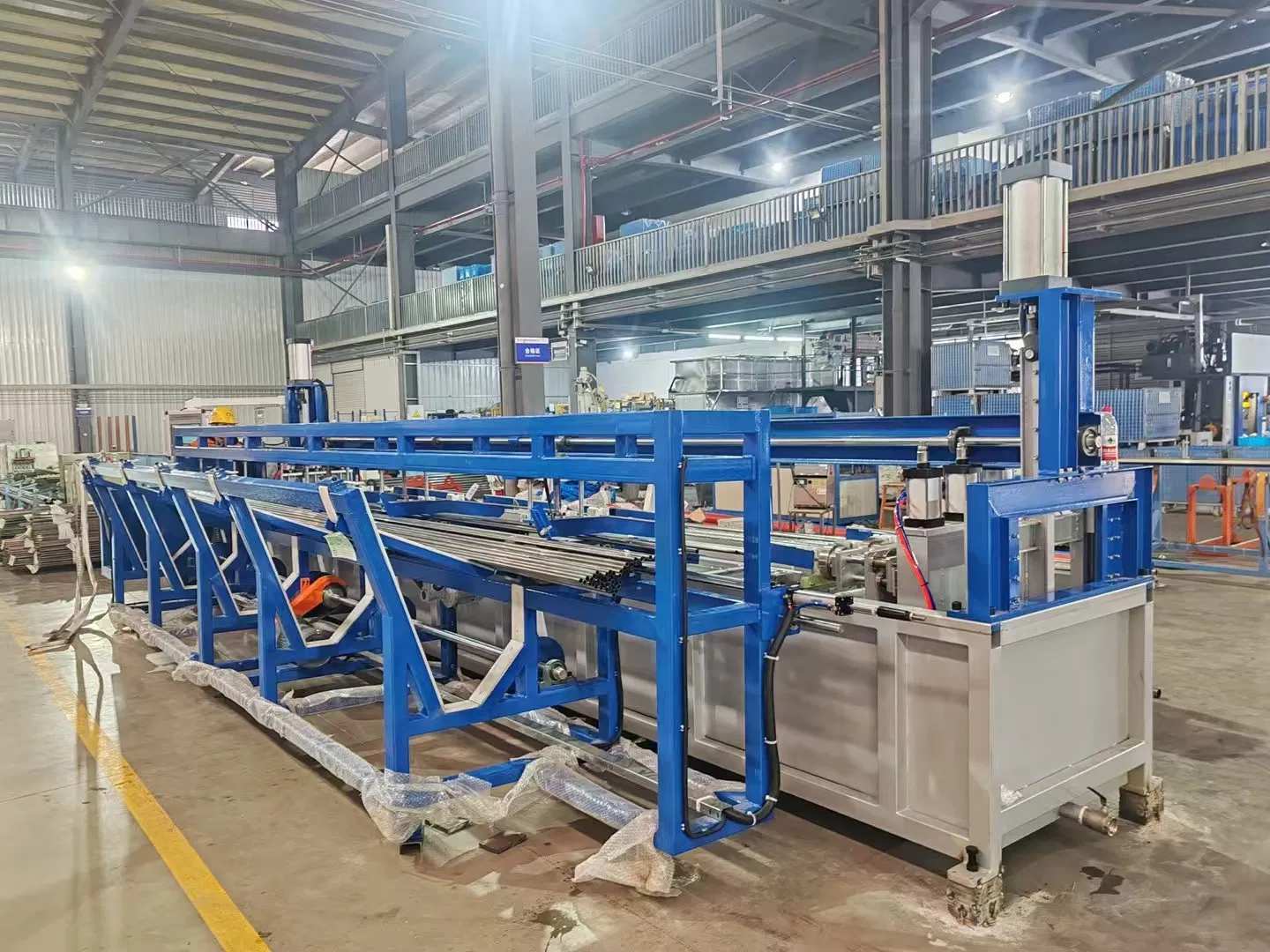
Pump capacity affects the filling and pressurization stages of a steel pipe hydrostatic test, but it does not determine the entire testing cycle. A pump may reach the required pressure and still deliver insufficient production output if filling, pressure stabilization or pipe handling takes too long.
For a pipe hydro testing machine, pump selection must match the pipe’s internal volume, required test pressure and target production rate.
1. Pressure and Flow Rate Are Not the Same
Pump pressure determines the pressure the system can develop under its operating conditions. Flow rate determines how quickly water can be delivered at that pressure.
| Parameter | Engineering Effect |
|---|---|
| Pressure capability | Determines whether the required test pressure can be reached |
| Flow at operating pressure | Affects filling and pressure-rise time |
| Pipe internal volume | Determines the required water volume |
| Control response | Affects pressure overshoot and stabilization |
| Duty cycle | Determines suitability for repeated production |
Maximum rated flow alone is not a reliable selection criterion. Buyers should check the pump’s flow-pressure performance at the intended operating point.
2. Pipe Dimensions Affect Cycle Time
Larger internal diameters and longer pipes generally require more water. If filling capacity is insufficient, the machine may spend too much time preparing each pipe for pressurization.
| Production Condition | What to Evaluate |
|---|---|
| Large-diameter or long pipes | Filling volume and available filling time |
| High test pressure | Pump pressure capability and high-pressure delivery |
| High production target | Filling, pressurization and holding time together |
| Multiple stations | Whether the supply system can meet simultaneous demand |
Engineering example: If a machine reaches the specified pressure reliably but misses the production target, first compare actual filling and pressure-rise times with the planned cycle. If pressure rise is slow despite adequate filling, check pump delivery at operating pressure, restrictions and leakage before specifying a larger pump.
3. Why a Larger Pump Can Create New Problems
During initial filling, high flow can reduce cycle time. Near the target pressure, however, excessive delivery without suitable control can cause overshoot or unstable pressure.
The pump, valves, sensors and PLC must therefore be matched as one control system. Depending on the design, the machine may use a separate filling stage followed by controlled high-pressure pressurization.
Increasing pump capacity will not fix poor valve response, inaccurate pressure feedback or leakage at the test heads.
4. Diagnose the Bottleneck Before Changing the Pump
| Observed Condition | First Check |
|---|---|
| Slow filling | Available flow, pipe volume and inlet restrictions |
| Slow pressure rise | Pump delivery at operating pressure and system leakage |
| Pressure overshoot | Valve response and control settings |
| Pressure falls during holding | Test-head seals, isolation valves and test conditions |
| Pressure target is reached, but output is low | Handling, holding time and drainage cycle |
These symptoms point to different causes. Replacing the pump before identifying the limiting stage can increase cost without improving throughput.
5. What to Confirm Before Ordering
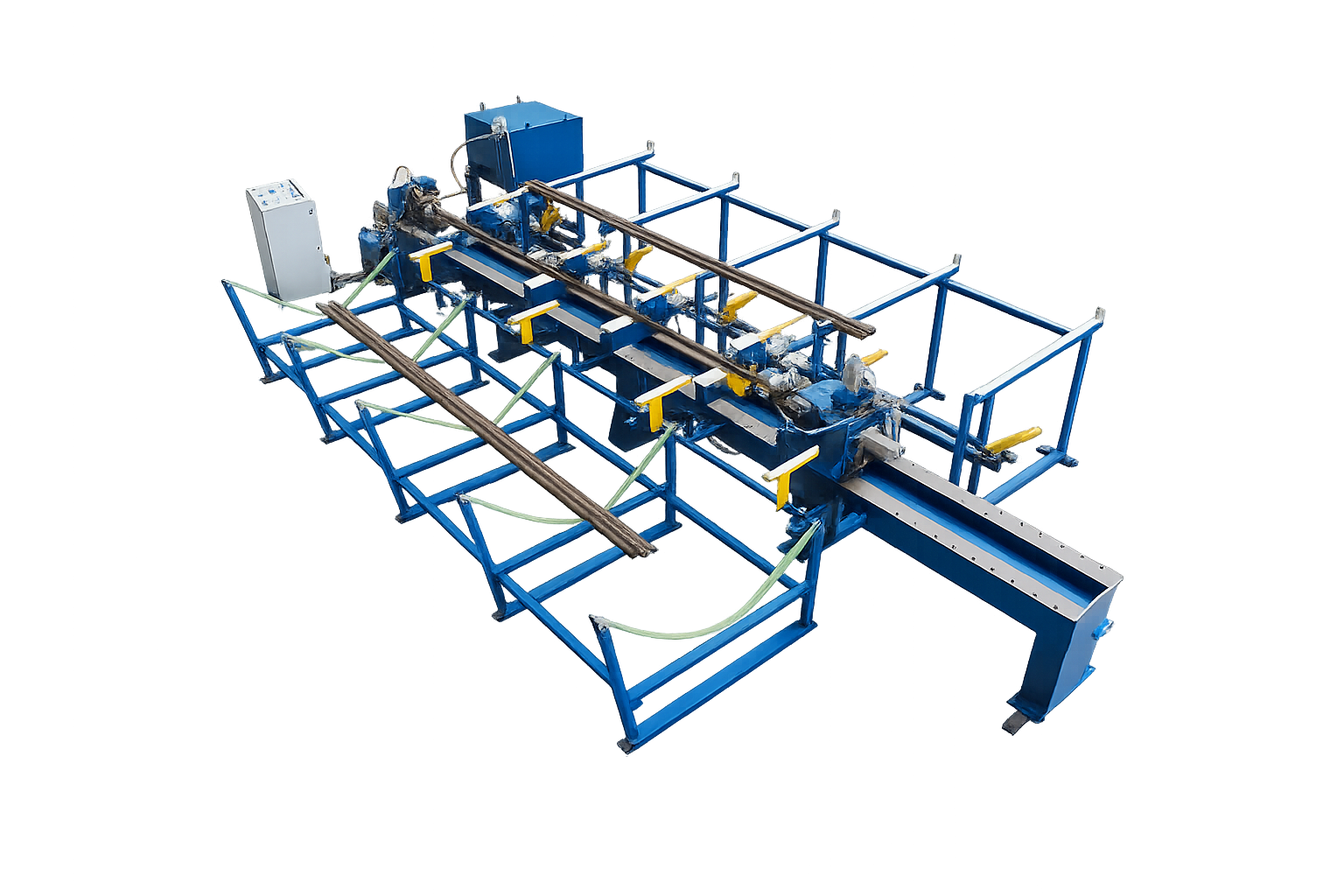
Specify the pipe OD, wall thickness and length range, required test pressure, holding time, target output and acceptable cycle time. The supplier should then confirm pump performance at the operating pressure, filling arrangement, pressure-control method and total cycle assumptions.
At Marley Machinery, we assess pump capacity against the actual pipe range and production cycle—not maximum pressure or flow in isolation. The correct configuration must reach the required pressure consistently, maintain it for the specified test period and meet the mill’s output target.